
How to Catch Super-Rich Chinese Tourists?
When trying to attract wealthy Chinese tourists it is important that you take into account the following biases. For example, many of these people have a reputation for spending large amounts of money overseas; however, this isn’t always true because there are plenty who prefer not to spend much at all, as we will see they are different profiles of Chinese tourists as the country is not a monolith.
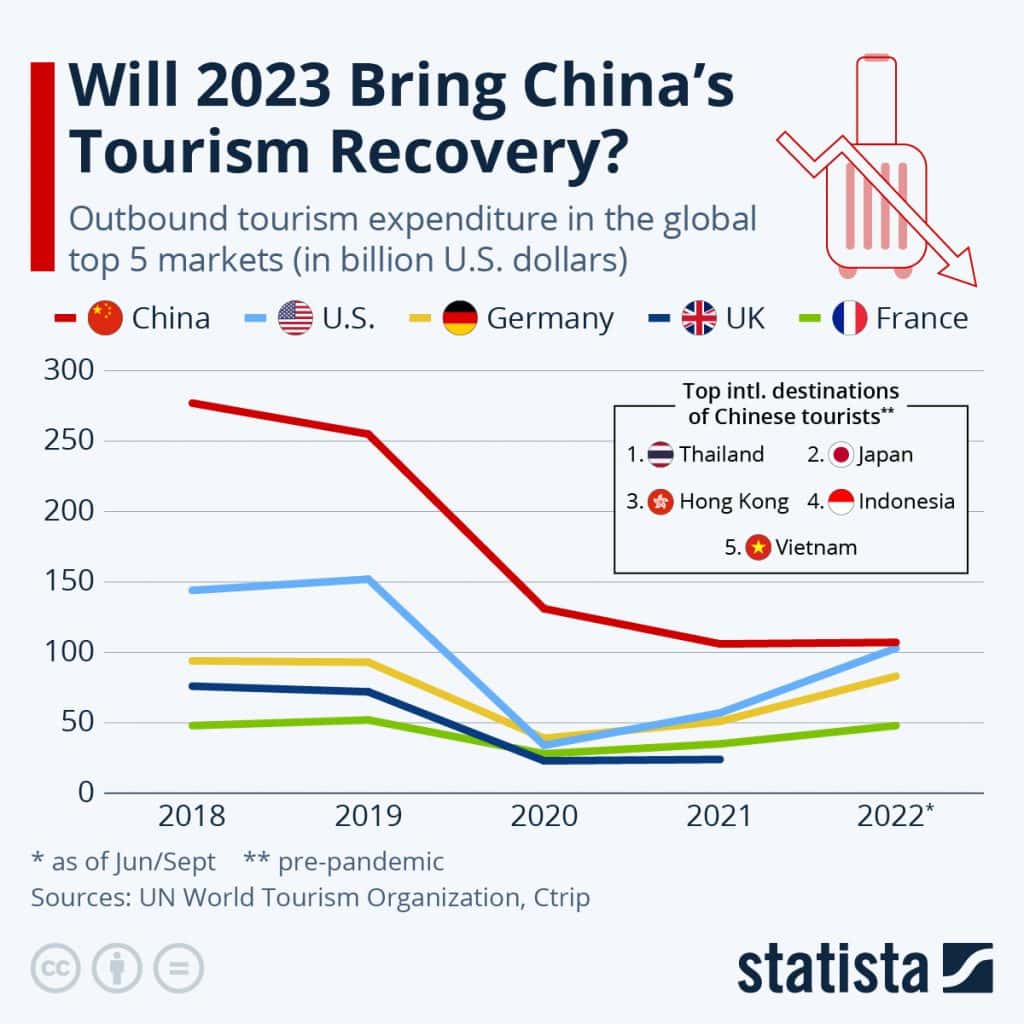
Chinese tourists are the largest and most valuable tourist market in the world. In 2019, Chinese citizens spent more than $255 billion dollars on tourism-related activities abroad. With more and more of these transactions taking place online, it means China’s digital channels should be your priority when targeting (wealthy) Chinese travelers. This article provides you with useful information and tactics on how to catch super-rich Chinese tourists in 2023.
Who are the main types of Chinese tourists
Chinese tourists just like any tourists from any other country are placed in different categories.
Average tourists
The average Chinese tourist represents a part of the higher middle class and the upper class. These people are primarily young and usually prepare for their trip through a Chinese travel agency or OTA (Online Travel Agency). A distinctive characteristic of the Chinese tourist is that he often travels in Chinese tour groups (but this is actually predicted to change in 2023). While group tourism still dominates in China, brands face challenges in serving the newest generation of tourists who are interested in experiencing everything from a different perspective.
FIT (Free Independent Travelers)
The new Chinese tourists are increasingly independent and demanding more unique, authentic experiences when they engage in overseas travel. While group tourism still dominates in China, brands face challenges in serving the newest generation of tourists who are interested in experiencing everything from a different perspective.
FIT travel is being driven by the “One Child” Generation. Many of these Chinese people had their entire Chinese family’ resources dedicated to their education, and have grown up with social opportunities beyond imagination because they are part of China’s growing open market economy. They boast significant disposable income as well as language skills that make FIT tours possible for them – all facilitated due to connectivity from smartphones.
Wealthy tourist
China’s outbound luxury travelers spend on average USD65 000 per household on tourism every year, including USD34 000 on travel shopping (source: Marriott International). The age range is quite wide but there seems to be a trend where the wealthy tourist category is getting younger each year. They chose countries in Southeast Asia, Japan, amazing Thailand, and South Korea, but also Australia, US, and Europe, as they can afford it.
The Challenges when dealing with Chinese outbound tourists
However, these tourists do not necessarily spend a consequent amount of money on every trip they undertake. Indeed despite the common knowledge that Chinese tourists are big spenders when traveling abroad (especially to Europe), it tends to be rather false, because of course it might be the case for some of them but not all abide by this unspoken law. Some Chinese tourists do not seem to be spending as much money as expected, the reasons are diverse.
- They don’t want to spend too much money and are looking for good deals
- They are not happy with the quality of the services provided
- Their expectations are getting higher and higher with each passing year and so on
FIT are typically not spending much money as the previous group tour generation did so if you are a luxury hotel/restaurant/spa/mall and so on looking at grabbing some part of the Chinese tourism market, we suggest you focus your effort on targeting wealthy Chinese tourist that won’t shy away from spending their money on your services/products.
What are wealthy Chinese tourists looking for while traveling?
- They are looking for high-quality services: The current customer satisfaction rate is quite low, around 20%, the main complaints include poor customer service, false marketing claims, and deception concerning the price. The more high-end the customer is, the more concerned they are with customer service, so this is important information for brands looking to conquer the luxury travel market.
- Learning is the purpose of many of their trips: Short overseas study tours, business visits, and etiquette training have become very popular itineraries for wealthy tourists traveling abroad. They are looking to have close encounters with locals, and are more inclined on having the most authentic experiences available.
- Word of mouth is still the primary way to stay informed: Wealthy Chinese travelers rely less on media than common consumers, rather their most common sources for gathering travel-related information are from friends and family, travel agencies, and recommendations from business partners.
- Safety: Chinese people care about their security a lot and are very serious about safety during their trips. This is even more important during covid-19. As the whole world is waiting for the return of Chinese tourists from pre-pandemic levels, it is vital to provide them with all the safety measures and announcements clearly listed on your website and social media platforms.
To attract wealthy Chinese tourists, leverage their consumption habits
Chinese consumers & travelers use the internet and social media a lot, they are curious and like to spend time discovering and exploring new topics/brands/products/destinations, and so on. Traveling is more and more about making great memories, Chinese travelers are spending a fair amount of time gathering information (the rise of FIT travelers as seen above) rather than just trusting a tour operator.
Online Travel Agencies and their role in the tourism industry
Online Travel Agencies (OTA) are as the name specifies travel agencies that only exist online, and have no physical stores. The advantages of these platforms are the wide variety of services they offer to their users but also their very consequent consumer base. Another important thing to keep in mind is that just like any travel agency, OTA’s allow their consumers to:
- Book plane tickets
- Hotel booking services
- Tour guide services
- Visa application services
- Travel packages
There is a wide variety of OTA’s operating in the Chinese market but the most popular ones are the following:
- Ctrip (leader in the industry)
- Qunar
- Fliggy
- Tuniu
- Meituan
Which apps are wealthy travelers using?
- HHtravel: HHtravel is the luxury platform of China’s leading OTA, Ctrip. Founded in 2011 by three travel agencies from Hong Kong, Taiwan, and mainland China, the platform grew quickly after being acquired by Ctrip (2011). The most popular service: an 80-day world trip priced at USD 194,900 is in big demand among Chinese wealthy consumers.
- 8 Continents Travel: Founded in 2012, 8 Continents Travel’s headquarters are located in Shanghai, with branches in Beijing and Chengdu. More than 40% of the company’s clients on the platform are families with young children who are very demanding and expect premium quality on comfort when traveling.
- Beshan: Beshan launched its service in 2011, Beshna is among the few Chinese companies that have been able to ride the wave of growing demand among wealthy Chinese travelers for travel abroad. Beshan started out as a small service-provider and quickly started to attract loyal clients, most of them being in their early 30s.
Develop your Chinese Website
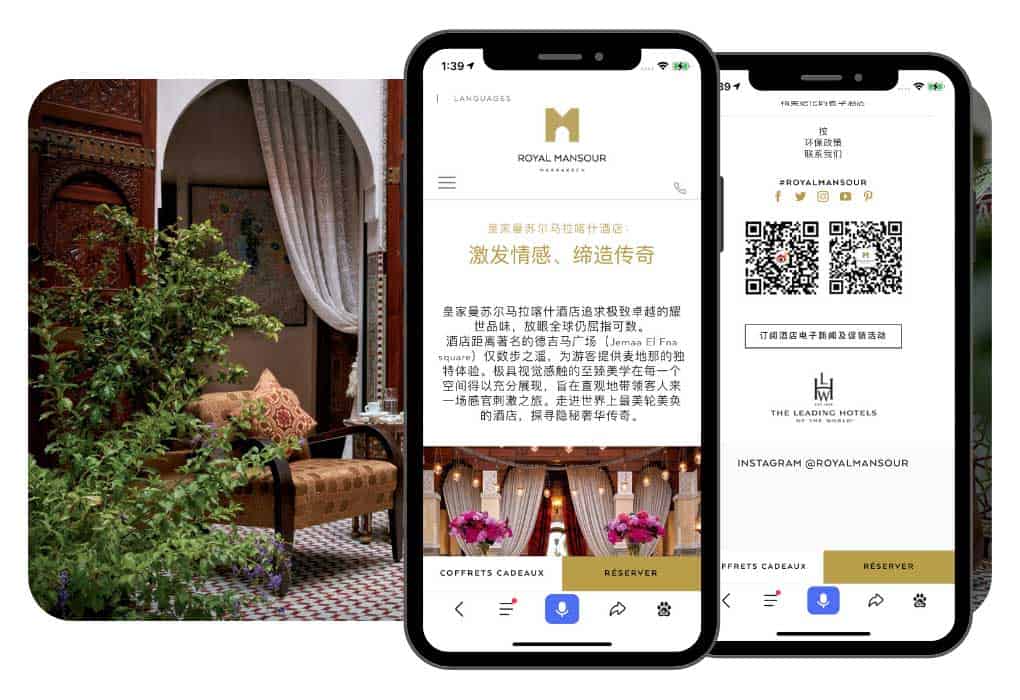
A website is the first step to making Chinese travelers aware of your destination’s touristic potential. Your website should include information on what your target audience wants to see, why it is a great place for them to travel, and detailed descriptions of activities in the area; prices (in local currency) with conversion rates given if necessary… Pick the interest of your visitors so they want to search for more information on your company and services through Baidu and Chinese social media.
The SEO on Baidu is MAGIC!
The main reason for having a Chinese website is to rank it on Baidu for both visibility and credibility. It is one of the most cost-efficient digital marketing solutions in China and it’s also absolutely crucial for success. And in case you were wondering, yes, wealthy Chinese tourists use Baidu to research their next destination.
While Google is the dominant search engine in most countries, it never had a very strong position, only 2.3% of all searches in China happen on the western search giant. To be truly successful with Baidu SEO, you will need a deep understanding of how to optimize your website and content for the search giant.
Baidu SEO comes with its own unique challenging environment, cultural differences, and technical considerations. Does your website have content written in Chinese? How is your linking? Do you have backlinks? Is your website optimized to load quickly on Baidu? What is your keyword strategy?
Baidu SEM matters for China’s outbound tourism market
Baidu SEM or Baidu Paid advertising is useful when it comes to getting initial traffic and increasing your visibility on Baidu to outrank competitors when it comes to inbound travelers.
Indeed if you are in the high-end market, chances are you are competing against a giant of tourism and that you’ll need more than SEO to grab a share of the market. Paid advertising combined with Baidu SEO is a smart way to go to dominate the SERP on your chosen keyword but also to make sure you are the one ranking on your brand name.
Never start without Chinese social media
Many Chinese customers or travelers use social media to discover new brands and products. Validate the product of quality through reviews, and comments. They also write their own recommendations and check their favorite travel influencers for inspiration.
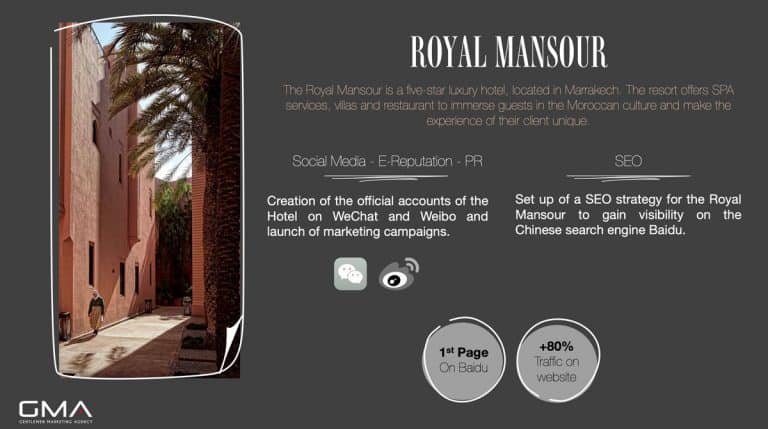
Wechat is the most powerful and multi-functional digital in China with more than 1.26 billion users. It is similar to Facebook in the sense that you can engage your customers or attract new ones by providing them with useful content and receiving reactions such as likes, comments, and shares.
But once your articles are published will be sent to your follower’s inboxes as a message. This is the difference between Facebook and Wechat. Therefore, the content you create should be interesting, and useful to convert the interested audience.
Nowadays, many travelers are looking to experience something different and creative that will enrich their lives as well as provide a break from the monotonous life they may have at home or work. In order for these types of tourists who want an immersive travel experience, destinations need to be able to offer them not only beautiful photo opportunities but also educational articles about local culture, trips centered around trying local cuisine with locals, tips on how to book accommodations ahead so there is no waiting time when arriving on site after landing – all things that allow people visiting tourist sites in other countries get excited about experiencing somewhere new!
Compared to social media giant WeChat, we can see how easily you’ll be able to attract new followers when posting content in China through the popular site: Sina Weibo (commonly known simply as “Weibo”). The low costs associated with advertisements make this Chinese-made tool stand out from its counterparts.
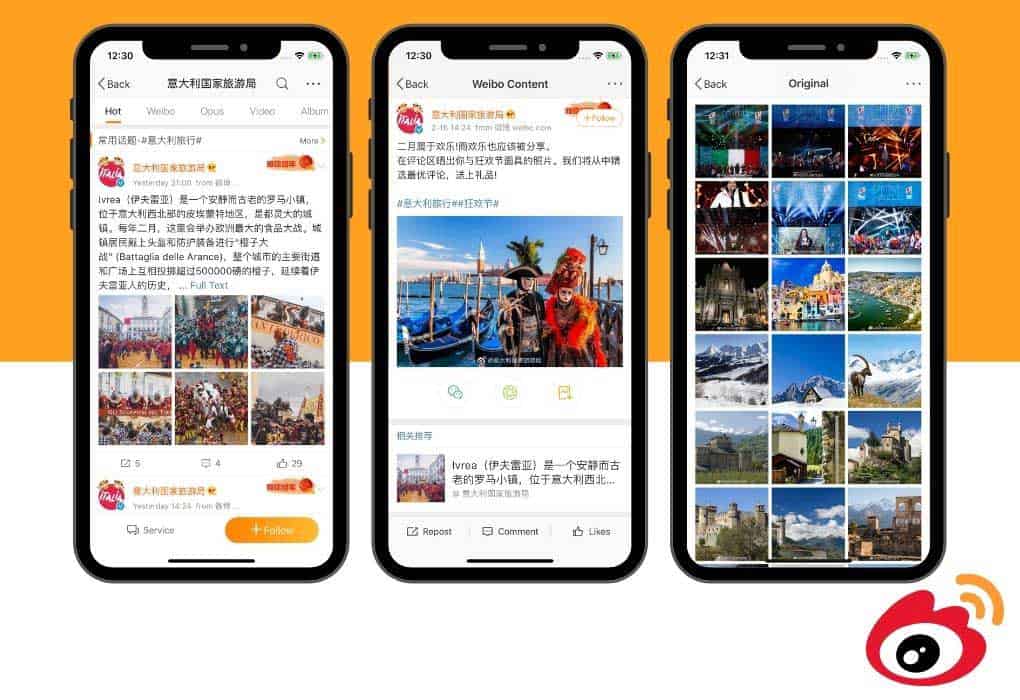
There are many types of content that brands can post on Weibo to engage with followers and build a strong fan base: product-related information, soft content, interactive games with fans or KOLs (Key Opinion Leaders), and fun contests.
The use of social media has been seen as a great way to connect with the customer in an efficient manner; posts within such platforms allow marketers’ messages to be conveyed quickly while still retaining some level of personalization due to their limited character count.
Other useful platforms are Xiaohongshu and Douyin, where you can address Millennials and Gen Z, posting interesting and visually appealing content, live-streaming, and more.
Tourism & KOLs campaigns: Your best ASSET!
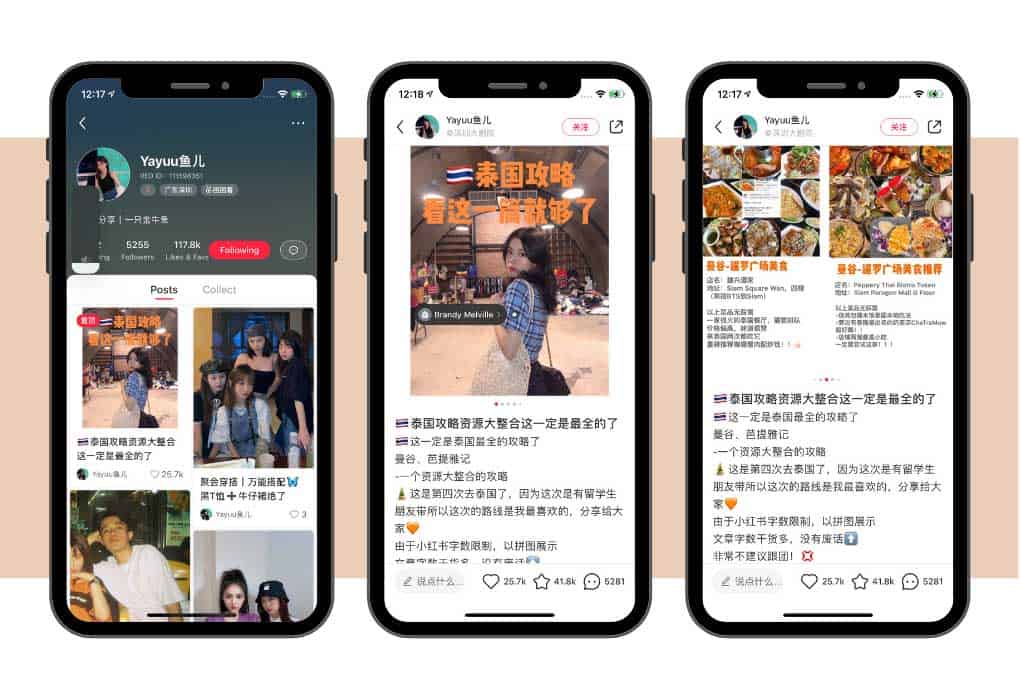
Developing an online presence is one of the most powerful tools to connect with Chinese social media users (and travelers). These influential opinion leaders have millions and followers, so let them help you spread your message!
For the past few years, many destinations have become famous because of Chinese stars sharing their holidays in one city or hotel. This has been a win-win for both companies and bloggers as it gives these businesses an opportunity to increase their visibility with more people while offering bloggers opportunities that could lead them to fame.
Online Reputation Management is Key to attract Rich Chinese Travelers
The power of peer reviews in China is immense, as consumers trust the opinions and experiences of their peers more than those from brands or media. This led to the development of forums where users can share any topic they want with other members who are interested too!
That is the best place to promote your country and influence people, lucky for you, China has a plethora of forums and Q&A (Zhihu, Baidu Zhidao), including quite a few dedicated to tourism and travel (Mafengwo, Tuniu, Qyer, etc).
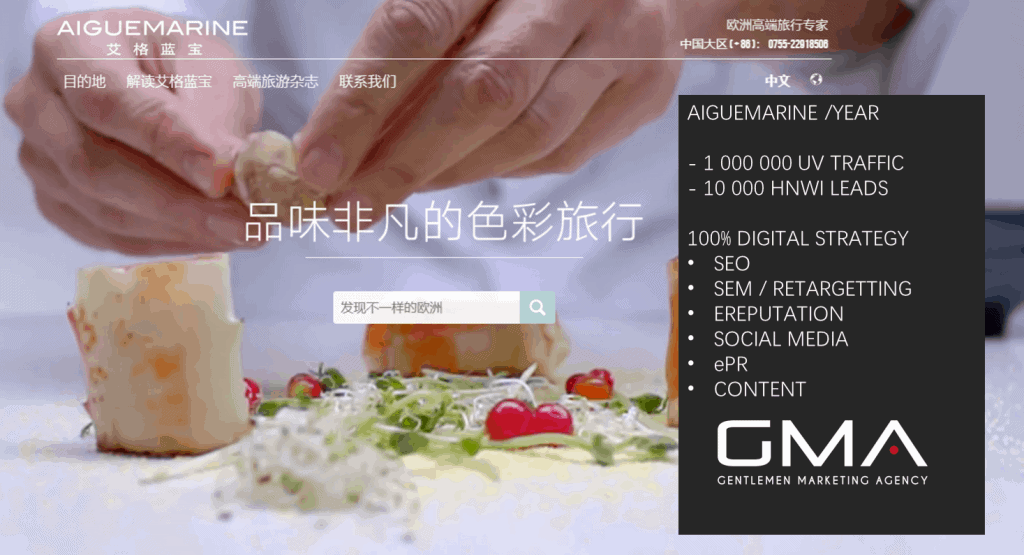
Travel forums are amazing resources for any travel company. If you have a personal account, you can see what consumers think about your service or agency and control the image of your business with professional features! Travel Forums also give companies an opportunity to grow consumer communities that provide trustworthy feedback via KOLs (key opinion leaders).
Mafengwo: Your new bestfriend
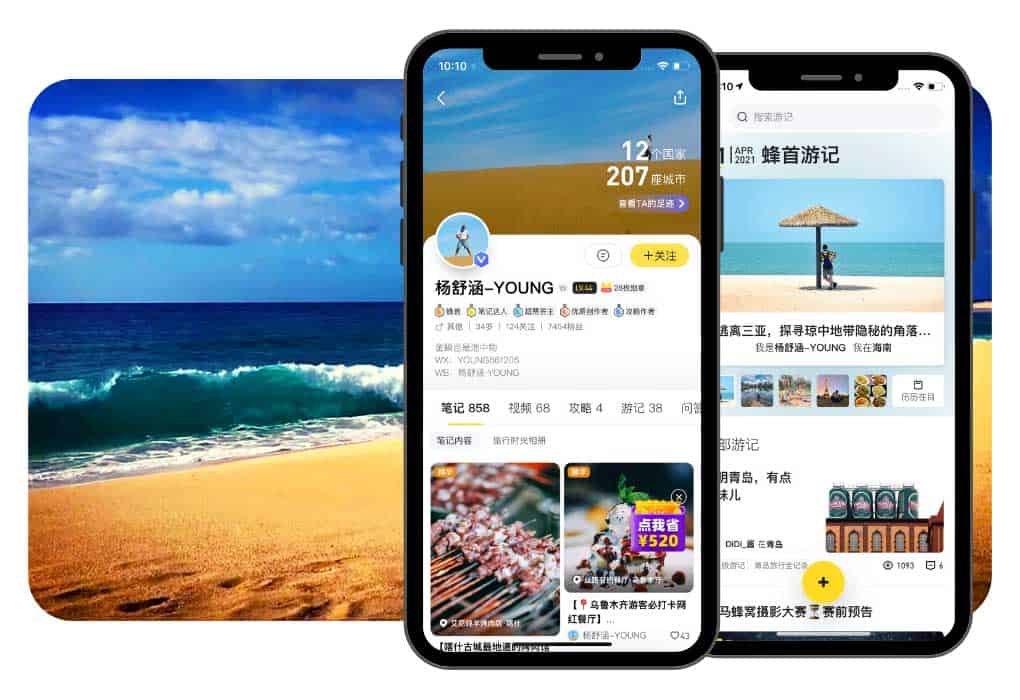
It is a social media travel platform in China. Users come to share or read detailed travel guides, tips, and all information about a destination like hotels, activities, and shopping. Mafengwo has helped 120 million Chinese travelers and is considered the Travel Bible of the young generation.
Qyer, the Chinese Trip Advisor?
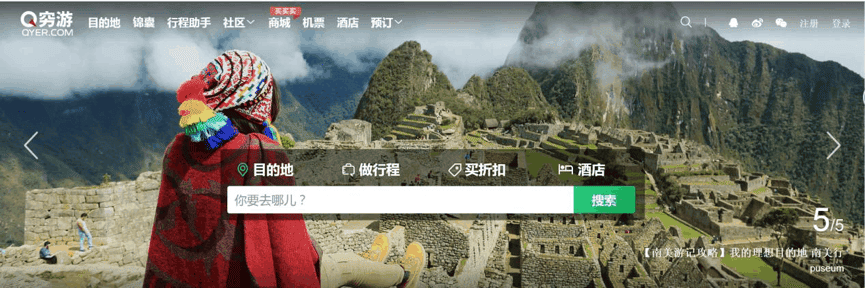
Qyer has become an equivalent to TripAdvisor in China: It’s given travelers access to a platform where they can find all their travel needs from booking flights or hotels, selecting destinations based on local experiences by other Chinese visitors, and even sharing photos from vacations around the world.
We can help you reach Chinese tourists
Chinese luxury tourists are always in search of the newest, brightest, and most exciting things to see. Give them a reason for coming with your site’s content by making it interesting and well-written. And use social media platforms, these will allow you to reach out directly through their individual interests which they have already given away on these sites themselves!
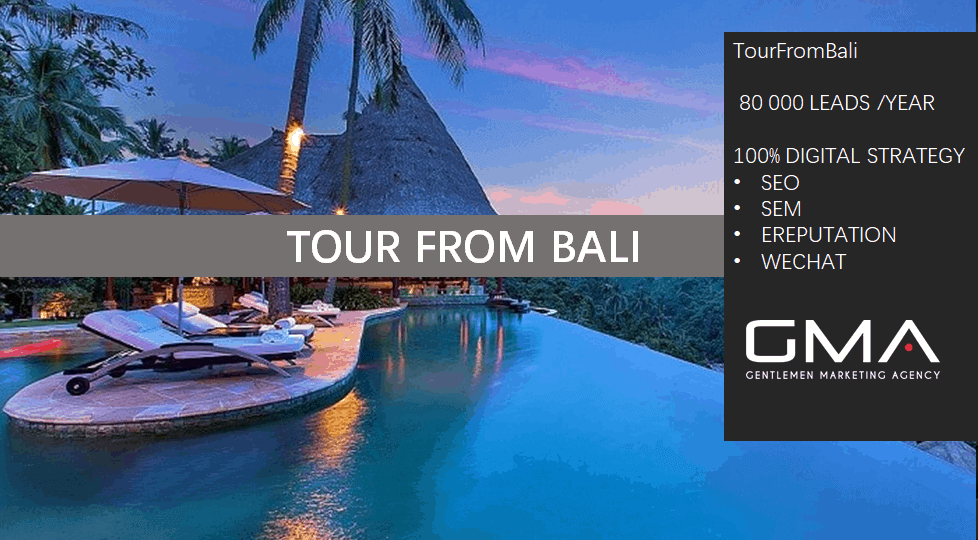
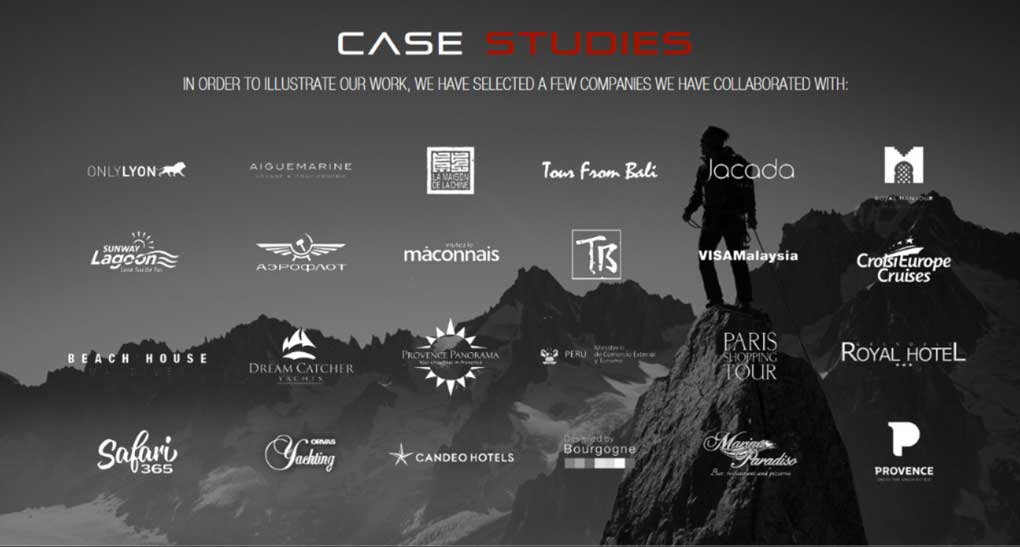
GMA, having had their past experiences with attracting Chinese tourists knows what to do in order for your business activity to become a world-known tourist destination. We offer tailor-made solutions depending on your budget, needs, and values.
Since China announced the opening of Chinese borders on the 8th of January and a warm welcome by Thai officials of a Xiamen Airlines flight right after that, we are excited about the new chapter in Chinese tourism. Don’t hesitate to leave us a comment or contact us so we can best evaluate your options in the Chinese market.






We’re a fresh thinking, experienced sahara desert tour company, we would like to lure Chinese rich Tourist . Do you think they will like tours and authentic holidays to Morocco. Explore the hidden treasures of an ancient land and discover the exotic sights and culture of this fascinating country.
What we need to do now? And what is the level of investment?
Now the tourist business is booming increasingly around the world. Every countries they count on tourism’s to have a prosperous economy. Without those activities they won’t survive no way to make more money or be profitable annually! So tourism is important for all the major cities! Like Las Vegas they count on visitors from all over-the-world to visit their casinos’ to make it profitable to keep the lights on without it; it will be doom! It will be very effective with immense of people around to have better or improved business. Keep in mind it will make a big difference !
Great advices,
Since very difficult to attract Chinese tourists, from outside the China as well as without any particular connection with Chinese citizens,
Excellent, much appreciated please advise to us,for how to register with good travel agents in China to find tourists those who are willing to travel to srilanka,
We can give much better service as a domestic tour facilitator,
Thank you very much..
Excellent,
Great informations,
Please give some details for register Chinese travel agents.
Dear seoagencyChina
I ‘m glad to hear about your service. I’m writing you from Georgia, as a leader of Tourist Agency . I want to note that Georgia is an ancient country (located at the crossroads of Western Asia and Eastern Europe,) having active tourism during 4 seasons of the year. My project includes various types of tours’packages inside the whole country. One of the target auditory is China