
10 Tips to attract Chinese Tourists in 2023
With a zero COVID tolerance policy cut off the Chinese traveling force awakens and is ready to renew its rush around the world. While businesses can’t wait for the return of Chinese clients, even with a new outbound travel boosting plan it will take some time for China to get international trips back to the pre-pandemic level.
A steady and foreseeable Chinese tourism revival is actually very good news for the global travel market. Companies that were successful in attracting Chinese travelers before the pandemic era have time to renew their websites in Mandarin and readopt services for old guests. For those wanting to improve or seeking to get Chinese tourists, this is a New Amazing Opportunity!
What do we know about Chinese tourists? How to attract them?
- China was and will be the #1 tourists source with 160+ million outbound trips per year
- Chinese travelers are the biggest spenders with an average of 1000 USD per day
- The majority of Chinese are choosing trips with cultural tourism and shopping activities
- 80% of Chinese view vacations as a shopping opportunity, they like to buy luxury
- Most Chinese do not speak English. This is an obstacle for them to spend money
1. Understand your Chinese clients and respect their culture
Understanding what Chinese tourists want or more importantly what the motivation behind their consumers’ behavior is crucial for offering them your best services. For example, the main reason why they are buying a luxury or prefer to book VIP services and accommodations is lying in Chinese social conviction called “show face”. This means the chance to show their economic status through the surrounding environment, products they are using, and presents they are buying for their friends.

Chinese culture is quite different from the West. You better make your own research to avoid mistakes. For example, the Chinese are generally very superstitious. That’s why savvy hotels give to them rooms with the number 8. In China, it is considered a lucky number, while numbers 4 and 14 are associated with the word “death”.
2. Adapt your services
Chinese tourists are very demanding, however not usually straightforward to tell what exactly they need or don’t like. If you don’t want to learn this through bad reviews about your products and services, it’s better to adapt beforehand. For example, some hotel chains have designed exclusive programs to attend to their Chinese guests.

Hilton, Marriot, and Starwood have adapted their food and room amenities for Chinese tourists. Most travel businesses specializing in dealing with high-end Chinese visitors take into account that their guests do not adore being exposed to open sun and are not fun of sunbathing.
3. Recruit Mandarin-speaking employees
In order to improve communication with the customers your businesses could hire Chinese-speaking staff. Among the presumed benefits of communication, your employees will be able to advise you on how to advance strategies for attracting Chinese clients and cater to them well.

4. Create a relevant content
The content of your website has to be interesting and attractive. Remember, the “face concept” is everywhere in Chinese culture. Don’t fail with a bad website. Relevant localized content will help your potential consumers to build a good opinion about you. However, getting Chinese clients won’t really be enough. You also need to translate and optimize your website to make it visible in China.
5. Translate and optimize your website
Due to the Great Firewall, your wonderful website is likely extremely slowed down in China. This means, your potential clients can’t upload and read the content you have catered for them. So in order to become visible to your prospective guests, you have to begin with the optimization of your website for the Chinese Internet.
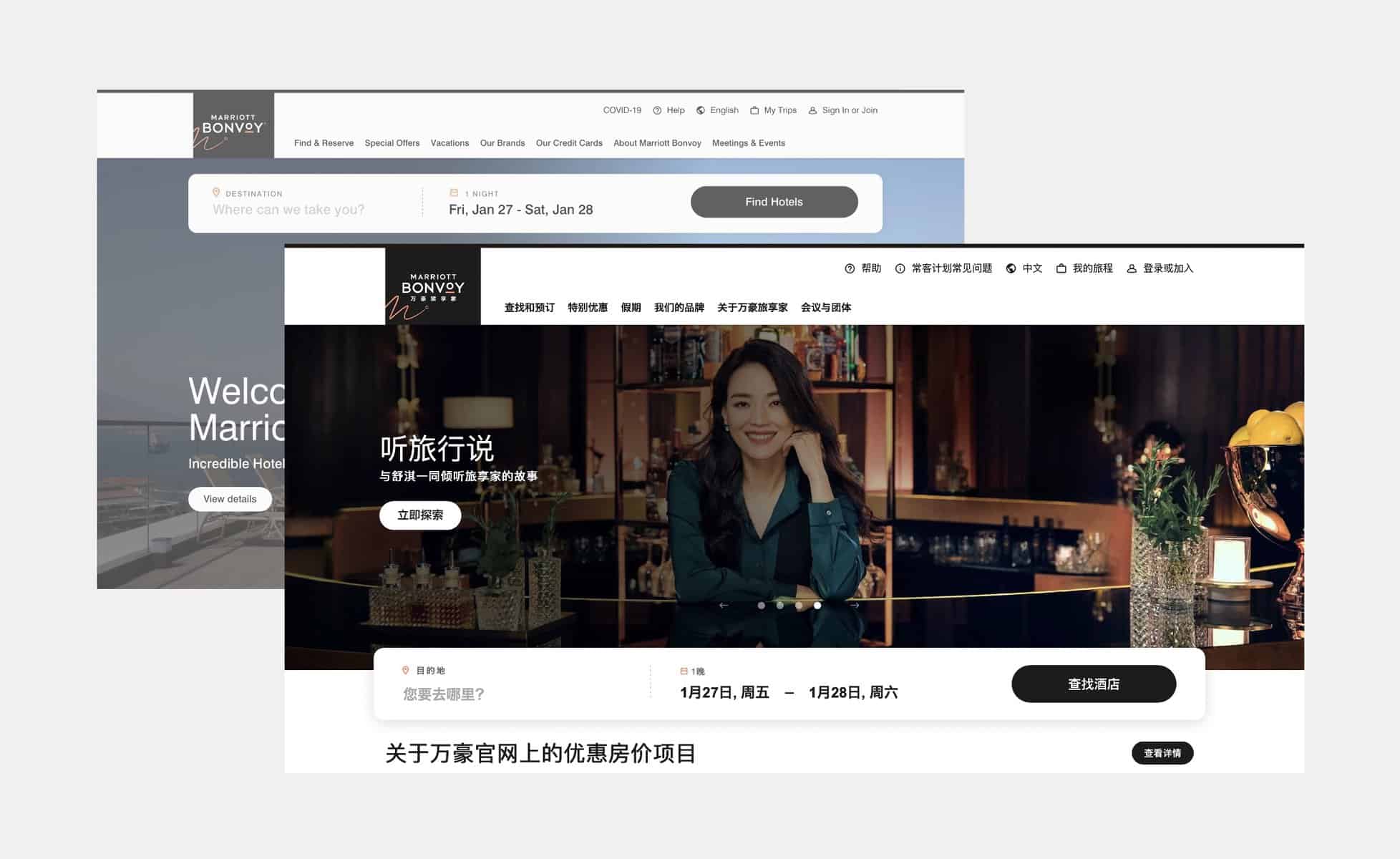
Professional translation of your content to Mandarin is important too. Automatic translation is not an option. First, Chinese is not an easy language, so you definitely will have a lot of misreading. Second and most important, in the case of using automatic translation services like Google, your website can be completely blocked in China.
6. Improve your visibility
Just like using Google SEO or SEM to improve your visibility for a western audience, you can do the same for your Chinese prospective clients, but on the Baidu search engine. The main idea remains the same: rank your website higher for getting more visitors and therefore clients.
7. Invest in your online reputation
Yes, your product and services are great, your website is already highly ranked on Baidu and works well in China. But be sure you are not the only one in your niche, so you need to pull your prospective client to choose your services. Moreover, the Chinese Internet is full of scams and your Chinese potential clients are extremely suspicious. This means they will search and evaluate everything they could find about your company before even contacting you.

Be sure, they will search for information about your product and services on the Chinese part of the internet. Any western sources are out of reach and not interesting to them. So you need to invest in your reputation on the Chinese web. This includes press releases and mentions of your company on dedicated Chinese blogs and forums. The more positive information they could find about you, the more chances they will contact and pick your services and products.
8. Integrate Chinese payment systems
Another obstacle for Chinese tourist who wants to spend money abroad is the payment system. The majority of Chinese don’t have an international credit card and are eager to export their local paying habits when traveling overseas. Most shops, hotels, and restaurants still don’t accept the Chinese payment system. In case you want your Chinese clients to spend more, it would be great for you to integrate with Alipay and UnionPay in order to facilitate more of their purchases.
9. Be Social
Businesses have to be represented on social media. Since Instagram, Pinterest, Facebook, and even LinkedIn are blocked in China, promoting your brand and services on local socials such as Weibo, WeChat and Red are mandatory marketing activities to reach more Chinese audiences.

Chinese tourists are also keen on sharing their experiences, good or bad. The better experience they will have with you, the more positive vibes they will share about you through Chinese socials.
10. Make promotions
Chinese are pampered with discounts. If you want to attract them well, don’t hesitate to give them discounts and special offers in order to increase their interest in your services or brand and pull them to make a purchase decision.
Do you have a Project?
We are Experts in Chinese Tourism!
????Contact us now to get a Free Consultation and crafted Marketing Strategy to meet your ambitions.








it is a really Great article about the Marketing for chinese tourists.
You are so specilized good luck for the future.
Thank you. 😉
very good article. I was wonder if you can provide list of Chinese travel agency and the right strategy to approach them .
Yes we can … we will guide you to success..
Send us an email. We will not reply by comment section. Hope you will understand 😉