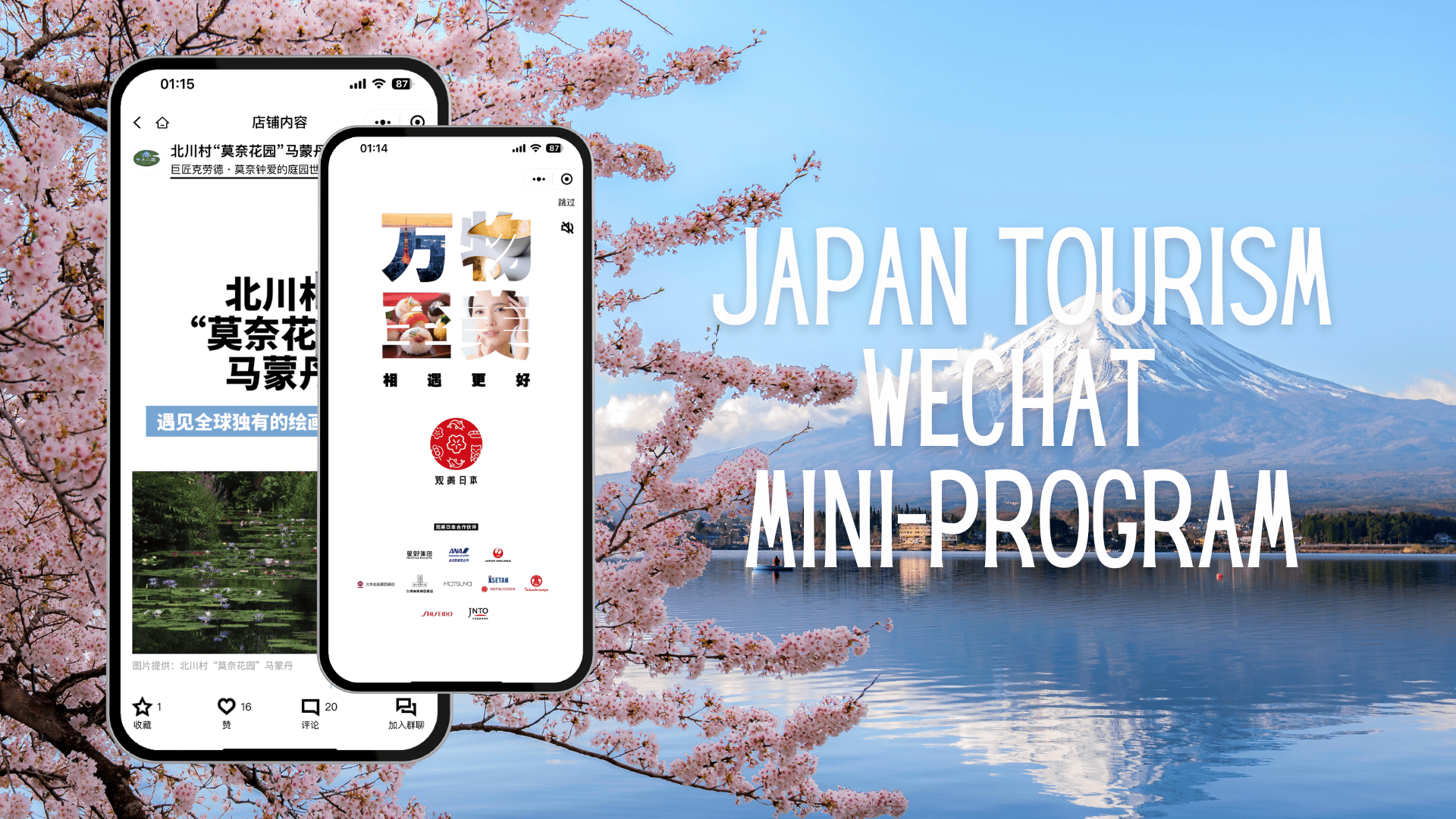
Japan Is Leveraging WeChat Mini-program Feature To Attract Chinese Tourists
You might be scratching your head wondering, just like me, how Japan’s tourism industry managed to get back on track when it comes to Chinese tourists so briskly after the global pandemic. The answer didn’t really surprise me though – their ingenious use of technology with WeChat Mini-programs!
After some thorough digging, I’ve pieced together an enlightening blog post that paints a clear picture of how these nifty programs have reeled in one of Japan’s largest tourist demographics: our friends from China.
Trust me, you’re going to want to buckle up for this fascinating ride through the tech-infused world of international tourism!
Key Takeaways
- Japan uses WeChat Mini – programs to pull in Chinese tourists.
- These tiny apps share travel info and connect with people.
- They help market a country’s culture, like how Japan shows its features.
- Companies can use them to boost their plans and get more people interested.
- These programs blend well with other systems, making it easy for users.
- With these tools, payments are simple so buying is not hard.
- More tourists can now discover the beauty of Japan through these mini – apps!
Introduction to WeChat Mini-Program Feature
WeChat mini-programs have emerged as a revolutionary tool within the realm of mobile applications, seamlessly integrating various services and functionalities within the WeChat ecosystem. These lightweight apps offer a compact yet powerful user experience, allowing users to access essential features without the need for separate downloads.
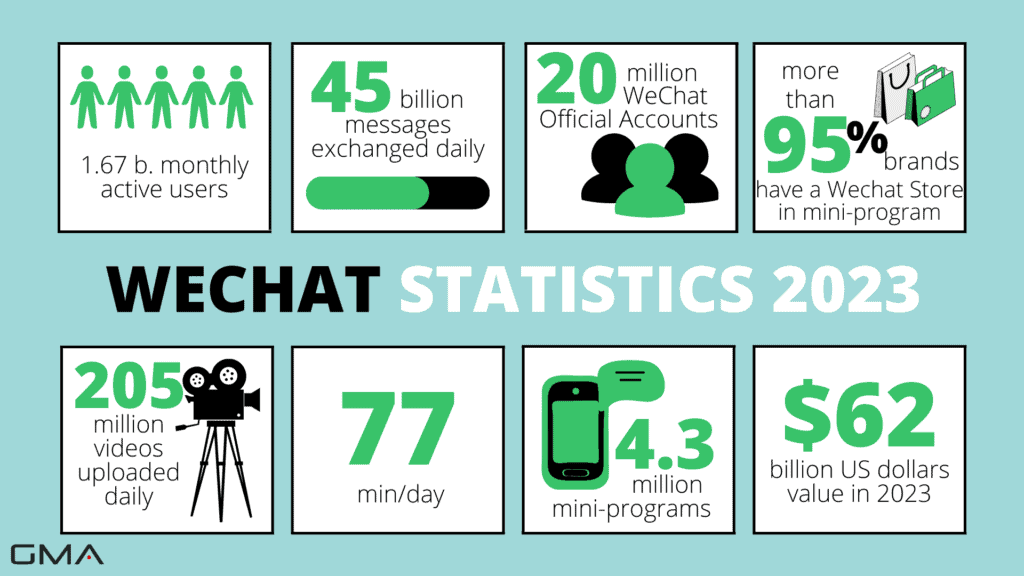
WeChat mini-programs have gained remarkable popularity, boasting over 450 million daily active users. On average, Chinese people are using e-commerce mini-programs daily, with an average of 9.8 mini-programs per person.
The tourism industry, in particular, has harnessed the potential of WeChat mini-programs to enhance the experience for Chinese tourists exploring international destinations, such as Japan. The convenience of accessing essential travel information, booking accommodations, navigating local attractions, and even making seamless mobile payments through a single platform like WeChat significantly enhances the travel experience for Chinese tourists.
Japan’s utilization of WeChat mini-programs exemplifies the symbiotic relationship between technology and tourism, catering to the preferences of tech-savvy travelers and further cementing itself as a preferred destination for Chinese tourists.
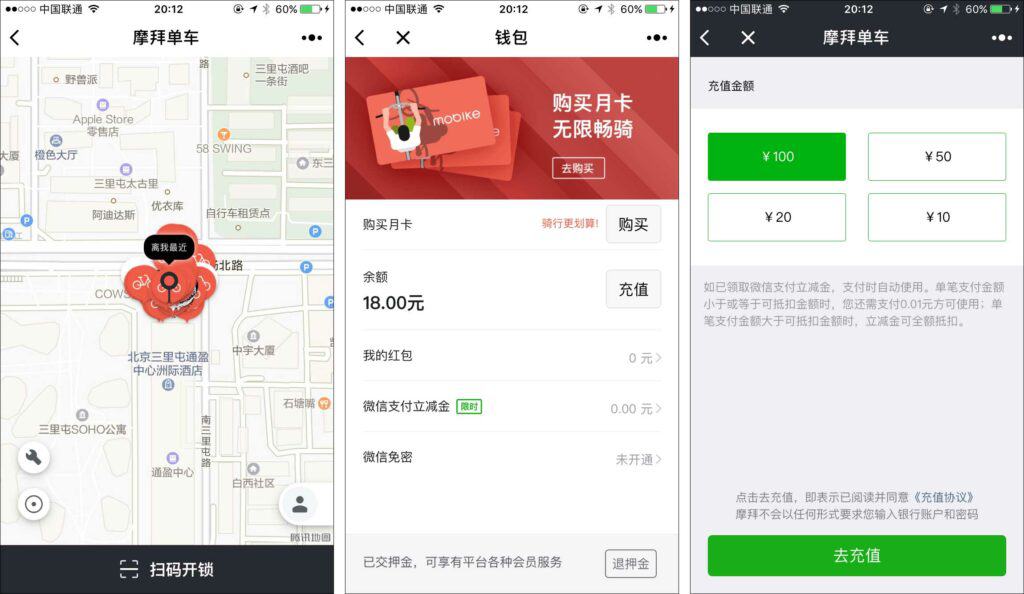
How to Use WeChat Mini-programs to Attract Chinese Tourists
As a marketing manager, I’ve realized the powerful impact of WeChat mini-programs in attracting Chinese tourists. These handy features can provide instant access to essential travel information and establish direct contact with potential travelers.
Many case studies of mini-program development show successful implementation, demonstrating how these programs boost tourism visibility and engage visitors effectively.
Benefits of WeChat Mini-programs for tourism
I find the use of WeChat Mini-programs in tourism quite useful. Here’s why:
- Those ‘WeChat mini-games’ have features that work well with the main WeChat service and its other accounts.
- Tourists can expect an easy, fast, and similar user experience within this native app. Accessing WeChat mini-programs is also very easy and convenient, even abroad from the WeChat platform.
- These programs are not complex; they’re easy to make and get to.
- Tourism firms have seen good results with Chinese tourists by using these tools.
- As part of their deal, WeChat works with tourism startups to aid their industry via these apps.
- Lastly, companies can create a personal touch for each visitor and boot up their marketing plans using these mini-programs.
- WeChat mini-programs are shareable on the WeChat app, so you can send them in WeChat groups, publish them on your official account, or on Moments, etc.
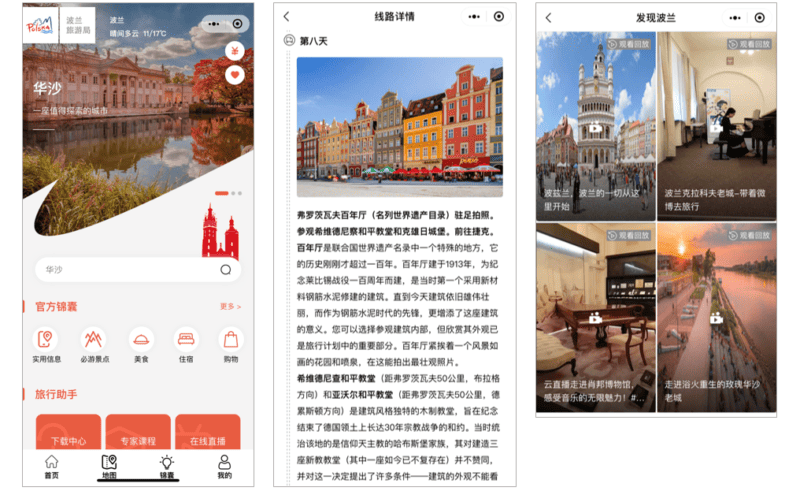
Case studies of successful implementation
One good example is Lancôme, a fancy makeup brand. They used WeChat mini-programs to win over Chinese shoppers. They sold out their hot-selling items in just minutes! The Japan National Tourism Organisation (JNTO) did the same thing, but with tourists instead of shoppers.
Using WeChat mini-programs helped them bring more Chinese people to visit Japan. More and more companies are seeing the big wins they can get from this smart move.
Both Travellers and businesses find value in these little apps within WeChat’s main app. It has changed how people make plans for their trips and pick where they want to go next. These fab cases show how tapping into social networks like WeChat makes a real change in wooing Chinese buyers and travellers.
Japan’s Strategy for Attracting Chinese Tourists
To lure in Chinese tourists, Japan underscores its rich cultural experiences and attractions. They strategically employ promotional campaigns and build partnerships that cater specifically to the Chinese tourist market.
Cultural attractions and experiences
Japan is using WeChat to share its rich culture with Chinese tourists. The aim is to spark their interest in our cultural spots and unique experiences. Japanese architecture, rituals, gardens, and tea ceremonies are a few features that we showcase on WeChat mini-programs.
By doing this, more travelers find out about what Japan has to offer for an enriching visit. So far, it’s working great as Japan is at the top of the list for China’s culture-seeking tourists!
Japan’s WeChat Mini-Program
As Japan continues to work towards recovering its pre-pandemic tourism levels, the Japan National Tourism Organisation (JNTO) is teaming up with various players in domestic aviation, retail, and hospitality sectors to introduce a fresh approach.
They are launching their own mini program named “观美日本” or “Appreciate Beautiful Japan” with the aim of engaging Chinese consumers. This mini program acts as a mobile catalog, resembling popular social media and native apps feeds like Instagram or Xiaohongshu, showcasing different aspects of Japanese culture.
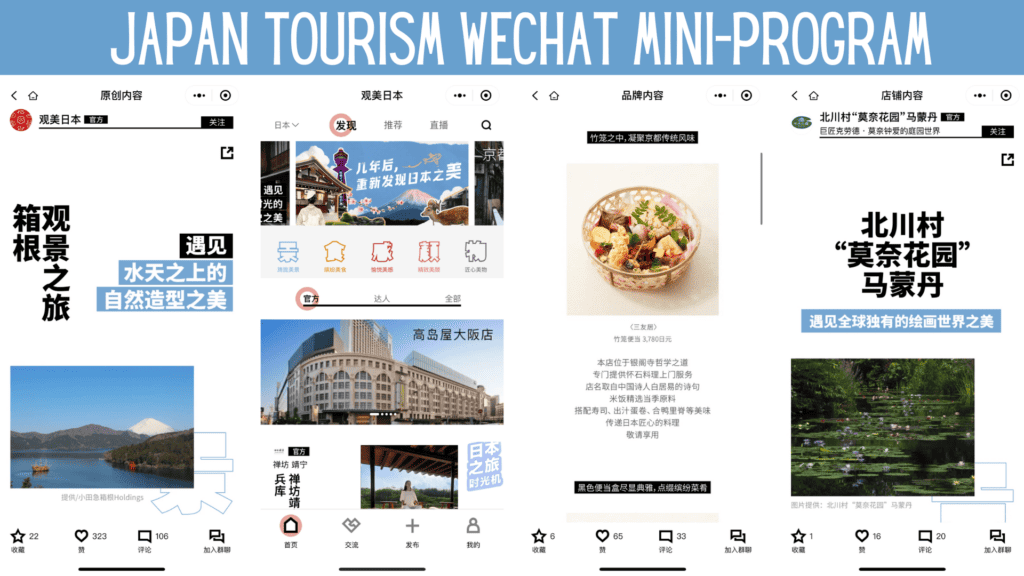
Divided into five categories – food, sensory experiences, handicrafts, cosmetics, and scenery – users can easily explore and filter content from their WeChat account. Whether it’s official promotions from partner companies or user-generated insights from experts, users can switch between various perspectives. Notable names like Shiseido, Hoshino Resorts, and Japan Airlines are part of this initiative.
At present, Chinese tourists’ visits to Japan are at about 20% of pre-pandemic levels due to travel restrictions. This mini-program serves as a way to pique interest and bridge connections between Chinese tourists and Japan’s rich cultural offerings, even amidst the ongoing challenges.
Promotional campaigns and partnerships
I want to talk about promotional campaigns and partnerships. These play a key role in attracting Chinese tourists to Japan.
- The Japan National Tourism Organisation links with other companies. These groups work in fields like air travel, stores, and places to stay.
- They recently started a WeChat mini-program together. This tool will show off Japan to people who live in China.
- They hope this new idea will make Chinese tourists more excited.
- A WeChat mini program grabs the attention of people online in China. It can turn these users into customers.
- The goal is to sell Japan’s charm points to Chinese visitors through WeChat mini programs.
- Techniques like using local ads and support for many languages help draw in Korean sightseers.
- In doing so, businesses hope that Chinese tourists will be more eager to see what Japan has to offer.
Integration with payment systems
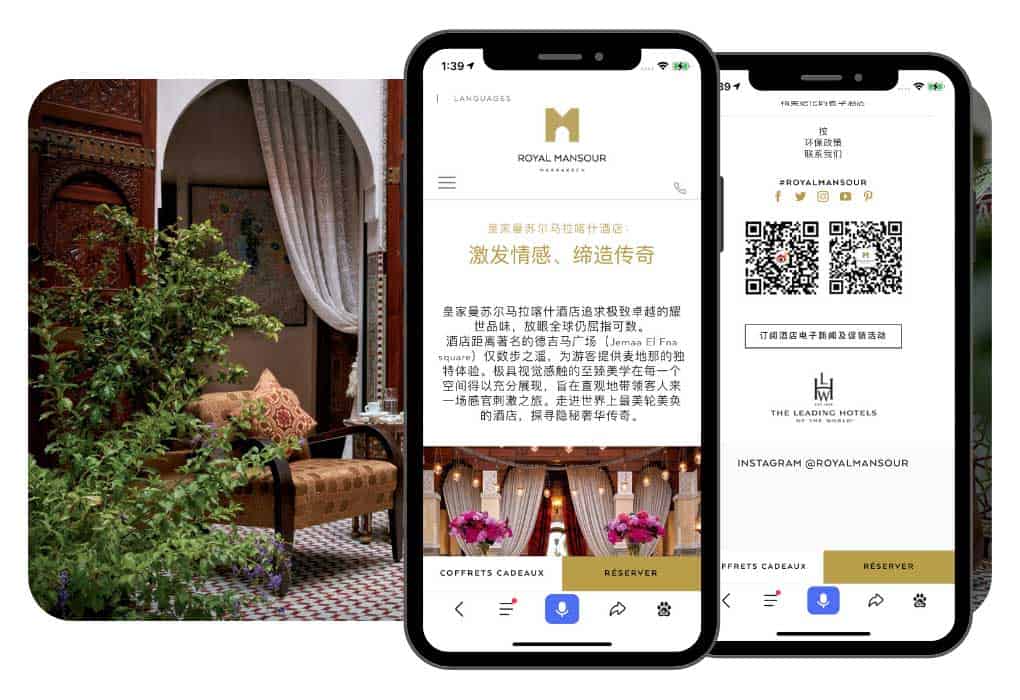
WeChat mini-programs make paying easy. No need to change apps or carry a wallet. They have the power to do all kinds of transactions right inside WeChat Pay. All your buying needs are met with just a few taps on the screen, like magic! This key feature turns WeChat into much more than just an app for chats and calls.
It’s now a full-on shopping platform where you can buy things without ever leaving the app! It sure makes life as a tourist in Japan less stressful and way more fun!
Elevate Your Travel Business with Our Expertise
Searching for a partner to seamlessly blend your travel offerings with the power of WeChat mini-programs? Look no further than Gentlemen Marketing Agency.
Our extensive experience in both the tourism sector and WeChat marketing uniquely positions us to craft innovative and engaging mini-programs that cater specifically to your target audience.

Here’s why choosing us ensures you’re making the right decision
- Tourism Industry Acumen: Our years in the tourism sector have given us unparalleled insights into what travelers seek. We translate this knowledge into mini-programs that resonate with your audience and drive conversions.
- WeChat Wizards: With a deep understanding of WeChat’s capabilities, we specialize in developing mini-programs that seamlessly integrate with the platform’s dynamics, ensuring an optimal user experience.
- Tailored Excellence: We recognize that your travel business is unique. Our team designs bespoke mini-program solutions that align perfectly with your brand, ensuring a cohesive digital journey for users.
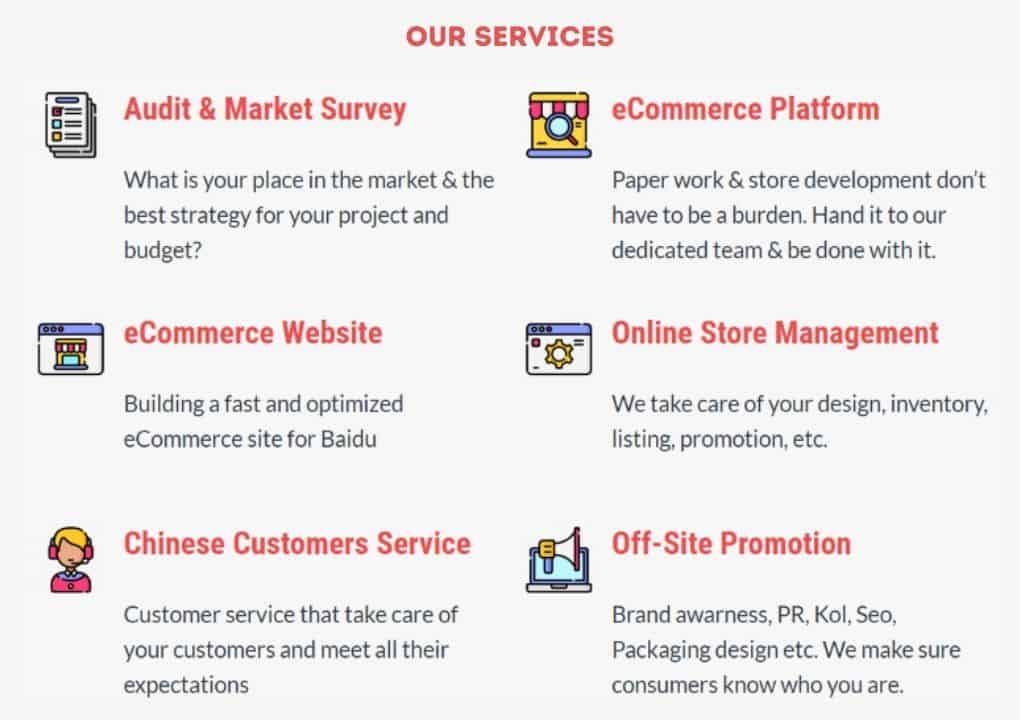
- Comprehensive Expertise: From design and development to marketing strategies, our cross-functional team covers all aspects of mini-program creation, resulting in a holistic and impactful solution.
- Market Insights: Staying ahead of market trends, we infuse innovation into your mini-program, creating a competitive advantage that resonates with the preferences of Chinese tourists.
- Results-Driven Approach: Our strategies are data-backed and goal-oriented. Whether it’s increased bookings, heightened brand visibility, or user engagement, our focus is on achieving measurable success.
Embark on a journey of digital transformation with Gentlemen Marketing Agency. Together, let’s harness the potential of WeChat mini-programs to propel your travel business into the hearts and minds of Chinese tourists. Contact us and let’s get started!