Brands should REALLY be carreful about their Social Media communication
In China’s digital consumer market, your social media presence isn’t optional. It’s the difference between existing as a brand and not existing at all. I’ve seen this play out dozens of times: a foreign company with a good product, no Chinese social presence, and zero results. The product isn’t the problem.

Here is why brands need to take their social media communication in China seriously, and what happens when they don’t.
Why Social Media Matters in China (2026)
1. No Social Presence = Invisible Brand
If you’re not on Douyin, Xiaohongshu (RED), or WeChat, Chinese consumers simply won’t find you, and won’t trust you.
“你不存在” — “You don’t exist.”
Gen Z and millennials won’t buy from a brand they can’t look up online. Before any purchase decision, they search. If the results are empty, they move on to someone else.

2. Poor Communication = Cheap Brand Image
- Low-quality visuals, awkward translations, or off-brand tone damage your image instantly.
- In China, brand perception spreads fast and visually. If your aesthetic is wrong, consumers assume: “Cheap product.” “Taobao knock-off.” “Not worth my time.”

3. Social Media is Your Crisis Management Tool
- When something goes wrong (delayed delivery, a negative review, a misunderstood campaign), silence makes it worse. Chinese consumers will fill the gap with their own interpretation.
- If you’re active and responsive on RED or WeChat, you can address problems quickly, explain what happened, and control how the story lands.
4. Social Media Drives Sales, Not Just Awareness
In China, the sales funnel runs through social:
- RED = Trust and purchase intent
- Douyin = Discovery and direct conversion
- WeChat = Loyalty and repeat purchases
Many young consumers never browse Tmall directly. They see a product on RED or Douyin first, then click through to buy. If you’re not in that first step, you’re out of the purchase process entirely.
5. Gen Z Only Buys What They Can Verify Online
- They don’t trust advertising. They trust reviews, KOL demos, and user-generated content.
- Before buying anything, they search: “Is this brand reliable?” “Real user review of [your product]?” “Unboxing?”
- If they find nothing, or worse, negative content with no brand response, they’re done.
6. Online Reputation Checks Take 90 Seconds
- Chinese consumers scan your RED presence, read comments, check Zhihu, and search for videos all within about 60–90 seconds.
- No posts, no product pages, no responses to comments? They skip your brand without a second thought.
Summary: What’s at Stake
| Risk | What Happens | What to Do Instead |
|---|---|---|
| No social presence | No trust, no sales | Be active on RED, Douyin, WeChat |
| Poor visuals or tone | Seen as low-end or untrustworthy | Invest in native content and proper branding |
| No crisis plan | One post can seriously hurt you | Monitor, respond fast, have a protocol |
| No influencer reviews | No social proof, no conversion | Seed KOLs and encourage UGC |
| Ignoring local culture | Backlash or public embarrassment | Localize content, hire people who know the market |
Real Examples of Brands Getting It Wrong
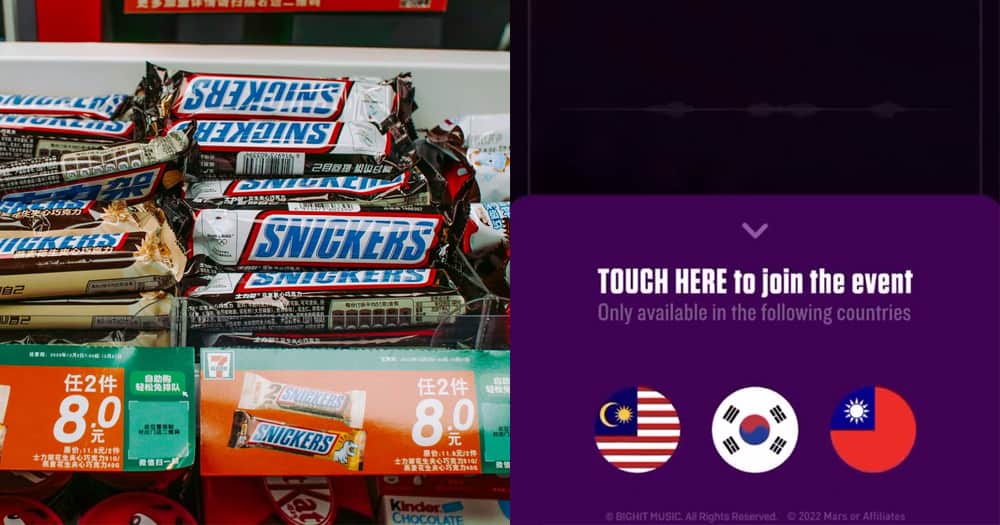
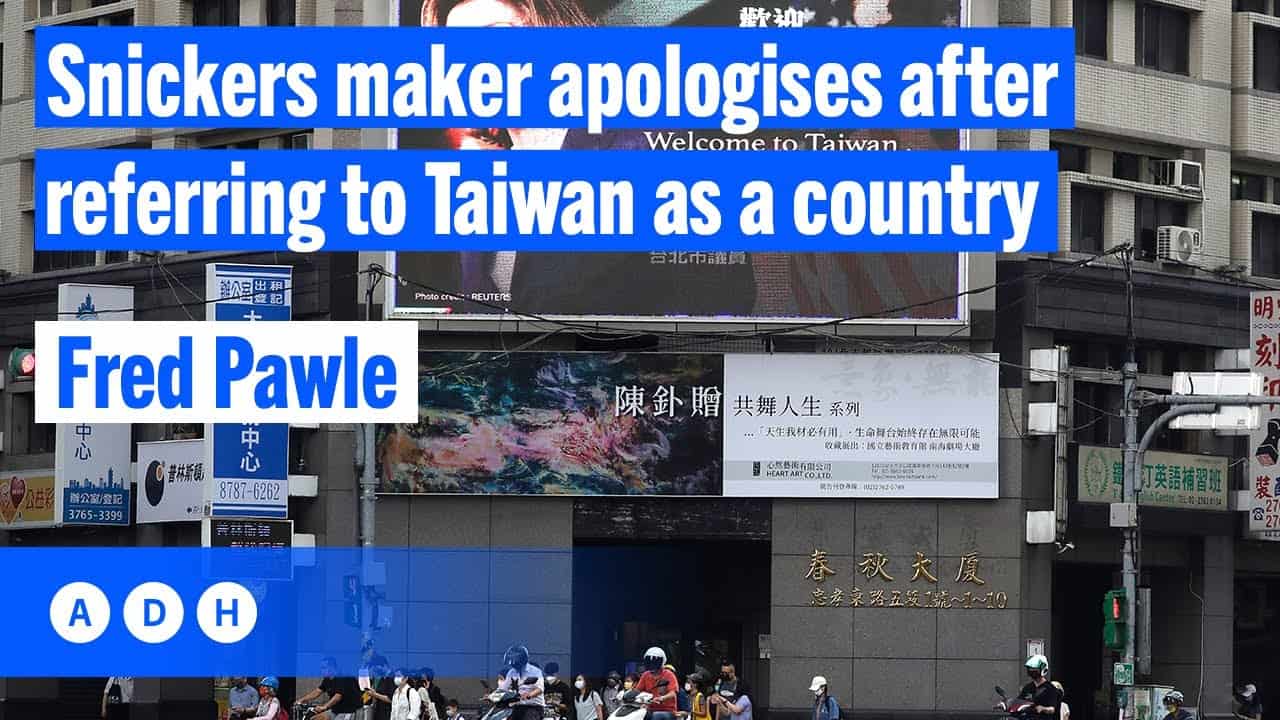
Mars Wrigley apologized publicly after a Snickers campaign referred to Taiwan as a country. The backlash was immediate on Weibo. The company issued a statement confirming it “respects China’s national sovereignty and territorial integrity” and asked its marketing team to review all official content. A second statement followed within hours.

Mars Wrigley is not alone. In 2019, Dior apologized for showing a map of China that excluded Taiwan. In 2018, Marriott had its Chinese website taken down for a week after a customer survey listed Taiwan, Tibet, and Hong Kong as separate from China. These are not small operational mistakes. They are branding crises with real commercial consequences.
Social Media in China: What Actually Drives Results
Chinese people spend more time online than almost any other population. Brands that understand the platforms and use them correctly see measurable results. Those that treat it as a secondary channel or a translation exercise do not.
Content is the foundation of every social media strategy in China. Not paid ads. Not follower counts. Content that is relevant, visually clean, and culturally on point. This is what gets shared, saved, and trusted.

GMA Services: Douyin, RED, and WeChat Marketing
At GMA (Gentlemen Marketing Agency), we help brands get their social media presence right in China from the start:
- Douyin: Content strategy, KOL seeding, and paid campaigns to drive brand discovery
- Xiaohongshu (RED): Account management, influencer collaborations, and community building to generate trust and conversion
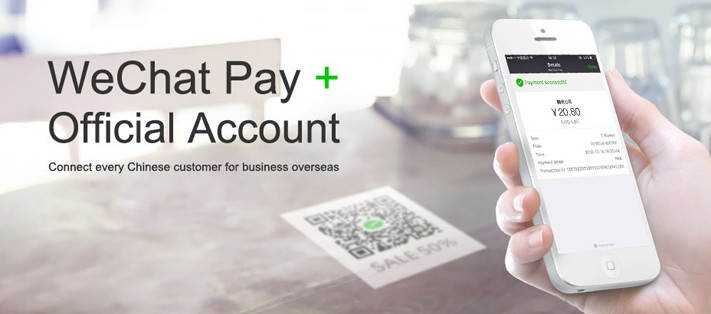
- WeChat: Official account setup, crisis communication protocols, and ongoing relationship management
If you’re building your China presence or dealing with a brand reputation issue, contact us and we’ll walk you through what needs to happen.

Oliver Verot is the founder of GMA (Gentlemen Marketing Agency), a Chinese digital marketing agency based in Shanghai. He has been advising international brands on Chinese social media strategy since 2012.