Dior in China under a E-reputation attack

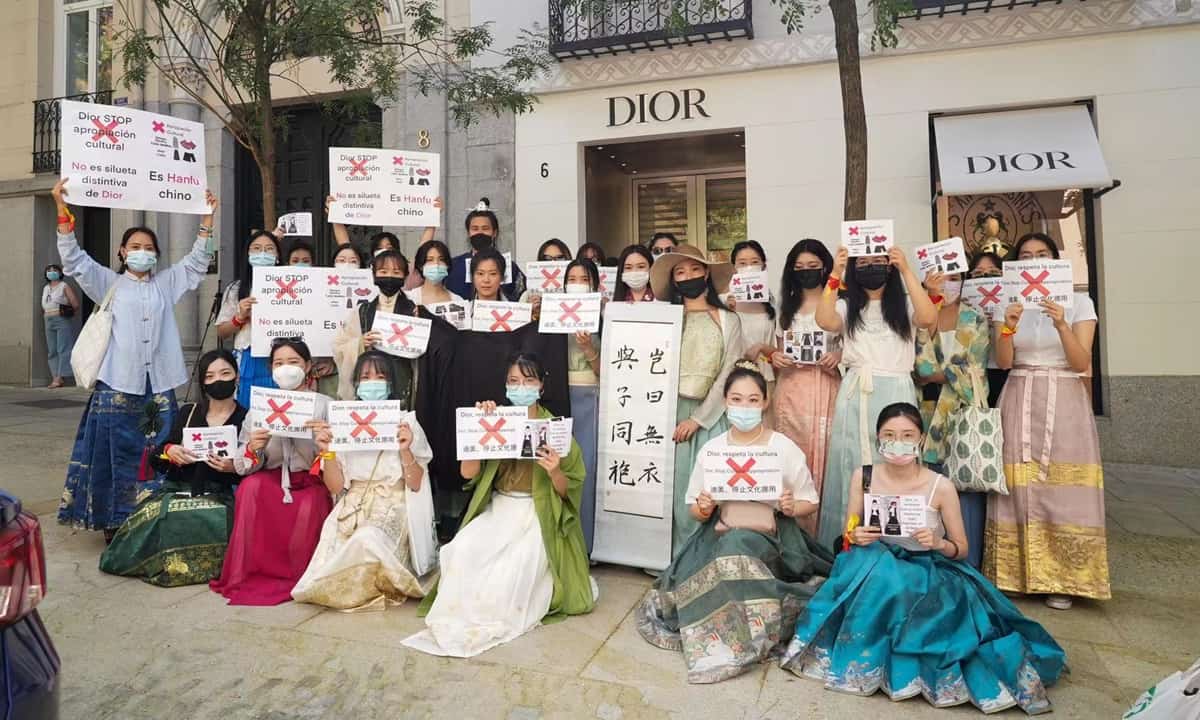
In 2022, Dior faced two consecutive cultural appropriation controversies in China within months of each other. The first involved a horse face skirt (马面裙) that netizens accused Dior of copying from traditional Chinese fashion without credit. The hashtag #ChineseStudentsinParisProtestAgainstDiorCulturalAppropriation accumulated over 440 million cumulative views on Weibo. The second involved the Fall 2022 “Jardin d’Hiver” collection, accused of imitating traditional Chinese flower and bird painting patterns. The related hashtag reached 3.5 million views. Dior provided no official public response to either controversy. By 2025, China’s luxury market was worth approximately $73 billion. Dior remained one of LVMH’s strongest performers there. The story raises a question that every Western luxury brand operating in China needs to answer: how do you use Chinese cultural references without triggering the backlash that increasingly vocal Chinese consumers are willing to launch?

What Happened With Dior and Why It Matters

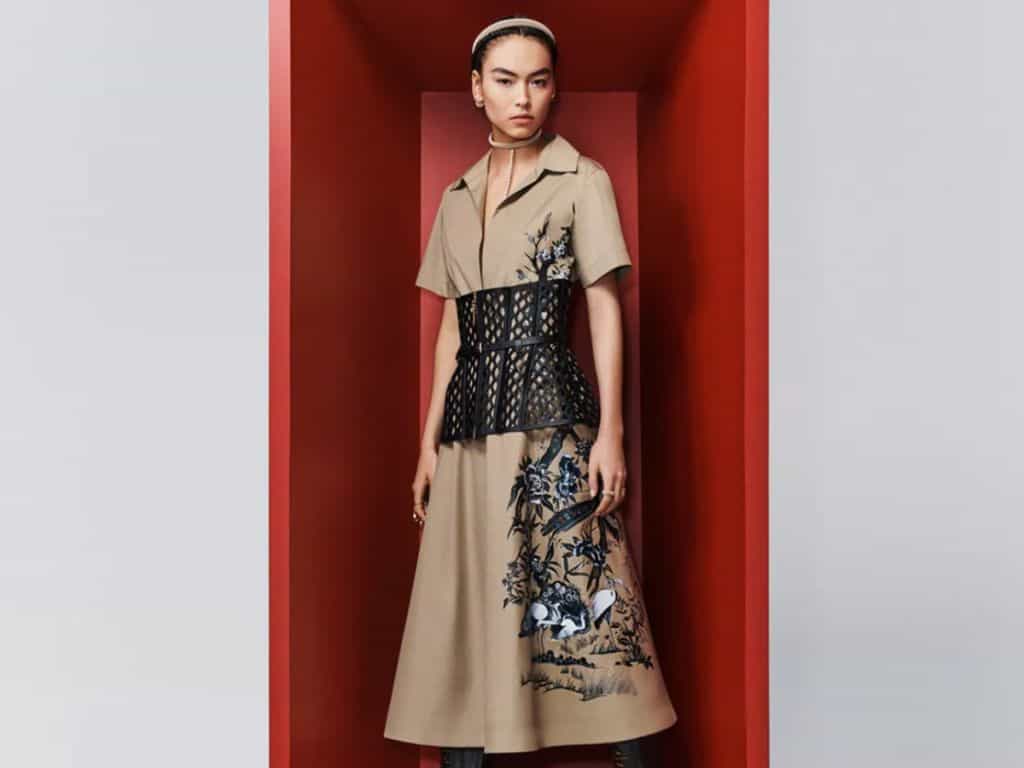
The horse face skirt controversy is the clearest example. Chinese netizens argued that Dior presented a silhouette drawn directly from the traditional pleated skirt worn in Chinese fashion for centuries, described it on the official website as “a new Dior signature silhouette,” and gave no cultural attribution. The problem was not that Dior drew inspiration from Chinese design. The problem was the framing: calling it new and Dior’s own, when Chinese consumers immediately recognized it as their cultural heritage.

As a People’s Daily opinion piece noted, “Copyright experts should join the discussion and use this incident as a springboard to explain the limits between plagiarism and citation, citation and homage.” Chinese consumers are not asking Western brands to stop engaging with Chinese aesthetics. They are asking for attribution, respect, and honesty about where the inspiration comes from.

Dior was not alone. Between 2022 and 2025, Coach, Givenchy, and several other Western luxury brands faced similar accusations in China. Each case followed a similar pattern: Chinese aesthetic element used, Western brand presented as original, social media backlash, brand silence, continued sales at reduced rate.

The Dual Reality: Backlash and Sales

The interesting fact about Dior’s China controversies is that sales continued. China accounts for a significant share of LVMH’s global revenue. Luxury consumers in China are not a monolith. Many who participated in the online backlash continued purchasing Dior products in other categories. The vocal critics represented a specific demographic. The brand’s core buyers in China often made purchase decisions separately from social media sentiment.

This duality is important for brands to understand. A social media crisis in China can damage brand perception significantly, but it does not necessarily collapse sales immediately. The damage tends to accumulate over time: younger consumers, who represent the future of luxury spending in China, develop negative associations with brands that repeatedly fail to handle cultural sensitivity well. The backlash today is an investment by Chinese consumers in the brands that will dominate their purchasing in 10 years.

China’s Cultural Confidence in 2026

The Dior controversies happened against a backdrop of rising Chinese cultural confidence. The guochao movement, where Chinese consumers actively choose domestic brands as expressions of national identity, has given Chinese buyers a stronger sense of ownership over their cultural heritage. By 2025, domestic Chinese luxury and fashion brands had become genuinely competitive alternatives to Western houses for consumers aged 25-40.

This means the stakes for cultural appropriation incidents have risen. In 2015, a Chinese consumer might notice an appropriation and move on. In 2026, that same consumer has multiple domestic luxury alternatives, a social media platform with 600 million users, and a peer network that shares and amplifies cultural criticism at speed. The cost of getting it wrong is higher because the Chinese consumer’s exit options are better.

E-Reputation Risk for Western Luxury Brands in China

Brand Controversy Type Weibo Views / Engagement Response
Dior (2022 horse face) Cultural appropriation of traditional skirt 440M cumulative hashtag views No official comment
Dior (2022 Fall collection) Copying traditional painting patterns 3.5M hashtag views No official comment
D&G (2018) Condescending chopstick video + founders’ messages Mass boycott, platform product removal Delayed, inadequate apology
General pattern Chinese element used without attribution Varies but fast and large Silence compounds damage

How Western Brands Should Handle Chinese Cultural References

The principles are straightforward, though consistently ignored:

Attribution is not weakness. If a design draws from Chinese cultural heritage, saying so explicitly is a strength, not a liability. It demonstrates respect and knowledge. “Inspired by the traditional horse face skirt worn across Chinese court fashion for centuries” would have prevented Dior’s crisis entirely.

Silence after a controversy accelerates the damage. Dior’s choice not to respond left Chinese netizens and media to frame the narrative entirely. A brand that acknowledges the concern, commits to reviewing its attribution practices, and explains its perspective controls the conversation. A brand that says nothing cedes that control permanently.

Involve Chinese cultural experts before launch. Both of Dior’s 2022 controversies were predictable with basic due diligence. A Chinese cultural consultant reviewing the “Jardin d’Hiver” collection before launch would have caught the painting technique issue in hours. This is a product development process issue, not a communications issue.

How to Build E-Reputation Resilience on Xiaohongshu (RedNote)

1. Establish a consistent, respectful brand voice before a crisis hits. Brands that have a track record of genuine cultural engagement on Xiaohongshu are given more benefit of the doubt when a controversy arises. A history of posts showing real knowledge of and respect for Chinese culture provides context that a brand with no Chinese social presence cannot claim.

2. Monitor Xiaohongshu for early warning signals. Cultural appropriation controversies typically start small: one post, one thread, one shared image. Brands that monitor relevant keywords and respond or adjust before the discussion reaches Weibo scale can prevent most crises from becoming mainstream news.

3. Post about Chinese cultural heritage in your brand’s area sincerely. A fashion brand that posts about Chinese textile history, craftsmanship traditions, or regional design heritage over time builds a genuine cultural relationship with Chinese audiences. This is not defensive positioning. It is authentic engagement that makes the brand part of a cultural conversation rather than a threat to it.

How to Build E-Reputation Resilience on Douyin

4. Short videos featuring Chinese cultural collaborators, not just Western designers interpreting Chinese aesthetics. The most credible China cultural content from Western luxury brands involves Chinese designers, historians, or artisans as genuine co-creators, not as set dressing. A Douyin video where a Chinese textile expert explains the cultural context of an element the brand is working with tells a different story than a Western creative director’s interpretation alone.

5. Create rapid response content capability in Mandarin. When a controversy starts on Chinese social media, the relevant communication happens in Mandarin, at Chinese social media speed, on Chinese platforms. A brand that can only respond in English through a PR agency cannot communicate at the pace the situation requires. In-house Mandarin capability or a China-based agency on standby is a requirement for any brand serious about China.

Example Found on Chinese Web (Translated)

“I don’t want Dior to stop using Chinese aesthetics. I want them to say so. Tell me they were inspired by our history. I would love that. What I won’t accept is being told it’s a new Dior design when I can see my grandmother’s skirt on the runway. The disrespect isn’t the inspiration. It’s the erasure.”

— Weibo post from a Chinese fashion student, August 2022, in a thread about the Dior horse face skirt controversy

FAQ

What was the Dior cultural appropriation controversy in China?
In 2022, Dior faced accusations over a horse face skirt presented as an original Dior design (drawing from centuries-old Chinese fashion tradition) and over Fall 2022 collection pieces allegedly copying traditional Chinese painting patterns. Neither controversy received an official Dior response. Both generated millions of views on Weibo.

How should a Western brand respond to cultural appropriation accusations in China?
Respond quickly, acknowledge the concern specifically rather than generically, explain the design process and sources, commit to clearer attribution going forward. Silence is the worst response. An honest, specific acknowledgment, even imperfect, performs better than no response with Chinese social media audiences.

Can a brand recover from a cultural appropriation scandal in China?
Yes. D&G’s ongoing China business after its 2018 crisis, and Dior’s continued strong sales despite two 2022 controversies, show that Chinese luxury consumers make nuanced purchase decisions. Recovery requires consistent, genuinely respectful engagement over time, not a single apology. The damage to younger consumer cohorts is longer-lasting than the damage to existing brand loyalists.

How can brands prevent cultural appropriation issues in China before launch?
Involve Chinese cultural consultants in the design and description process. Review all cultural references before they become public. Establish internal guidelines for how Chinese cultural elements can be used and attributed. The incidents are preventable with basic process changes.

We track brand reputation trends and consumer sentiment in China on our LinkedIn page. Follow us for regular updates on what Chinese consumers are reacting to.

Your Brand’s China Reputation Is Built or Broken in Mandarin

The Dior story is a practical warning with a practical solution. Brands that understand Chinese cultural sensitivities before they show up in a product, that can communicate in Mandarin at Chinese social media speed, and that build genuine cultural credibility over time face a fundamentally different risk profile than those that treat China as just another export market. We help Western brands build the cultural knowledge, platform presence, and rapid response capability they need to protect and grow their reputation in China. If you want to avoid being the next case study in Chinese cultural appropriation controversies, let’s talk before the launch, not after the crisis.

Contact us to build a China brand reputation strategy that holds up under pressure.


Pedro Wang is the founder of Chinese Tourist Agency, with 15 years of experience helping Western luxury and fashion brands navigate the Chinese market, including reputation management, cultural positioning, and crisis communication in Mandarin.

Similar Posts

Leave a Reply

Your email address will not be published. Required fields are marked *