Problems of Brand with their Online distributor in China
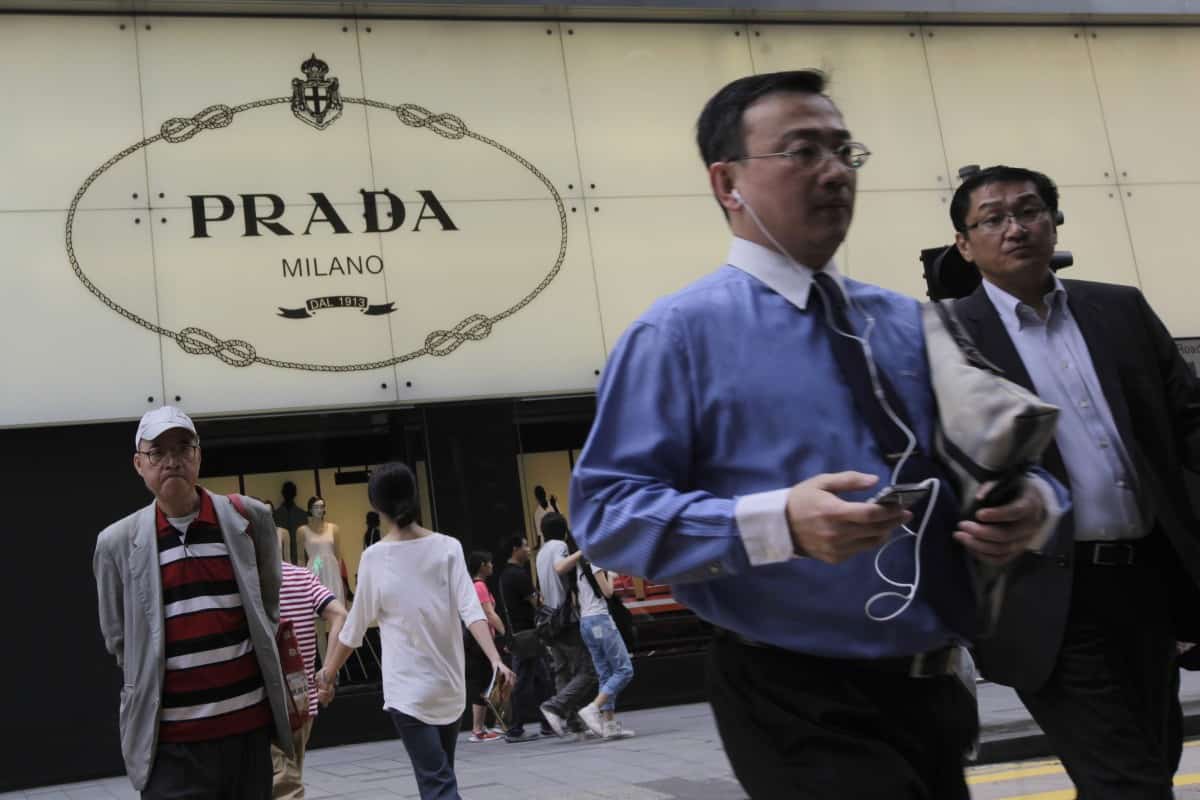
After successfully suing Chinese online luxury retailer Secoo, Prada’s Shanghai branch was able to freeze $1.63 million (11 million RMB) in Secoo’s assets. This stems from disagreements over a contract with Prada and Miu Miu for 2019 that gave Secoo the right to sell those brands. Public documents reveal that, in addition to the dispute with Prada, Secoo has multiple contract disputes with other companies and over a thousand active complaints on the consumer rights protection platform Black Cat.
Founded in 2008, Secoo was one of the first luxury resale sites in China, managing to outlive most of the competing sites launched around the same time. In September 2017, Secoo was listed on Nasdaq, billing itself as the top choice for luxury e-commerce in China.
It has been difficult for Secoo to make the shift from a platform focused solely on luxury resale to one that also caters to a broader lifestyle and direct retail. There isn’t the marketing muscle behind it to attract customers from a wide variety of social media and e-commerce sites because it isn’t owned by a conglomerate like Alibaba or JD.com. Moreover, the retailer is being challenged by rising levels of competition in its core business, and its foray into livestreaming has not prevented sales declines.
The Shanghai company has had a number of financial issues in recent years, including penalties for deceptive advertising, the failure to pay tens of millions of RMB to more than two hundred vendors, and the nonpayment of wages to hundreds of employees. Due to Secoo’s poor performance, CEO Li Rixue considered delisting the company from the Nasdaq in January 2021 and taking it private. Sales for the year amounted to $460 million (3.13 billion RMB), down 48% from the previous year, while the net loss amounted to $83.8 million (566 million RMB), up 547.1% from the previous year.
What are the benefits of working with a distributor in China?
- Chinese Distributors have a network
- Can help with regulation and paperwork
- Distribution is taken care of, you can focus on other aspect of your business.
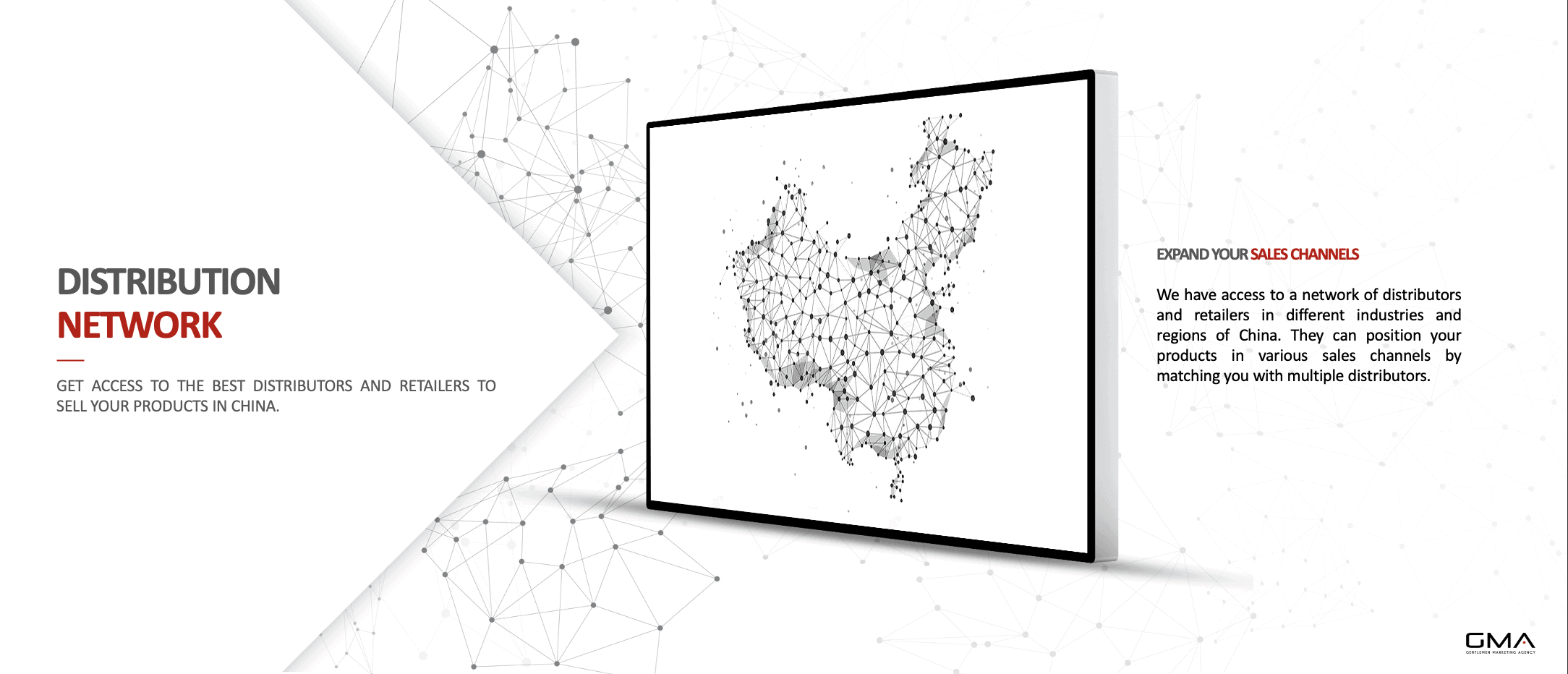
Working with a distributor in China can help you save money and time. If your products require certification, they will have to be certified by the Chinese government for safety before being sold domestically or exported abroad – this is an expensive process which many businesses are not willing to go through on their own. Partnering up with one of our distributors means that all certifications may already be completed. All you need do is ship them over once finished, and we’ll take care of the rest at no additional cost.
Also, for many reasons, there are benefits to working with a distributor in China, like trustworthiness and knowledgeability. It is thus more beneficial to work with distributors in China rather than trying on your own because you won’t be stuck if something goes wrong or doesn’t go according to plan. Moreover, our distributors have all been selected and are trustworthy.
The difficulties of dealing with Chinese distributors
- Hard to reach out to them with no network – mass mailing does not work
- Strong competition from locals and internationnal supplier
- Distributors are looking for the best deal, they are not your friend and want to make moeny
- Distributors look for easy brands/products to sell – they are not interested in marketing products
- Lack of clarity with their process
The first issue you’ll encounters when looking for distributors in China is the competition. You are not the only one looking to sell your product into china, and distributors are aware of that and will leverage this knowledge to their advantage. That is why you need to set yourself apart from your competition.
Brands need to know that some Chinese distributors are not invested in the long-term success of a product. They sell what is popular now, and will abandon it when trends change. Retailers who care about brands should work with them on branding for future sales potentials before distributing any products.
On the one hand, a distributor will almost never take the risk of putting forward a brand that hasn’t been proven profitable. He’ll choose an already profitable brand to make sure he can generate profit for himself quickly. As mentioned above, they are not lacking choice.
On the other hand, for foreign entrepreneurs just starting out on their business journey in this competitive marketplace where long-standing competitors dominate the field, branding strategies, advertising campaigns both offline and online, social media KOLs will all be at your charge and the distributor will take care of these.
How to successfully work with distributors in China?
Over the years, though China’s import regulations and rules have eased up, even though it’s still a complicated and long process. Working with a local agent or distributor who can also take care of all administrative processes can also be extremely useful.
China is monitored all the imported products by an Automatic Licensing System administered by the Ministry of Commerce. Imported Products that are restricted require permits or licenses while some others, such as wastes or toxins, are banned. Inspection and certification processes in China are detailed and rigorous.
China’s booming consumer trend, financially stable market, and innovative approach make it a viable import destination but with some tricky procedures. If you want more information on a specific industry, do not hesitate to write to us, and our experts will contact you according to your business field.
You want to sell your products in China and you are looking for Chinese distributors? Contact us and our experts will help you!