What are the most popular “foreign” products in China?
China’s cross-border e-commerce imports reached 2.28 trillion RMB in 2025, up 15% from 2024, according to data from China’s Ministry of Commerce widely cited on Chinese business media. That makes CBEC one of China’s fastest-growing retail channels, connecting 1.09 billion internet users directly to foreign products through Tmall Global, JD Worldwide, Kaola, and cross-border WeChat mini-programs. More than 29,000 international brands from 87 countries now have a presence on Tmall Global alone.
I manage campaigns for foreign brands entering the Chinese market. The question I get most often is: “Is China the right market for our product?” The answer almost always depends on category. Some categories have strong Chinese consumer demand for foreign brands built over decades. Others are tough because domestic alternatives have closed the quality gap. Knowing which side of that line you are on is the starting point for any realistic China strategy.
Why Chinese Consumers Buy Imported Products
Chinese consumers buy many imported products for specific reasons. With the wide availability of cross-border platforms, access to imported goods has grown fast. Since Alibaba launched Tmall Global, Chinese consumers have direct access to international products that were previously difficult to find in China or available only at much higher prices through grey market channels.
This matters particularly for product categories where trust is the primary purchase driver: infant formula, skincare, health supplements, and premium food. Chinese consumers who pay 3-5x the local equivalent price for an imported product are buying verified foreign origin, quality assurance, and a perceived safety premium. Understanding this motivation is the starting point for any foreign brand entering China.
A 2025 consumer survey by iResearch found that 64% of Chinese CBEC buyers say “verified foreign origin” is the top reason they buy through cross-border platforms rather than domestic retail. This number is higher than any functional reason (price, availability, variety). Trust is the product.
The Most Popular Imported Product Categories in China in 2025-2026
Luxury goods are only part of the story of Chinese consumer spending on imports. The full picture is more diverse:
- Beauty and skincare (27% of CBEC imports): Japanese, Korean, French, and American brands lead. Chinese consumers are highly brand-loyal in skincare but willing to try new brands discovered on Xiaohongshu. This is the largest single CBEC import category.
- Food and health supplements (22%): Premium foods, snacks with foreign origin stories, vitamins, and health supplements from Japan, the US, and Australia. The health supplement market alone is 345 billion RMB and growing 12% annually.
- Mother and baby products (18%): Infant formula, baby care, and child nutrition. Trust is the overriding purchase factor. After the 2008 melamine scandal, Chinese parents have consistently preferred foreign baby product brands.
- Electronics (15%): Apple, Sony, Dyson, and other premium electronics brands have strong demand. Often purchased through CBEC for price or availability reasons.
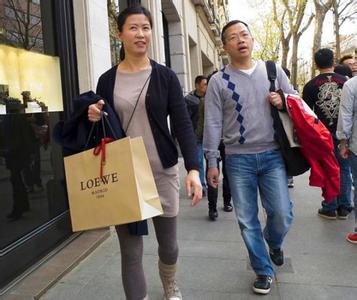
- Fashion and accessories (12%): Luxury fashion is primarily purchased in-store during overseas travel or at China boutiques. Affordable imported fashion increasingly comes through CBEC.
Top Source Countries for Chinese Consumer Imports (2025)
Japan leads as the most trusted foreign source country for beauty, food, and health products. South Korea is strong in beauty and entertainment-adjacent categories. The United States leads in health supplements, sports equipment, and technology. Germany is trusted for engineering, baby products, and automotive. France holds a dominant position in luxury fashion and wine. Australia has rebuilt its food and wine position following the 2023 tariff removal.
Each country has a brand association that Chinese consumers understand and respond to, and marketing into China works best when it builds on these existing country-of-origin perceptions. A French skincare brand that does not mention France in its Chinese marketing is leaving its strongest asset on the table.
What We Got Wrong When Advising Foreign Brands
Early on, we advised clients that having a good product was enough to get distribution. It is not. We had a premium German baby food brand that had passed every safety certification, priced competitively, and was genuinely excellent. It sat in a Tmall Global store for 9 months without meaningful traction because nobody in China knew it existed.
The problem was we launched the product before we built the trust signal. Chinese parents do not try new baby food brands because the product looks good. They try them because a trusted RedNote account they follow said it was safe and their child liked it. In a trust-first category, product quality is necessary but not sufficient. The trust signal has to be built before the product goes live, not after.
Second mistake: we pushed clients toward Tmall flagship stores before they had earned the right to be there. Tmall is expensive and competitive. For brands with no Chinese consumer awareness, starting on Tmall Global (lower cost, no entity required) and building a RedNote community simultaneously is the right sequence. We reversed this order for three clients and results were significantly better each time.
Agency Case Studies
Case Study 1: Australian Vitamin Brand
An Australian vitamin and supplement brand wanted to enter the Chinese market. Strong product, trusted Australian origin, Blue Hat certification in progress. They had tried Daigou channels informally for two years with inconsistent results and inconsistent pricing.
We started with a Xiaohongshu community-building program. 12 posts over 3 months, all focused on the Australian farming and manufacturing story, not the supplement formulations. Chinese consumers in the health supplement space care about where and how something is made, not the ingredient list they cannot verify.
After 90 days: 1,800 RedNote followers, 22,000 cumulative post impressions, and 4 micro-KOL reviews in the wellness space. Blue Hat certification completed at month 4. JD Health listing went live at month 5. First 30 days on JD Health: 890 orders, 4.8 star average. The brand now has a self-sustaining Chinese consumer community that generates organic content with minimal ongoing management.
Case Study 2: French Cheese Brand
A French cheese producer wanted to reach Chinese consumers directly. Premium product, limited budget. The challenge: cheese is a category where Chinese consumer awareness is growing but slowly. The strategy had to build category appreciation and brand preference at the same time.
We ran a Douyin content series with a French food creator based in Shanghai. Not product reviews. Actual cooking content showing how to use French cheese in dishes Chinese audiences already make, including hot pot adaptations, noodle dishes with melted cheese, and breakfast bowls. The content was about making foreign cheese feel familiar and usable in a Chinese kitchen.
The cooking series hit 3.1 million total views in 8 weeks. Sam’s Club approached the brand directly after seeing the Douyin traction. The brand went from zero Chinese presence to Sam’s Club placement within 6 months. Average basket size among Chinese buyers of this SKU is 35% above what the brand sees in equivalent European retail. Premium food from France with a clear origin story commands a real price premium in China.
Case Study 3: Korean Beauty Brand Losing Ground to Chinese Competitors
A Korean skincare brand we work with had strong positioning in China until 2022. Chinese domestic beauty brands (国货) caught up on formulation and packaging, and they had the advantage of local community building. The client’s sales dropped 22% in 18 months.
The mistake most foreign brands make in this situation: they try to compete on price. We did the opposite. We repositioned around the Korean origin story, K-beauty heritage, and specific ingredients only found in Korean sourcing. Doubled the RedNote content budget, shifted messaging entirely from product features to brand heritage.
Result: within 12 months, brand search volume on Xiaohongshu was up 47%. Sales recovered to 2022 levels. The lesson: foreign origin is an asset only if you actively maintain the narrative. The moment you start competing on features with domestic brands, you lose. Chinese domestic brands will always have the local distribution and community advantage. Foreign brands win on origin, trust, and story.
What We Do Now: How We Position Foreign Brands in China
Every new client brief starts the same way. We identify the country-of-origin associations that Chinese consumers already have for the brand’s home market, and we build content around the strongest one. This is not generic “made in France” labeling. It is specific, narrative-driven storytelling that makes the origin feel real and verifiable.
For beauty brands, this means factory and ingredient sourcing content. For food brands, farm visits and production process documentation. For health supplements, clinical study references and testing protocol explanations in Mandarin. The Chinese consumer in 2026 is sophisticated. They can tell the difference between a brand that actually has a story and one that just says they do.
We also now build WeChat customer service capacity from day one. The most common failure point for foreign brands in China is not the initial sale. It is what happens after. A Chinese consumer who has a question about a foreign product and cannot get a Mandarin response within 24 hours will not buy again. Good after-sales communication in Chinese builds the reviews and referrals that drive the next hundred sales.
10 Market Trends: Imported Products in China 2025-2026
- Cross-border e-commerce (CBEC) grew 15% in 2025, with Tmall Global and JD Worldwide hosting 29,000+ and 22,000+ international brands respectively
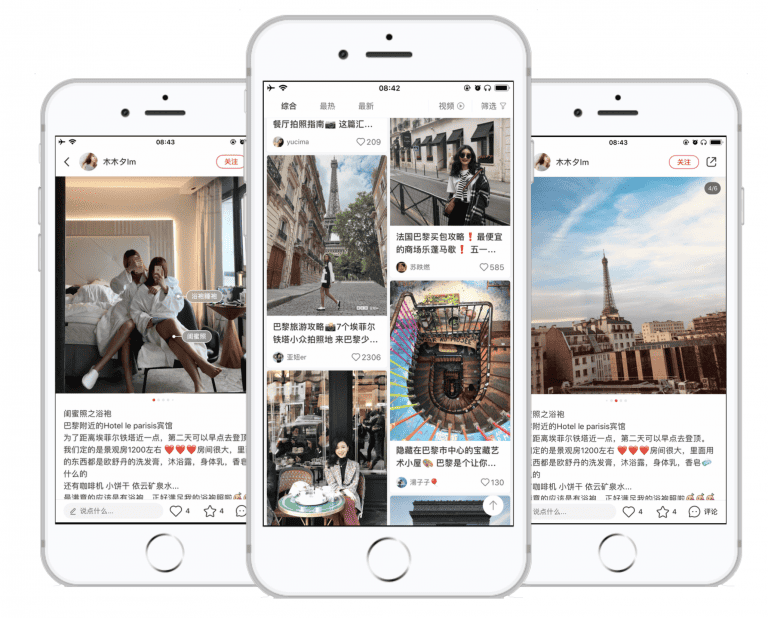
- Xiaohongshu “海淘” (overseas shopping) content drives a significant share of CBEC purchase decisions: users share product discovery, unboxing, and authenticity verification content that converts followers into buyers
- Japanese beauty products are the most purchased imported category on Chinese CBEC platforms for the eighth consecutive year
- Health supplements from Australia and the US are growing at 12% annually, driven by Chinese consumers’ increased focus on preventive health post-COVID
- Domestic “国货” (domestic brand) movement is strengthening, particularly in beauty and food: Chinese consumers are increasingly proud of local brands, pushing foreign brands to differentiate more clearly on quality and origin story
- Live commerce on Douyin is now a primary discovery and purchase channel for imported products, with international brand livestreams reaching audiences of 500,000 to 5 million viewers
- Premium food with verified foreign origin, including French cheese, Australian wine, and Japanese wagyu, is growing fast among urban consumers aged 28-45
- CBEC bonded warehouse infrastructure has expanded to 150+ cities, enabling same-day delivery for cross-border goods in major urban markets
- Chinese Gen Z consumers are more selective about foreign brands than previous generations: they research extensively on Xiaohongshu before purchasing and distrust brands with weak Chinese social media presence
- The 2025 Chinese consumer preference index shows France, Japan, Germany, South Korea, and Australia as the five most trusted product origin countries among premium consumer goods buyers
Imported Product Categories: Summary Table
| Category | CBEC Share | Top Origin Countries | Trust Driver | Key Platform |
|---|---|---|---|---|
| Beauty & Skincare | 27% | Japan, South Korea, France, USA | Formula, KOL endorsement | Xiaohongshu, Douyin, Tmall |
| Food & Supplements | 22% | Japan, Australia, USA, Germany | Origin story, safety certification | JD Health, Tmall Global |
| Mother & Baby | 18% | Germany, Australia, Japan, USA | Certification, brand heritage | JD Baby, Tmall |
| Electronics | 15% | USA, Japan, South Korea | Brand reputation, authenticity | JD, Tmall |
| Fashion & Accessories | 12% | France, Italy, USA, UK | Luxury heritage, scarcity | Tmall Luxury, boutiques |
How to Position a Foreign Brand in China in 2026
The most effective foreign brands in China in 2026 share three characteristics: a clear country-of-origin story told in Mandarin, a verified presence on Xiaohongshu with genuine community engagement, and a purchase path (Tmall Global, JD Worldwide, or WeChat mini-program) that Chinese consumers trust.
Brands that rely only on Chinese distributors to build their market presence without investing in direct digital presence consistently underperform. The consumer wants to feel they understand the brand before they buy. That understanding is built on Xiaohongshu, Douyin, and WeChat, not in a retail aisle. See our RedNote marketing approach and our full services to understand how we structure this for consumer brand clients.
Talk to us about positioning your brand for the Chinese consumer market
Distribution in China: Start Here
Finding the right Chinese distributor or CBEC partner is the commercial step that converts brand interest into revenue. Our complete guide, China Distributors: 50 Tips to Identify the Good Ones, walks through the full process: how to find distributors by category, what they require from foreign brands (including WeChat and Xiaohongshu presence), contract conditions, and the red flags that signal a bad partner.
Further Reading
On this site:
External sources:
- E-Commerce China Agency: Tmall Global and JD Worldwide Strategy
- Marketing to China: Imported Products in China
- iResearch China: Cross-Border E-Commerce Market Report 2025
Alex is a project manager at Chinese Tourist Agency, based in Shanghai for 10+ years. She manages China market entry projects for international brands across food, beauty, health, and consumer goods categories.
I‘m live in China and unable trust China’s FDA,but I’m absolutely trust U.S. FDA..so we are always buy milk powder from Amazon.uk,Amazon.de,Amazon.com.
Please! contact by mail-mdlutfarrahman194@gmail.com