
Chinese Tourists in Mauritius: The Complete Guide to This Luxury Island Market in 2026
Mauritius punches above its weight in every metric that matters to the Chinese luxury travel market. The island is small. The airport is well-connected. The resorts are world-class. The beaches are consistently ranked among the best on the planet. And for Chinese HNWI travelers who want something that is neither crowded nor cliched, Mauritius delivers precisely the combination of luxury, remoteness, and prestige that drives booking decisions at the top end of the market.
Chinese Tourism to Mauritius: The Current Reality

Mauritius depends heavily on European tourism, particularly French visitors for whom the island’s Francophone identity creates a natural affinity. But the Chinese market has been growing steadily, with Mauritius offering visa-on-arrival for Chinese passport holders, which removes a key barrier that discourages Chinese travelers from considering less-familiar destinations.
Chinese arrivals to Mauritius have recovered post-pandemic, driven by FIT luxury travelers rather than group packages. The typical Chinese visitor to Mauritius is a couple or a small family group, aged 30 to 50, booking a resort stay of 7 to 14 nights. This is the highest-value tourist profile an island destination can attract.

What Draws Chinese Luxury Travelers to Mauritius
The underwater visual. Mauritius’s turquoise lagoons photograph in a way that immediately signals premium travel. A single Xiaohongshu post from a Chinese traveler in an overwater bungalow at Le Morne generates consistent engagement and saves. The island’s visual signature is one of its most powerful marketing assets with Chinese social media audiences.
The French connection. Like Tahiti, Mauritius carries the aspirational value of French culture in a tropical setting. Chinese luxury consumers understand and respond to French-influenced luxury positioning. The combination of French cuisine, French-speaking staff options, and French resort aesthetics creates a premium context that resonates.
The exclusivity signal. A Chinese traveler who has been to Maldives, Bali, and Phuket looks for something that signals a step up. Mauritius is less familiar in the Chinese market than those destinations, which means choosing it signals sophistication and genuine travel experience.
How Mauritian Tourism Businesses Can Activate the Chinese Market
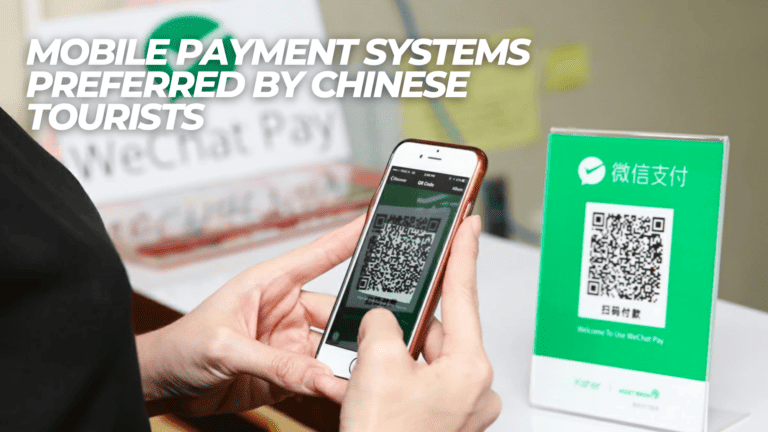
- Ensure WeChat Pay and Alipay acceptance across all resort touch points: restaurants, spa bookings, excursions, and retail. Chinese HNWI travelers at luxury resorts expect seamless payment.
- Create Xiaohongshu content that specifically targets the “Mauritius vs Maldives” search behavior. Chinese travelers actively compare these two destinations. Content that honestly positions Mauritius’s advantages (more cultural depth, European cuisine quality, diversity of experiences beyond the beach) converts well.
- Build relationships with Chinese luxury travel concierge services. The ultra-high-net-worth Chinese traveler books through curated services, not OTAs. Direct B2B relationships with these agencies are essential.
- List on Ctrip with a premium hotel profile. Strong Ctrip visibility with high-quality photography and detailed Mandarin descriptions drives bookings at the mid-to-high luxury level.
Pedro’s Take
Mauritius is where you go when you have done everywhere else. That positioning is perfect for the segment of Chinese travelers who are on their fifth or sixth international luxury trip and are genuinely running out of obvious options. Communicate that positioning on Chinese platforms in a way that makes Mauritius feel like the destination that proves you know what you are doing as a traveler. That is a powerful message for an audience that values travel sophistication as a social signal.
(Here is the joke: A Chinese couple lands in Mauritius. First thing they do is take twenty photos of the lagoon from the airport. The photos go on Xiaohongshu. 8,000 saves in 24 hours. The Mauritius Tourism Board spent zero on that content. The couple spent fifteen thousand euros at the resort. This is the power of the right guest in the right destination with the right phone.)
FAQ
Do Chinese tourists need a visa for Mauritius?
Chinese passport holders receive a visa on arrival for Mauritius for stays up to 90 days. This is one of the most generous visa policies for Chinese travelers among island luxury destinations.
How do most Chinese tourists reach Mauritius?
Chinese visitors to Mauritius typically route via Dubai, Singapore, or Hong Kong. Air Mauritius and several major carriers offer connecting service from major Chinese cities.
About the author: Pedro Wang is the founder of Chinese Tourists Agency, helping Indian Ocean luxury destinations build their Chinese market strategy. Contact Pedro Wang to activate Chinese tourism in Mauritius.
Ready to attract Chinese luxury travelers to your Mauritius property? Chinese Tourists Agency builds the strategy and the pipeline.




I would like to launch a business of travel agency in Mauritus, for Chinese tourists, how can you help me?
How much money should I invest?