How To Market Travel Accessories To Chinese Tourists
Navigating the complexities of the Chinese tourist market can seem quite intimidating. Believe me, I understand that feeling all too well! Yet with China currently accounting for a whopping 13% of worldwide tourism expenditure, cracking this lucrative market is all about mastering how to effectively market your travel accessories.
The depth of research I’ve plunged into and the analysis of ongoing trends have been enlightening in this regard. So, are you geared up to unlock hidden avenues for new revenue? Trust my insights – they could be just what you need!
Key Takeaways
- Chinese travelers have diverse age groups, income levels, and interests, so it’s important to tailor marketing strategies for different segments.
- Popular destinations for Chinese travelers include Japan, South Korea, Thailand, France, Italy, Germany, the USA, and Australia.
- Utilize popular Chinese social media platforms like WeChat and Weibo to engage with potential customers and promote travel accessories.
- Offering localized services and multilingual support can enhance the experience of Chinese travelers.
- Partnering with Chinese travel agencies and influencers is a key marketing strategy to reach Chinese travelers effectively.
- Managing online reputation is crucial as Chinese tourists heavily rely on social media and online reviews when making travel decisions.
- Creating mobile-optimized websites is essential as Chinese tourists prefer using smartphones for travel planning.
The Chinese Traveler Market: Overview and Demographics
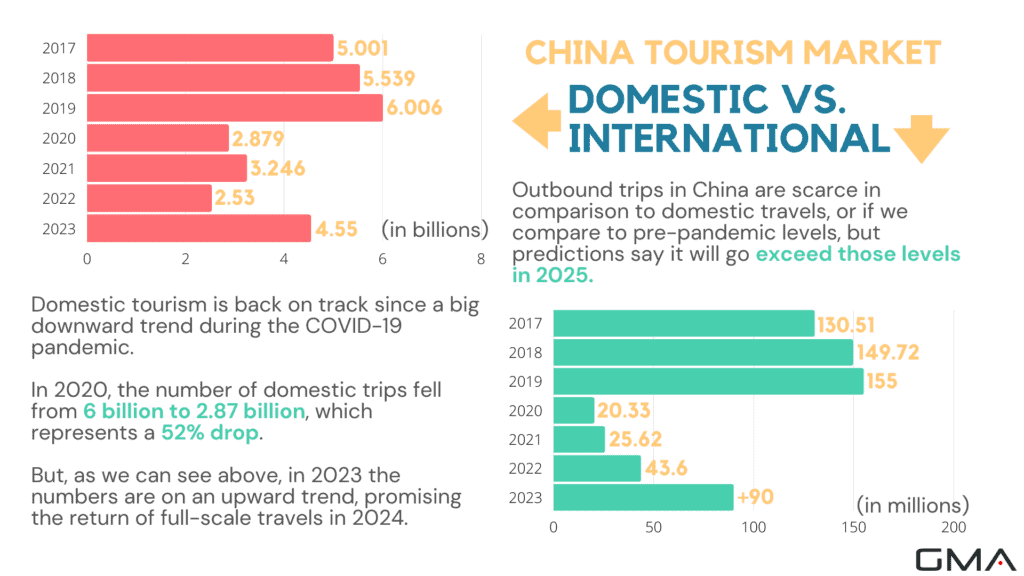
Chinese travelers come from diverse age groups and income levels, with a shared interest in popular travel destinations.
Age, income level, interests
Chinese travelers represent a diverse market in terms of age, income level, and interests. The age profile ranges from young millennials who highly value travel, to senior citizens influenced by cultural factors to travel.
In terms of income, varying levels exist, with different travel preferences for each. Interests also vary drastically, with some preferring cultural experiences, while others seek luxury shopping or nature adventures.
| Age | Income Level | Interests |
|---|---|---|
| Lower-income | Higher disposable income | Travel as part of identity, experiential tourism, social media driven choices |
| Middle aged (40-60) | Moderate income | Family-oriented travel, destinations with Chinese-speaking services |
| Seniors (60+) | Travel as part of identity, experiential tourism, social media-driven choices | Sightseeing tours, cultural experiences, destinations with easy accessibility |
This diverse profile further builds on the thriving Chinese travel and tourism industry, driven by lifted travel restrictions and strong demand. A report covering various aspects of Chinese travel reinforces the importance of understanding these demographics to effectively market travel accessories to Chinese travelers.
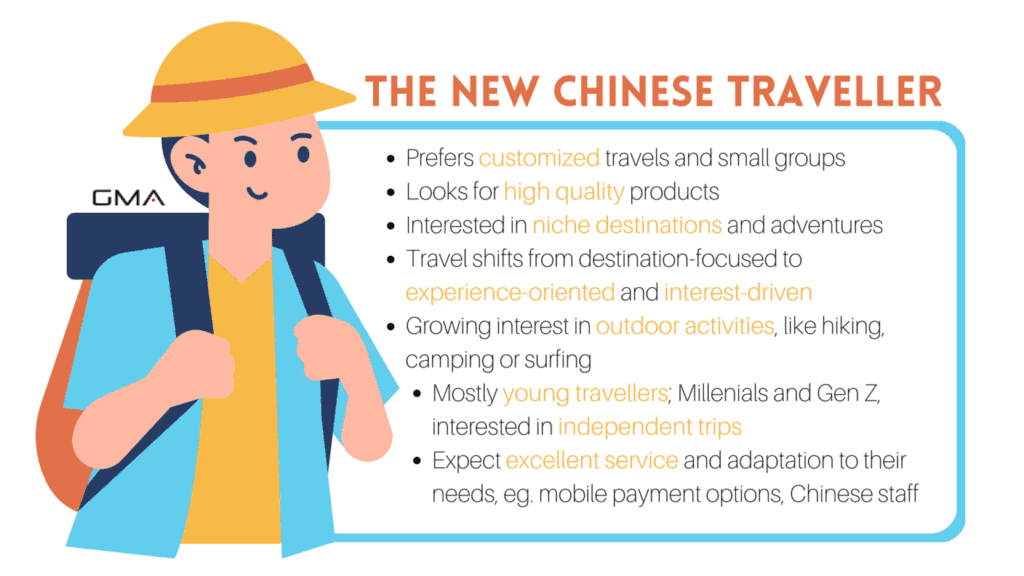
Also, the needs and travel behaviors of Chinese tourists changed in recent years. Now travelers from China are more interested in smaller groups, niche locations, and active holidays, looking for unique experiences.
Popular destinations and booking patterns
Chinese travelers have a few preferred travel destinations and distinctive booking patterns. These patterns play an important role when considering successful marketing strategies. Here’s a breakdown:
| Popular Destinations | Booking Patterns |
|---|---|
| Japan, South Korea, and Thailand are among the top choices for Chinese travelers. They are attracted to the cultural experiences and the shopping opportunities in these countries. | Online booking is not as dominant in China as in other countries, with only 15% penetration. However, this is a growing trend, particularly among the younger demographic who are tech-savvy and comfortable with making online transactions. |
| European destinations such as France, Italy, and Germany are also popular. They offer a combination of rich history, picturesque landscapes, and luxury shopping. | Chinese tourists usually plan their travels meticulously. They prefer to book everything in advance which includes flights, accommodations, and attractions. This highly organized approach to travel is quite prevalent. |
| For long-haul travel, the USA and Australia are favorites. The USA is known for its diverse landscapes and world-class cities, while Australia is admired for its unique wildlife and stunning natural beauty. | Chinese travelers are increasingly interested in sustainable travel options. Climate change awareness has led to a rise in eco-friendly tourism desires among Chinese tourists. |
It’s essential to factor in these destinations and booking preferences when marketing travel accessories to Chinese travelers. Tailoring your marketing strategies to their preferences can make a substantial difference in your success.
Mobile payments and social media usage
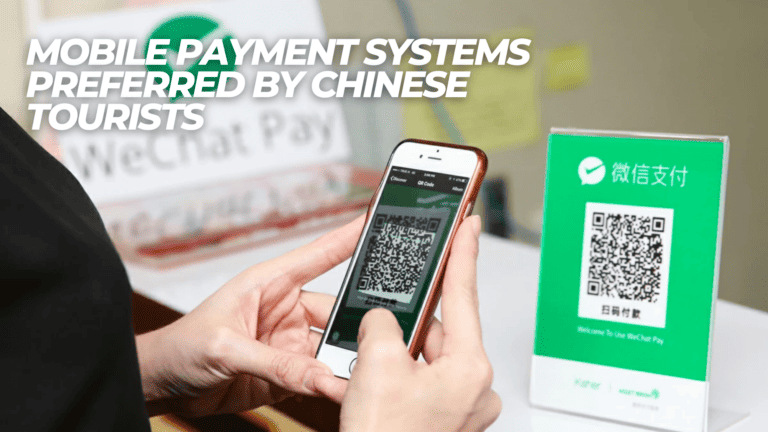
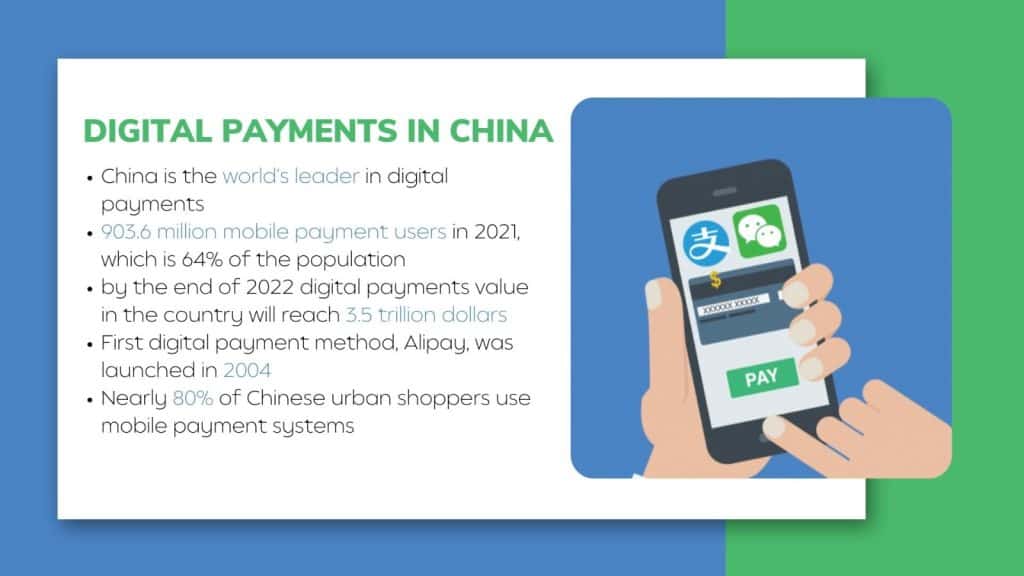
Chinese tourists like using mobile payments. Nine out of ten would buy more if places abroad took Chinese mobile payment options. On their last trips, 90% used Alipay and 66% used other mobile payments.
They do this because it’s safe.
Half the people in China use mobile payments every three months. Most are young people who plan their trips online and on social media sites. In just two years, a lot more have started to use these tools when they go other countries instead of using cash.
Marketing Strategies for Chinese Travelers
Utilize popular Chinese social media platforms, such as WeChat and Weibo, to engage with potential customers and promote travel accessories.
Utilizing Chinese social media platforms
To effectively market travel accessories to Chinese travelers, it is important to utilize Chinese social media platforms. Here are some strategies to consider:
This all-in-one platform is highly popular in China and offers various features like instant messaging, social networking, and mobile payments. Create an official account to engage with potential customers and share updates about your travel accessories.
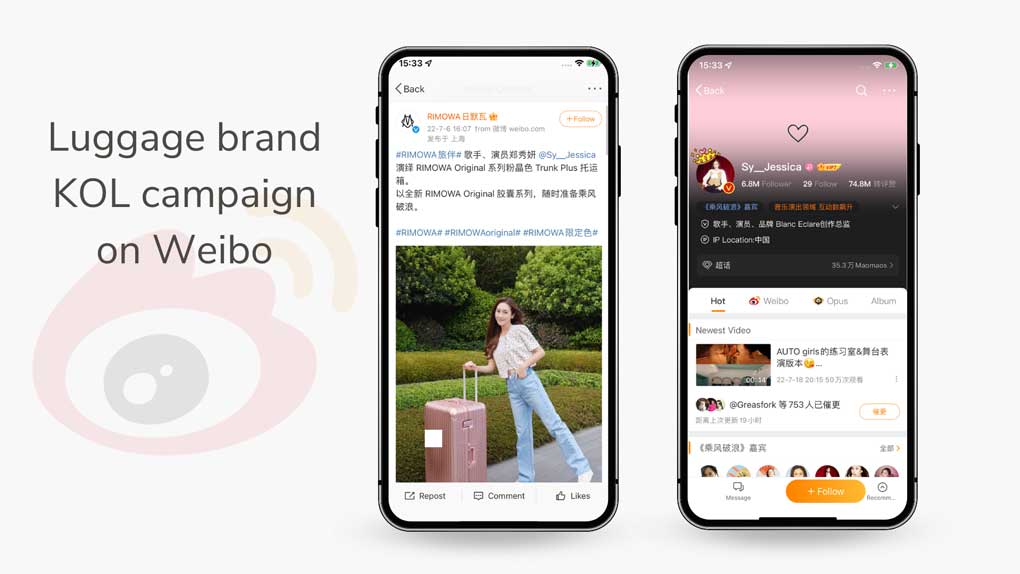
Similar to Twitter, Weibo has a large user base in China. Use this platform to share visually appealing content and interact with users through hashtags and discussions related to travel.
Douyin (TikTok)
Short video apps like Douyin have gained immense popularity in China. Create engaging videos showcasing your travel accessories and collaborate with popular influencers or key opinion leaders (KOLs) on the platform.
Xiaohongshu (Little Red Book)
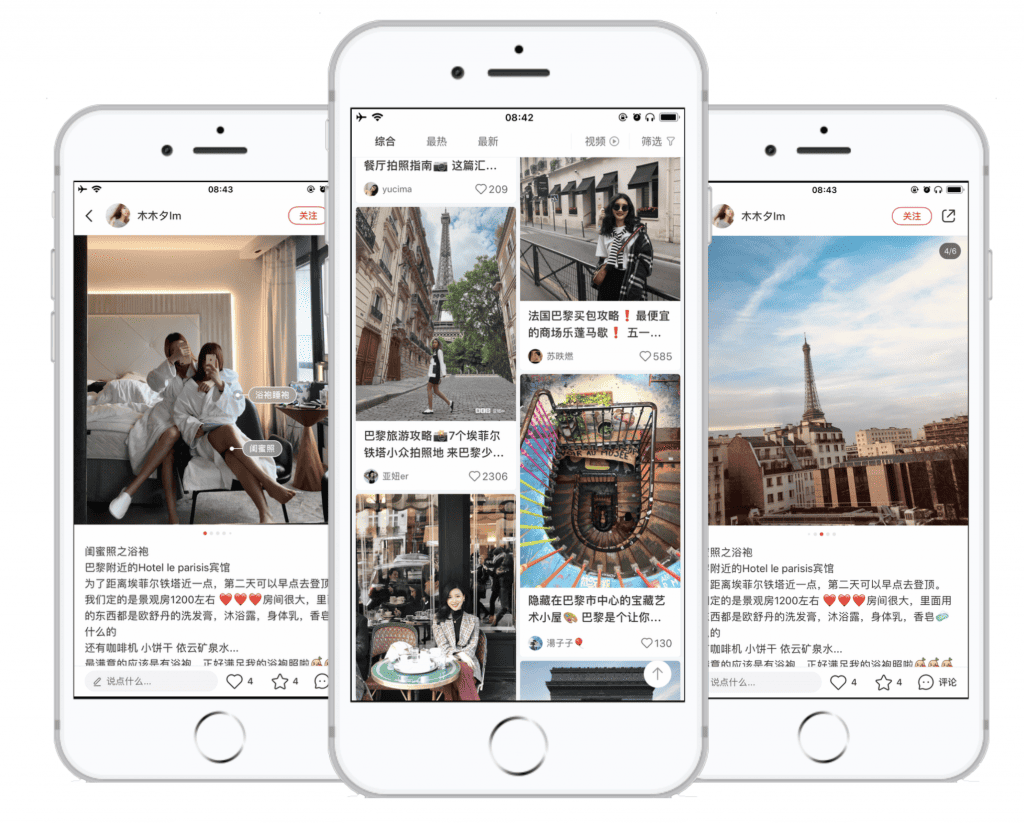
This platform focuses on lifestyle recommendations and product reviews from real users. Leverage this app by encouraging users to review your travel accessories and share their experiences.
Q&A Forums
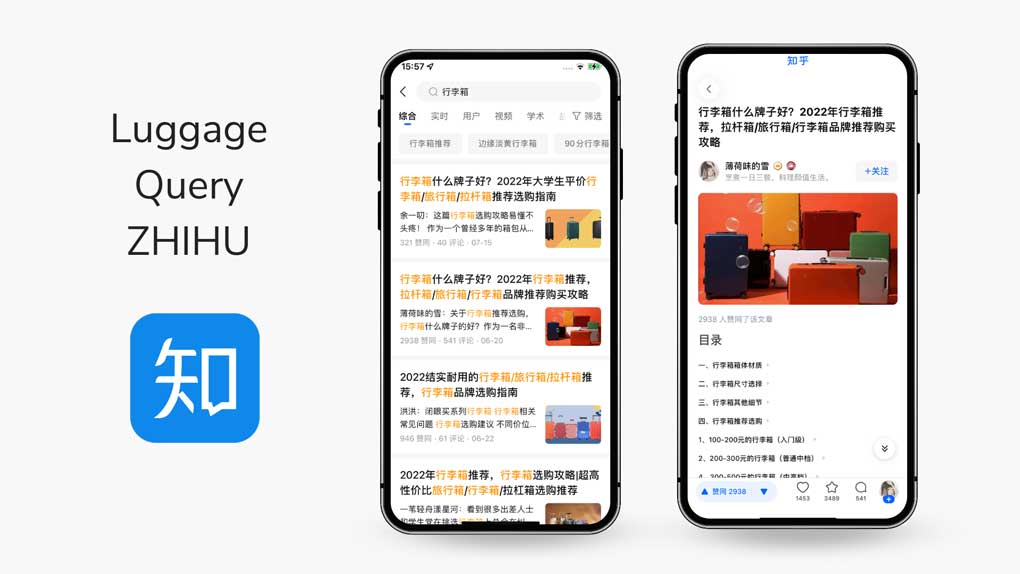
Platforms like Zhihu and Baidu Zhidao are popular for seeking advice from experts. Participate in relevant forums by providing valuable information about travel accessories and establishing yourself as a trusted source.
Offering localized services and multilingual support
I have found that offering localized services and multilingual support is crucial when marketing travel accessories to Chinese travelers. Here are some key strategies to consider:
Provide personalized services
Tailor your offerings to cater to the unique preferences and needs of Chinese travelers. Understand their cultural expectations and adapt your products accordingly.
Offer language assistance
Language barriers can be a challenge for many Chinese tourists. Provide multilingual support through customer service representatives, brochures, and website translations to enhance their experience.
Cater to the growing Chinese tourist market
The number of affluent Chinese travelers is increasing rapidly. By offering specialized services that appeal to this target group, such as luxury travel accessories or VIP experiences, you can tap into this lucrative market segment.
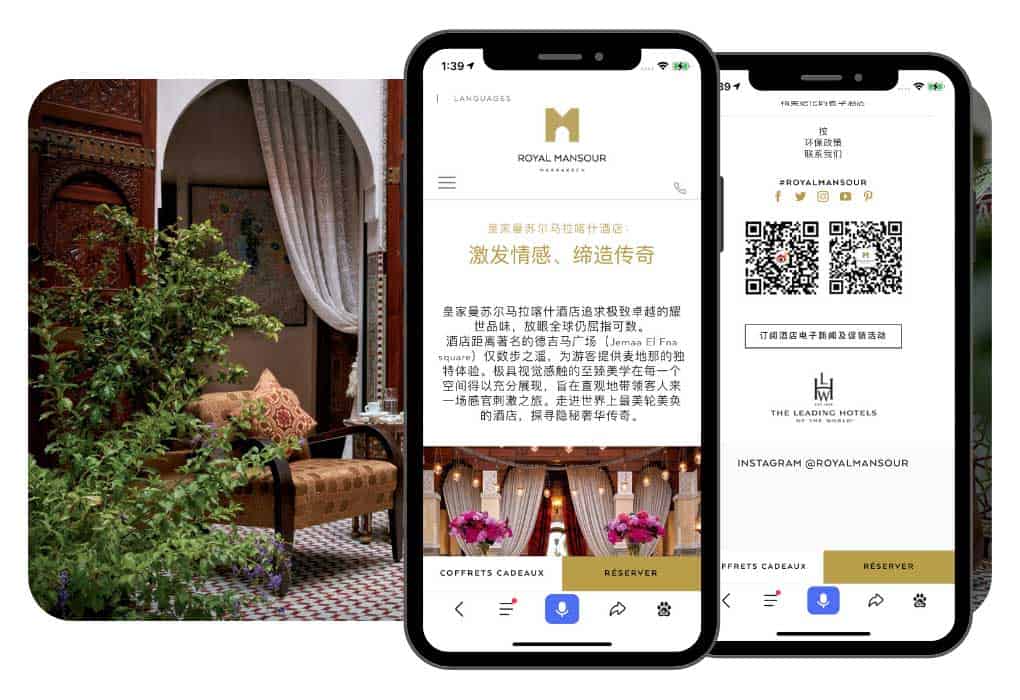
Provide mobile-optimized websites
Mobile payments and social media usage are popular among Chinese travelers. Make sure your website is optimized for mobile devices and integrate popular payment platforms like Alipay or WeChat Pay to facilitate seamless transactions.
Partnering with Chinese travel agencies and influencers
Partnering with Chinese travel agencies and influencers is a key marketing strategy to successfully reach Chinese travelers. Collaborating with reputable travel agencies in China can help increase your brand’s visibility and credibility in the market.
Look for opportunities to collaborate on promotional campaigns or joint ventures with Chinese travel agencies. This can help you tap into their existing customer base and gain access to their network of resources.
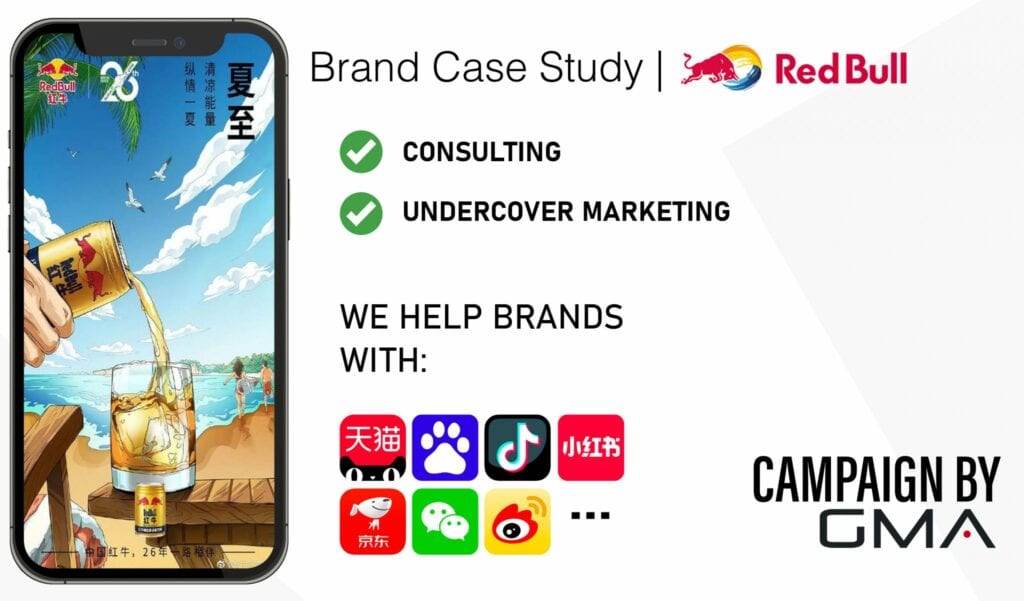
You can also work with influential individuals in the Chinese travel industry, such as Key Opinion Leaders (KOLs), to promote your brand. These influencers have a strong impact on consumer decision-making and can greatly increase your brand’s exposure.
Partnering with travel agencies and influencers also allows you to offer unique deals, packages, or discounts specifically tailored to Chinese travelers’ preferences and needs.
Managing online reputation
To effectively market to Chinese travelers, it is crucial for brands to manage their online reputation. Chinese tourists heavily rely on social media and online reviews when making travel decisions.
It is important for companies to actively monitor and respond to customer feedback and address any issues promptly. By maintaining a positive online presence and addressing customer concerns, brands can build trust with potential Chinese travelers and attract them to their products or services.
Additionally, partnering with influential social media personalities can also help boost the brand’s reputation among Chinese tourists as these influencers have a significant impact on their travel choices.
Navigating the Chinese Tourist Market? Let’s Make Your Journey Smooth!
With travel becoming an indispensable part of the Chinese lifestyle, their wanderlust is reshaping global tourism dynamics. As they pack their bags, the demand for high-quality travel accessories is surging. Have you tapped into this ever-growing market yet?
The Chinese tourist is not just any traveler. Their preferences, influenced by cultural nuances and modern-day trends, require a specialized marketing approach.

Why Choose Gentlemen Marketing Agency?
🌟 Localized Expertise: Our team deeply understands the cultural and consumer behaviors of Chinese tourists. We’ve spent years navigating the intricacies of this market.
🌟 Custom Strategies: We don’t believe in a one-size-fits-all approach. Our strategies are tailored to highlight the uniqueness of your brand, ensuring it resonates with the Chinese traveler.
🌟 Proven Success: Our portfolio boasts a diverse range of successful campaigns, proving our expertise in connecting global brands with Chinese consumers.
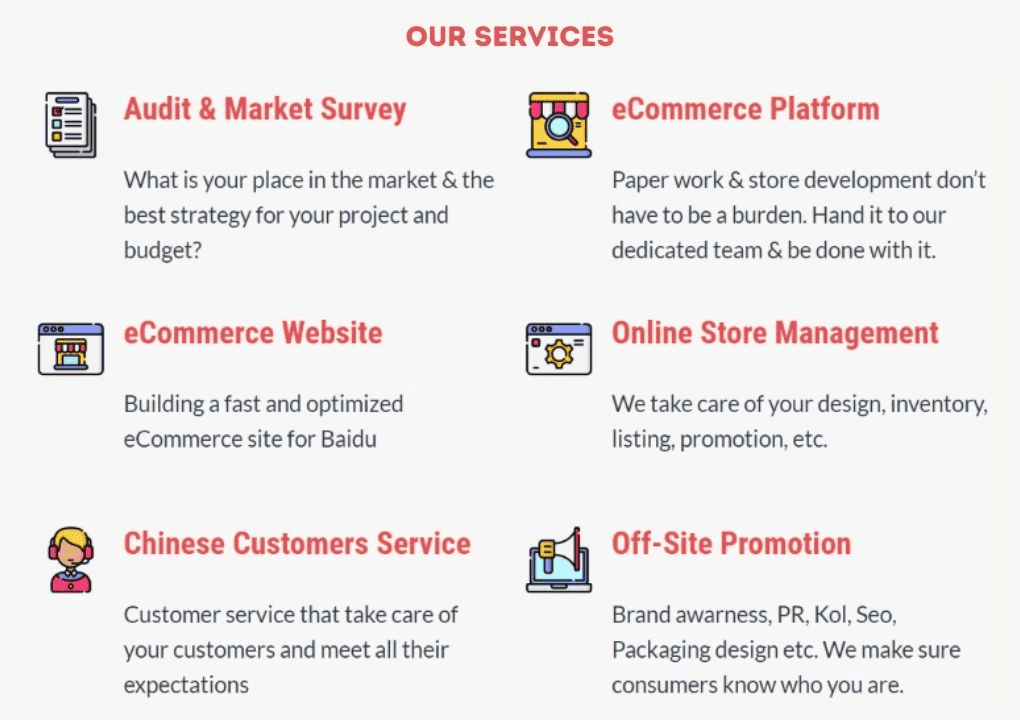
🌟 Full-Service Solutions: From digital campaigns on platforms popular among Chinese tourists to influencer partnerships that elevate brand visibility, we have it all covered.
Travel accessories are more than just functional items for the Chinese tourist; they’re an extension of their travel story. Let’s make sure your brand is a chapter in that narrative.
Are you ready to journey with the Chinese tourist? To explore unparalleled opportunities and soar to new marketing heights, reach out to Gentlemen Marketing Agency. We’re here to be your co-pilot on this exciting adventure.