Marketing Strategies to Attract Chinese Tourists
(2024 update) Navigating the Chinese tourist market can feel like a trek through uncharted territory. Chinese people have a different culture, different traveling habits, and shopping behaviors, and above all, they expect other factors that you might not consider. So how to effectively attract Chinese consumers to your destination?
This blog post is packed full of effective marketing strategies specifically tailored to attracting Chinese tourists. Get ready to uncover the secrets of successful engagement within the largest outbound tourist market globally!
Key Takeaways
- Get on Chinese travel booking platforms. They help tourists plan their trips.
- Use social media platforms in your marketing plans. These social media sites are popular in China.
- Team up with Chinese travel agencies and influencers. They can make your place known to many tourists.
- Keep a good image online. This builds trust with Chinese tourists who often read reviews before choosing where to go.
- Make sure websites work well on phones as that’s how most users access the internet in China.
- Offer special deals during big Chinese holidays like New Year’s Day which will attract more visitors.
- Understand what type of trips different demographics prefer and use this info to target them better!
Chinese Tourist Market Overview
Chinese outbound tourism market is slowly recovering after 3 years of total shutdown. Although Chinese travellers are choosing domestic travel in 2023, due to many reasons, such as lack of passports, expensive flight tickets, and safety concerns, outbound tourism is also slowly coming back to prepandemic levels.
According to FDI Intelligence, outbound tourism from China reached 40.3 million in the first three months of 2024. In comparison to the number of 154.6 million during the same period in 2019, there is still a long way to go.
As you can see below, according to The Economist Intelligence, outbound tourism will surpass 2019 levels in early 2024 but will return to pre-pandemic potential in 2025.

VIDEO Best marketing tool in China 2024
Utilizing video as a medium for promoting tourism in China offers unparalleled advantages, especially when integrated with popular platforms like Douyin and WeChat Video.
- Captivating Visuals: The scenic diversity of China, from the neon lights of Beijing to the tranquil vistas of Guilin, comes to life in videos. This format captures the essence of these destinations more vividly than stills or text, offering a tantalizing preview of what tourists can expect.
- Engaging Narratives: Videos excel in weaving engaging stories that can capture the essence of China’s rich cultural tapestry. From ancient traditions to modern cityscapes, videos tell compelling stories that create a deep, emotional connection with potential visitors.
- Leveraging Social Platforms: The prevalence of social media platforms like Douyin and WeChat Video makes sharing travel experiences effortless and widespread. These platforms are perfect for viral marketing, allowing captivating travel content to reach vast audiences quickly.
- Optimized for Mobile Consumption: In China, where mobile internet usage is incredibly high, videos are an ideal format for content consumption. They offer convenience and accessibility, key factors in reaching the tech-savvy, on-the-go Chinese audience.
- Culturally Tailored Content: Videos can be finely tuned to resonate with different segments of the Chinese market, highlighting elements that appeal specifically to Chinese tourists, such as culinary journeys, heritage sites, or luxury shopping experiences.
- Interactive Video Experiences: With the advent of technologies like 360-degree video views and augmented reality, tourism promotion can become an interactive adventure. These innovative formats are particularly appealing to a tech-oriented and youthful demographic.
Demographics and interests
Chinese tourists come from all walks of life. You see young working adults, families with kids, and older folks too! They have different money to spend on a trip. Some like luxury trips; others might love exploring local markets more.
A lot of them now even plan their own trips instead of using a tour guide. Young Chinese people are key players in this change. These millennials are tech-savvy and always looking for new travel experiences.
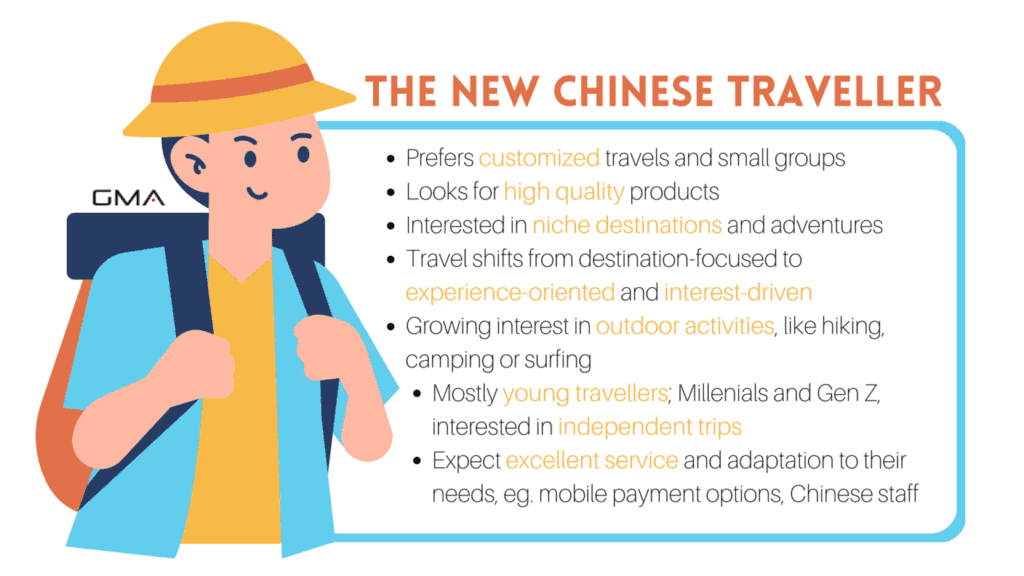
During the pandemic many things changed and the preferences of Chinese tourists traveling domestically and abroad also evolved. Today they prefer customized travels and small groups and are looking for high-quality offerings.
Tired of overrated destinations, they are looking for niche locations and adventures, focusing more on experiences and interests rather than on destinations. They are especially interested in outdoor activities, like hiking, camping, surfing and even diving.
Plus, they love domestic travel within China as much as going overseas! So, it’s smart to watch these trends closely if you want Chinese tourists at your place soon.
Popular travel destinations and booking patterns
Chinese tourists have diverse travel preferences which range from exploring natural beauty and historical sites to shopping and fine dining. Their booking patterns too, vary, but a few prominent trends can be identified. Let’s take a look at the following table which shows the popular travel destinations and booking patterns of Chinese tourists:
| Destination | Reason for Popularity | Booking Pattern |
| Thailand | Renowned for its beautiful beaches and vibrant nightlife. | Chinese tourists often book packaged tours well in advance. |
| Japan | Historical and cultural attractions, coupled with rich shopping opportunities. | Long-haul trips are usually planned and booked well in advance. |
| United States | Iconic landmarks and world-class shopping. | Long haul trips are usually planned and booked well in advance. |
| Australia | Natural beauty, wildlife, and adventure activities. | Peak booking periods coincide with Chinese holidays. |
| France | Historical sites, food, fashion, and luxury shopping opportunities. | Online travel agencies are popular for booking trips to France. |
These are just examples and the market is dynamic. Therefore, it’s vital to continuously track market trends and adjust strategies accordingly.
Mobile payments and social media usage
Chinese tourists love using their phones to pay. As a marketer, you should know this. 91% of them will buy more if they can use Chinese mobile payment. You see, China leads in travel-related mobile payments.
So, it’s smart for businesses to offer this. Here are the most popular mobile payment methods in China:
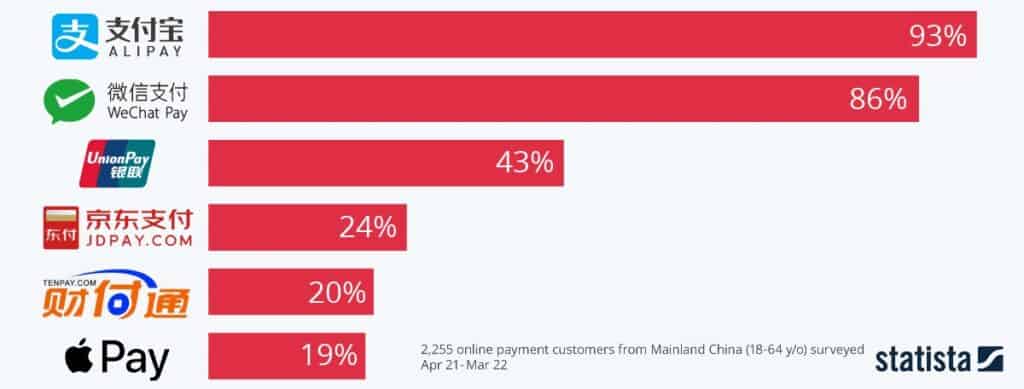
Social media is also key. The scene in China is very unique and always changing. Sites like Weibo and WeChat have millions of users who share posts on their trips all the time. Making your business seen on these platforms can bring many Chinese tourists your way.
Cultural preferences and expectations
Chinese tourists have different travel likes. They go for trips that give them fun and learning, not just to shop. I’ve seen this shift in their choices. They want to eat local food, visit hot spots, and learn about the culture of the place they are in.
Also, Chinese people mostly travel as a group. This is one thing I’ve learned while studying the Chinese market. So if you make plans that fit groups well or add bus tours more Chinese will come to your place.

Effective Marketing Strategies for Chinese Tourists
Let’s dive into the world of Chinese tourism and discover how to catch their attention with powerful marketing. From engaging on China-specific social platforms, and enhancing your online reputation, to celebrating Chinese cultural events, there’s a lot more than meets the eye.
Stick around to uncover proven strategies that have worked wonders in attracting Chinese tourists.
Video promotion, especially when integrated with platforms like Douyin and WeChat Video, offers a dynamic and engaging way to showcase the wonders of China to potential tourists. It combines the allure of visual storytelling with the power of social media and technology, making it an ideal strategy for modern tourism marketing in China.
Douyin Video for Tourism
Douyin, known globally as TikTok, has revolutionized digital content in China, especially in the tourism sector. This platform allows users to create and share short, engaging videos, making it a powerful tool for showcasing travel destinations and experiences. With its vast user base and innovative features, Douyin has become a key player in digital tourism marketing.
Key Points about Douyin:
- Visual Storytelling: Douyin’s format is perfect for creating captivating visual stories about destinations, from panoramic views to local cultural experiences.
- Viral Potential: With its algorithm, content on Douyin can quickly go viral, significantly increasing the visibility of travel destinations.
- Interactive Content: Features like live streaming, filters, and music integration offer interactive and creative ways to engage potential tourists.
- Youth Appeal: Douyin is incredibly popular among younger demographics, making it an ideal platform for targeting millennial and Gen Z travelers.
- Read more
Little Red Book (Xiaohongshu) for Tourism
Little Red Book, also known as Xiaohongshu, is a unique blend of social media and e-commerce platform, widely used in China. It’s particularly popular for its user-generated content on lifestyle, travel, and luxury goods. For the tourism sector, it serves as an influential platform where users share their travel experiences and recommendations.
Key Stats about Red :
- User-Generated Content: Authentic travel stories and reviews from real users provide credibility and relatable insights into destinations.
- Community Engagement: The platform’s community-oriented approach encourages users to interact, share tips, and offer advice on travel.
- Influencer Marketing: Xiaohongshu is home to many influencers whose opinions and experiences can sway travel decisions and trends.
- Visual and Editorial Content: Combining high-quality images with detailed editorial content, Xiaohongshu offers a comprehensive look at travel experiences and destinations.
Be on Chinese Travel Booking Platforms
It’s a good idea to get your business on Chinese travel booking platforms. Many Chinese tourists like to plan their trips by themselves. They use these platforms all the time. When they see your brand there, they will want to know more about you and what you offer.
This is an easy way for them to find out about your services, prices, and how good you are at what you do. So make sure you’re there where they can see and book with ease!
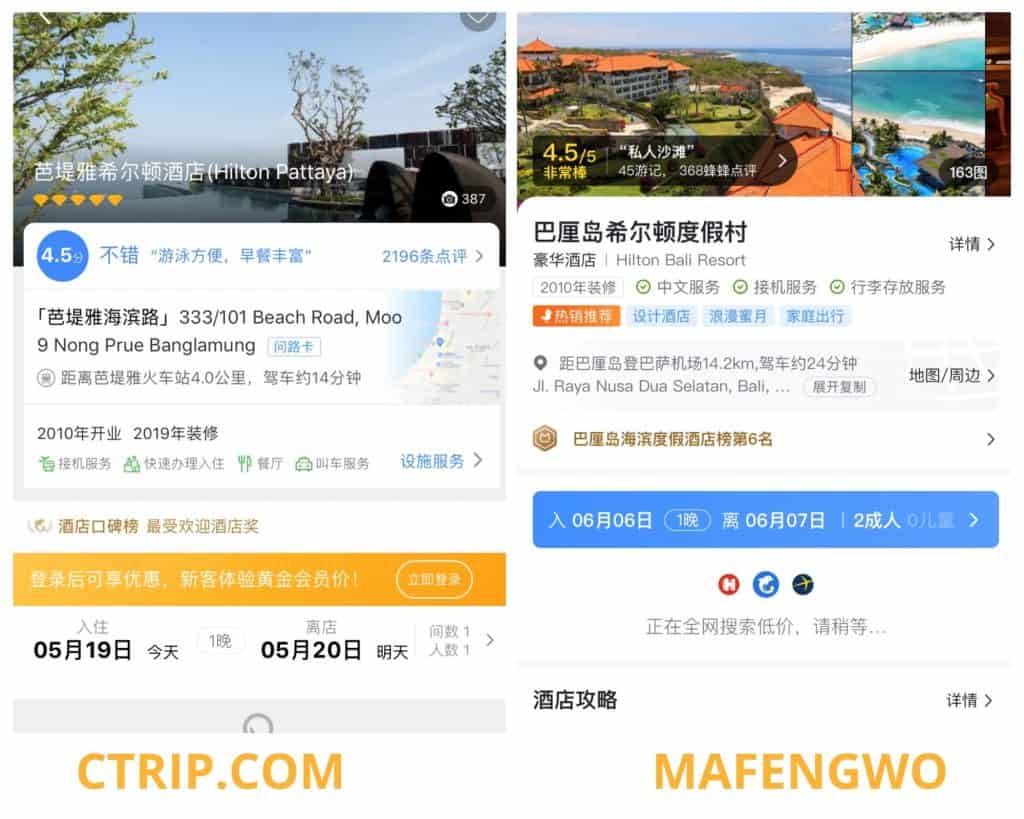
The most popular travel platforms include Ctrip, Fliggy, and Mafengwo, they work more or less like Trip Advisor. It’s best to be on all of them, but you can start by choosing just one, to see if it works for you.
Start official accounts on Chinese social media platforms
One of the most effective ways to capture the attention of Chinese tourists is by establishing a presence where they spend a significant portion of their time: on their favorite social media platforms.
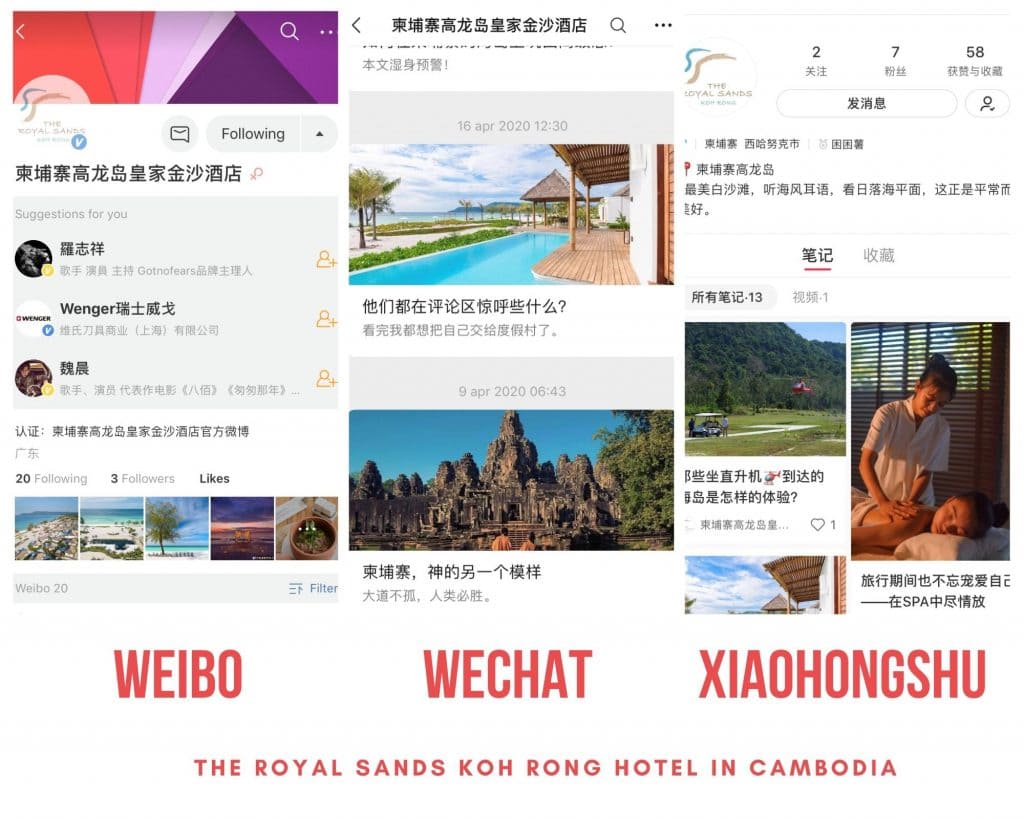
Opening official accounts on platforms like WeChat, Weibo, Douyin, and Xiaohongshu not only provides a direct channel to engage with potential tourists but also offers a glimpse into their preferences and behaviors.
WeChat, often referred to as the ‘app for everything,’ is indispensable for businesses due to its vast user base and multifunctionality.
Weibo, akin to Twitter, provides a space for real-time promotions and brand storytelling.
Meanwhile, Douyin, China’s version of TikTok, allows brands to create viral video content, while Xiaohongshu, or ‘Little Red Book,’ is a treasure trove for user-generated reviews and recommendations.
By leveraging these platforms, brands can craft tailored campaigns, share engaging stories, and ultimately, entice more Chinese tourists to choose their destinations or services.
Focus on content
When it comes to catching the attention of Chinese travelers, videos are a powerful tool. They bring experiences to life and make potential tourists feel like they’re part of the adventure. Here’s how you can harness different types of videos to connect with this vast audience:
Nice Pictures of course.

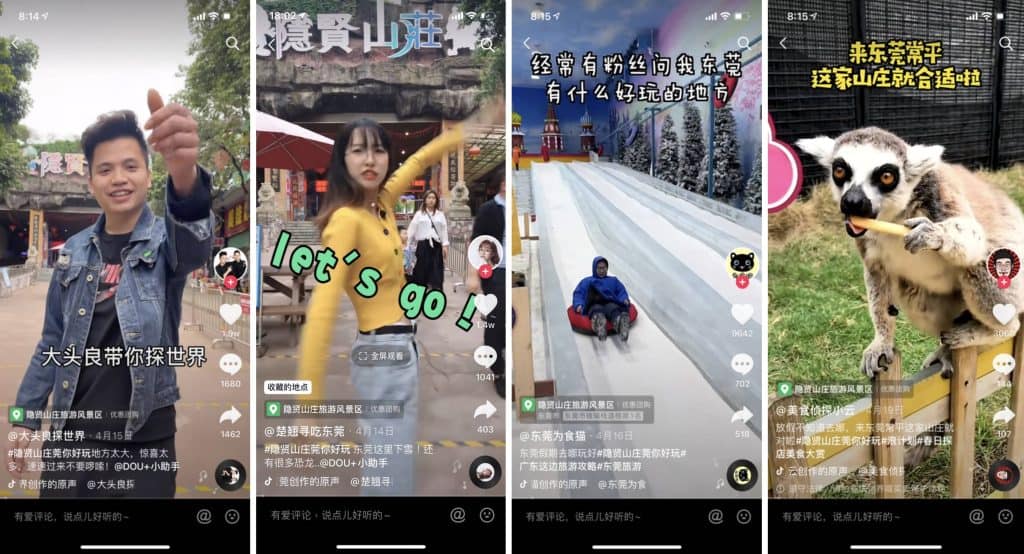
Short Videos
Apps like Douyin have made these bite-sized clips all the rage. They’re quick, catchy, and shareable. With short videos, you have a brief window to showcase highlights – be it the glimmer of a city skyline, a sneak peek of a cultural event, or the bustling vibe of a night market. They act as teasers, sparking curiosity and wanderlust.
Longer Videos
Here’s where you can dive deeper. Longer videos allow you to weave a narrative about your destination or service. Perhaps you could follow a day in the life of a local, or create a mini-documentary about the history of a landmark. By offering an in-depth look, you give potential tourists a richer sense of place, culture, and the experiences awaiting them.
Live Streams
This is digital bonding in real-time. With live streaming, you can engage directly with your audience. Host a virtual tour of a hidden gem, showcase a local festival, or conduct Q&A sessions about travel tips. It’s the immediacy of live streams that create an authentic and personal connection, allowing viewers to immerse and interact.

By integrating a mix of these video types into your marketing strategy, you’re not just promoting a destination or service; you’re telling a story. And stories are what resonate, inspire, and ultimately drive Chinese tourists to embark on new adventures. So, roll those cameras and let the magic unfold!
Collaborate with Chinese influencers
Thinking of boosting your tourism marketing in China? Partnering with local influencers is a smart move. They have the trust of their followers and really know what Chinese tourists want. Here’s why it works:
- Trust & Relatability: Influencers share experiences in ways that connect with their audience. Their followers believe them and trust their choices. They are a part of Chinese culture, so it’s easier for them to target Chinese consumers.
- Different Platforms: Each social platform in China has its own star influencers. Whether it’s Weibo, Douyin, or Xiaohongshu, you can find the right influencer who speaks to your target tourists.
- Real Experiences: Imagine an influencer sharing their trip to a spot you’re promoting. They show the food, the views, and the fun. This personal touch can make their followers want to experience it too.
- Boost Your Campaigns: If you’ve got a special offer or event, influencers can spread the word far and wide, making it more successful.
With the right influencer, you can connect directly with potential tourists. So, look for influencers who match your brand, work together, and see your marketing efforts take off!

Offer localized services and multilingual support
Chinese customers love it when they feel at home. Make sure to offer services that match their needs and culture. This means having signs and menus in Chinese, providing Chinese food options, and making sure staff can speak the language too.
It’s all about showing them we value and respect their culture. You can also use translation services for our online content so everyone can understand it easily. These small steps make a big difference in attracting more Chinese tourists!
Partner with Chinese travel agencies
Partnering with Chinese travel agencies is a smart move when aiming to attract Chinese tourists. These agencies have deep knowledge of what Chinese travelers want and can help you design appealing travel packages. They also offer a stamp of credibility, promoting your services to a wider audience.
Plus, by working together, you make the booking process smoother for tourists. In essence, joining forces with a Chinese travel agency can significantly boost your appeal and streamline operations for Chinese visitors.
Implement online reputation management
Online reputation management is key in the digital world. A good image can mean trust from Chinese tourists. They often look at reviews and ratings online before they choose. You have to ensure your brand gets good feedback on social media platforms.
When a tourist reads a positive review, it eases their mind. This way, they are more likely to pick us over others for their travel plans. It’s part of building consumer behavior influence that’s vital for drawing more Chinese tourists.
Create a mobile-optimized website
I know the power of a mobile-optimized website. It plays a big role in drawing Chinese tourists. Most of them like to use their phones for things like looking at websites. A great website works well on any device, not just computers. So make sure my site is easy to use on all devices and screen sizes.
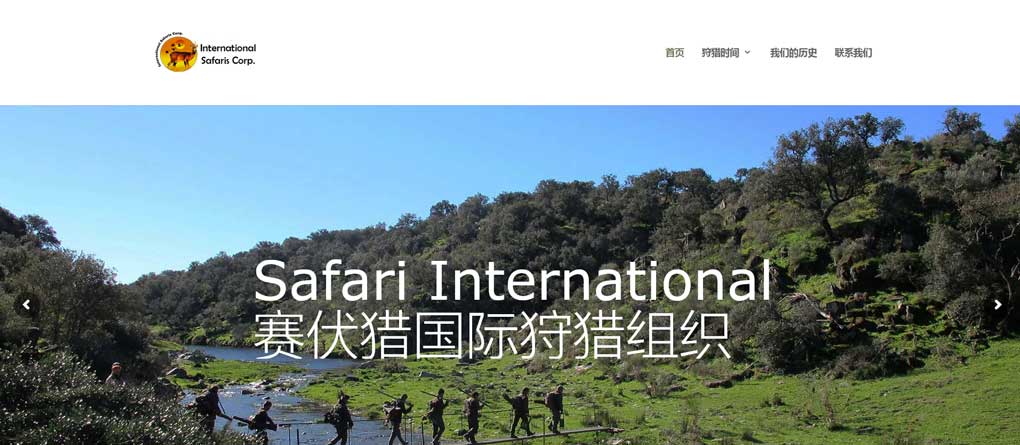
This thing called responsive web design is what makes it work. Your site quickly adjusts the display based on what kind of device you’re using. On top of that, my site loads fast – nobody likes to wait! This also helps me get noticed by Chinese search engines.
A lot more people visit social media pages because they can do it directly from the website with a seamless browsing experience being part of this approach too. This kind of attention also draws more tourists’ eyes towards a business as word spreads through these platforms.
So remember, making your Chinese website mobile-friendly isn’t just good for looks – it’s an effective marketing strategy for catching the interest of potential Chinese customers!
Use targeted advertising on Baidu
Baidu is a top platform in China, much like Google. It draws many users daily. Using Baidu for your ads can help you reach a lot of people. These folks are looking for what you offer.
So it makes sense to show up where they search. Ads on Baidu need to be in Mandarin Chinese words to make an impact and up your site visits. This form of ad targets the Chinese market better.
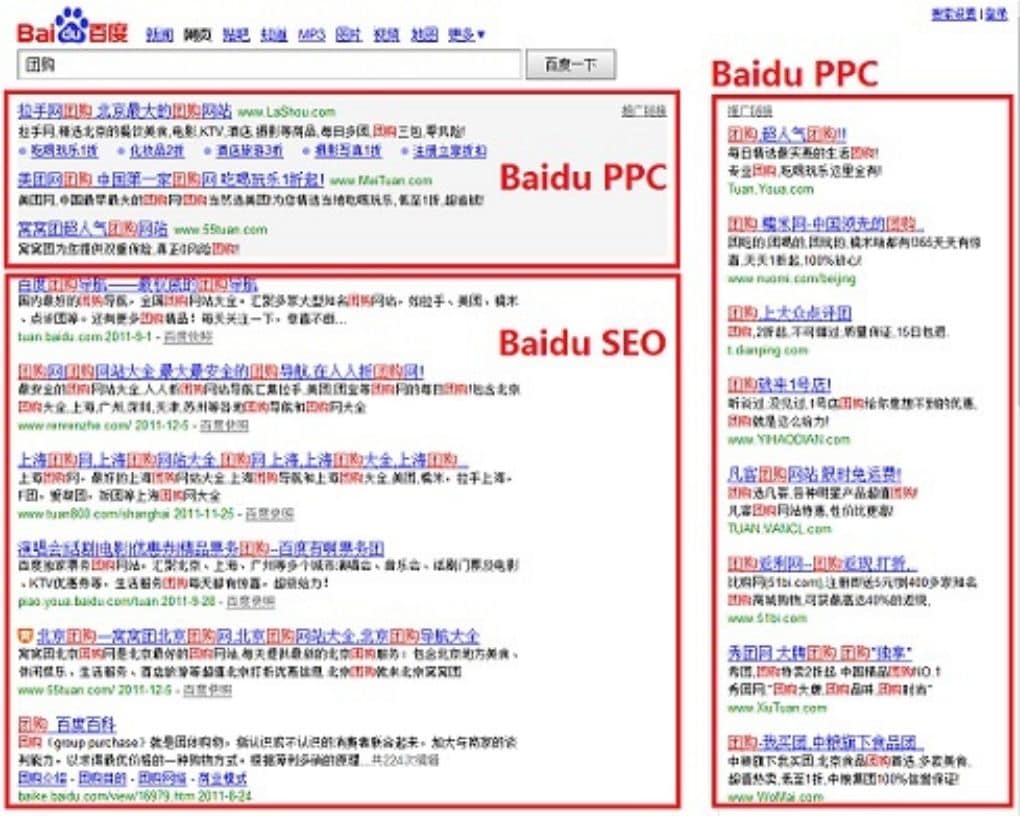
Also, platforms such as WeChat, Xiaohongshu, and Weibo urge Chinese tourists to travel with their posts and stories. Hence, using these channels will help pull more Chinese tourists towards our business.
Offer special deals during significant Chinese holidays
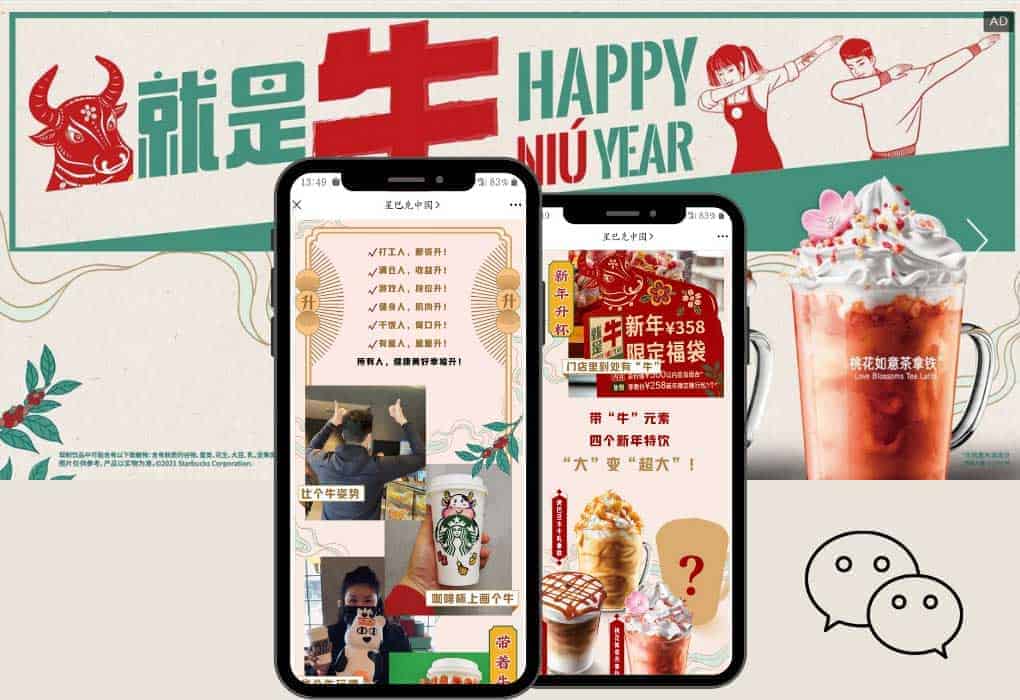
Chinese holidays hold a big place in the hearts of people. Most important is the Chinese New Year. Many shops and services give great deals during this time. We too must do this to draw in more tourists.
In China, getting a good deal is like finding a hidden treasure. Tourists want to feel lucky when they travel as well. By giving discounts on special days, we can make them feel special and rich! Let’s use these events to show that we care about their customs too!
Key Factors to Consider for Attracting Chinese Tourists
When targeting the Chinese tourist market, it’s crucial to be sensitive to political issues that might affect travel decisions. Make sure your tourism industry is ready for an influx of Chinese tourists by providing services they value – such as Mandarin-speaking staff or information translated into their language.
And lastly, don’t underestimate the smoothness and convenience brought by integrating popular Chinese payment methods like Alipay and WeChat Pay in your business setup. These factors will establish trust and familiarity between you and these tourists, ensuring a successful marketing campaign!
Be aware of potential political sensitivities
Think about politics. It is big in China. You need to know this for your plans. Politics can change how people see places to go visit. So you must watch and learn what happens in China’s politics.
This will help make sure Chinese tourists still want to come to your place. Be smart with what you say about China too. If you don’t, it could hurt how people see your business online or in the news.
Good press is a tool we should all use wisely!
Ensure tourism industry preparedness
Making sure our tourism industry is ready is a must. It means we can better serve Chinese travelers and meet their needs. We do this by using China readiness programs often used by travel brands and destinations looking to draw in visitors.
These programs help us learn more about what Chinese tourists want from a trip.
For example, did you know that 70% of Chinese tourists like to plan their own trips? They are shifting away from needing tour guides and moving towards independent travel. This shift changes how we market our services and attractions to them.
So, making sure we’re ready for these changes helps us win over more Chinese tourists in the long run.
Adapt to Chinese payment methods
You want to draw in more Chinese tourists? Make sure your business accepts Alipay and WeChat Pay. This is a must-have for any shop, eatery, or hotel. These payment methods drive the digital wallet trend in China.
So, if you include them, you will surely up your game!
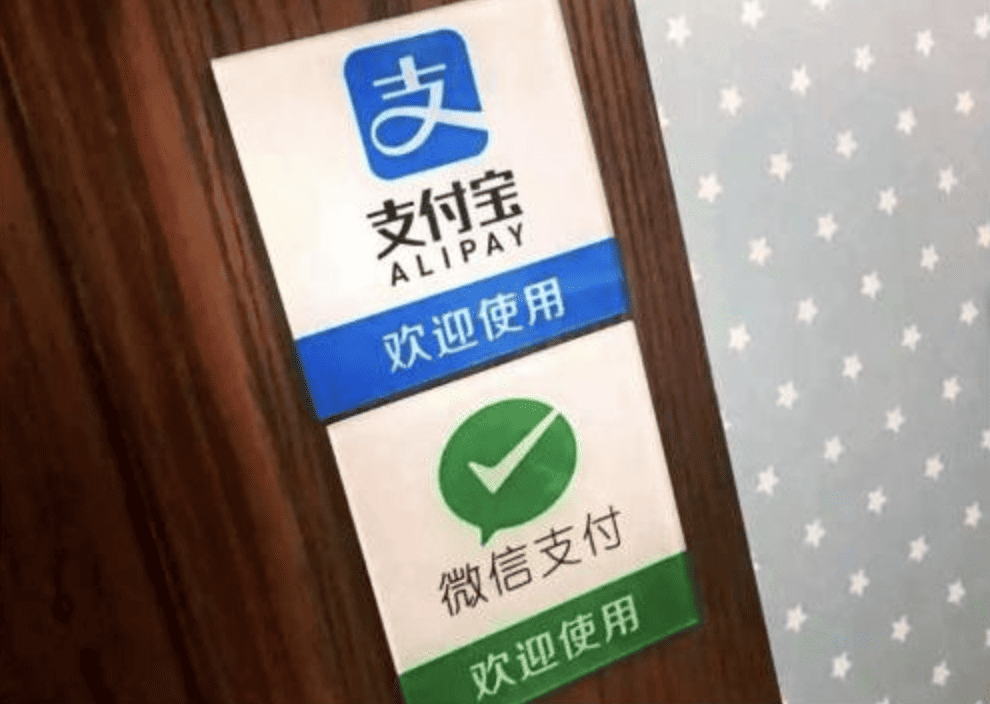
Chinese travelers use these apps when they go shopping in other countries too. Look at places like Singapore and Thailand! Even there people are fast learning about China’s mobile pay habits.
Accepting Alipay and WeChat Pay means better service for customers from China.
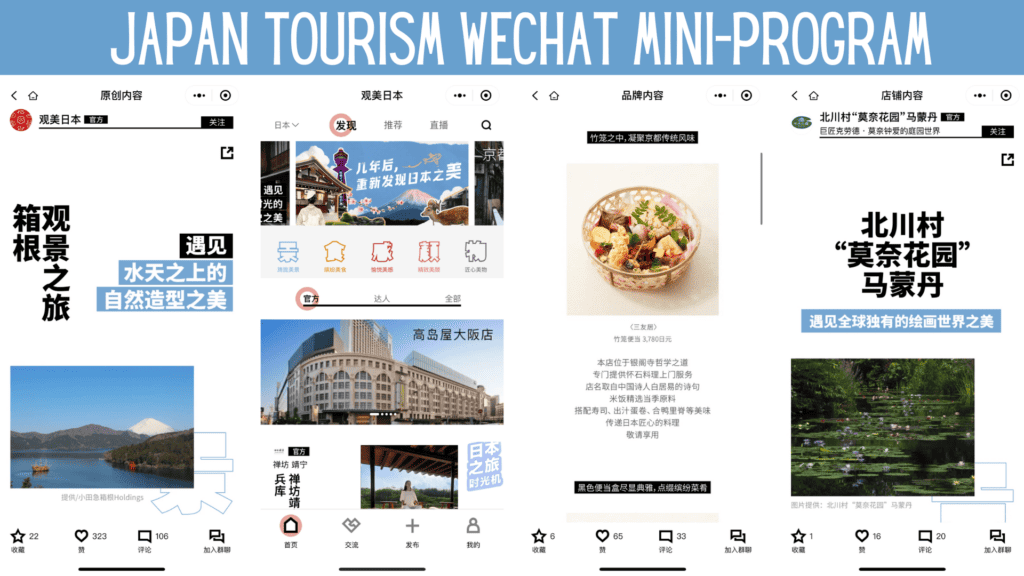
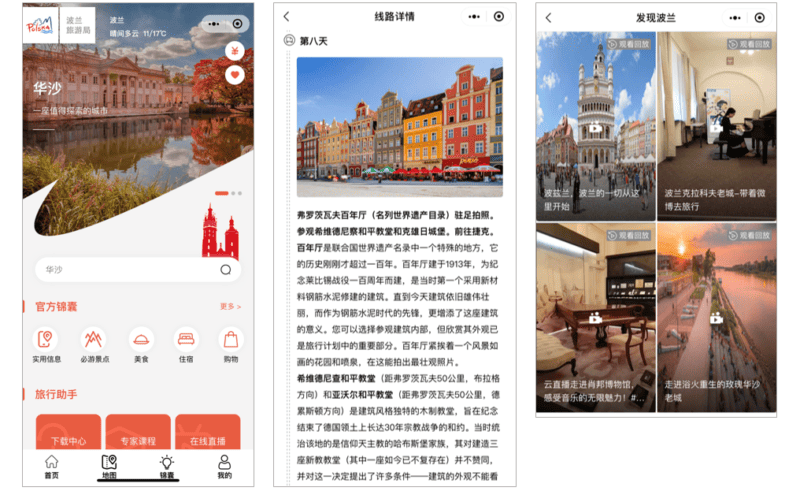
Case Study: Japan WeChat Mini Program
In an effort to revitalize its tourism sector to pre-pandemic figures, the Japan National Tourism Organisation (JNTO) has collaborated with prominent stakeholders in domestic aviation, retail, and hospitality to unveil a strategic initiative. They also put their stakes in Chinese social media marketing, to lure Chinese shoppers and tourists.
This initiative takes the form of a WeChat mini-program titled “观美日本” or “Appreciate Beautiful Japan.” Designed to captivate the Chinese audience, the platform functions akin to a digital catalog, drawing parallels with platforms like Instagram or Xiaohongshu.
Within this mini-program, users can delve into a curated presentation of Japanese culture segmented into five distinct categories: gastronomy, immersive sensory experiences, traditional handicrafts, leading-edge cosmetics, and picturesque landscapes.
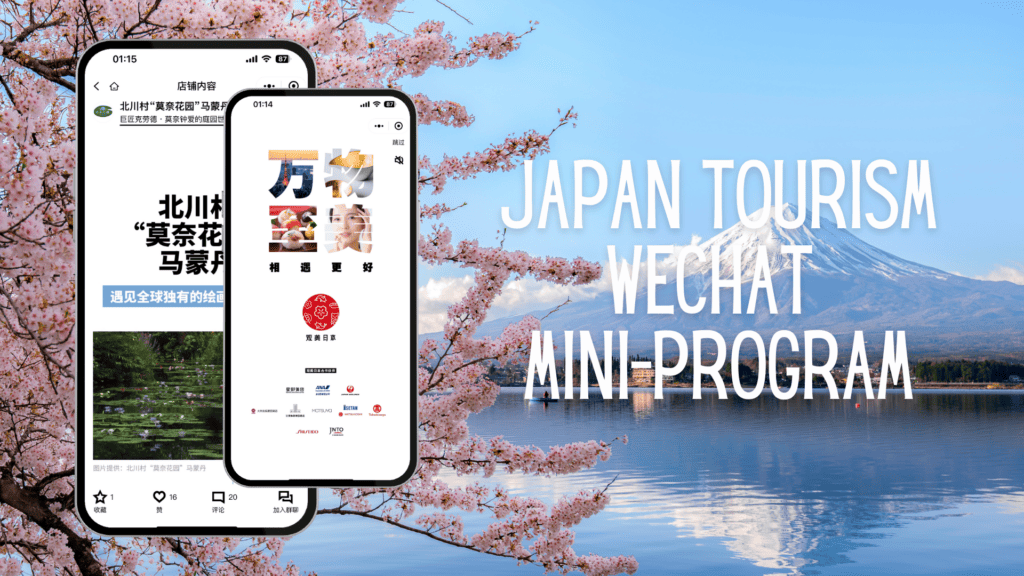
Furthermore, this platform provides a blend of official promotional content from alliance members and insights from industry experts, allowing users to garner a comprehensive view of what Japan offers. Prestigious entities, including Shiseido, Hoshino Resorts, and Japan Airlines, are pivotal contributors to this venture.
Given the current scenario, where Chinese tourist influx into Japan stands at roughly 20% of what it was before the pandemic due to stringent travel barriers, this mini-program endeavors to reignite the fascination and foster ties between potential Chinese tourists and the multifaceted cultural offerings of Japan, navigating through the prevailing challenges.
Maximize Your Brand’s Visibility with Gentlemen Marketing Agency
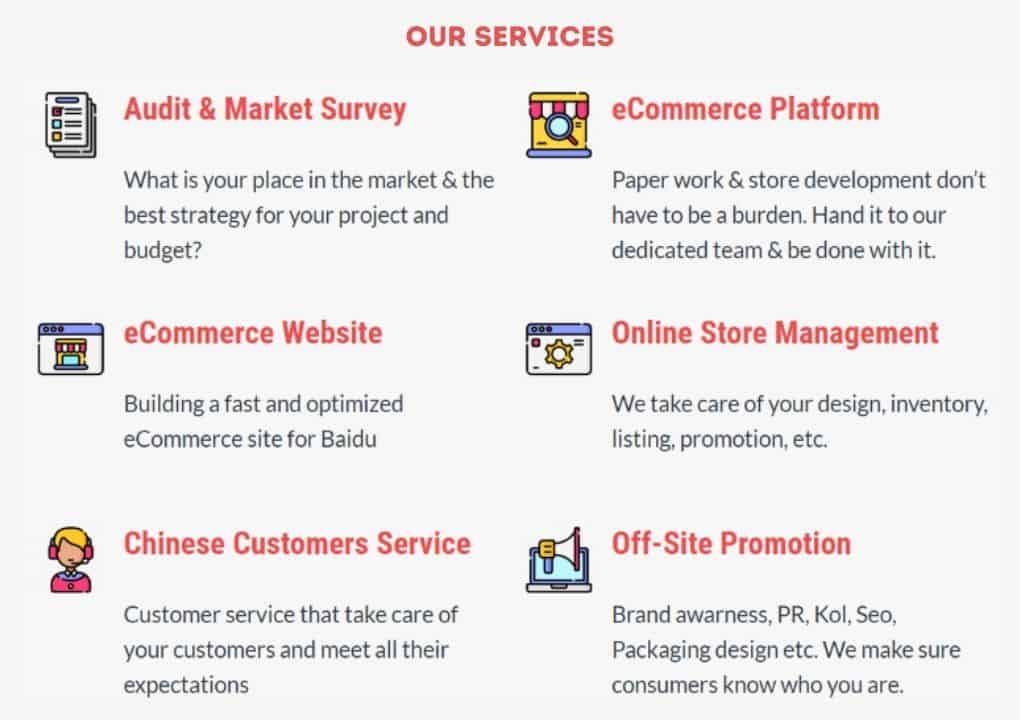
Navigating the vast and intricate Chinese tourism market can seem daunting. But with the right guidance, strategies, and tools, your brand can effectively capture the attention of millions of potential Chinese tourists. That’s where we come in.

At Gentlemen Marketing Agency, we:
- Understand the Chinese Tourist Persona: Our years of experience in the market ensure we know exactly what Chinese tourists look for, ensuring your marketing message resonates perfectly.
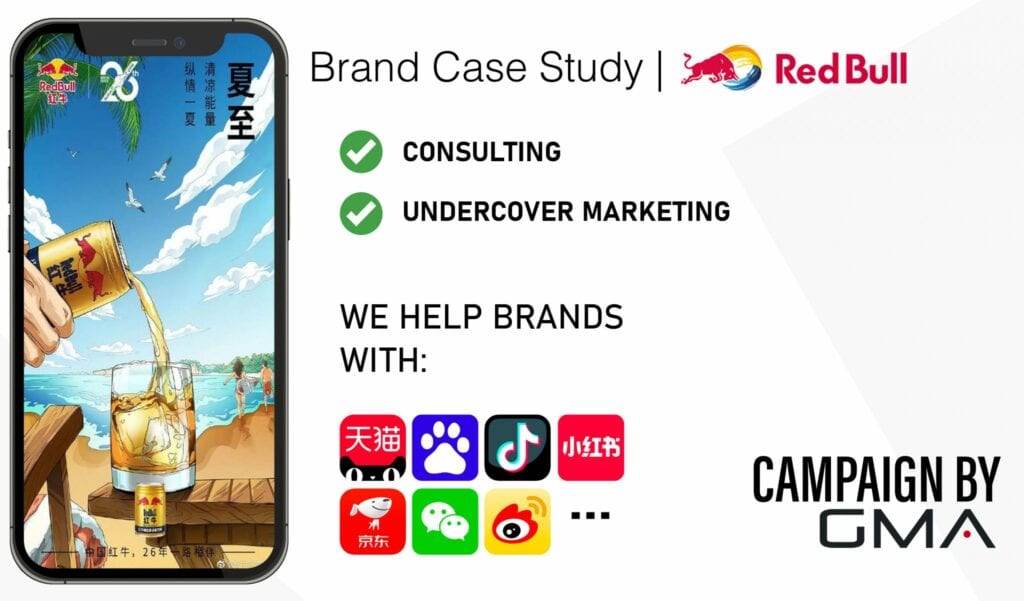
- Harness the Power of Local Platforms: Whether it’s WeChat, Weibo, Douyin, or Xiaohongshu, our expertise lies in creating tailored campaigns for each platform, driving maximum engagement.
- Collaborate with Influencers: We have established connections with key Chinese influencers to give your brand the endorsement it needs.
- Offer Tailored Solutions: No two brands are the same. We craft bespoke strategies to ensure your brand stands out and appeals to Chinese tourists.
Ready to transform your brand’s presence in China? Reach out to Gentlemen Marketing Agency today and unlock the full potential of the Chinese tourism market.







Greetings from HEC,
I have write to you one time and you told me to give you my strategy.
I fell to give as I am not aware of what real do you need.
I am a Tour Operator based in East Africa and I look for the marketing in China. I wanted to be advertised in Baidu, Social media and even translate our website in Chinese
I will appreciate deeply if you tell me what kind of strategy you need from me and range of the costs.
Looking forward to work together.
Dear Sir/Madam
I manage a luxury camping (22 tent) and activity (cooking, camel rides, sunrise/sunset tour and more) business in the Moroccan Sahara and I would be extremely interested in working with your company. I feel that our luxury experience would fit in well with what is offered at your company. I currently collaborate with a luxury tourist company in the Netherlands but would be excited to spread into further markets with your company.
To contact please reply at this email or on number 00447448599912
We would be happy to arrange a visit to the site at any time.
Regards
Khalid
We offer various tailor made tours, including game drives, fishing tours, shark diving and big game hunting. We are based in Johannesburg and cover the whole of South Africa. We are looking to expand into the Chinese market.
Hi We will contact you with our latest Solution to attract Chinese tourists
Hello,
We are searching serious partner in the world for high level Trip VIP Chinese Clients,
please send your capacity, communication in Chinese (on Wechat or QQ)
And show your Chinese website and WeChat official account.
PS: we will not collaborate with non serious companies.
My name is Victor, I am a Founder of Travel Agent in Europe for asian travelers.
And I have worked in this industry for 5 years, if anyone have willing to cooperate with chinese travel agent or to invest in this industry in China, I can give you some advices or answer your questions.
Article très intéressant , c’est un plaisir de vous lire..
J’aime beaucoup votre blog
Very good article, good overview, I add some stuff on acebook for open discussion
https://www.facebook.com/reel/3618063961774341