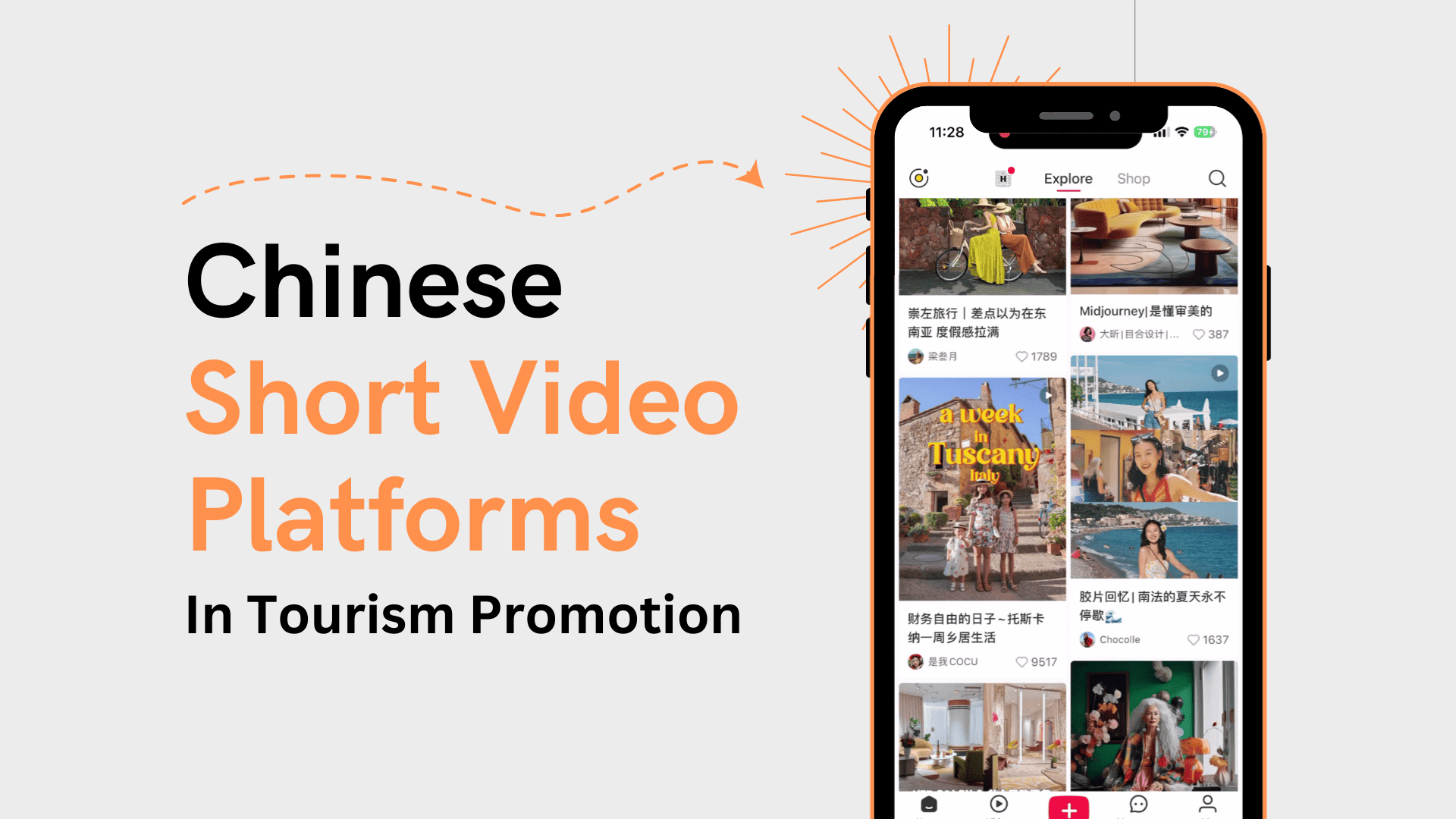
How To Promote A Destination Using Chinese Short-Video Platforms
Are you eager to allure Chinese travelers to your haven but not quite sure how? I completely understand. With the skyrocketing trend of short video platforms in China’s travel marketing, I’ve poured over extensive research and discovered game-changing strategies.
This blog will serve as your compass, guiding you through comprehending Chinese tourist behavior, harnessing social media platforms, and sparking their interest effectively with dynamic short videos.
Ready to elevate your destination promotion into uncharted territory? Well then, let’s journey forth together!
Why Short Video Content Should Be the Core of Your China Social Media Strategy?
In the bustling digital ecosystem of China, short video content reigns supreme, influencing the behaviors, preferences, and aspirations of hundreds of millions. Platforms like Douyin (TikTok’s Chinese counterpart), Kuaishou, and Xiaohongshu are not merely social media outlets; they’ve evolved into cultural phenomena, dictating trends and shaping conversations.
Chinese people spend more than 60 minutes each day on short video apps, becoming an important component of the Chinese social media landscape.
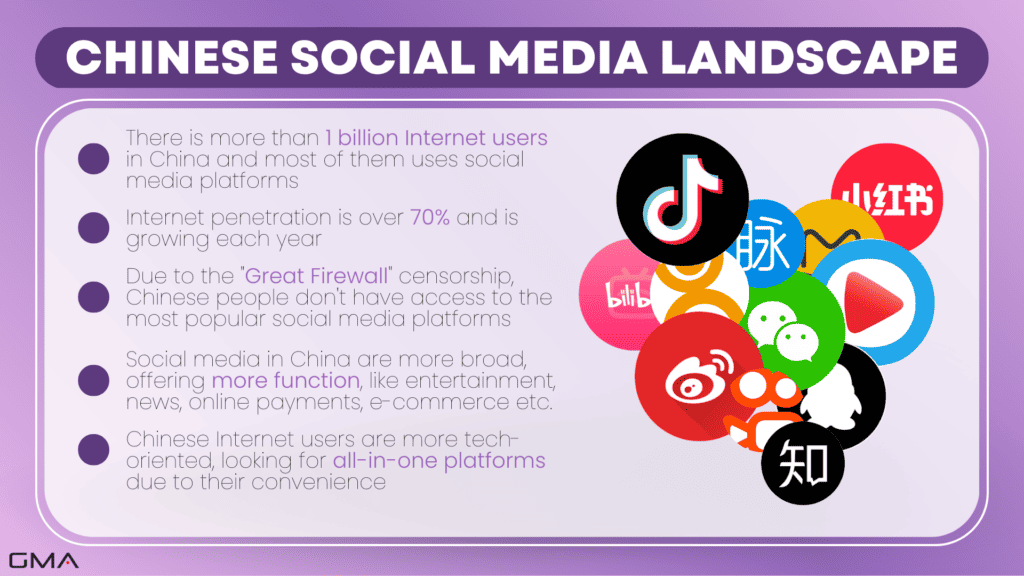
For tourism brands eyeing China’s vast and affluent travel-hungry population, integrating short video content into their marketing strategies is no longer optional—it’s imperative. Short videos, with their bite-sized, visually arresting narratives, align seamlessly with the consumption habits of the Chinese netizen, offering immediacy and engagement unmatched by other content formats.
They also harness the power of virality, turning ordinary destinations into must-visit hotspots overnight. Embracing this medium means speaking the digital language of China, engaging audiences in the manner they prefer, and ensuring a more impactful, resonant brand presence in the world’s largest outbound travel market.
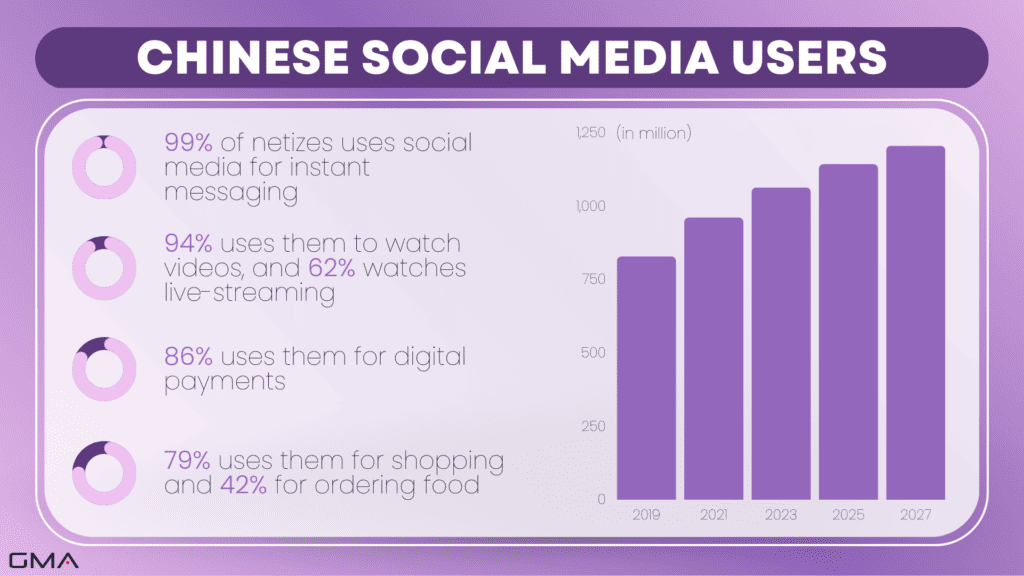
As you can see, a staggering 94% of all social media users enter Chinese social media apps for video content, and 62% watch live-streaming. So, it’s definitely right about time to implement short video clips and live streams into your social media strategy, especially if your target audience is rather young.
The Most Popular Short-Video Platforms in China
In China’s dynamic digital world, a few short video platforms stand out as essential tools for tourism brands targeting Chinese travelers. Each platform caters to specific audiences and offers unique benefits, so it’s crucial for marketers to adapt their approaches accordingly.
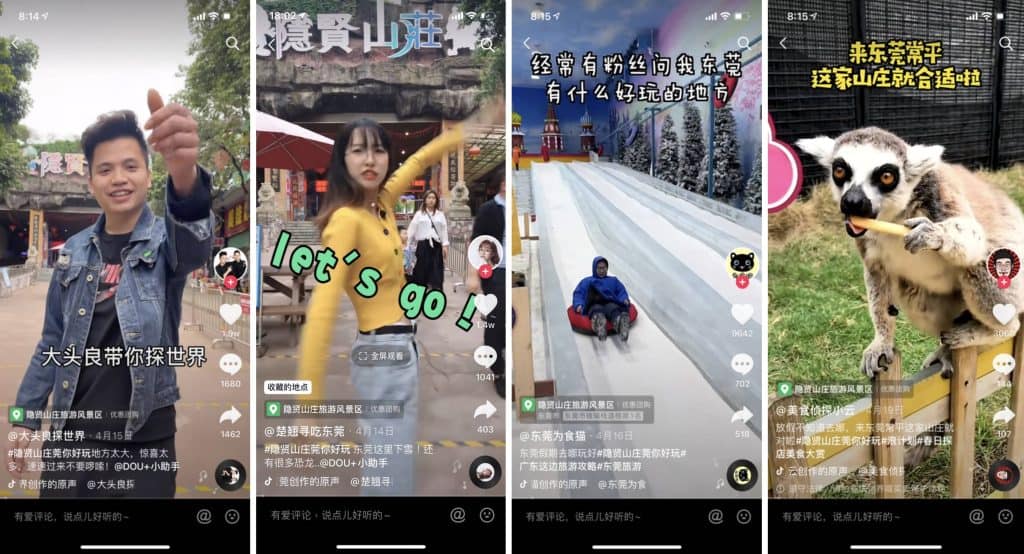
Douyin: the Chinese version of TikTok
Douyin (known globally as TikTok) isn’t just another platform in China—it’s a sensation and a definite leader when it comes to short-video marketing in China.
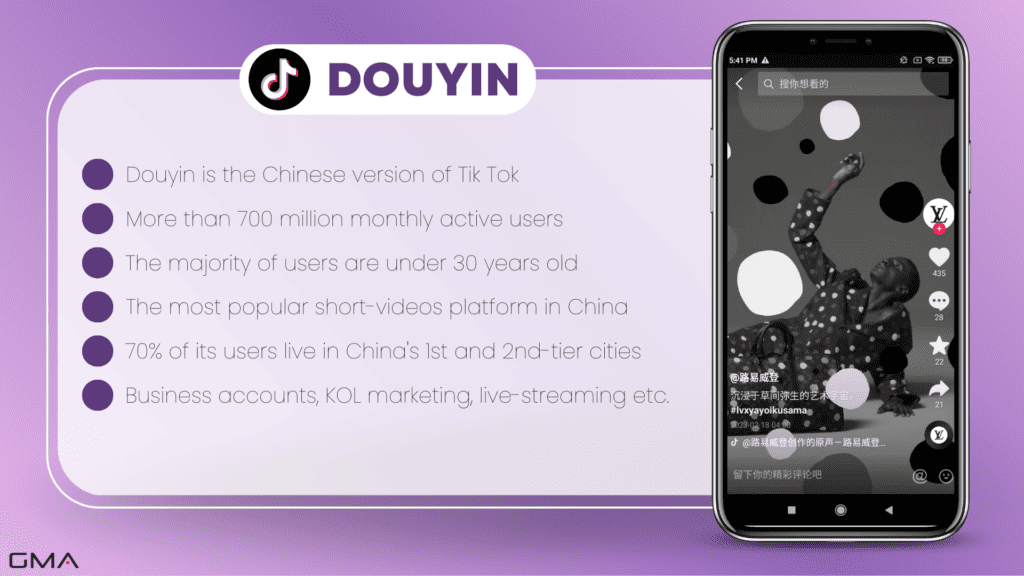
With a staggering user base of over 700 million monthly active users, Douyin is a playground for content discovery, thanks to its powerful algorithm. Most loved by Gen Z and millennials, this platform has given rise to numerous trends, from viral dance routines to travel challenges.
Its interactive features, like duets, AR filters, and time-sensitive challenges, make it a dynamic space for brands. The Maldives Tourism Board experienced the power of Douyin firsthand. By collaborating with influencers to spotlight their beaches and resorts, they tapped into the wanderlust of countless Chinese travelers.
Kuaishou: Douyin’s biggest competitor
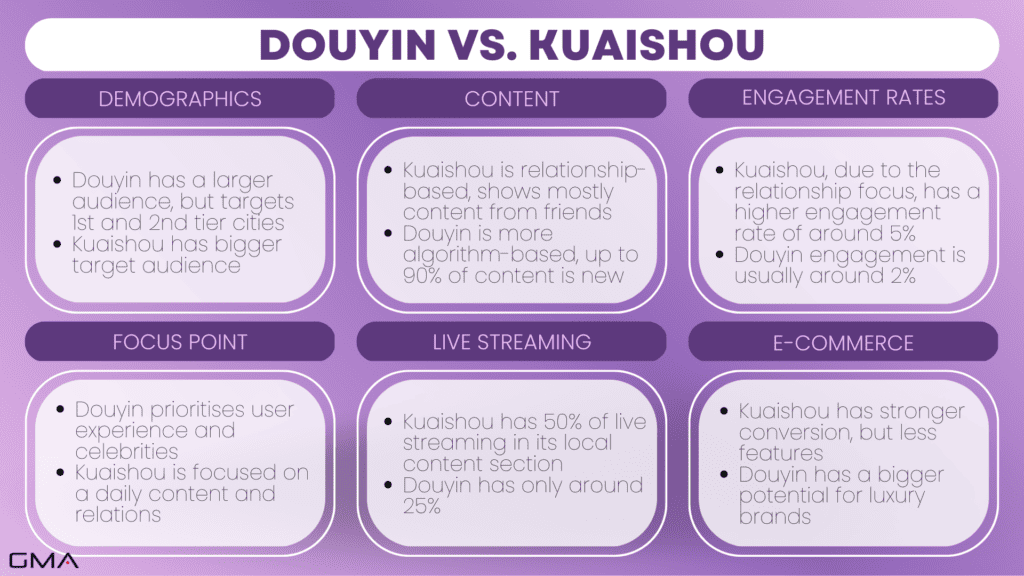
Kuaishou offers something different. It’s not just about the glitz and glam but roots itself in authenticity, connecting especially with users from China’s smaller cities. Here, you’ll find heartfelt stories, local traditions, and genuine content that evokes a sense of community.
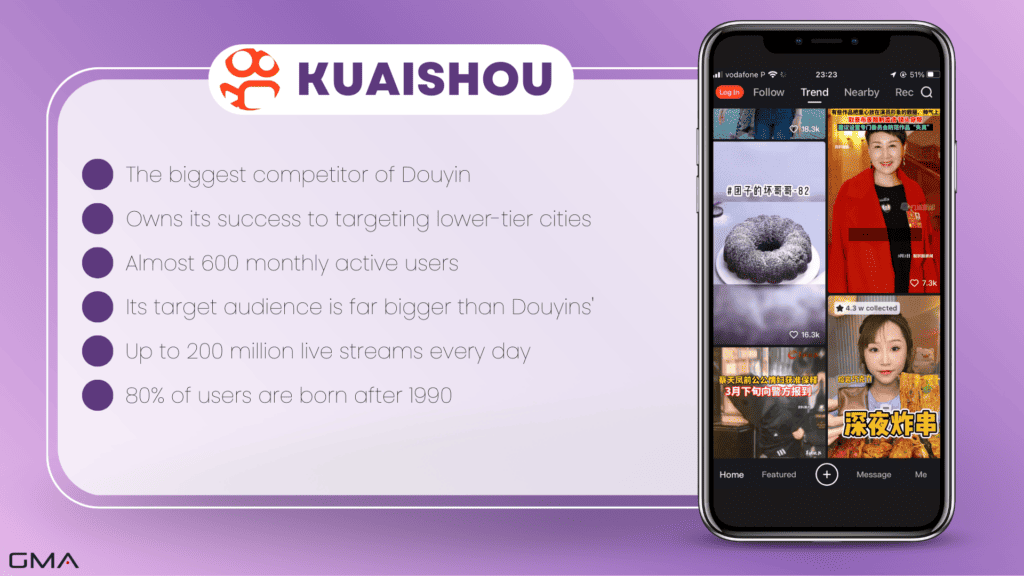
What stands out about Kuaishou is its commitment to keeping things real, which is why it’s the platform of choice for those seeking genuine experiences. New Zealand Tourism’s campaign on Kuaishou, highlighting its natural beauty and cultural experiences, is a testament to its potential to connect on a deeper level with viewers.
Xiaohongshu: the king of lifestyle content
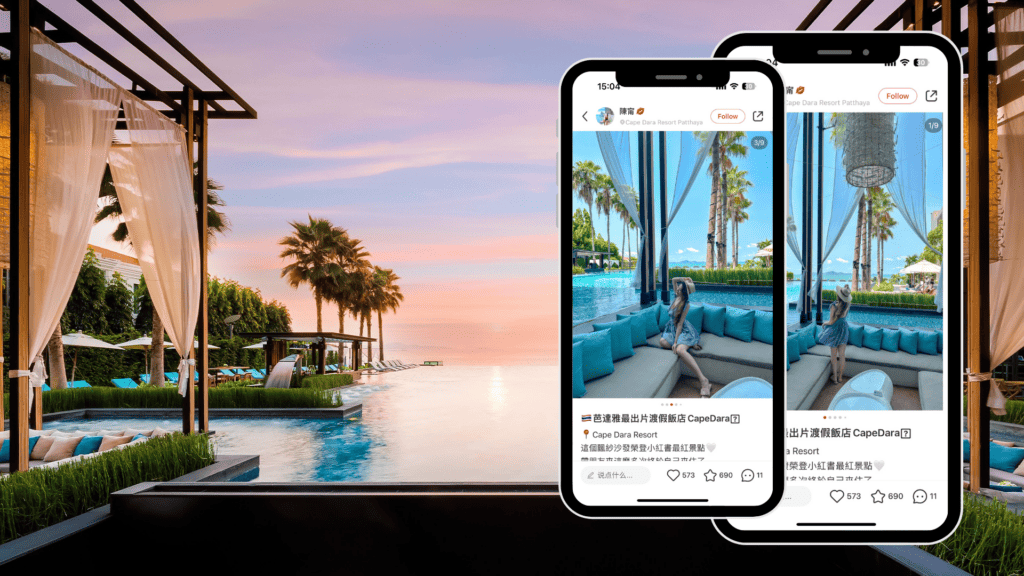
Xiaohongshu, also known as RED, is a one-of-a-kind fusion of social media storytelling and e-commerce. Most users here are females who are always on the lookout for the next big thing, whether it’s in fashion, beauty, or travel.
The platform is rife with user-generated content, reviews, and personal anecdotes, creating a space of trust and aspiration. The unique feature of Xiaohongshu is its integrated shopping experience, allowing users to discover, be inspired, and shop all in one go. The Paris Tourism Board’s campaign promoting romantic escapades captured hearts, with users sharing their own tales and experiences of love in the city.
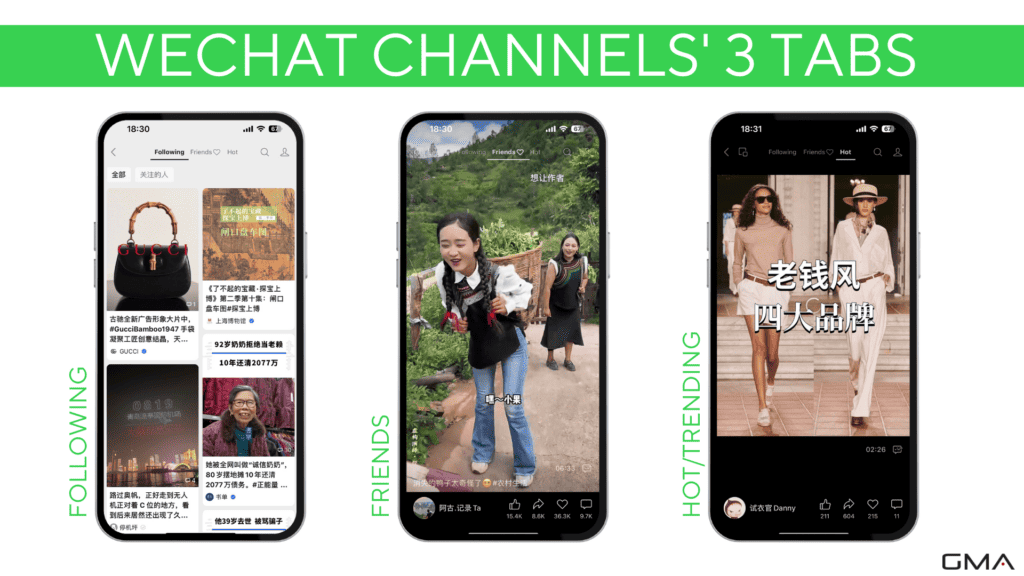
WeChat Channels: WeChat’s answer to emerging trends
WeChat Channels leverage the might of WeChat, China’s super-app used for everything from messaging to banking. Though a newer player in the short-video realm, its integration with the broader WeChat ecosystem makes it incredibly potent.
With a diverse demographic, WeChat Channels provide features like instant messaging feedback on videos and direct links to booking platforms or payment gateways. Thailand Tourism’s campaign here offered a holistic experience. By spotlighting local festivals, cuisine, and attractions, they not only informed but enabled viewers to turn their travel dreams into reality with easy booking options.
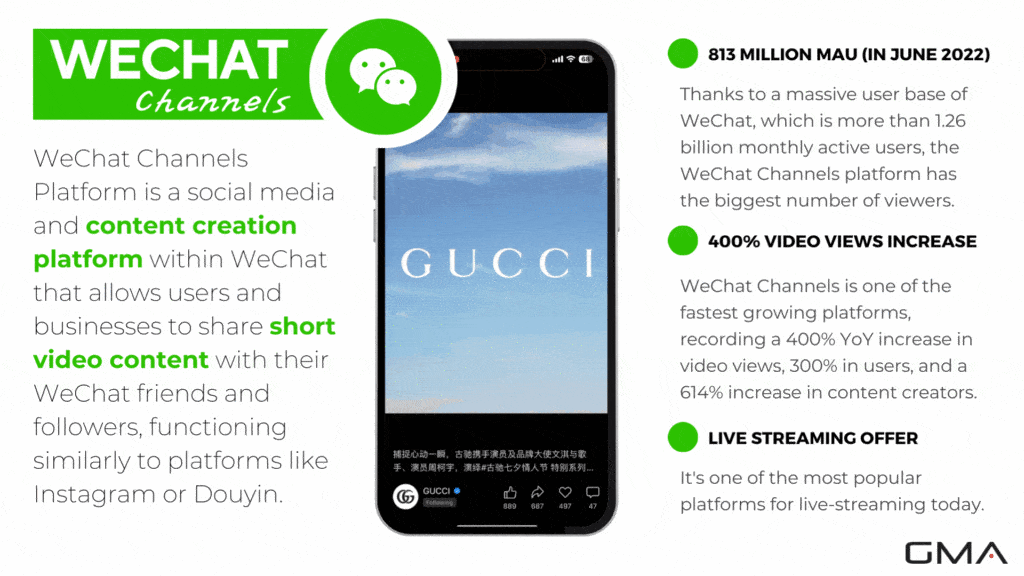
For tourism brands looking to thrive in the Chinese market, it’s essential to delve deep into these platforms, embracing their distinct features and audiences to craft resonant campaigns.
Practical Steps to Promote a Destination with Short Videos
Learn how to effectively highlight unique destinations, engage users, and create culturally relevant video content to promote your destination to Chinese travelers with short videos.
Highlighting unique destinations through short videos
Here are some effective strategies to highlight unique destinations through short videos:
- Create visually impactful content: Capture stunning landscapes and vibrant cultural experiences in your videos to grab viewers’ attention.
- Show diversity: Highlight the different aspects of your destination, including historical sites, local cuisine, shopping markets, and adventure activities. This will appeal to a wide range of Chinese tourists.
- Tell a story: Narrate the journey of a traveler exploring your destination to create an emotional connection with the audience. Showcase authentic experiences that reflect the essence of your location.
- Use descriptive captions: Provide engaging captions that give information about each location or activity shown in the video. This will help viewers understand what makes your destination unique.
- Include testimonials: Feature testimonials from previous Chinese visitors who have enjoyed their experience at your destination. This will build trust and credibility among potential tourists.

Understand your audience
Promoting a destination to Chinese travelers requires a nuanced approach that addresses their unique preferences and behaviors. It’s not just about showcasing stunning visuals but delving into what Chinese travelers truly value: immersive cultural experiences, tantalizing culinary journeys, and activities they can actively participate in.
For instance, it was observed that Chinese tourists have a penchant for hands-on experiences. So, highlighting activities like traditional pottery-making workshops or local cooking classes can make your destination more appealing.
Focus on authenticity in your content
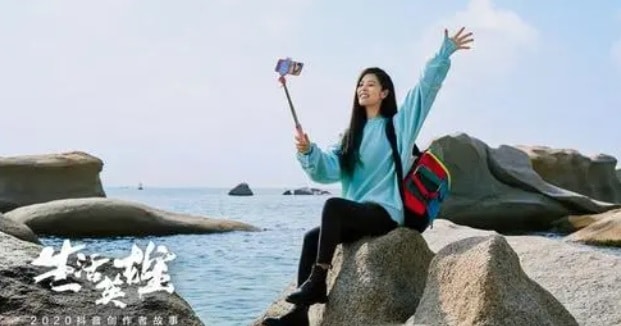
The essence of your destination should be genuine and authentic, and one of the best ways to achieve this is by collaborating with local content creators or influencers. These individuals offer an innate understanding of the locale, and their incorporation of local music or current trends creates content that truly resonates. For a more compelling approach, consider the impact of a day in the life of a local fisherman versus a standard beach video.
Engage with comments & feedback
Interactivity is pivotal in the digital realm. Engaging with comments and feedback fosters a two-way dialogue, enhancing visibility and trust. This dynamic interaction can pave the way for new content ideas, such as diving deeper into aspects of your destination that viewers express curiosity about.
Use platform-specific features to shine
Each Chinese short-video platform offers tools and features designed to boost engagement. From Douyin’s captivating special effects to Kuaishou’s playful stickers, leveraging these tools can significantly elevate content visibility. A fun initiative, like a dance challenge against your city’s landmarks on Douyin, can stir interest and virality.
Utilize features like Douyin Daka to engage users
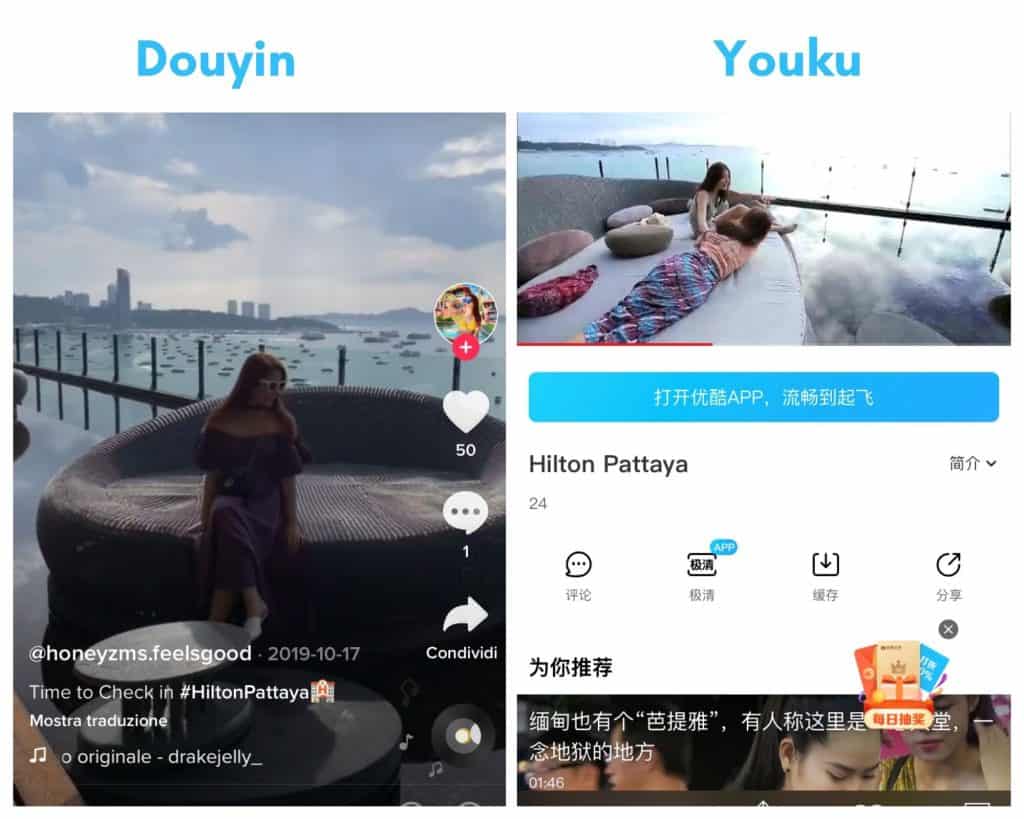
I highly recommend utilizing features like Douyin Daka to engage users when promoting destinations to Chinese travelers. Douyin Daka is a powerful user-generated content tool within the popular Douyin short video app that allows users to check in at specific locations.
By leveraging this feature, you can prompt Chinese users to interact with your brand and showcase their experience at your destination. It’s important to note that Douyin marketing provides a gateway for reaching over 750 million active users, making it an effective platform for promoting travel destinations.
Through the strategic use of Douyin Daka and incorporating short-video marketing strategies, you can effectively capture the attention of Chinese travelers and showcase the unique experiences your destination has to offer.

Create culturally relevant and localized video content
To effectively promote destinations to Chinese travelers, it is important to create video content that is culturally relevant and localized. This means tailoring the videos specifically for the Chinese market and considering their preferences and interests in the Chinese social media scene.
By doing this, you can capture the attention of Chinese tourists and inspire them to visit your destination.
One way to create culturally relevant video content is by showcasing unique aspects of your destination that would appeal to Chinese travelers. Highlight popular attractions, local customs, traditional festivals, and cuisine that are likely to resonate with them.
Incorporating elements like local language and subtitles in Mandarin can also help establish a connection with the audience.
Moreover, collaborating with local influencers or Key Opinion Leaders (KOLs) who have a strong presence on Chinese social media platforms can significantly boost your reach and credibility among potential travelers.
These influencers can help promote your destination through their own videos while adding an authentic touch that resonates with their followers.
Know key dates of the Chinese holiday calendar
I want to talk about how key dates of the Chinese holiday calendar matter. They help you plan for better marketing.
- You should study the Chinese lunisolar calendar. It tells you when the holidays are. Main holidays happen in late January or early February.
- The Mid-Autumn Festival is another big date on this calendar. It happens around October and usually, many people choose to travel during that time.
- China’s Labor Day Holiday also sees a lot of travel activity. For example, from April 29 to May 3, 2023, people moved around a lot.
- Look at the public holidays too. These days are often used by Chinese people to take trips.
- Cultural festivals in China can be times of high travel too.
Implement O2O tactics to attract tourists to offline locations
To attract Chinese tourists to offline locations, implementing O2O (online-to-offline) tactics is crucial. These tactics ensure safety and convenience for the tourists while bridging the gap between online marketing and physical locations.
By offering localized services, promotions, or memberships that can be redeemed at offline stores, you can entice Chinese travelers to visit your destination. This omnichannel approach combines the ease of online shopping with the tangible experience of exploring a physical store.
It not only increases customer sales but also provides reassurance and inspiration for travelers looking for a unique offline experience. With O2O strategies in place, you can effectively promote your destination and drive more foot traffic to your offline locations.
Engage with existing Chinese communities in the destination
To effectively promote a destination to Chinese travelers, it is essential to engage with the existing Chinese communities in that location. Building relationships with these communities can help create a welcoming and inclusive environment for Chinese tourists.
By understanding and respecting cultural differences, destinations can develop targeted marketing strategies tailored to different segments of the Chinese tourist market. Providing translation services, language assistance, and Chinese-friendly amenities and facilities can also ensure safety and convenience for Chinese tourists.
Furthermore, exploring partnerships with tourism operators in China can help educate potential travelers about the destination’s unique offerings while leveraging the popularity of nearby destinations like Hong Kong and Macau.

Innovative Ideas for Short Video Content on Chinese Platforms
I gathered some ideas for the best short video content for all tourism-related companies, based on our expertise and trends observed on popular social media apps among Chinese audience.
- Unearth Hidden Gems: Dive into the lesser-known facets of your destination, capturing hidden alleys, local markets, or secret beaches. By showcasing these unique spots, you give travelers a reason to choose your locale over more popular, crowded destinations.
- A Day in Local Life: Narrate the everyday stories of locals, be it a fisherman’s morning routine, a potter sculpting clay, or a chef preparing a regional delicacy. This not only displays authenticity but allows viewers to envision themselves in these experiences.
- Celebrating Cultural Nuances: Highlight festivities, traditions, or events unique to your destination. Showcase how locals celebrate the Chinese New Year or any festival, allowing viewers to anticipate and partake in these celebrations during their visit.
- Engage with Questions: Craft interactive content that prompts viewers to engage. After showcasing a local dish, ask viewers about their favorite local cuisine, or after highlighting a scenic viewpoint, solicit recommendations for sunrise or sunset spots.
- Collaborative Discoveries: Collaborate with influencers or local creators, letting them lead a day’s itinerary. Their exploration and genuine reactions can bring a fresh, influential perspective to familiar spots.
- Leverage Platform Tools for Storytelling: Use Douyin’s special effects to recreate a historical event at a landmark or Kuaishou’s stickers to add festive flair during holiday seasons. Encourage participation with challenges, like initiating a dance sequence against popular city landmarks.
Crafting videos with these ideas can engage, inform, and inspire potential travelers, positioning your destination as their next must-visit spot.
Why Choose Gentlemen Marketing Agency for Your Chinese Social Media Strategy?
Navigating the labyrinthine world of Chinese short-video platforms requires expertise, cultural insight, and a deep understanding of the local audience’s evolving tastes. This is where Gentlemen Marketing Agency comes into the picture, offering a unique blend of innovation, proficiency, and hands-on experience.

Our Unique Value Proposition:
- Tailored Strategy: Every destination has a story to tell, and we specialize in molding that narrative to resonate with the Chinese audience. Our strategies are never one-size-fits-all. Instead, they’re bespoke, tailored to highlight your destination’s unique charm and appeal.
- Local Insight: With our team rooted in China, we’re not just observing from the sidelines. We’re immersed in the culture, staying abreast of trends, shifts, and emerging preferences. This allows us to craft content that’s timely, relevant, and impactful.
- Collaborative Ecosystem: Over the years, we’ve cultivated strong relationships with influencers, content creators, and key stakeholders within the Chinese digital sphere. Our collaborations ensure your content receives the visibility and engagement it truly deserves.
- End-to-End Solutions: From ideation and strategy formulation to content creation, distribution, and feedback analysis, our services encompass every facet of the digital promotion journey.
- Proven Track Record: Our portfolio speaks volumes. We’ve assisted numerous brands in establishing a robust presence on platforms like Douyin, Kuaishou, Xiaohongshu, and WeChat Channels, translating their visions into tangible results.
In an era where the digital landscape is ever-evolving, it’s crucial to partner with an agency that doesn’t just follow the trends but sets them.
Let Gentlemen Marketing Agency be the compass guiding your brand to success in the Chinese digital arena. Contact us today, and let’s embark on this journey together.






Hello
Great case study about Destination promotion in China
https://www.linkedin.com/posts/philip-chen-809b86137_tourism-shortvideos-china-activity-7109939771572948992-QMof?utm_source=share&utm_medium=member_desktop
Have a look and great to connect