Weibo Marketing Guide For Hospitality And Travel Professionals
Navigating China’s vast social media landscape can be a tough hurdle for hospitality and travel professionals. As someone who has experienced the confusion firsthand, I’ve researched these platforms extensively to understand their potential better.
This blog post will guide you through the intricacies of Weibo – a leading platform used by millions of Chinese travelers daily – and share tips on leveraging it effectively to reach your target audience.
Get ready to amplify your brand using Weibo!
Introduction to Sina Weibo
Weibo, often referred to as China’s version of Twitter, stands as one of the country’s most popular social media platforms. With its microblogging interface, it has become an integral communication tool, shaping online discourse and playing a pivotal role in the digital marketing landscape.
For hospitality and travel professionals targeting the Chinese market, understanding Weibo’s dynamics can be a game-changer in creating impactful marketing campaigns that resonate with the audience.
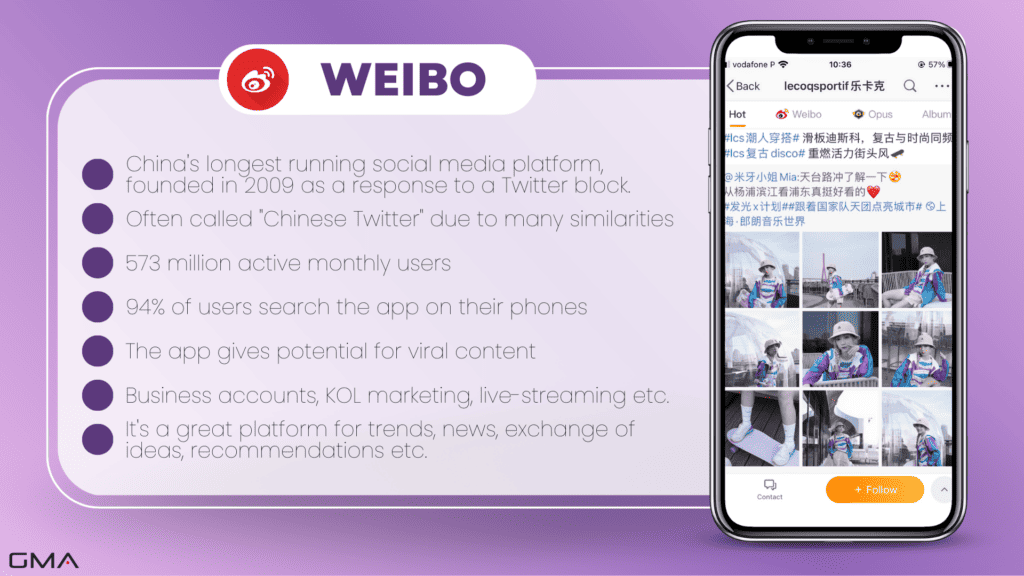
As of 2023, Weibo has more than 573 million monthly active users. There are more than 250 million daily active users of which 94% use the app mainly on their phones.
Weibo initially began as a simple microblogging service. However, its rapid acceptance saw it evolving into a comprehensive social media platform, encompassing multimedia sharing, live streaming, and even e-commerce.
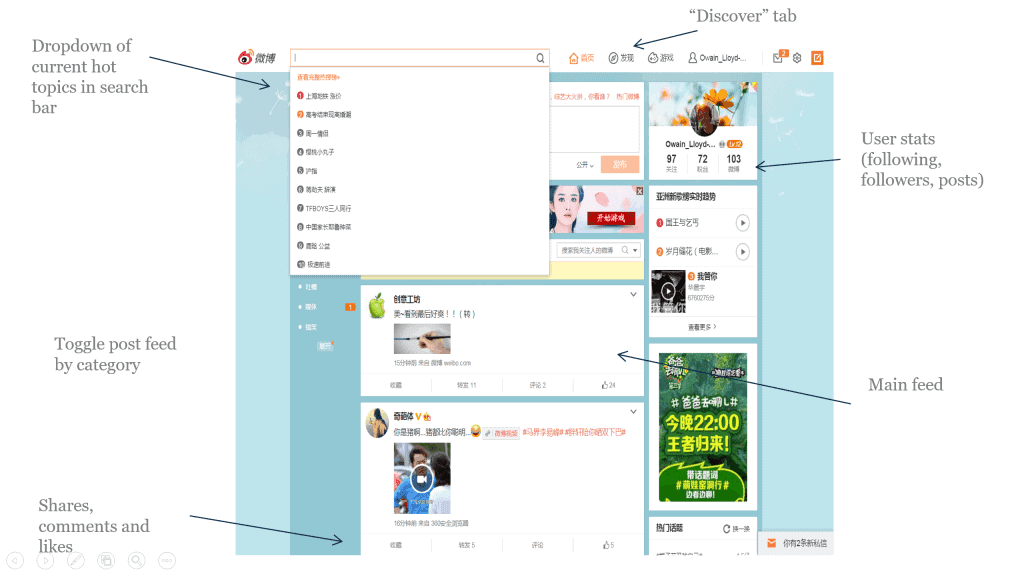
Demographics: Who are Weibo users?
A significant portion—over 50%—of Weibo’s audience comes from third and fourth-tier cities in China, untapped goldmines for the travel industry given their growing appetite for exploration and luxury. In terms of content, Weibo boasts over a million accredited content creators, churning out travel insights, reviews, and experiences across a broad spectrum of 55 categories.
A deeper dive into the age demographics reveals that 48% of Weibo’s users fall between the ages of 30 and 39, an age bracket known for its financial stability and propensity to travel.
Following closely are the younger, vibrant users under 20, making up 30% of the user base. These avid travelers are eager for swift interactions with travel brands and influencers and are inclined toward those that keep up with the latest travel trends.
The sheer volume of content on Weibo is staggering—with 130 million words published daily, accompanied by 1.5 million travel-focused videos and live streams, it’s a bustling hub for travel enthusiasts and professionals alike.
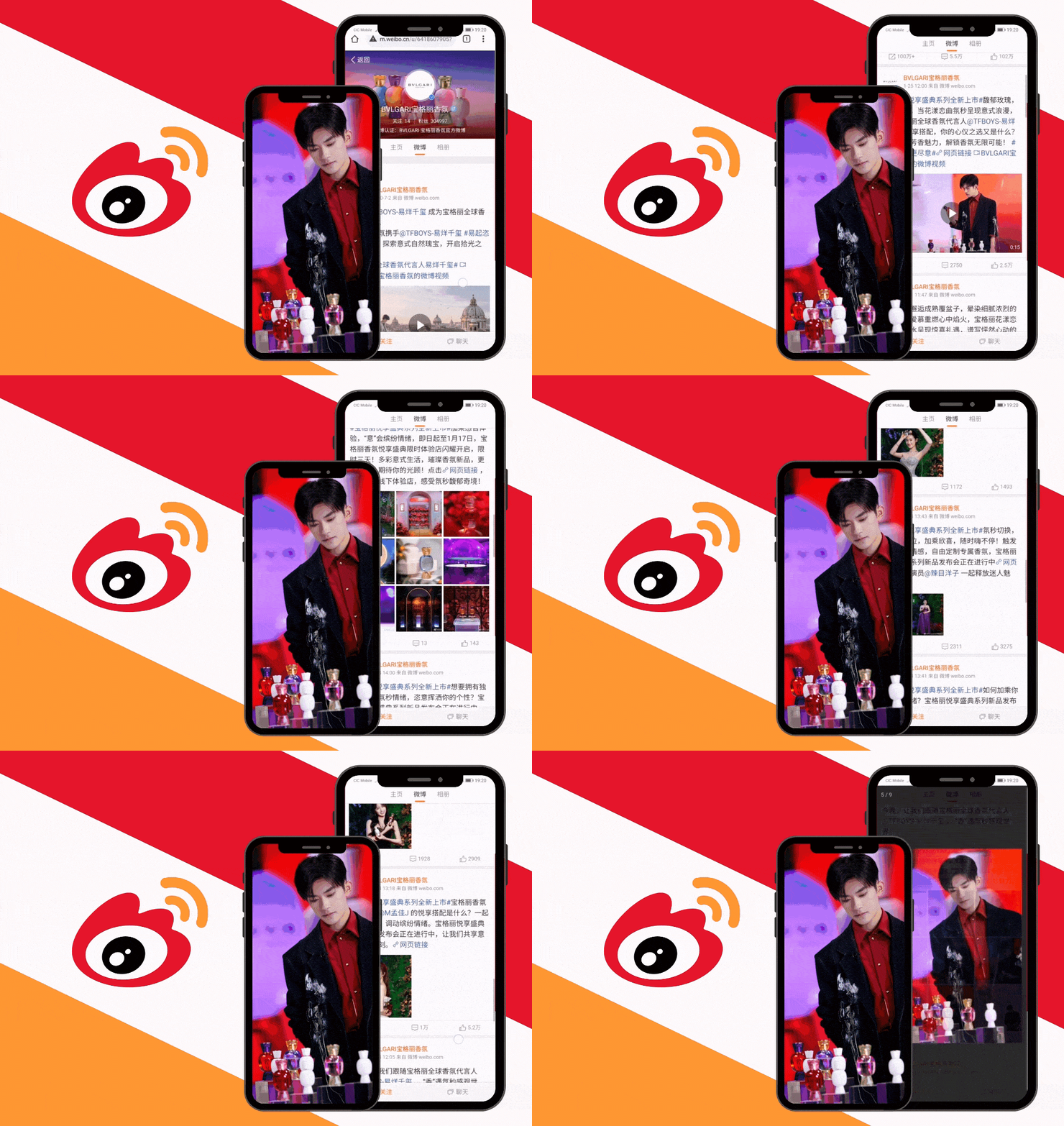
How to Set up a Weibo Official Account?
Tourist boards, travel agencies, tour operators, hotels, and even travel influencers (KOLs) on Weibo should consider account verification not only to prevent misrepresentation and impersonation but also to cement their credibility with potential travelers. A verified badge on your Weibo account inherently enhances user trust and can considerably amplify the efficacy of your effective Weibo marketing strategy efforts on the platform.
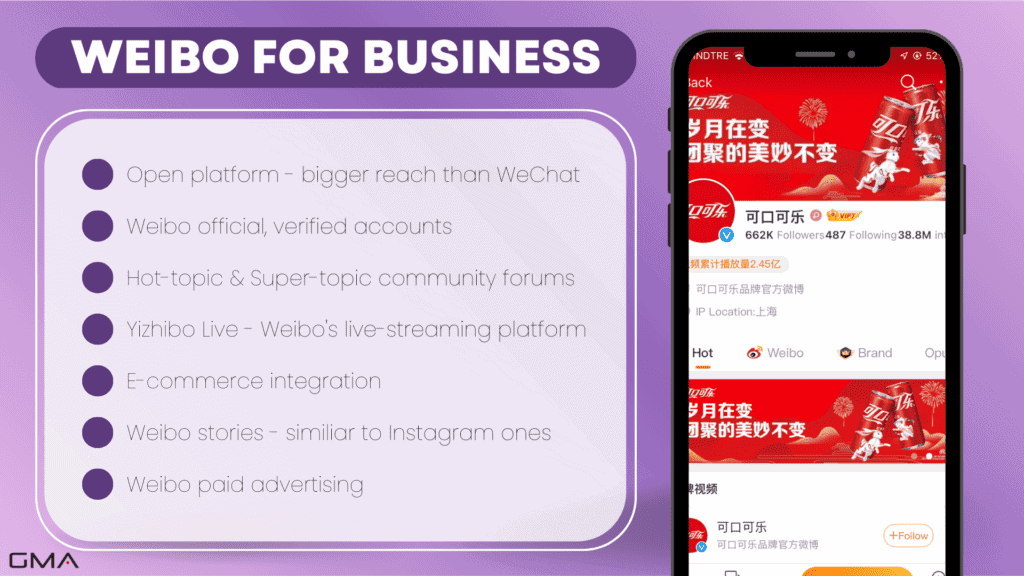
Initiating an official account on Weibo for the Chinese market, especially for those in the tourism sector, is straightforward. It begins with a simple registration using a unique email address and mobile number.
Post-registration, the verification phase requires specific documentation. For businesses operating within China, the following are needed:
- Chinese Business Registration License
- Certified Letter
- Trademark Registration Certificate
- Internet Content Provider Registration
- Additional documents solidifying your business identity
For international tourism entities without a Chinese Business Registration License, fear not. Weibo’s Overseas Account Verification procedure is designed for you. This necessitates:
- Official documents pertaining to your company’s registration, complemented by their certified Chinese translations
- Contact specifics of your team or designated account overseer
- A formal application and third-party authorization letter
Once all required paperwork is in order, Weibo account verification typically concludes within a week.
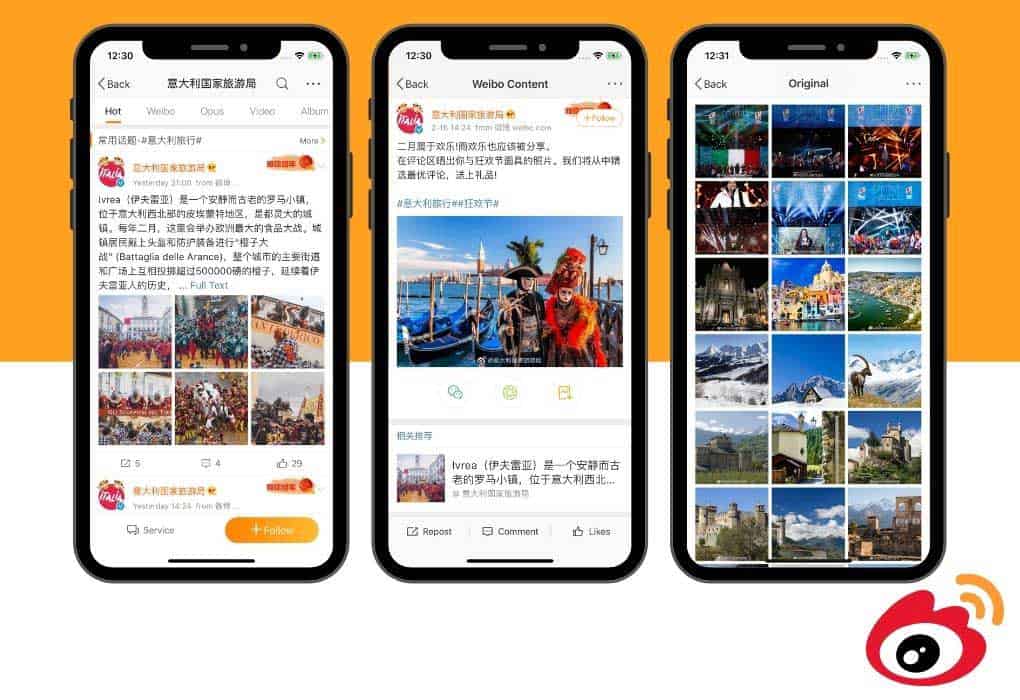
An essential aspect to note is the associated cost. International tourism businesses looking to obtain a verified Weibo account via the platform’s Overseas Account Verification method will incur a $1,000 entry fee.
Only with a verified account can you embark on Weibo marketing campaigns on Weibo, from tailored ads and Weibo posts to content-driven campaigns. This status also grants you access to Weibo’s array of analytical tools like trend data SEO and the Weibo account management platform, which are instrumental in acquiring actionable insights about your audience’s preferences and behavior.
Best Practices for Content Creation on Weibo
Good content is the core of this platform, as it’s your way to attract travelers and grasp their attention. So how to do it right?
Get to know your audience first
Understanding the nuances and preferences of the Chinese travel market is the foundation of any successful content strategy. This audience, steeped in a rich cultural context, has unique travel behaviors and aspirations that distinguish them from global travelers.
China’s middle class, burgeoning with young professionals and digital natives, has shown an increasing appetite for experiential travel. Be it eco-tourism, historical trips, or luxury stays, being attuned to these trends will ensure your content is timely and relevant.
Every piece of content should respect and acknowledge Chinese customs, holidays, and values. Highlight aspects that resonate with their cultural appreciation, such as family-friendly destinations during Lunar New Year or romantic getaways during Qixi Festival.
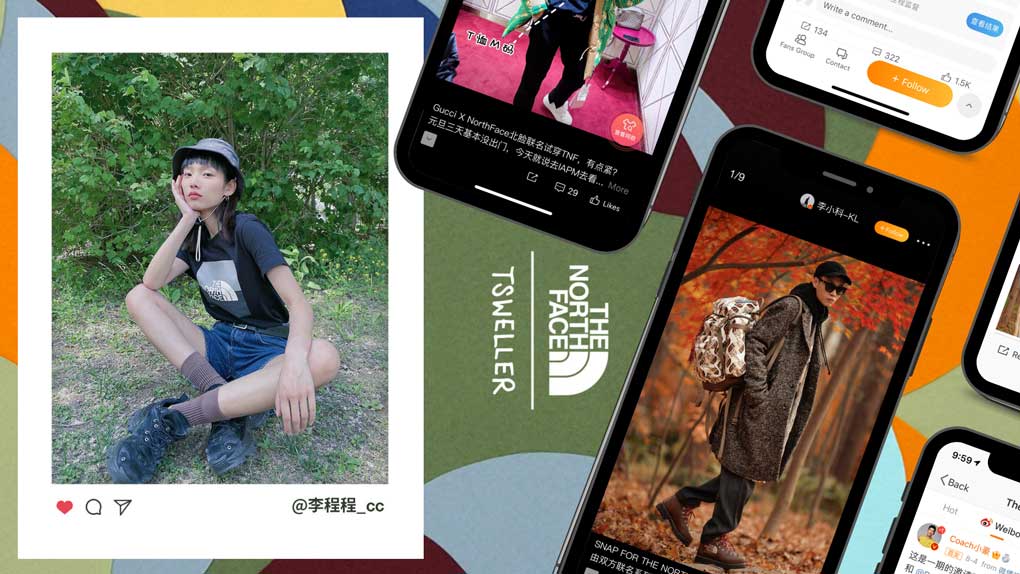
Focus on visuals: photos, infographics, and videos
The adage “show, don’t tell” holds even more truth in the vibrant world of travel marketing. Visuals have the power to transport viewers, invoking feelings of wanderlust and intrigue.
A well-composed photograph can encapsulate the ambiance of a destination. Emphasize authenticity – candid shots of local interactions, serene landscapes at dawn, or bustling markets can paint a vivid picture for the potential traveler.
Chinese travelers, especially the younger demographic, appreciate well-curated information. Infographics detailing travel tips, must-visit sites, or even fun facts about a destination can provide value while being visually engaging.
When it comes to videos, take your audience on a virtual journey. Drone shots of scenic vistas, time-lapses of cityscapes, or in-depth travel vlogs can engage viewers, making them yearn for the real experience.
Posting strategy – what’s the best time to publish content?
The ‘when’ and ‘how often’ can be just as crucial as the ‘what’ in content strategy. While it’s tempting to flood your Weibo timeline with content, moderation is key. Overposting can lead to audience fatigue. Analyze user activity to gauge the optimal posting frequency.
Synchronize your posts with times when Chinese netizens are most active. Additionally, aligning content with specific events or holidays can amplify its reach and relevance. Variety keeps the audience engaged. Alternate between travel stories, promotional offers, behind-the-scenes looks, and travel guides to cater to the diverse interests of your followers.
User-generated content and reviews will bring you the biggest amount of views
In an era where consumers are inundated with marketing messages, authenticity stands out.
UGC, from travel blogs to photo testimonials, lends credibility to your brand. By showcasing real travelers’ experiences, you not only validate the quality of your offerings but also create a relatable narrative for potential customers.
On top of that, encourage satisfied travelers to share their reviews. A positive review can significantly influence prospective travelers, while constructive feedback can offer insights for improvement. Regularly engaging with these reviews, be it through gratitude or redressal, showcases your brand’s commitment to customer satisfaction.

Promotional Tactics and Campaign Ideas for Tourism
Navigating Weibo marketing requires a blend of strategic promotions and authentic engagement tactics. Dive into these curated campaign ideas and promotional strategies tailored for the travel industry, ensuring your brand resonates deeply with the Chinese audience.
Flash Sales and Discounts
In a fast-paced digital world, flash sales and discounts can drive quick engagement and conversion, capitalizing on the sense of urgency and the fear of missing out among travelers.
Time your flash sales around peak travel periods, holidays, or popular events in China. This not only caters to the increased demand but also builds anticipation among potential travelers.
While discounts can be enticing, it’s essential to ensure that the perceived value remains high. Bundle offers, limited-time upgrades, or exclusive add-ons can enhance the appeal of your promotional campaign.
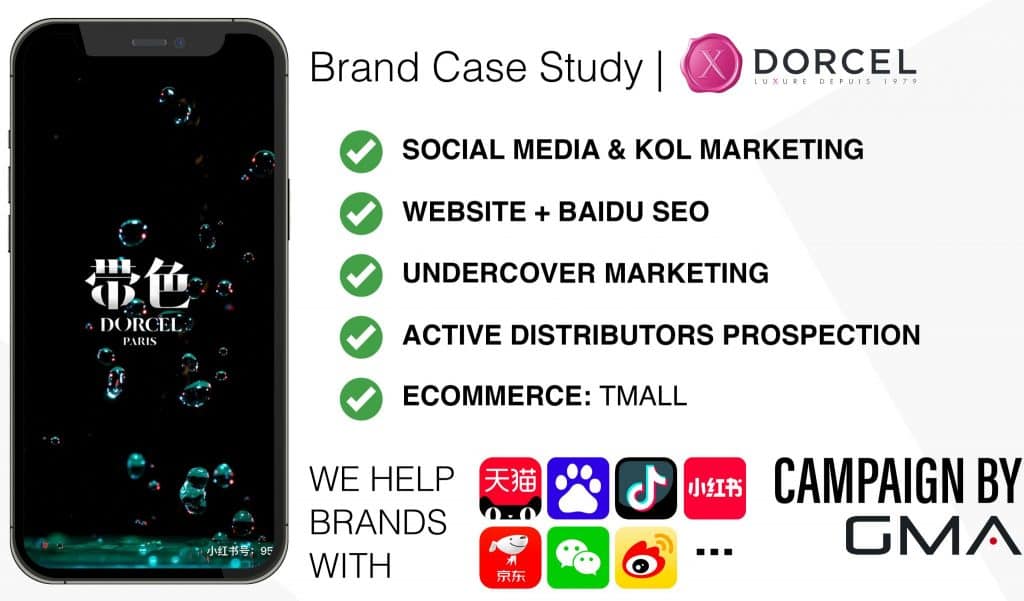
Collaborate with Key Opinion Leaders to generate word-of-mouth marketing
Influencers and KOLs command significant trust and can shape travel decisions, especially among the younger Chinese demographic.
Choose influencers and KOLs who align with your brand’s ethos and cater to your target audience. Their endorsement should feel authentic, ensuring credibility and trust among followers.
Rather than just sponsored posts, engage in co-creation. Allow influencers to share genuine experiences, be it a stay at your resort or a tour package, providing first-hand insights that resonate with their audience. Create a good content collection campaign and other Weibo marketing strategies to activate your followers.
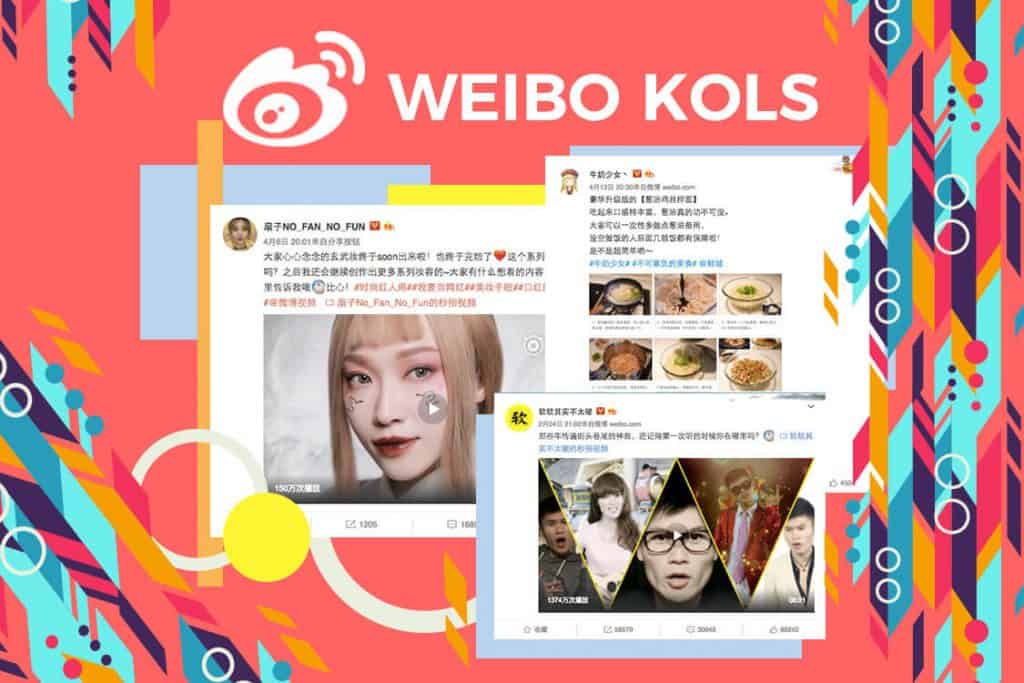
Host Contests and Giveaways: Engaging Through Rewards
Contests and giveaways can spur engagement, increase your brand’s visibility, and provide a fun and interactive way to connect with potential travelers.
Design contests that resonate with Chinese cultural nuances. For instance, a photo contest during the Mid-Autumn Festival or a travel story competition around Chinese New Year can evoke nostalgia and participation.
Ensure that contest rules are transparent and that rewards are enticing enough to drive participation. Exclusive stays, travel vouchers, or unique experiences can be compelling incentives.
User Testimonials and Stories: The Power of Real Experiences
In an age where authenticity is highly valued, real travel stories and testimonials provide a genuine glimpse into what potential travelers can expect.
Highlight a range of testimonials, from solo travelers to families, showcasing how versatile and accommodating your offerings are to different travel needs.
Encourage travelers to share not just written reviews but also photos, videos, or even vlogs. A heartfelt narrative, coupled with engaging visuals, can serve as a powerful endorsement for your brand.
Weibo Advertising for the Tourism Industry
The tourism industry, with its vast array of visuals, experiences, and stories, aligns seamlessly with Weibo’s dynamic advertising tools. By leveraging Weibo’s advertising ecosystem, travel marketers can ensure their destination or service stands out, driving both brand awareness and bookings.
Let’s delve deeper into the specific advertising tools offered by a Weibo ad account that can be harnessed for impactful Weibo campaigns.
Fan Tunnel: Curated Reach for the Right Audience
The Fan Tunnel Weibo advertising method allows travel brands to push enticing content directly to a specific demographic or interest group. Whether targeting honeymooners, adventure seekers, or luxury travelers, this tool ensures your message reaches those with the highest conversion potential.
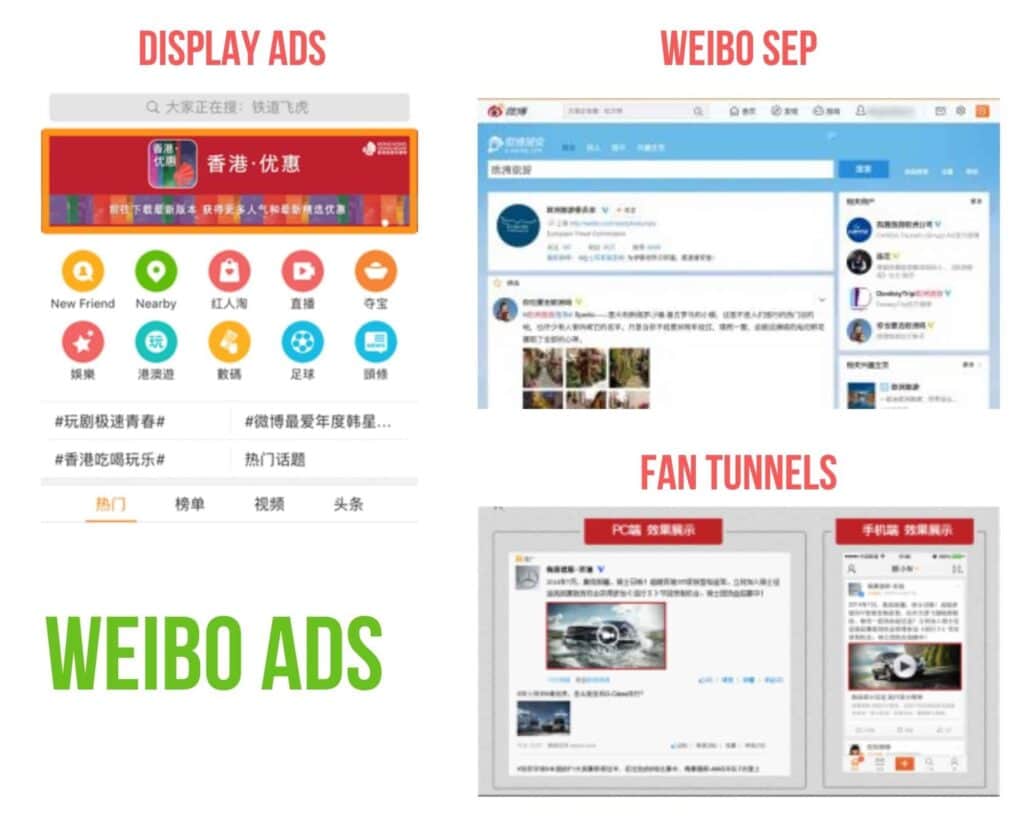
Display Ads: Capturing the Wanderlust
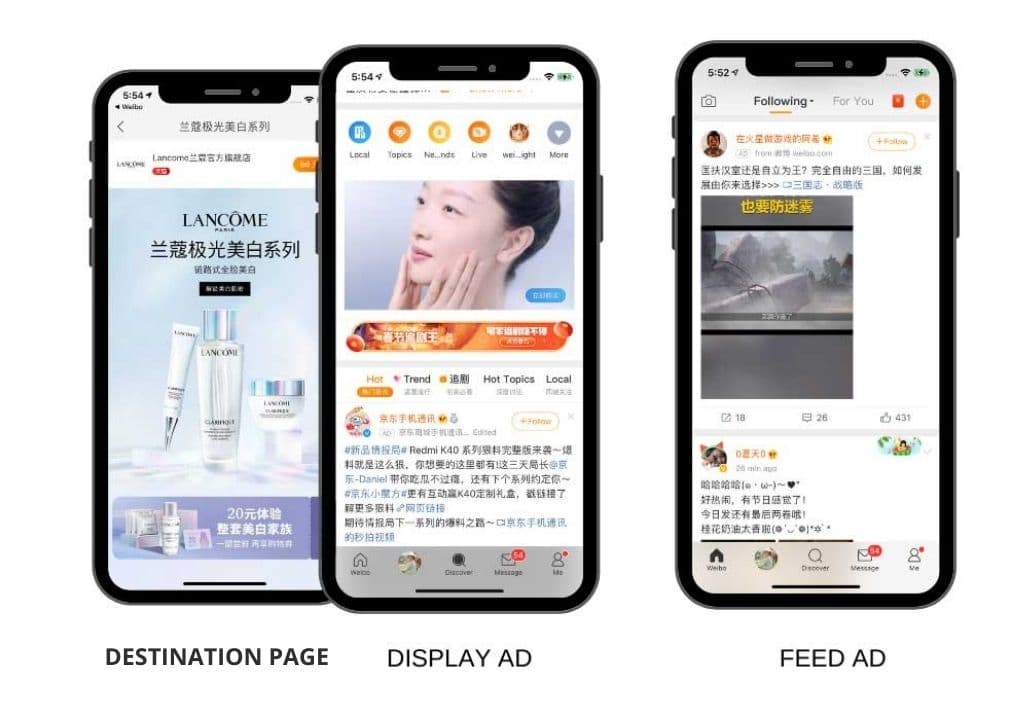
Commanding prime digital real estate, Display Ads are the billboards of Weibo. Through them, destinations can come alive, travel deals can dazzle, and the spirit of exploration can be ignited.
Fan Headlines: Making Announcements Stand Out
Be it a last-minute discount on a resort stay or the launch of a new travel package, Fan Headlines boost your post to appear at the top of followers’ feeds for 24 hours, ensuring maximum visibility.
Destination Page Ads: Crafting Immersive Journeys
These ads transport users to a brand-centric realm within Weibo. It’s an opportunity for travel brands to offer a comprehensive look into their offerings, from showcasing exotic destinations to detailing unique travel experiences.
Feed Ads: The Art of Subtle Promotion
Melding seamlessly into users’ feeds, Feed Ads offer a non-disruptive promotional avenue. They present travel offers and stories in a format akin to organic content, fostering engagement and eliciting wanderlust among the platform’s vast user base.
Why Choose Us? Dive into the World of Weibo with Gentlemen Marketing Agency
Navigating the vast expanse of Weibo, especially within the travel and hospitality sector, requires a seasoned hand and strategic expertise. Enter Gentlemen Marketing Agency (GMA).
With years of dedicated experience, we at GMA have crafted and refined our approach to Weibo marketing, ensuring that each campaign resonates powerfully with the discerning Chinese audience. Our strength lies in our ability to deeply understand your brand and tailor a strategy that not only aligns with Weibo’s dynamic ecosystem but also stands out in the competitive market.
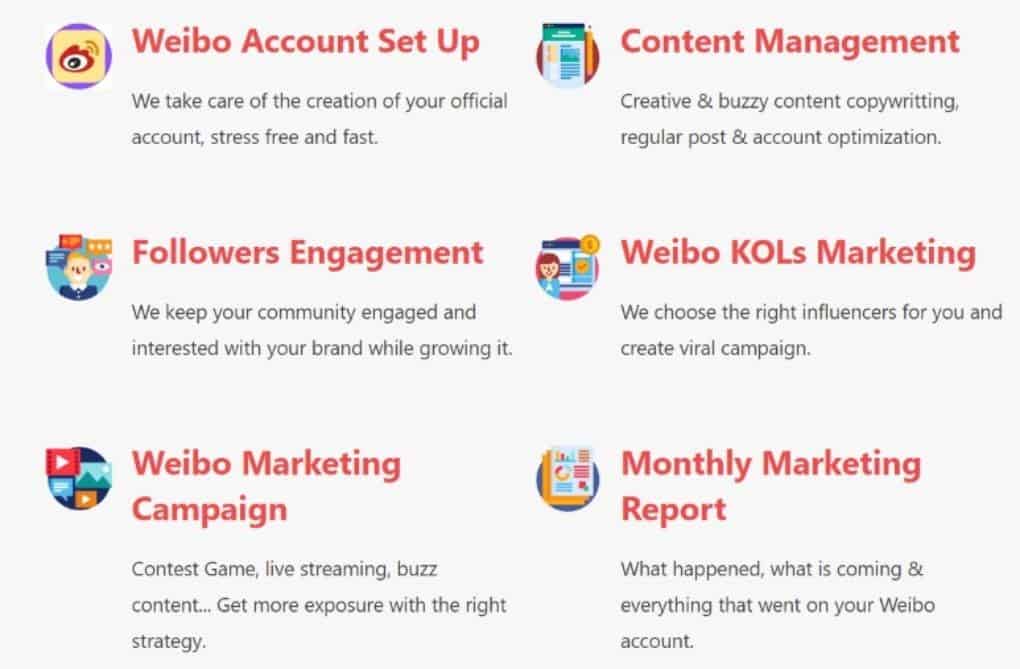
From initial strategy development, and Weibo search engine promotion to comprehensive creative campaigns execution and meticulous performance analysis, we pride ourselves on offering end-to-end solutions. Our commitment is to ensure that your brand doesn’t just have a presence on Weibo but thrives, engaging potential travelers and driving conversions.
If you’re seeking to elevate your Weibo marketing efforts and genuinely connect with the Chinese travel audience, consider partnering with GMA. Together, we can chart a course for success in China’s vibrant digital travel landscape.




Very informative and impressive. We would like to join.