5 reasons why Chinese like travel to Thailand
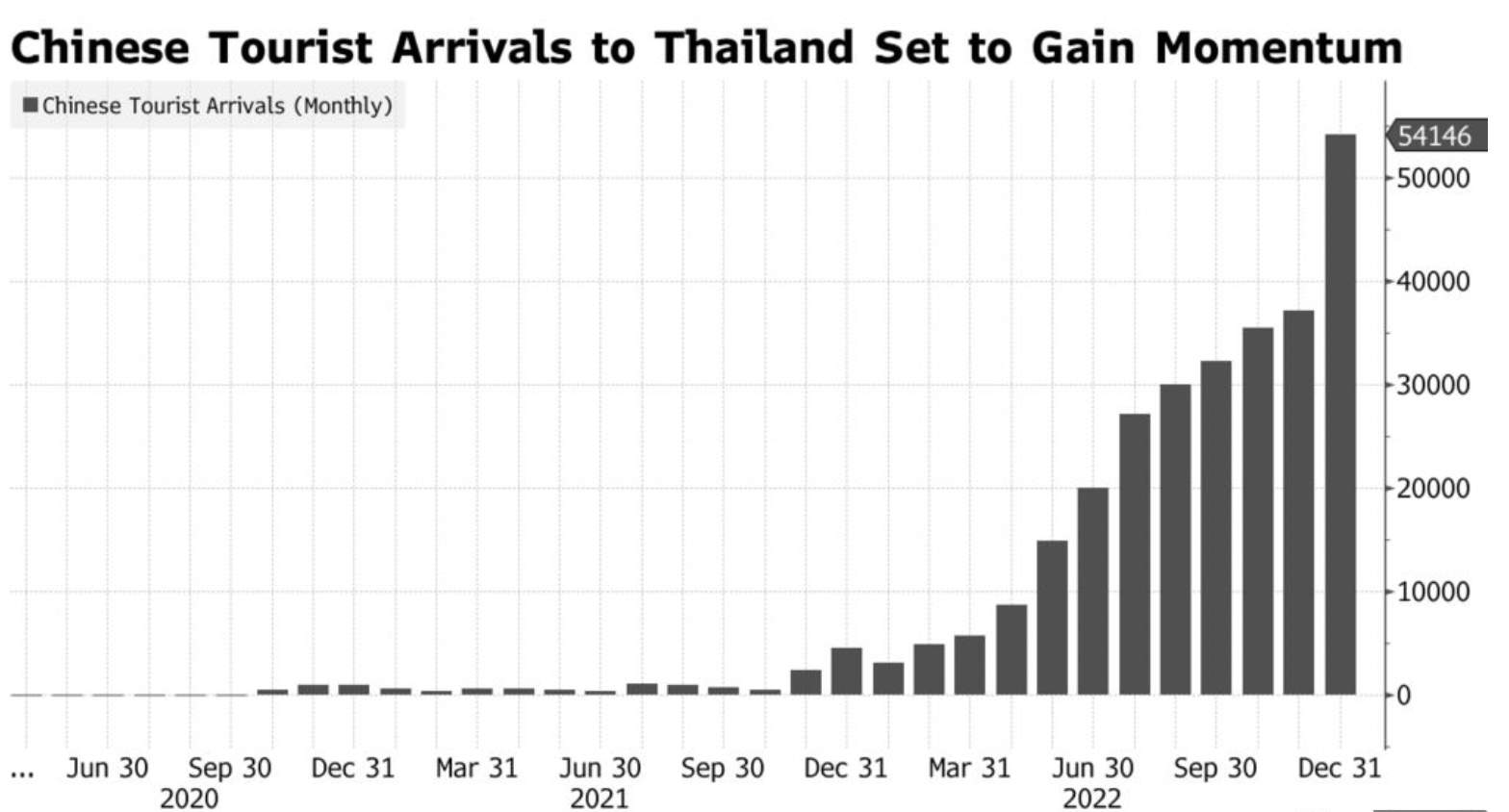
Thailand is one of the top destinations for Chinese tourists and in 2026 that position is stronger than ever. Before COVID Chinese travelers made up more than 25% of all visitors to Thailand. After the pandemic pause both countries worked quickly to restore those numbers: direct flights increased, promotion campaigns ran in major Chinese cities, and Thailand removed visa requirements for Chinese visitors in 2023. The results were fast. Chinese arrivals bounced back strongly and the trend has continued upward.
So what makes Thailand so popular with Chinese tourists? Here are five clear reasons, plus what tourism businesses need to do to capture their share of this market.
1. It Is Close and Easy to Reach
For Chinese travelers, Thailand is a short flight from most major cities. Shanghai to Bangkok is around 4.5 hours. Chengdu to Chiang Mai is under 3 hours. This makes Thailand accessible for long weekends and short holidays, not just the longer annual trips. Chinese millennials in particular are taking more frequent shorter trips, and Thailand fits that pattern perfectly.
The cost of getting there is also relatively low compared to Europe or North America. Direct flights are frequent, budget carriers operate on several routes and accommodation options cover every price point. Thai baht pricing means even a luxury hotel or resort feels affordable by Chinese urban standards. All of this adds up to a destination that removes friction and says yes at every stage of the planning process.
2. The Food Is Familiar and Exciting at the Same Time
Chinese tourists value familiar flavors when they travel, and Thai food sits in a comfortable middle ground: it has rice, noodles, seafood and spices that feel close to home while being different enough to feel like an adventure. Street food markets in Bangkok and Chiang Mai are consistently among the most photographed and shared locations in Chinese travel content on Douyin and RED.
Thai restaurants have also adapted well to Chinese guests. Chinese-language menus are common in tourist areas, many restaurants accept Alipay or WeChat Pay, and staff in popular tourism zones often speak basic Mandarin. These small things make a real difference to Chinese visitors who are deciding between Thailand and a destination with less Chinese-friendly infrastructure.
3. The Scenery Generates Perfect Social Media Content
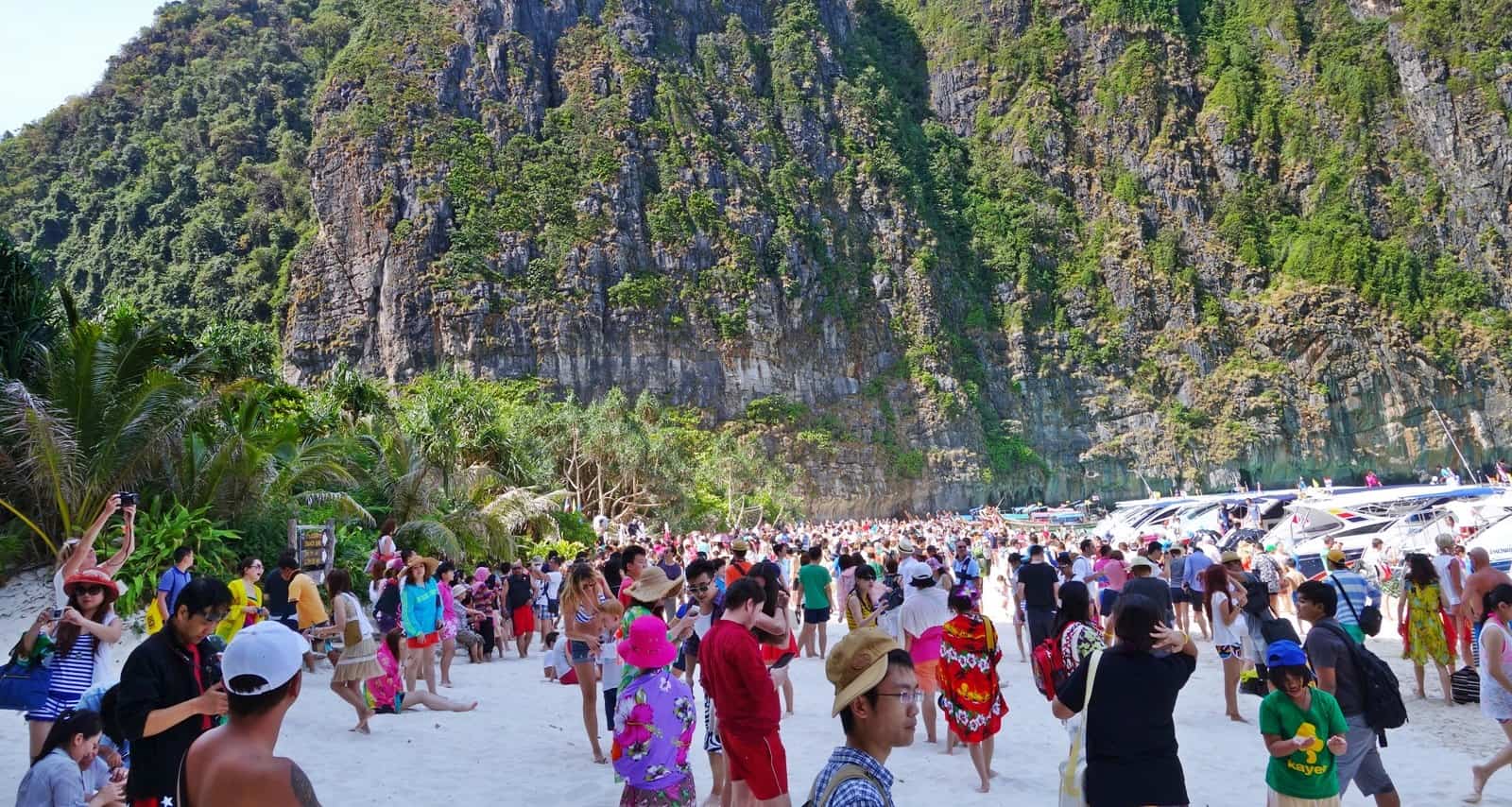
Thai beaches, temples, floating markets, jungle landscapes and rooftop bars in Bangkok: everything photographs well. For a generation of travelers who plan trips partly around the content they will create, Thailand is almost purpose-built. Phuket, Koh Samui, Krabi, Chiang Mai and Bangkok all feature heavily in Chinese travel content. When a destination generates organic content at this scale it creates a self-reinforcing cycle: more content leads to more awareness, which leads to more visitors who create more content.
The Phi Phi islands and the Grand Palace in Bangkok are already on every Chinese travel wishlist. But there is growing interest in less obvious spots: the hill tribes of northern Thailand, the ancient city of Ayutthaya, the night markets of Pai. Younger Chinese travelers are actively looking for original takes on Thailand that their friends have not already posted.
4. Strong Government Partnership Between Thailand and China
Thailand has made Chinese tourism a national priority for years. The Tourism Authority of Thailand has offices in Beijing, Shanghai and Guangzhou. Regular roadshows in Chinese cities promote Thai destinations directly to Chinese consumers. Staff exchange programs between Thai and Chinese tourism offices improve service quality and communication.
The visa-free arrangement introduced in 2023 was a direct result of this cooperation and it had an immediate effect on bookings. Chinese travelers who might have chosen Malaysia or Vietnam for a visa-free trip now add Thailand to their shortlist without hesitation. The political will to make this market work is clearly there on both sides.
5. Safety and Comfort for Chinese Visitors
Safety is a real factor in Chinese travelers destination choices. Thailand has a reputation for being welcoming and safe for Chinese visitors. The large existing Chinese community in Bangkok and other cities means Chinese tourists can always find Mandarin speakers, Chinese restaurants and familiar products. This sense of comfort matters particularly for first-time international travelers and for older Chinese tourists joining group tours.
“Thailand checks every box for Chinese outbound travelers, and the numbers show it,” said Jon Wang, analyst at GMA. “Proximity, food, beaches, nightlife, temples, shopping: the destination has something for every Chinese traveler profile. What is interesting now is that the market is maturing. Chinese tourists are going beyond Phuket and Pattaya. They are exploring northern Thailand, island hopping and coming back multiple times. Businesses that serve returning Chinese visitors and build loyalty will benefit more than those chasing first-time group tours.”
What Tourism Businesses in Thailand Need to Do
Being in Thailand is not enough on its own. Chinese tourists research before they travel and they book on Chinese platforms. A hotel or tour operator that is not listed on Ctrip or Mafengwo, or has no Douyin content, will miss a large share of independent Chinese travelers who are doing their own research. You need to be visible where Chinese tourists are looking and you need Chinese-language content that answers their specific questions.
Our guide to reaching Chinese tourists through social media covers the platforms and tactics that work best for Thailand-based hospitality businesses. And if you want a full picture of what a China-ready digital strategy looks like, our Chinese digital marketing agency team works specifically in this space.
Case Study: A Bangkok Boutique Hotel That Rebuilt Its Chinese Business
Kanya Wattana had been managing the River Terrace Hotel in Bangkok’s Riverside district for five years. The 28-room property had a rooftop pool with a view of the Chao Phraya river and had been popular with Chinese guests before the pandemic. In 2019 Chinese tourists had made up 42% of room nights. By 2022 that figure was zero.
When Chinese travel restarted in 2023 Kanya expected the guests to return automatically. A few did, through old agency contacts, but not at anything close to pre-COVID levels. The problem was clear: her hotel had disappeared from Chinese digital platforms. The Ctrip listing was outdated. There were no recent reviews on Mafengwo. The hotel had no Douyin account and no RED presence. Chinese travelers researching Bangkok hotels simply did not find River Terrace in their search results.
In August 2023 Kanya hired a Chinese digital marketing agency for a 5-month program. The agency rebuilt the Ctrip listing from scratch with new photography, a Chinese description focused on the rooftop pool views and the riverside location, and competitive room pricing for the platform. They also set up a Douyin account and posted three videos per week featuring Bangkok lifestyle content: the hotel’s rooftop at sunset, a morning boat ride on the river, a guide to the best street food within walking distance.
The Douyin account grew to 3,400 followers in the first two months. One video showing the rooftop pool at night with the city lit up behind it got 67,000 views. The Ctrip listing received 24 reviews in the first 90 days, averaging 4.7 stars. Bookings from Chinese travelers went from 0 in July 2023 to 8 in August, 16 in September and 23 in October.
By end of 2023 Chinese guests were back to 31% of room nights. Average spend per Chinese guest, including food and beverage at the hotel, was 28% higher than the overall guest average. In 2024 Kanya ran a second campaign adding RED content and a WeChat Official Account. Chinese guests reached 38% of room nights. The hotel had two Mandarin-speaking staff members and had added Alipay and WeChat Pay at checkout.
What Kanya valued most was the review effect. Once the Mafengwo profile had 40 reviews, new guests would arrive already knowing specific details about the hotel: which room had the best view, which floor was quietest, what to order at the rooftop bar. The community knowledge made guests feel welcome before they even arrived, and that contributed to higher satisfaction scores and more reviews. A self-sustaining cycle that required almost no ongoing effort to maintain.
Thailand Chinese Tourism: Key Data
According to Ctrip, Thailand consistently ranks in the top three international destinations for Chinese travelers in 2025, with Bangkok and Phuket leading in bookings. The Chinese Ministry of Culture and Tourism reported that outbound travel to Southeast Asia grew by 48% in 2025 compared to 2023, with Thailand receiving the largest share of the increase among Southeast Asian destinations.
Thailand Chinese Tourism: Summary Table
| Factor | Detail |
|---|---|
| Chinese share of Thailand tourists (2019) | Over 25% |
| Visa requirement (2026) | Visa-free |
| Top destinations for Chinese visitors | Bangkok, Phuket, Chiang Mai, Krabi, Koh Samui |
| Key booking platforms | Ctrip, Mafengwo, Fliggy |
| Top social channels | Douyin, RED, WeChat |
How GMA Can Help
GMA works with hotels, resorts and tourism operators in Thailand that want to attract more Chinese visitors. Our services include:
- Douyin (TikTok China) campaigns
- WeChat Official Account management
- Baidu SEO and PPC
- RED (Xiaohongshu) influencer marketing
- Chinese website design and localization
- KOL/KOC partnerships
About GMA
GMA is a Shanghai-based digital marketing agency that helps international brands reach Chinese consumers. Since 2012, GMA has worked with tourism boards, hotels, real estate developers, luxury brands and more. The team covers Douyin, WeChat, Baidu, RED and Chinese website design. If you want to grow your Thai tourism business with Chinese visitors, GMA has the tools and experience to help. Visit our services page to get started.
Claire is a content strategist at GMA with 6 years of experience in Chinese digital marketing. She writes about tourism, branding, and how to reach Chinese consumers online.
Thanks for the info: why Chinese tourists like to travel to Thailand.
i really enjoy the picture 🙂
love this site