
Why USA attracts more Chinese tourists than Australia?
According to a study by the United Nations World Tourism Organization and the China Tourism Academy, China sent more travellers abroad than any other market before the coronavirus pandemic paralyzed international travel in 2020, with about 150 million Chinese tourists spending $277 billion abroad in 2018. That exodus stopped in 2020, and as part of its “zero Covid” policy, China continued to forbid its people from travelling abroad throughout the last year even as other nations across the world loosened travel restrictions.
In 2023 China Tourism Academy set Australia among one of the top 5 favourite destinations of Chinese tourists. The country was however lagging behind New Zealand, the USA and Canada.
Here are the reasons why Australia attracted fewer tourists than other countries:
The country is more appealing to Chinese tourists…
According to a study conducted by Hotels.com, Australia reached the top five most desired destinations by Chinese tourists for 2023. This means that the Chinese would rather go to Australia than visit France, New Zealand, the USA and Switzerland.
10 Tips to attract Chinese Tourists in 2023
Australia is indeed a perfect destination for Chinese tourists since it has everything they are looking for. The country is a safe place to travel to, it has got historical touristic sites and is also well-known for its gastronomy. Research conducted by the Australian government showed that Australia met the expectations of Chinese tourists through several points, such as the friendliness of the locals, and the natural attractions (beaches, the Great Barrier Reef, dolphin and whale watching…).

The country, therefore, saw a rise in the number of Chinese tourists coming to visit Australia with 12.2% more visitors than in 2019.
But attracts them less than most other countries that are also favourite destinations
As Chinese tourists were 12.2% more to visit Australia, they were 30% more to visit Canada and 23% more to visit the USA. The country indeed ranks as the 11th most visited destination by Chinese tourists, despite the fact that it is at the top of their wish lists. In fact, The USA, Hong Kong, Thailand, Japan, France, the UK, Italy, South Korea, Taiwan and Malaysia were all better ranked than Australia.
What Australia could improve to attract more Chinese tourists:
Shopping
The survey conducted by Tourism Research Australia found that the satisfaction levels of the Chinese tourists visiting Australia were the lowest for shopping (51%) and for value for money (at 57%). 16% of the Chinese tourists surveyed even said they were dissatisfied with shopping while 12% were dissatisfied with the value for money.

However, according to estimates from the Chinese Ministry of Commerce, 116 million of Chinese prefer shopping abroad and Chinese outbound tourists spent 155 billion dollars abroad in 2014. Chinese tourists abroad are usually spending an average of 1300 dollars per purchase abroad. This is why it is very important for Australia to make sure Chinese tourists have a better purchase experience while visiting their country. To do so, the country’s luxury shops and shopping malls willing to welcome Chinese tourists should make sure to have mandarin-speaking staff and payment facilities that are allowing Chinese tourists to pay with their Chinese credit cards.
Visa system
Accessibility is the key to enabling Chinese tourists to visit a country. Infrastructures and visa facilities should therefore be as practical as possible in order to provide easy access to Chinese tourists.
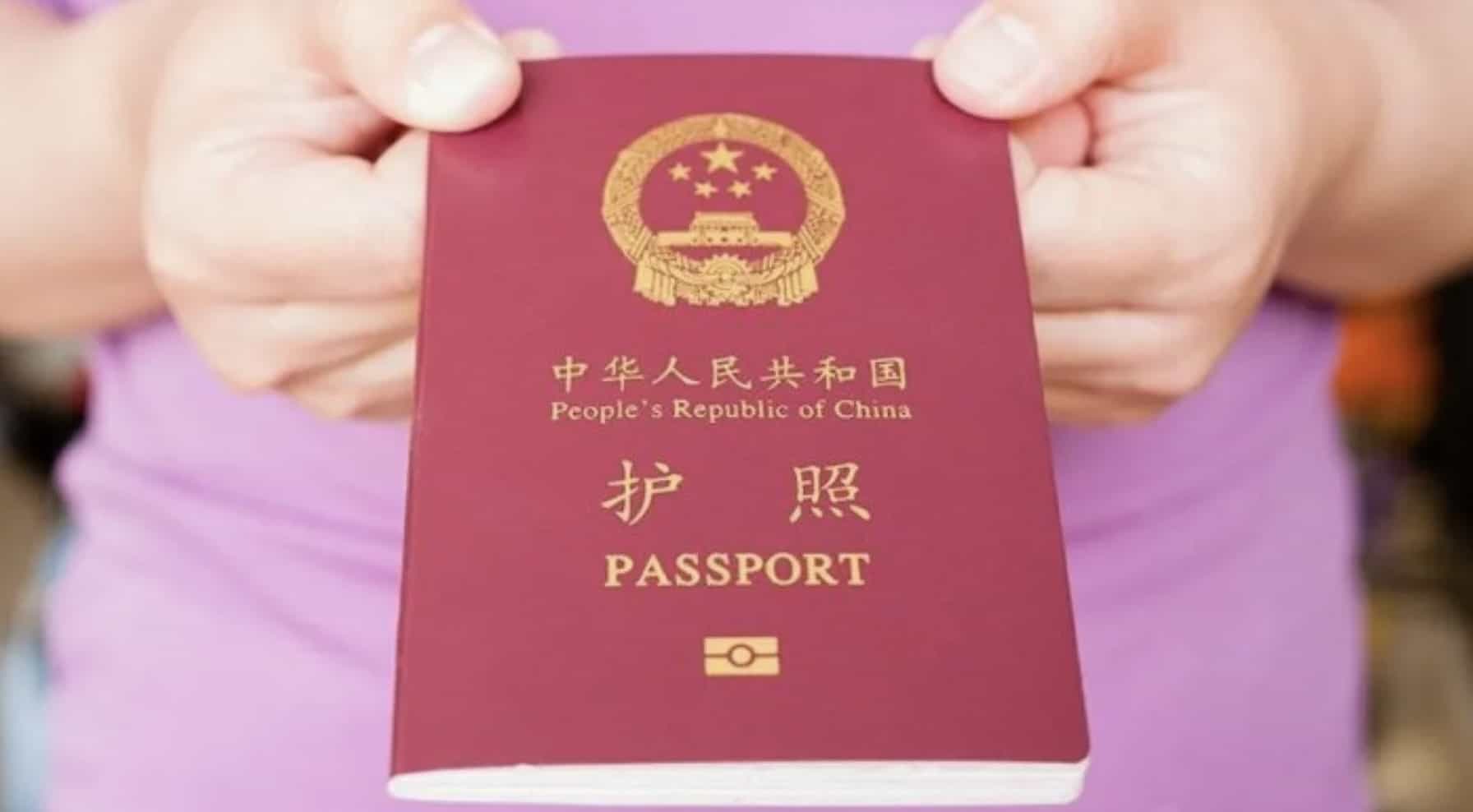
However, a Chinese applying to get an Australian visa has to pay $130, fill in a 15-page paper application in English and wait 15 days to receive the visa. While Chinese tourists willing to visit the US, the UK or Hong Kong only have to complete a quick online form, pay $20 and they will receive an electronic visa. Australia clearly has a competitive issue with its visa system compared to other countries. This is why the country needs to reform their visa system in order to attract more Chinese tourists.
Online visibility
Australia spent 200 million dollars in advertising for its tourism destinations in 2019. A record-breaking expenditure for the country, and most of it went to the Chinese market. The country should however give the priority to the online part in its advertising campaigns in order to reach its target of tourists. 80% of Chinese tourists are indeed planning their trip and looking for information online. Australia, therefore, needs to make sure its websites are well positioned on tourism keywords most used by netizens in China.
To do so the country would have to implement SEO or SEM campaigns on Baidu, the leading search engine in China. SEO/SEM will increase the destination visibility and put forward all the wonderful features and adventures the country has to offer. This can definitely tip the edge in its favour.
Social networks
Since 90% of the 634 million Internet users in China are using social networks, the country should take advantage of the Chinese’s love for these platforms.
Guide to Most Popular Chinese Social Media Sites & Platforms for Marketing (Update 2022)
To do so it has to be more present on Chinese social networks by creating online communities to broadcast its marketing campaigns. In order to boost their e-reputation Australian tourism professional should partner with selected influential online personalities such as a celebrity or Key Opinion leaders specialising in Tourism. Influential people involved in a marketing campaign are a much more effective tool for attracting Chinese than when you target western customers. This is because the Chinese rely more heavily on user experience and other opinions to choose from. The more reputable the person is the more weight that person’s word will have.
The place to measure the effect of such a phenomenon would be on Weibo where you have the size of the influencer’s community is in the hundred of thousand or even millions. You can get to those users very easily via this medium.
Once these steps are undertaken, there is very little doubt that Australia will quickly catch up in the battle to attract Chinese tourists!
Need help in promoting your travel destination?
We are Experts in Chinese Tourism marketing!
 Contact us now to get a Free Consultation.