Chinese Baijiu brands are conquering the World
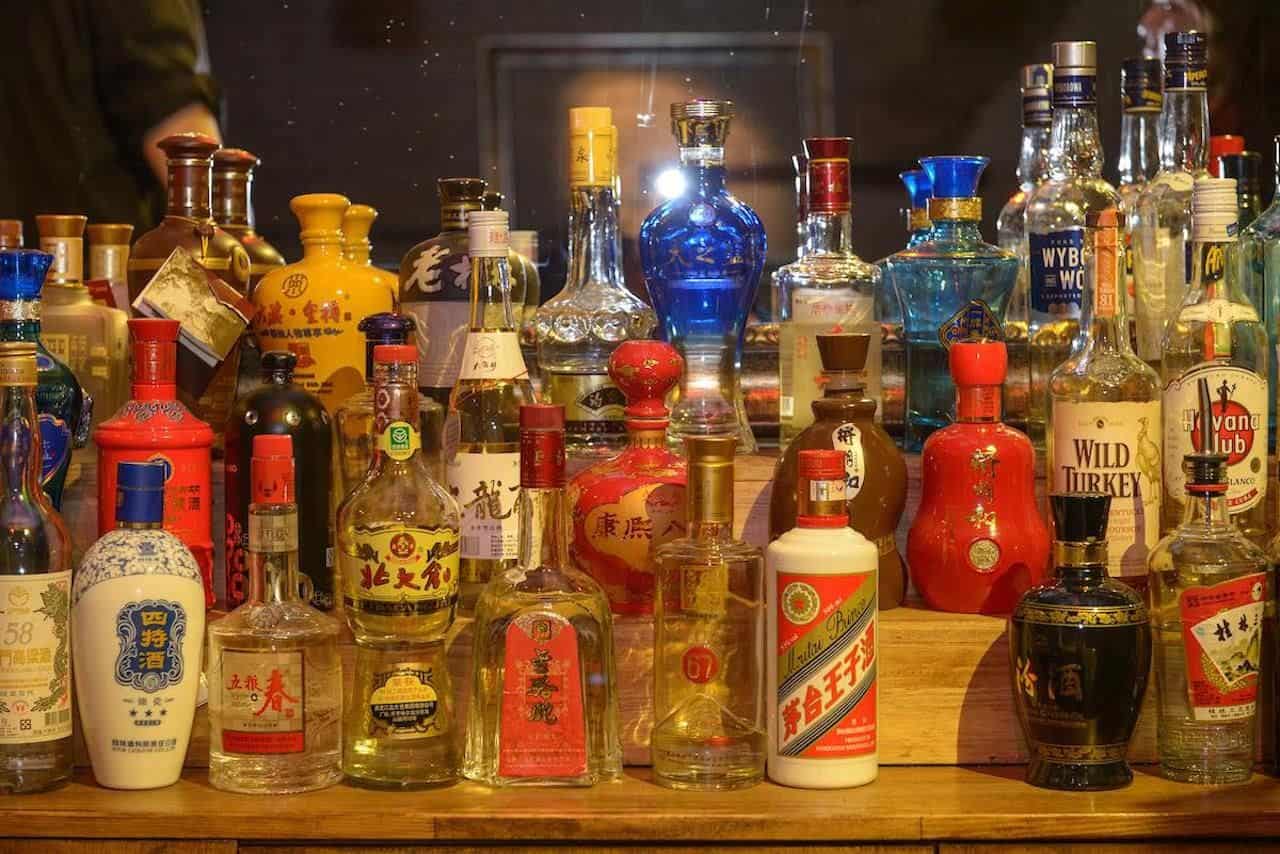
Kweichow Moutai, a popular brand of Chinese baijiu, was recently assessed at $43 billion by branding consultancy firm Brand Finance, making it the most valuable spirits brand in the world. Wuliangye, a second major Chinese baijiu brand, was valued at $28.7 billion, putting it in last position. Chinese brands have grown their share of the global brand value in spirits to 68.4 percent, from 60.7% before the pandemic.
The addition of Luzhou Laojiao (3rd), Yanghe (4th), Xinghuacun Fen Wine (6th), and Gujing Gong Jiuan (8th) to the top 10 increases the global market share of China’s national spirit even farther than it was previous year.
Those anticipating more well-known international spirits like Hennessy Cognac from LVMH’s collection or Diageo’s ubiquitous Johnnie Walker whisky to top the league may be surprised by the rising global dominance of baijius. Hennessy, the most valuable Western brand, leads the Brand Finance Spirits 50 in terms of value, followed by Bacardi and Ciroc.
Although Moutai and Wuliangye have been at the top of the market for a long time, Wuliangye recently overtook Moutai in brand value, increasing by 12 percent while Moutai fell to 34th place on Jing Daily’s luxury index. According to Brand Finance, the value of a brand is the amount of money an owner would make after licensing the brand in the market.
The widespread use of Moutai at state dinners and as diplomatic presents further contributes to the brand’s dominant position. The highest price ever paid at auction for a single lot of Moutai outside of China was $1.4 million in June 2021 for 24 bottles of Moutai’s “Sun Flower” 1974 at Sotheby’s in London.
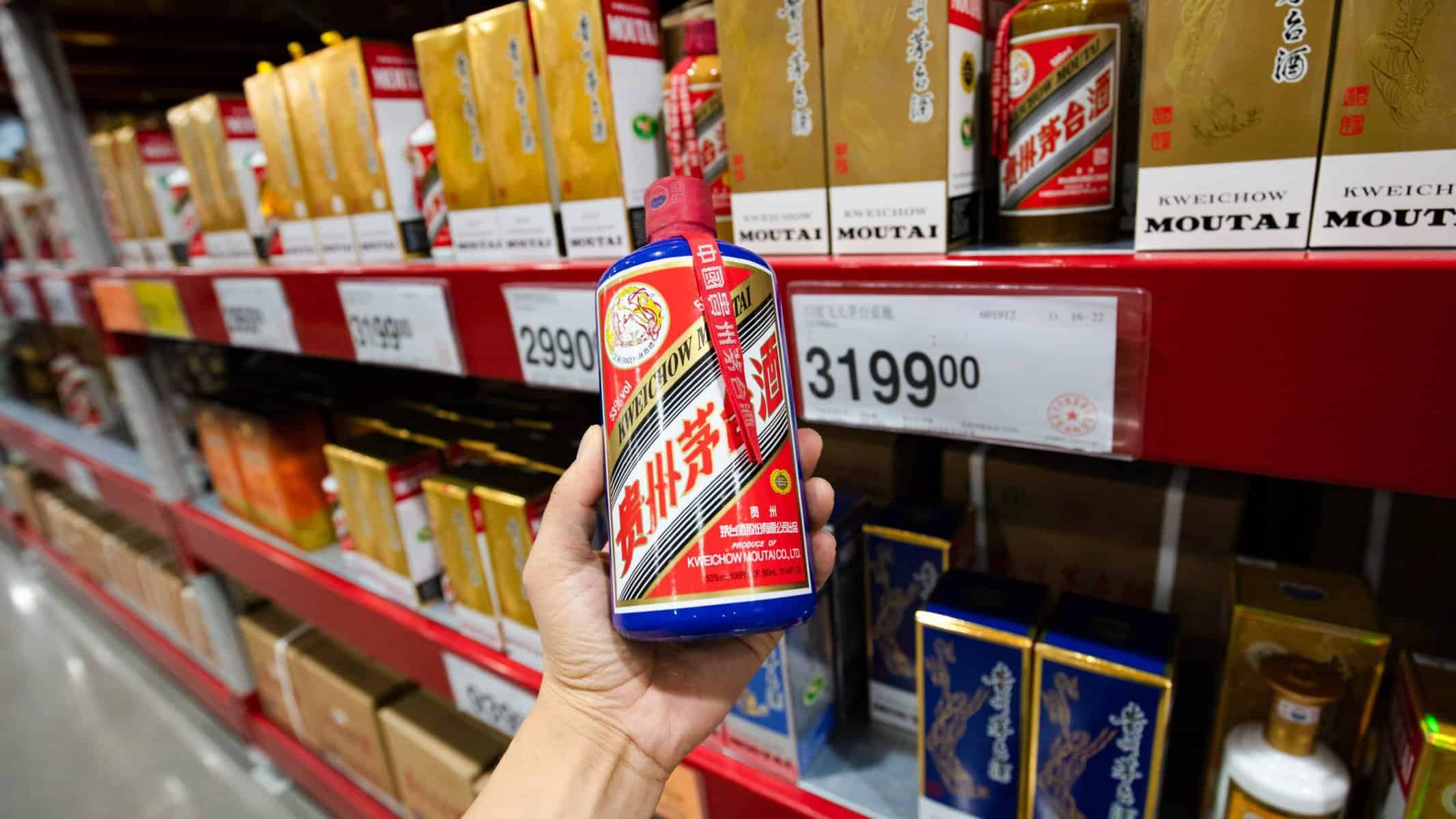
“The Maotai brand is still increasing,” says Ashley Galina Dudarenok, China market expert and founder of marketing firms ChoZan and Alarice. The expected price increase of Maotai is the primary factor driving demand. Maotai and Wuliangye are two Chinese brands widely recognized abroad as symbols of the country. While Wuliangye is the standard for giving to foreign heads of state, Moutai is the preferred brand.
Top Chinese distilleries are using digital marketing and overseas sales to raise baijiu’s (China’s traditional spirit) profile. As an example, Moutai has facilitated tens of millions of transactions, purchases, and relationships between the company and its customers by means of its mobile app. This year, the company partnered with the Chinese dairy giant Mengniu Dairy to introduce alcoholic ice cream in Guizhou Province (the home of Moutai) in an effort to attract a younger audience.
A Digitalized Market that Acohols Producers can’t Ignore anymore
Following China’s rapid digitalization over the years, all industries have to follow the pace, by adapting their marketing and advertising strategies to a tech-savvy population. That’s why it has become essential for both Chinese and foreign brands to be on e-commerce platforms and social media.
Selling your alcoholic drinks China Online Marketplaces
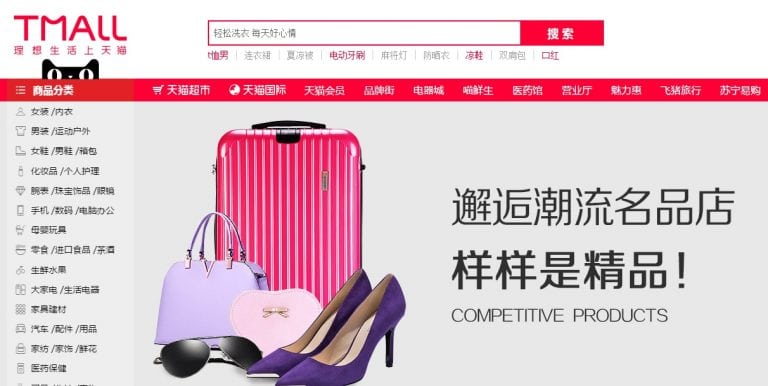
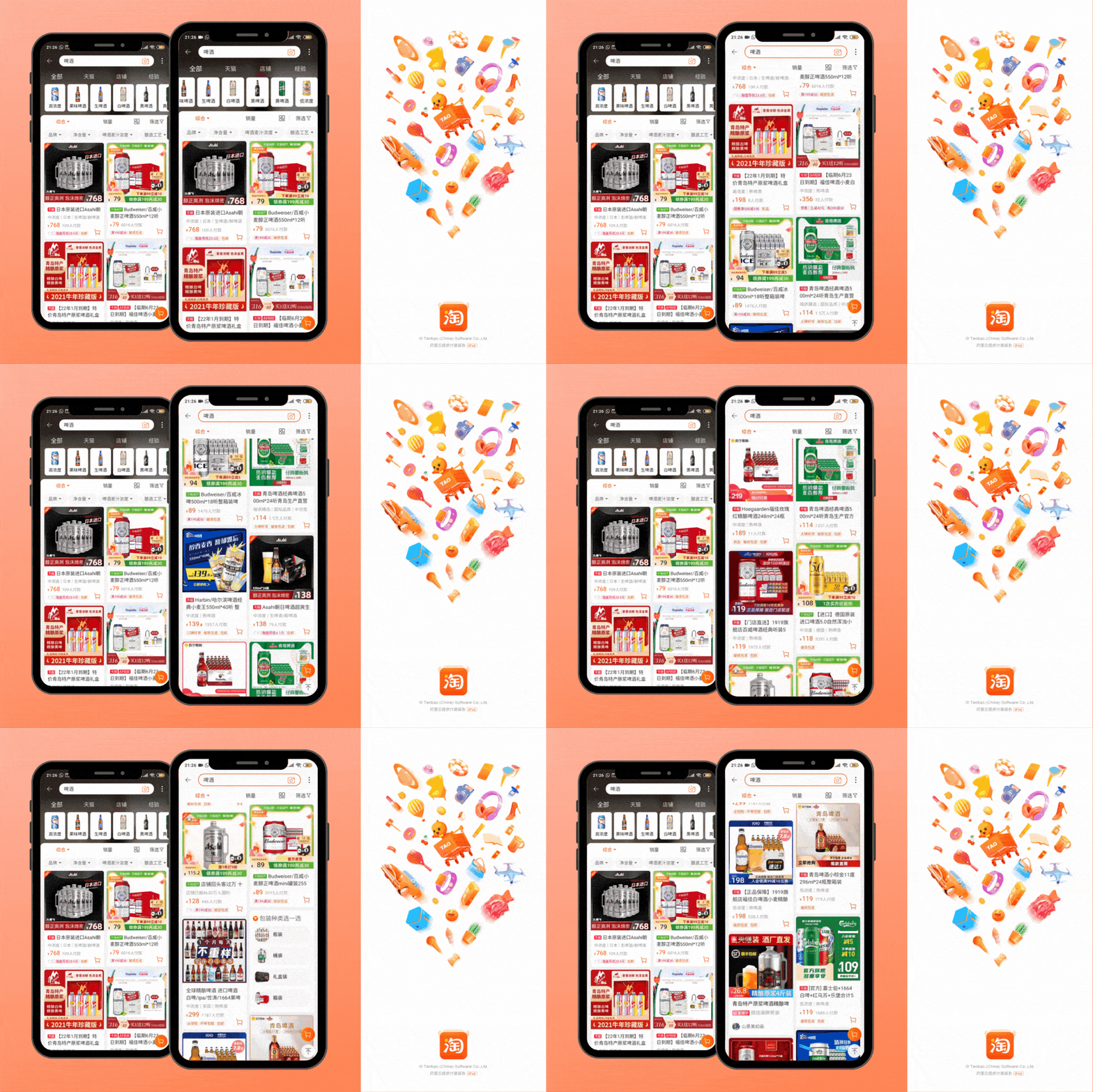
More than half of all alcoholic beverage purchases in China are made online, and younger customers specifically aim to increase their online alcohol purchases in the future. You can find more options and a more attractive presentation of goods on the internet. Online shopping has made it possible for consumers to find nearly any product they might need at a fraction of the time and cost normally associated with doing so. Tmall, JD.com, Taobao, etc. are all excellent examples of cross-border e-commerce platforms where you may purchase spirits imported from all over the world.
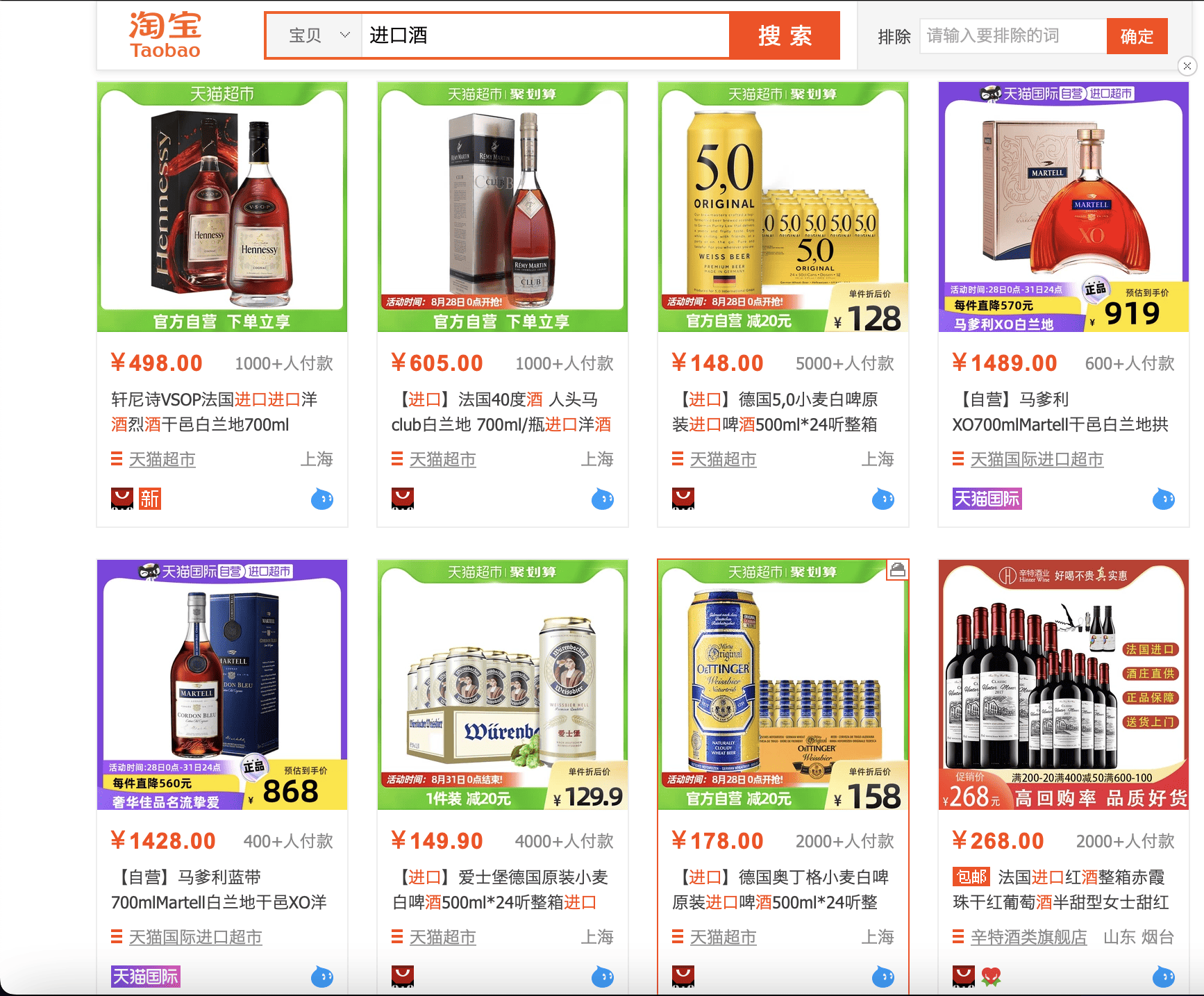
Since the CoVD-19 pandemic, online sales of alcoholic beverages have increased dramatically. E-commerce sites present a fantastic chance for foreign alcohol firms to sell their bottles, as there are already more than 988 million people using the internet. A staggering 780 million Chinese consumers are projected to have made at least one purchase online, demonstrating the immense potential of China’s burgeoning e-commerce sector.
It can also be challenging to discover a certain foreign brand and import it into China, despite the fact that Chinese consumers enjoy traveling abroad and bringing back some alcoholic drinks when they return. Because of this, e-commerce sites benefit both producers (who can offer their goods in bulk with ease and security) and buyers (who can be delivered within a couple of hours).The most popular e-commerce platforms in ChinaThe most popular e-commerce platforms in ChinaThe most popular e-commerce platforms in China
The most popular e-commerce platforms in China
Tmall, Taobao, and JD are the giants of e-commerce in China thanks to their large variety of products, delivery time, but also in terms of quality and safety. According to various studies, the key factors that brands have to respect in order to attract Chinese consumers are quality products that are safe to use.
- Tmall
Founded in 2008 under the famous Alibaba group, Tmall (天猫), is a subsidiary of the e-commerce website Taobao (淘宝网). Its target market is primarily B2C (Business-To-Consumer). Tmall’s concept is ambitious and wise as it allows both local Chinese and international companies to sell their products through the platform in mainland China, Hong Kong, Macau, and Taiwan. Tmall stands out from its competitor’s thanks to its strict standards in terms of quality and renown.

- JD.com
Founded in 1998 by Liu Qiangdong in Beijing, JD (which stands for Jingdong 京东) was at the beginning only a magneto-optical store, which diversified over the years with electronics, computers, mobile phones, etc. In 2004, it opened its online retail platform and quickly became one of the two massive B2C online retailers in China with its competitor the Alibaba-run Tmall. Now, JD.com is partly owned by the giant Tencent, which has 20% of its stake. As of 2021, JD.com has over 470 million active customers.

In 2019, the total net revenues of the online shopping company JD.com amounted to 576.9 billion yuan. JD.com runs one of the biggest online marketplaces in China, other platforms being Tmall, Pinduoduo, and Suning. Thus, if you want to sell your products in China, you can apply for the e-commerce platform JD.com and become a seller.
- Taobao
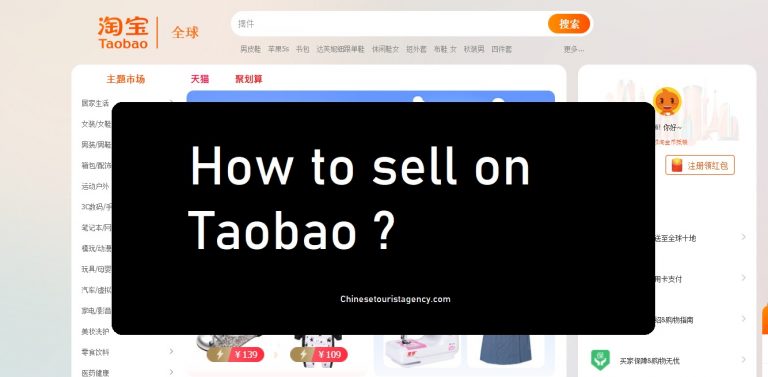
Launched in 2003 by the Chinese giant Alibaba, Taobao (淘宝网) is one of the most popular online shopping platforms, specialized in both B2C and C2C transactions, as well as the most popular online entrepreneurship platform, enabling thousands of young entrepreneurs to be successful. It has hundreds of millions of products and service listings, which are really appreciated by Chinese consumers. As of 2019, it has 300 million daily active users and 668 million mobile monthly active users. Taobao accounts for nearly 60% of the total e-commerce sales in China.
How do we help you to sell your alcoholic Beverages Brand in China?
The lucrative Chinese market for wine, beer, and spirits has opportunities in it for foreign brands. If you understand how the market works, then your sales will improve quickly!
With many traps to wade through in the Chinese market, Gentlemen Marketing Agency is here to help you avoid them. Our agency has more than a decade of experience with Western spirits brands and we’d love nothing better than for your company’s success in China!