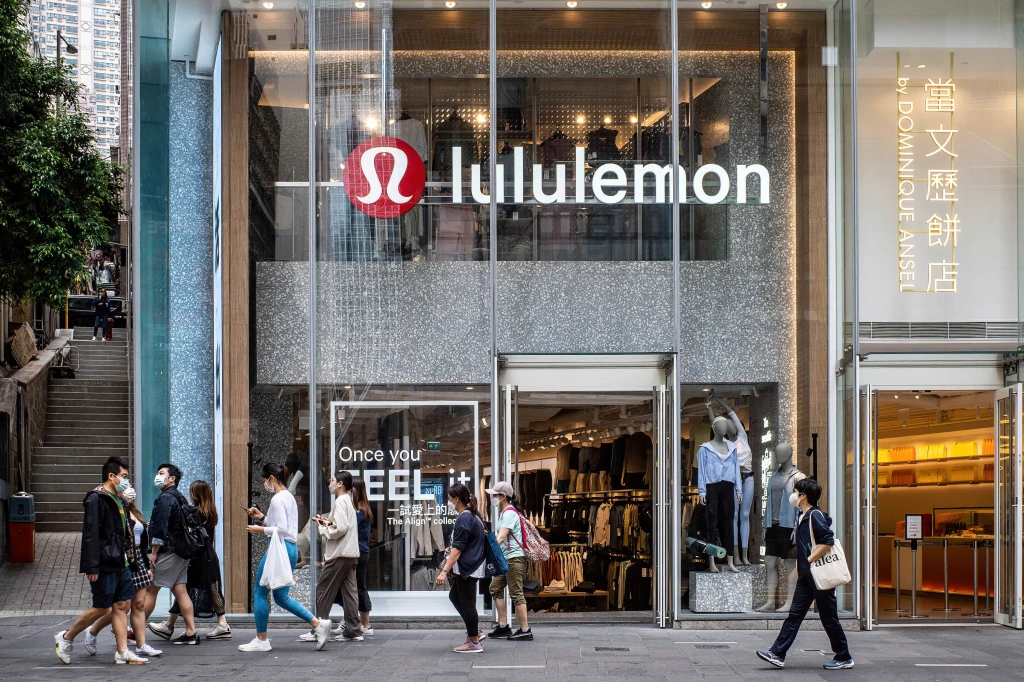
Lululemon will sell footwear in China via E-Commerce
Since the outbreak of the COVID-19 pandemic, Chinese citizens’ heightened concern for their health has permeated all facets of Chinese society. Even though sportswear and many other fashion categories were severely impacted by retail disruptions, leading players quickly returned to dynamic growth; consumers’ appetite for the sector led to a robust recovery in the second half of 2020, which was maintained throughout 2021. According to research conducted by Euromonitor, the Chinese sportswear market experienced double-digit growth in current value at a rapid rate.
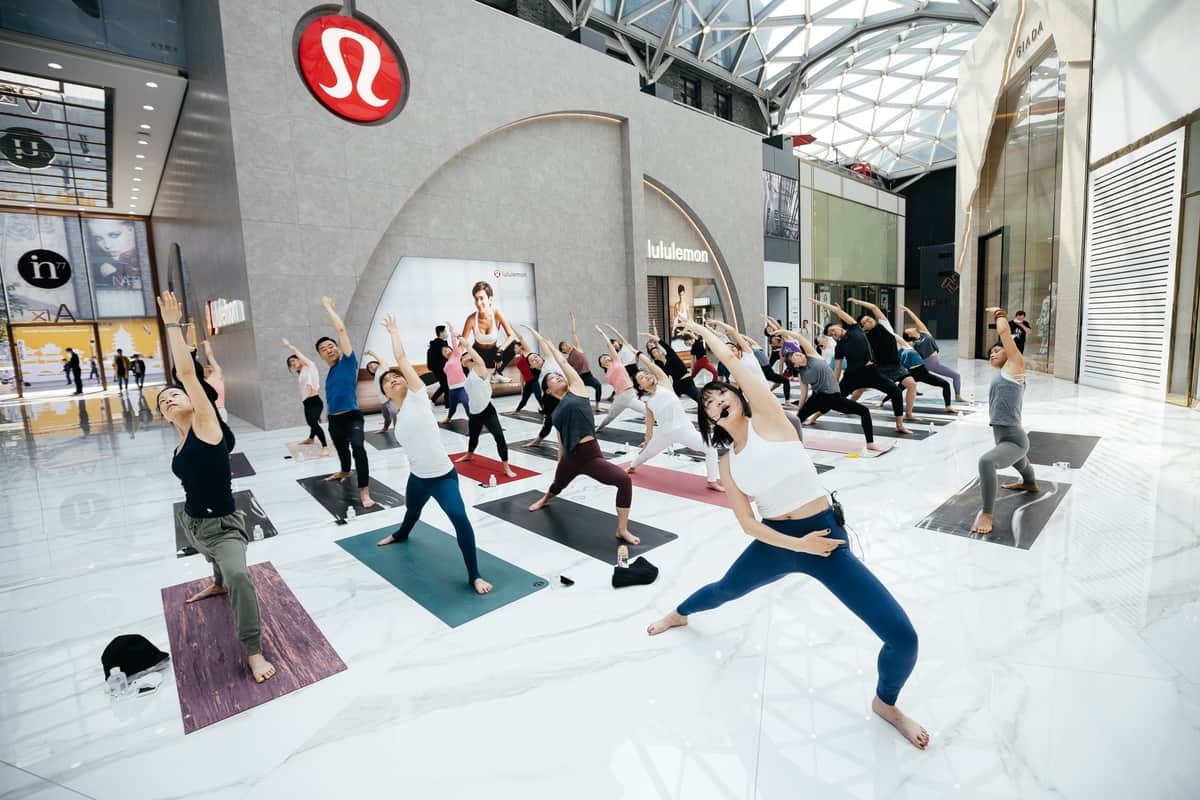
The booming fitness market, estimated to be worth $7.5 billion in 2021, has created growth opportunities for sportswear retailers: Lululemon was one of the brands that experienced exponential growth due to consumer demand for athletic apparel.
Lululemon is now the second-largest sportswear company in the world, after Nike, since its market value surpassed Adidas earlier this month. China has played a significant role in the Canadian company’s global expansion since its 2014 entry into this market. In fact, you could say that it is a disruptor that has reached significant milestones despite the pandemic’s turmoil. In 2021, the company’s net revenue increased by 42 percent, significantly outpacing its rivals and distinguishing it from other global sportswear brands with a presence on the mainland.
Sportswear stores stand to benefit from the burgeoning exercise industry, which is expected to be worth $7.5 billion by 2021. Due to a rise in the popularity of athletic wear, Lululemon has seen its sales soar.
Nike is currently the world’s most valuable sportswear firm, while Lululemon has eclipsed Adidas in market value. Since its 2014 foray into China, the Canadian corporation has had a tremendous impact on its global expansion. In reality, despite the pandemic’s turbulence, it may be considered a disruptor that has achieved tremendous achievements. A 42 percent rise in net revenue in 2021 distinguishes the company from other global athletic companies with a presence in China.
Lululemon’s popularity in China suggests that the Chinese market not only understands the product quality, but also recognizes the emotional connection that it fosters between the community and the brand,” JD.com stated in an official release. China is now one of the first regions where the brand debuted its footwear category, with the release of its ‘blissfeel’ running shoes in March of this year.
Using scans of over a million feet, the groundbreaking footwear has a unique women’s-specific shoe design that enhances each shoe’s fit, feel, and functionality. This means that Lululemon represents a historically groundbreaking mentality of “design for women-first, not women-also.'” Xiaohongshu’s social media platform Xiaohongshu saw over 2.5 million views of the hashtag #blissfeel during the debut.
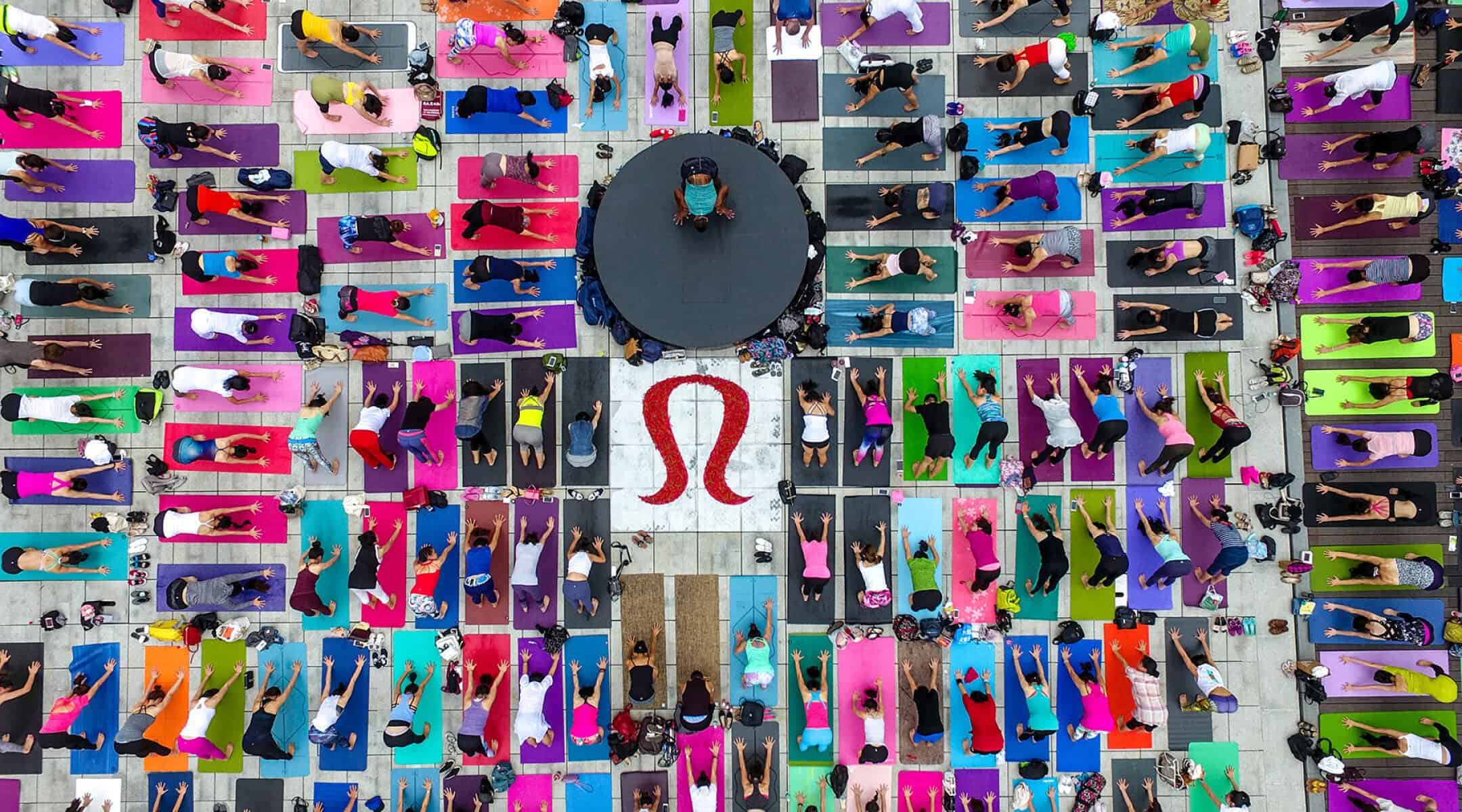
Given its demonstrated resiliency in China after the pandemic, Lululemon has no need to halt its expansion efforts. In April, the company unveiled its new Power of Three 2 growth strategy. This includes a strategy to treble overseas sales by 2026 and double men’s and digital revenue by 2026. (compared to 2021). Specifically, the company anticipates that China Mainland will become its second-largest market globally by then.
In a June conference call with investors, CEO Calvin McDonald remarked, “it would develop by establishing a presence in relatively affluent first-tier cities such as Beijing and Shanghai before entering second- and third-tier areas at the appropriate moment.” In spite of macro supply chain challenges and lockdowns in China, the area experienced double-digit sales growth in the first quarter of 2022.
McDonald stated in an interview with China Daily that the pandemic has been “a catalyst in shifting customer preference” and a “accelerator of change” despite tough competition from established and new brands in the Mainland. With more broad product categories and an inclusive community-building strategy, Lululemon is edging closer to being a fully-fledged dominant force in the athletic apparel industry.
Our solution for sport brands
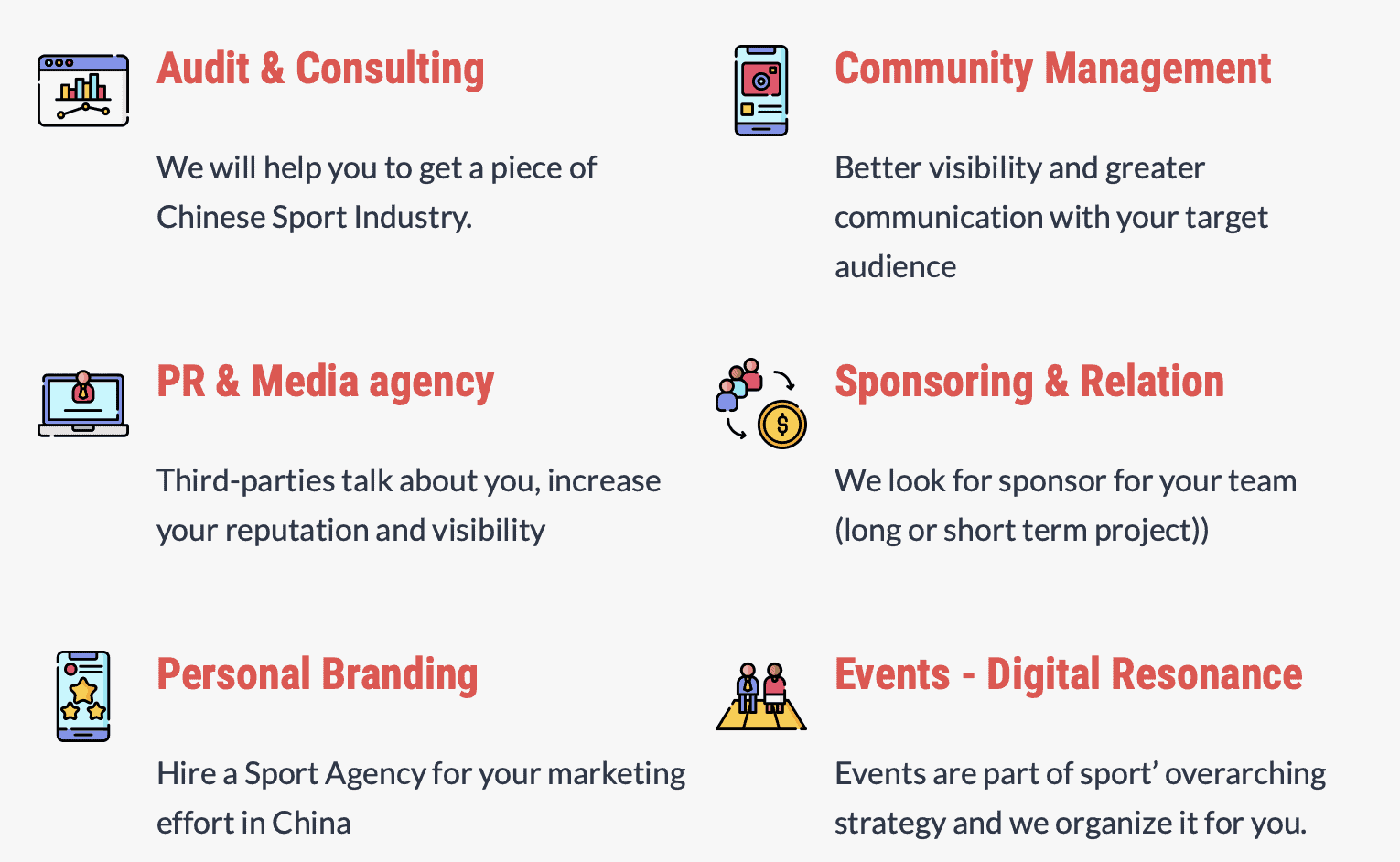
Consulting – Digital & Chinese Market
China is the market everyone wants a piece of. With over 1.5 billion people, you must start to think big because your new target is here. However, if the market is lucrative, there is a fair amount of work to be done before it becomes profitable. Chinese consumers are submerged by choices. To get a piece of the pie, you have to come in with a meticulously researched plan. We can help you to build a strong exposure in the Chinese Sports market.
Social Media – Community Management
Online community management in China is really different from the west as it requires community managers to have a deep understanding of the culture and society. Social media Kol are the big marketing trend now. They share their lifestyles and feelings about products, events, places with their million followers and thus influence their purchasing decisions. Close collaboration with the right KOLS allows you to reach a wider audience. Also one of the most effective ways to gain consumers’ trust.
SEO, PR & Media agency
PR (Press Release) through Chinese media is a cost-effective long-lasting solution that will benefit your reputation and credibility in China. Sports Club’s image and visibility can be improved with the right use of social media platforms. SEO (and SEM) through Chinese search engines is another necessary step for visibility and increased conversion rates.
Personal Branding
Personal branding is the process by which we market ourselves to other people. Thanks to personal branding, one can build a follower base that will open the way to sponsorships, brand collaboration, and so on. The points mentioned above are all great marketing tools to build one’s personal brand.
Event Promotion – Digital Resonance
Events are part of a good sport’s overarching strategy. Clubs need to focus on increasing their visibility and exposure. Events are especially efficient to nurture a proximity & trust relationship with one’s target audience. We are experts in Event promotion. We can help you to stay more connected with your fans and others.
HIRE A SPORT AGENCY FOR YOUR MARKETING EFFORT IN CHINA

People interact on the Topic on Facebook https://www.facebook.com/groups/1762417423998533
Hello,
We are a dstributor of Footwear in China and we want to collaborate with Foreign brands.
We are the biggest Wholesale market in China Gin Foxi Group.
Send me your messages , WeChat if possible.
Hello Liu Yan
Thank you for messaging us.
We have resgistered your contact (email & Wechat) in our fashion distributor data base.