|

Chinese tourists in India: Guide for Pro!

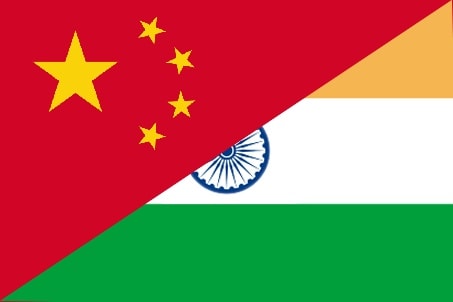
India and China are two of the world’s largest countries, sharing a border and thousands of years of connected history. Yet Chinese tourists visiting India remain a fraction of what the market could be. The opportunity is enormous, the bilateral relationship is complex, and the practical path forward for Indian tourism businesses requires a clear head and the right digital tools. Here’s what tour operators and hospitality professionals need to know.

The India-China Tourism Picture in 2025

Before the pandemic and the 2020 border tensions, about 200,000 Chinese tourists visited India annually. That’s a small number relative to the 11 million Chinese who visited Thailand in the same period. The gap reflects two things: political friction and India’s lack of Chinese digital infrastructure. Both are addressable.

India introduced an e-visa system that includes Chinese nationals, streamlining what used to be a complicated application process. Direct flights between major cities (Beijing, Shanghai, and Guangzhou to Delhi and Mumbai) are gradually being restored by Air India, China Eastern, and China Southern Airlines. As connectivity improves, the volume should follow.

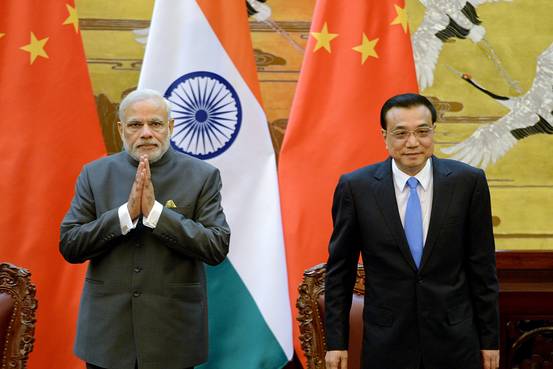
According to Xinhua News Agency, tourism officials on both sides have expressed interest in growing bilateral visitor numbers as part of broader diplomatic normalization efforts. The trajectory is positive for Indian tourism businesses that want to act ahead of the curve.

What Chinese Tourists Can Find in India

India offers a genuinely compelling proposition for Chinese travelers who are ready to go beyond the familiar Asian circuit:

  • Historical and architectural wonders: The Taj Mahal, Rajasthan’s palaces, and the temples of Tamil Nadu offer a completely different visual aesthetic to anything in East or Southeast Asia.
  • Spiritual and wellness tourism: Yoga, Ayurvedic treatments, and visits to spiritual sites like Varanasi and Rishikesh appeal to a growing segment of Chinese travelers interested in health and self-development.
  • Food diversity: Indian cuisine has a strong following in Chinese cities, and visiting India to experience authentic versions is a compelling draw for food-curious travelers.
  • Nature and wildlife: Tiger safaris in Ranthambore, Kerala’s backwaters, and the Himalayan foothills offer outdoor experiences that are very different from what other Asian destinations provide.
  • Goa for beach travel: Goa is increasingly known among Chinese travelers as an alternative to Bali or Thailand, with a European flavor and a strong beach scene.

5 Practical Strategies for Indian Businesses to Attract Chinese Travelers

1. Build a Proper Chinese Website

A simple Mandarin translation of your English website is not enough. Chinese travelers expect websites designed around their decision-making process: rich visuals, specific information about payment options, clear visa guidance, and social proof. The site also needs to load fast inside China, which means using a China-optimized hosting solution or CDN. Without this, Baidu won’t rank you well and Chinese visitors won’t wait for slow pages to load.

2. Optimize for Baidu SEO and Run Baidu Ads

Baidu is where Chinese travelers search when they consider a destination. “印度旅游攻略” (India travel guide) or “印度签证” (India visa) searches happen thousands of times daily. Indian businesses that rank on Baidu’s first page for destination-related terms capture travelers at the planning stage, before they make any decisions. Baidu PPC (paid search) campaigns can generate immediate visibility while organic SEO develops. See how we approach Chinese digital marketing here.

3. Use Douyin and Xiaohongshu for Awareness and Trust

India is genuinely photogenic: the Taj Mahal, Rajasthan’s colors, Kerala’s backwaters, and Goa’s sunsets all translate brilliantly to short video and photo content. Douyin campaigns showing these experiences reach millions of Chinese travelers who may never have considered India before. Xiaohongshu content from KOLs who visit India builds trust with travelers doing their research. These two platforms together cover discovery and due diligence. Explore our Douyin marketing services and Xiaohongshu marketing approach.

4. Partner with Chinese Travel Agencies

Chinese OTAs like Ctrip (Trip.com) and Fliggy are where bookings are made. Getting your hotel, tour package, or experience listed on these platforms, with complete Mandarin content and competitive pricing, is a fundamental step. Beyond OTAs, building direct B2B relationships with Chinese travel agencies that specialize in India tours gives you a pipeline of group and custom bookings.

5. Accept WeChat Pay and Alipay

Chinese tourists rarely use cash or international credit cards. Both WeChat Pay and Alipay now support merchant registration in foreign countries. Adding these payment options to your property or tour business signals that you are China-ready and removes a genuine friction point that turns potential guests away.

Why Your Chinese Digital Presence Matters

Chinese tourists research on platforms that most Indian businesses have never used. If you want them to find you, you need to go where they are. Here’s the full picture:

  • Chinese website + ICP license + China hosting: Mandarin content on a China-compatible server. An ICP license enables Baidu advertising.
  • Douyin: India has extraordinary visual content potential. Leverage it here to reach Chinese travelers in discovery mode.
  • Xiaohongshu (XHS/RED): Build trust with KOL reviews and guest posts showing real India travel experiences.
  • Baidu: SEO and PPC for travelers actively searching for India travel information and bookings.
  • WeChat: Communication, loyalty programs, and direct booking capability for repeat visitors and group inquiries.

Our team at Chinese Tourist Agency builds exactly these strategies for businesses in India and other destinations targeting Chinese visitors. See our full services here.

FAQ: Chinese Tourists in India

Do Chinese tourists actually want to visit India?

More than you might expect. Survey data consistently shows India ranking among the top destinations Chinese travelers want to visit but haven’t yet. The main barriers are practical: complex visa processes (now improving with e-visa), limited direct flights, and language challenges. As these barriers come down, the underlying interest converts into actual trips. Chinese travelers who have been to India consistently report high satisfaction and strong willingness to recommend it, especially for the Taj Mahal, Rajasthan, and wellness experiences that don’t exist in the same form anywhere else in Asia.

How does the India-China political relationship affect tourism?

The border disputes and diplomatic tensions of 2020 disrupted both tourism flows and air connectivity significantly. The relationship has been gradually stabilizing since late 2023, with both governments showing interest in expanding economic and people-to-people exchanges. Tourism is typically one of the first sectors to benefit from diplomatic warming, as it’s low-risk and high-visibility for both sides. For Indian tourism businesses, the smart move is to build Chinese digital infrastructure now, so you are ready when connectivity and sentiment improve further. The businesses that wait for perfect conditions will arrive late.

What experiences in India appeal most to Chinese tourists?

The Taj Mahal is the iconic draw, and it functions well as a Xiaohongshu photo opportunity as much as a cultural experience. Beyond that, Rajasthan’s palaces and colors, Kerala’s backwaters, Goa’s beach scene, and Himalayan trekking are all strong with different Chinese traveler segments. Wellness and spiritual tourism (yoga, Ayurveda, meditation retreats) is a growing niche that aligns with a Chinese health-consciousness trend. Tiger safaris appeal to the growing adventure travel segment. India’s diversity means there’s something for almost every Chinese traveler type, which is a genuine advantage.

What is the fastest way for an Indian hotel or tour operator to start attracting Chinese bookings?

The fastest path combines three elements: a listing on Ctrip with complete Mandarin content and high-quality photos, a Douyin or Xiaohongshu KOL campaign featuring your property or tour experience, and WeChat Pay/Alipay acceptance. These three together cover booking access, awareness, and payment, which are the three biggest friction points. Baidu SEO takes longer but is worth building in parallel. If you want to move quickly and correctly, our team at Chinese Tourist Agency can help you prioritize and execute.

India’s Moment with Chinese Tourism Is Coming

The fundamentals are aligning: improving visa access, recovering air connectivity, growing Chinese interest in new destinations beyond the usual circuit, and a bilateral diplomatic environment that is gradually warming. Indian tourism businesses that build their Chinese digital presence now will be positioned to capture a significant share of this market as the volume grows. Waiting means arriving to a market where your competitors already have the relationships. Let’s start building yours today.


Marcus Zhan is a digital strategist at GMA with over 10 years of experience helping international brands grow in China. He specializes in Douyin, Xiaohongshu, and Chinese SEO.

Quick Reference: Attracting Chinese Tourists to India

ActionPlatform/ChannelPriority
Chinese-language websiteChina-hosted (Alibaba/Tencent Cloud)High
Search visibilityBaidu SEO + PPCHigh
Discovery contentDouyinHigh
Trust-building reviewsXiaohongshu (RED)High
Booking accessCtrip / Fliggy listingHigh
Communication + loyaltyWeChat Official AccountMedium
On-site paymentsAlipay + WeChat PayMedium-High

Similar Posts

Leave a Reply

Your email address will not be published. Required fields are marked *