How politicians can help you attract more Chinese tourists
Celebrities like KOL, artists, and media anchors are often cited as great ways to attract more attention and more positive comments in 2023. This is crucial in China where everything revolves around trust, C2C reviews and social networking. A third category, not often cited would be politicians. Political leaders have a strong influence as well. A good example would be the current Chinese political leader, Xi Jinping. Wherever he goes, the tourism industry undergoes radical changes
Where Xi Jinping goes, the tourism landscape changes
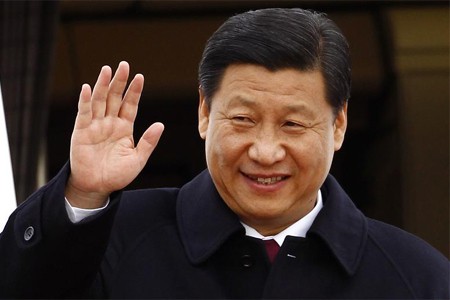
Chinese President Xi Jinping’s influence is remarkable. He just has to smile after eating a local speciality to make the restaurant or the cook celebrity. In the same way, when one of his travelled roads is publicized, for many travellers, it is regarded as a pilgrimage road.
Xi Jinping became president of China during the country’s full growth and development period. For much, he would have guided a lot of transformation initiatives.
As a result, he has had a significant impact on Chinese tourism in continental China and even sometimes beyond. Xi Jinping brought small industries in this field and tourists some happiness. Here are 7 manners used by the president to influence Chinese tourism.
Cuisine expert
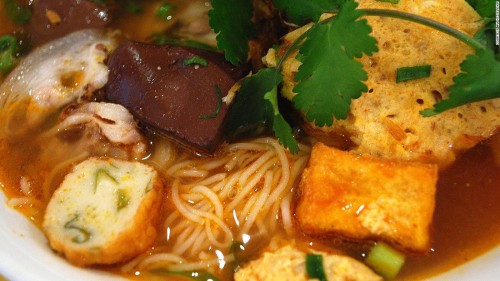
The Chinese president becomes an expert in a chosen domain. If you like to eat the same pig-blood noodles as the president eats, you just have to go to a noodle shop based in Fuzhou, Fujian. This shop becomes famous due to president Xi’s advertising in their favour. In 2014, Xi Jinping declares he loves this dish since he tries it for the first time two decades ago. Thanks to the president, the shop owners can see an increase in their customers.
Same story in 2014, this time with the Gutian city which begin to promote their “Red Army rice” just after the president eat a bowl. An increase of 80% in tourist visits was reported.
Dumpling marketer
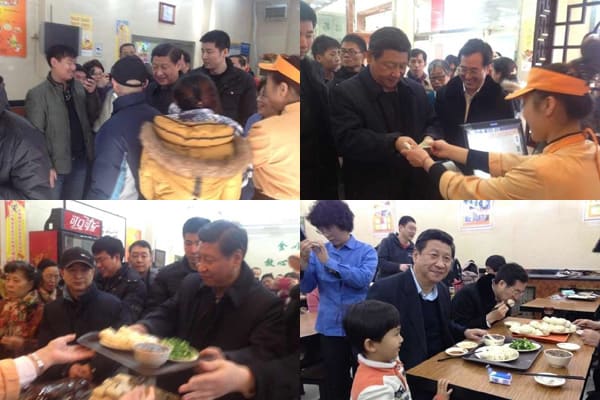
In December 2019, during a Beijing Qing-Feng visit, to a steamed dumpling shop, the president paid by himself for his lunch, a bowl of steamed dumplings. After that, the dish became popular in China and the shop a tourist site. A 90% increase in orders was reported for all different Qing-Feng branches in Beijing.
How to Sell Ready Meals in China?
However, against incredible odds, the shop became also in China, a popular protest site.
Maldives publicist
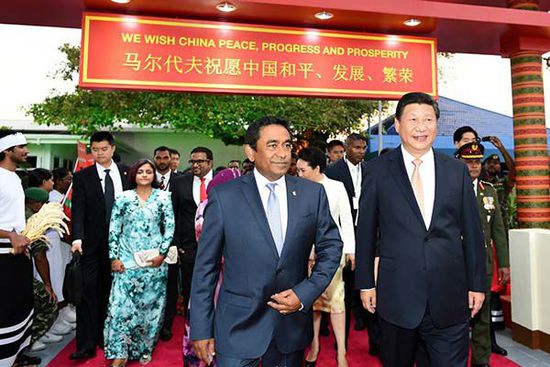
Chinese President Xi says during his official visit to Maldives, that Chinese tourists overseas, have to act like more civilized persons. The president also asks them to not destroy Maldive’s coral reef by throwing bottles everywhere. His emphasis is on the fact that Chinese tourists have to eat fewer instant noodles and more seafood from the Maldives. After the president’s visit, Maldives welcome more Chinese tourists.
Xi Jinping, himself a marketing campaign
The president’s effectiveness to attract and influence Chinese tourists is very spectacular. If a country receives Xi Jinping, certainly, Chinese tourists will help the economy of the country. New-Zeland, Sri Lanka, Australia or South Korea can feel the effect and see a growth in Chinese tourists after Xi Jinping’s visit. For example, in Sri Lanka, during the holiday of National Day, some package tours were reserved after the visit of the Chinese president. Sina, the Chinese online agency, to promote the places visited by Xi, create a special travel page.
A decrease in gamblers in Macau
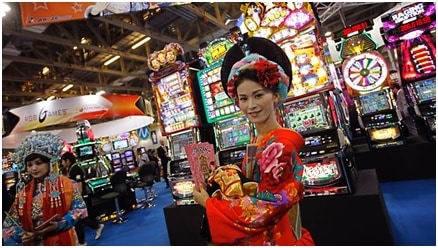
Macau, the Chinese Las Vegas seem like a special place with high stakes to high government officials, change its image after the Xi anti-corruption campaign. A reduction of 28% of gamblers who used to wage a minimum of 125 000$ was reported.
A lovebirds makers
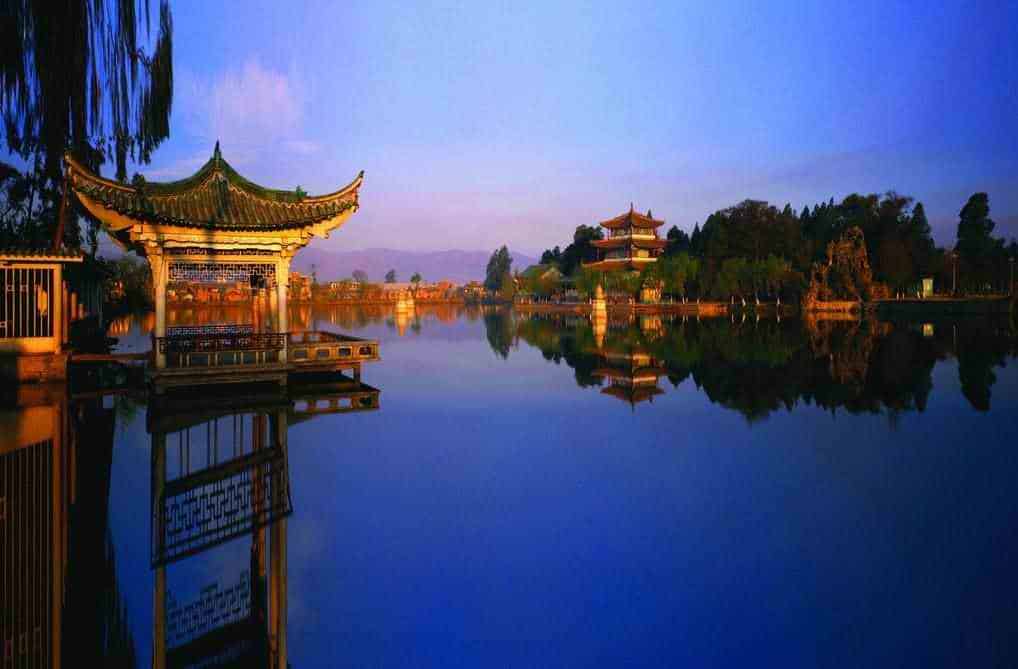
The famous West Lake romantic lakeside views based in Hangzhou will reduce its number of seats to give more privacy for couples. The benches are currently very close to each other and cannot grant some private moments for lovebirds. The idea was introduced by Xi Jinping.
His influence passed to his wife
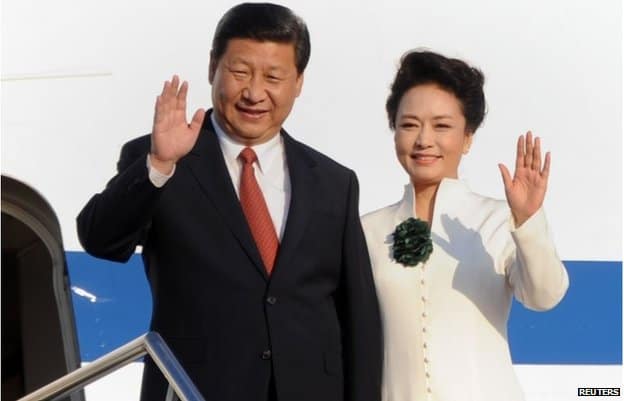
Peng Liyuan, the first lady and Xi Jinping’s wife have also had a big influence on Chinese tourists. The mall or shop visited by her became popular, and famous and can increase their profits thanks to Chinese tourists.
Politicians, and Chinese politicians even more so, are great for attracting tourists from their own countries. China is a country reputed for its state-controlled media that has to relay propaganda from the government. This means that they have to relay every single appearance of Chinese leaders. With China massively going digital, it includes state-supported online media agencies. Therefore, a company in a destination that would soon be visited by a Chinese leader would indeed need to be ready and have a digital marketing strategy ready, especially an SEO and Social media campaign to be well positioned when Chinese will check out the country their leader will go to, whether for protesting or wanting to know more about the event. Should your country soon be visited by any prominent political figure let us and we can help you design a strategy to benefit from this event.
Looking for a Chinese KOL to promote your Destination?
We are Experts in Chinese Tourism!
 Contact us now to get a Free Consultation or to recruit Chinese Influencers for you.