China Ski Tourism: From Niche to National Obsession
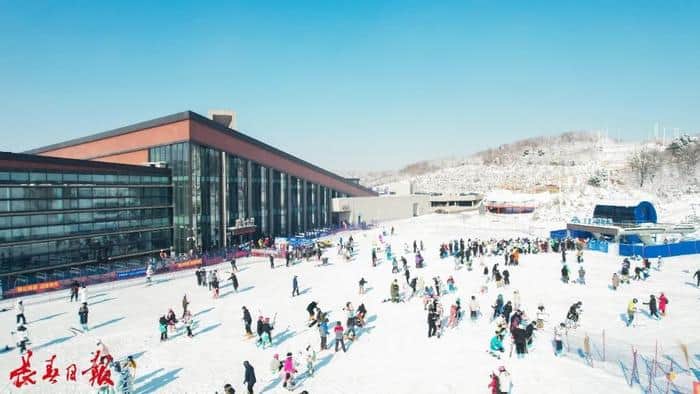
China’s ski market has gone from a niche activity to a massive national obsession in less than a decade. The Beijing 2022 Winter Olympics lit the fuse. The growth that followed is one of the most striking stories in global sports tourism.
National ski resort ticket bookings in China surged by 147% in 2023 compared to 2019. That is not a recovery from COVID. That is entirely new growth driven by a generation of first-time skiers who caught the sport after watching the Olympics on TV.
The Numbers Behind China’s Ski Boom
- The China Tourism Academy’s “China Ice and Snow Tourism Development Report (2023)” recorded 344 million ice and snow leisure tourism visits in the 2021-2022 snow season. By the 2024-2025 season, projections put this figure at 520 million visits, with revenue expected to reach 720 billion yuan.
- According to Xinhuanet, China now has over 800 ski resorts nationwide, with the largest concentrations in Jilin, Xinjiang, Heilongjiang, and Inner Mongolia. The industry is expanding rapidly with significant government and private investment.
- Mafengwo’s 2025 Winter Travel Report shows that searches for international ski destinations, including Japan, South Korea, Switzerland, and France, grew by 80% among Chinese travelers in 2024-2025, as domestic skiers look for new experiences abroad.
Who Is Skiing in China
A Young Audience
The “post-90s” and “post-00s” generations (born after 1990 and 2000 respectively) make up over half of all ski enthusiasts in China, with the “post-80s” adding close to another third. Among younger skiers, around 82% are beginners. This is a market in its first generation. These people are just discovering the sport and building the habit. That creates a long window of opportunity for ski destinations that position themselves well.
South Meets North
One of the most interesting dynamics in Chinese ski tourism is the “south to north” migration during winter. Residents of Jiangsu, Shanghai, Guangdong, and Zhejiang travel to Northern China’s ski resorts in places like Changchun, Jilin, and Xinjiang. Many of these travelers have never seen snow in their home cities. Skiing is not just a sport for them: it is an adventure into a different climate and culture. International ski resorts can speak directly to this same sense of novelty and discovery.
Skiing Drives Wider Consumer Spending
Chinese ski tourists do not just ski. They stay in hotels, eat in restaurants, buy and rent equipment, visit local attractions, and spend in shops. When ski resorts open in Changchun, the entire surrounding economy benefits: restaurants, hotels, and equipment shops all report surges in business. The same spending pattern holds for international ski resorts that attract Chinese visitors.
Social Media and the Ski Boom
Xiaohongshu (RED) has been a key driver of China’s ski culture. Posts from Chinese skiers showing first-time experiences, powder days, and alpine scenery have generated enormous organic reach. For ski resorts outside China, this creates a clear content strategy: get Chinese skiers on your slopes, give them an experience worth posting, and let Xiaohongshu do the work.
Douyin plays a complementary role. Short video clips of dramatic ski runs, spectacular mountain scenery, and the après-ski atmosphere perform very well on the platform. These videos reach audiences who are already interested in skiing but have not yet chosen a destination for their next trip.
How to Attract Chinese Skiers to Your Resort
List on Chinese Travel Platforms
Get your resort on Ctrip, Mafengwo, and Fliggy with complete Mandarin listings. Include practical information: nearest airport with China-route connections, visa requirements, ski pass prices, beginner lesson availability, and equipment rental options. Chinese first-time skiers especially need reassurance that they can manage at your resort without prior experience.
Offer Beginner-Friendly Packages
With 82% of Chinese skiers identifying as beginners, your beginner offering needs to be excellent. Mandarin-speaking ski instructors, easy-to-navigate beginner slopes, clear signage in Chinese, and rental equipment that fits Asian body types are all concrete ways to show that your resort has thought about this market seriously.
Work With KOLs and Travel Agents
Invite Chinese ski and travel influencers for press trips and let them share the experience on Douyin and Xiaohongshu. Connect with Chinese outbound travel agents who specialize in winter sports packages. Japan and South Korea have done this very successfully with the Chinese market. There is no reason European and North American resorts cannot do the same.
Why Your Chinese Digital Presence Matters
Chinese skiers looking for international resorts research entirely online and in Chinese. Here is what you need to be visible to them:
- Chinese website with ICP license on Alibaba Cloud or Tencent Cloud, loading fast inside China.
- Douyin: the best platform for dramatic ski resort video content that drives aspiration and bookings.
- Xiaohongshu (RED): where Chinese skiers read real reviews and decide which resort to choose.
- Baidu SEO: so your resort appears when Chinese travelers search for ski destinations in your country.
- WeChat: for package promotion, group booking links, and relationship management with Chinese travel agents.
See our China marketing services, Douyin marketing, and China digital marketing agency options.
Frequently Asked Questions
Is the Chinese ski market sustainable long-term or just an Olympic fad?
The data points firmly toward long-term growth. China has invested heavily in ski infrastructure and the government has publicly committed to a target of 300 million winter sports participants by 2030. That was the promise behind the Beijing 2022 Olympics. More importantly, skiing has genuinely caught on with younger Chinese consumers as a lifestyle choice. The trend is being driven by culture and aspiration, not just policy. That is a more durable foundation.
Which international ski destinations are most popular with Chinese skiers right now?
Japan’s Hokkaido is the clear leader for Chinese skiers, thanks to its proximity, excellent snow quality, and strong existing Chinese tourism infrastructure. South Korea is also very popular. In Europe, the French Alps, Swiss resorts, and Austria are the most sought-after. North American destinations are growing, particularly in Canada. The key for all of these is having Mandarin support on-site and being well-listed on Chinese OTA platforms.
How do I get my ski resort listed on Chinese travel platforms?
Ctrip (now part of Trip.com Group) has an international partner program for resorts and hotels. Mafengwo allows you to create a business account and list your attraction directly. Fliggy is Alibaba’s travel platform and works through their merchant ecosystem. Each requires some registration and documentation. Working with a China digital marketing agency simplifies this process and ensures your listings are optimized in Mandarin from the start.
Do Chinese skiers travel in groups or independently?
Both, and the mix is shifting. Younger Chinese skiers often travel independently or in small groups of friends who plan the trip themselves on Ctrip or Mafengwo. Older first-time skiers and families sometimes prefer packaged tours where everything is organized. A good international resort strategy caters to both: being listed on OTAs for independent bookings and being on the radar of Chinese outbound tour operators who build packaged ski holidays.
The Slopes Are Open
China’s ski market is the fastest-growing in the world and it is now generating outbound travel at scale. Chinese skiers are looking for new mountains, new snow, and new experiences beyond what domestic resorts offer. If your resort can welcome them with Mandarin support, beginner-friendly facilities, and a compelling presence on Chinese digital platforms, you are looking at a growing and loyal visitor base. The opportunity is real and it is growing every season. Start building your China strategy today via our services page.
Marcus Zhan is a digital strategist at CTA with over 10 years of experience helping international brands grow in China. He specializes in Douyin, Xiaohongshu, and Chinese SEO.