The last trendy sport in China: Frisbee
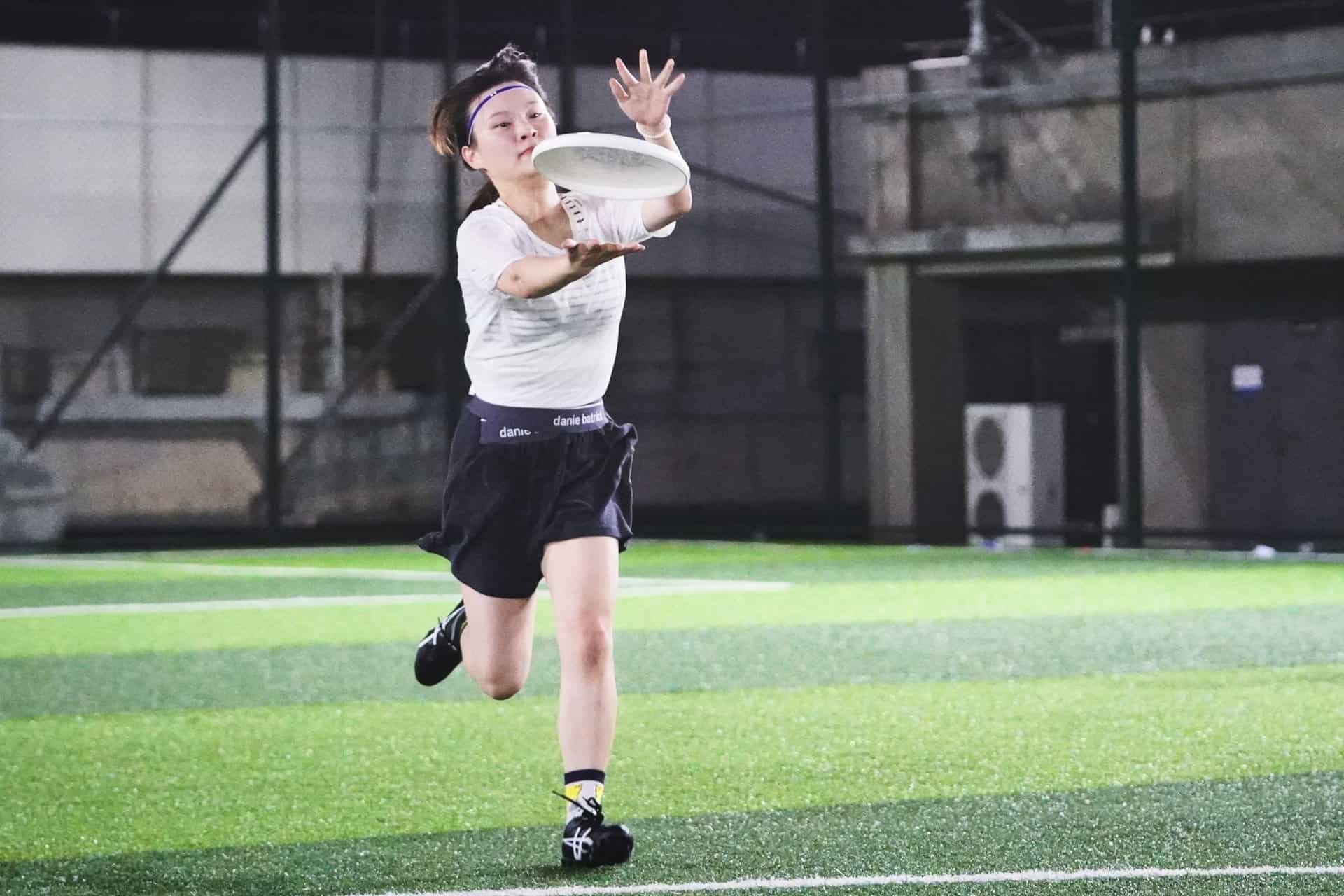
Ultimate frisbee has recently become a popular sport and fashion trend in China, especially in major cities. Ultimate frisbee, or jxiàn fipán in Chinese, was created in the United States in the 1960s and brought to China by American expats in the late 1990s. This trending way of life has skyrocketed in popularity over the past year thanks to the influencers who have been spreading the word on Weibo and Xiaohongshu.

Such has been the success of the fad that on July 7 the General Administration of Sports of China announced the debut of the China Frisbee League on August 2022. This is great news for Ultimate fans in China, and it’s made even better by the possibility that the game will be included as an Olympic sport in the Los Angeles 2028 Olympics.
The popularity of Frisbee as both a pastime and a competitive sport has skyrocketed in recent years. People who don’t normally work out are joining the fitness fad since it’s so easy to get started. It has been reported by numerous frisbee players that the sport’s distinctive “inclusiveness” is what keeps newcomers coming back for more. The sport is not only simple to pick up, but also reasonably priced. The only equipment you’ll need is a tracksuit, some running shoes, some gloves, and a frisbee.
Most countries’ standard frisbee uniforms are rather minimalist, comprising of a jersey and running shorts with mitts and other accessories thrown on top. The ultimate frisbee fashion phenomenon, on the other hand, has taken frisbee attire to a whole new level in China ever since influential people there embraced the sport after the pandemic. Women often “keep up with the zones” by wearing color-coordinated outfits to the field in an effort to be stylish and current. This includes wearing items like biker shorts, tennis skirts, and sun visors.
Both international and domestic manufacturers of activewear have jumped on the bandwagon. The outdoor gear company Patagonia collaborated with Niko to organize a DIY up-cycle class where attendees learned how to turn used garments into fashionable frisbee bags. Nike, an internationally recognized sportswear manufacturer, promoted their newest frisbee-themed products on Xiaohongshu.
To further illustrate the sport’s appeal among Generation Z, even China’s virtual influencer Ayayi has gotten in on the action. The “meta-human” KOL wore stylish biker shorts and soccer cleats in her Xiaohongshu article.
To sum up, the time is right for wellness and athletic companies to capitalize on the meteoric rise of ultimate frisbee in China. More individuals are likely to embrace the “high life” of frisbee as the aftermath of the pandemic improves and summer hits its climax.
How Can Sportswear Brands Win in China?
The Sports Market in China is just booming
The sports industry in China is booming. The market as a whole increased by 10.9% in 2019, reaching a value of RMB 2.95 trillion. The sports services sector accounted for 50.6% of the total value, with 1,493 billion yuan, while the sports products sector accounted for 46.2% with 1,361.4 billion yuan. The sports industry in China is expected to grow quickly in the future years. By 2025, the size of the Chinese sports industry is expected to hit 5 trillion yuan.
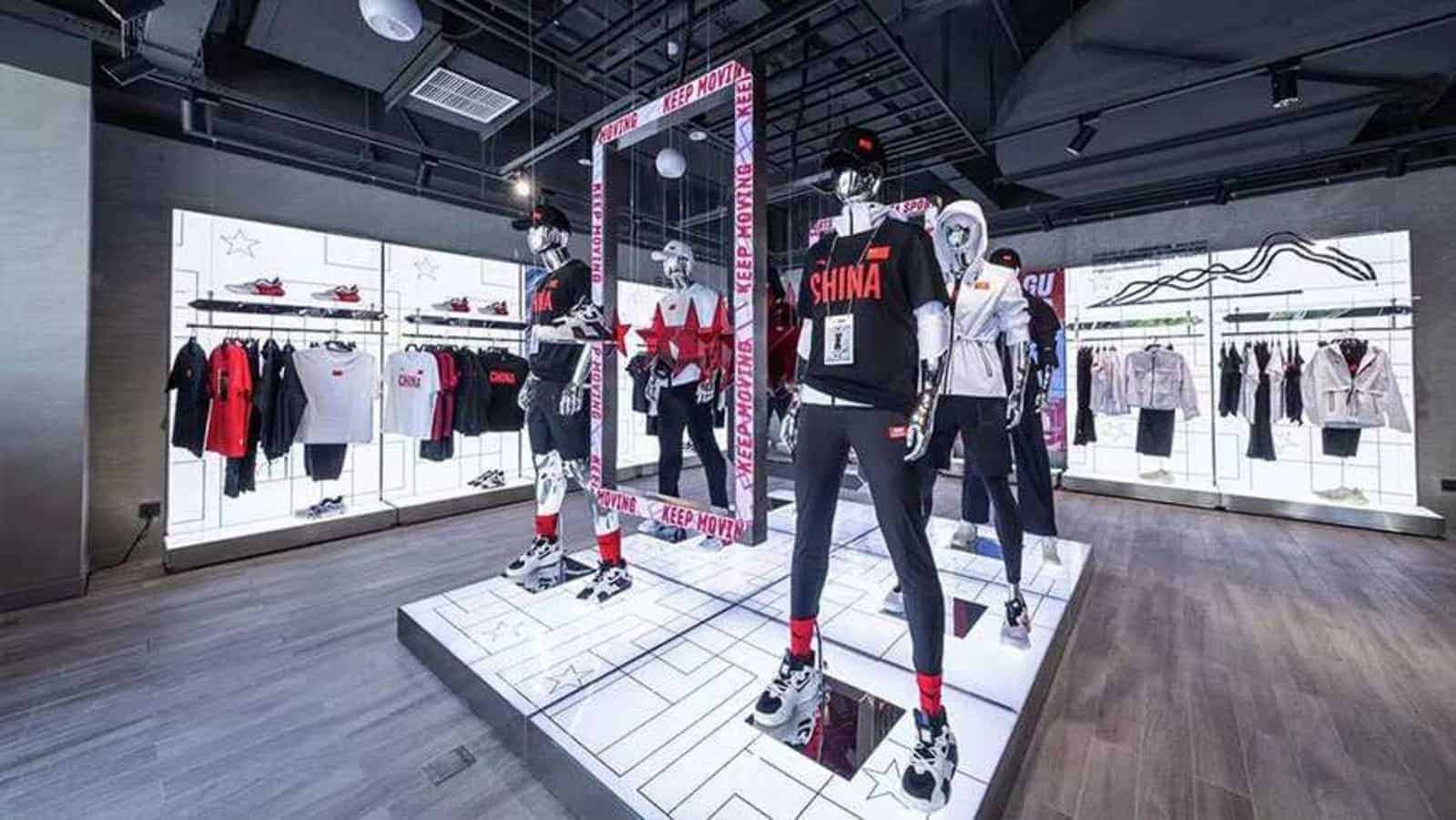
Anta Sport in China.
China’s top-selling sports brand, ANTA Sports saw a more than 5% increase in shares Q1 2022. The Beijing Winter Olympics will be a huge success as the third-most valuable sportswear manufacturer in the world is expected to win.
Li Ning is getting popular
Li Ning is another likely winner. It also looks to capitalize on the Olympics, as well as a wider trend among mainland consumers to become more health-conscious.
NIke in China
Nike Brand is ‘of China and for China’; Chinese netizens remain unimpressed Nike was established in China 40 years ago.
NIkes revenues that were higher than expected and helped the company to recover from a US$790million (S$1.06billion) loss at the bottom of the pandemic to a US$1.5billion (S$2.02billion) profit.
China will continue to be a valuable market for the company due to Nike’s 40-year investment there. He also stated that the firm had always taken a “long term view” of the market.
Huge Competition between Sportswear brands in China
Even as the sportswear market grows (2020’s revenue: 315 billion yuan ) competition is increasingly fierce and retail is under pressure by the rise of e-commerce. A boon for consumers that are pushing brands to reduce their prices because of a more appealing and affordable competition.
Sports brands trying to set up in China have to adapt to the specificities of the Chinese market, namely:
E-Reputation is everything in China, the brand needs to work on its brand image and reputation if it wants to sell to Chinese customers.
Social Media and the power of communities
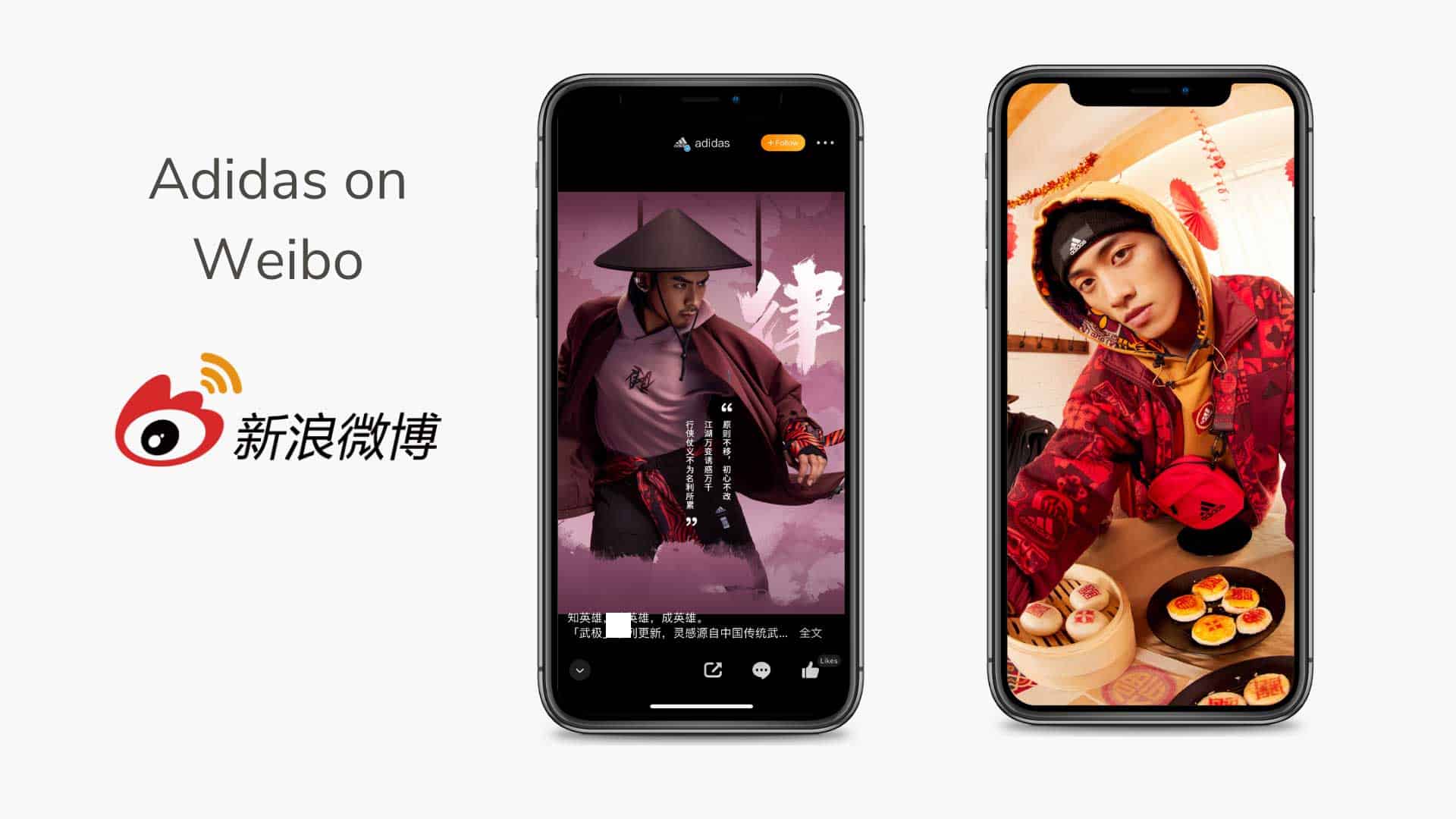
Leverage Social Media through Chinese platforms WeChat, Weibo, and Xiaohongshu. China has its own digital ecosystem and is, therefore, using different social networks compared to western countries. Companies have to adapt their digital strategy to these apps/websites if they want to succeed in China.
Sell on e-Commerce First
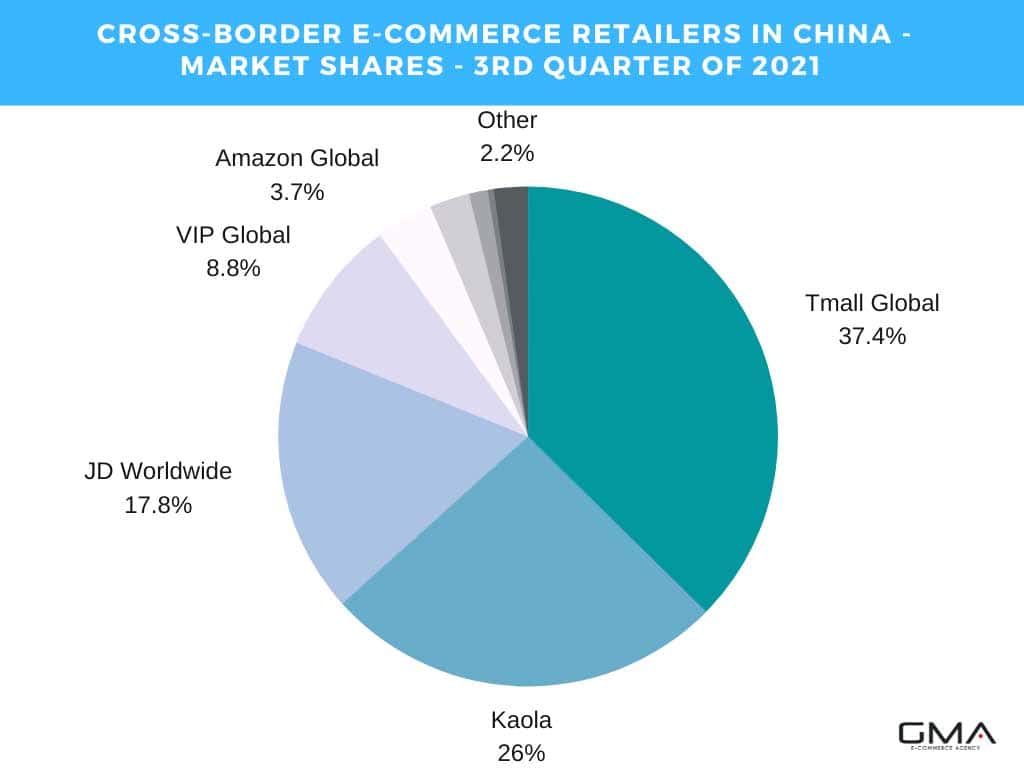
E-Commerce is the way to go! China is the host of the biggest e-commerce market, companies should leverage this opportunity.
Work with a local partner
The Chinese market can be very frightening and working with local partners who know China and the Chinese market can prove to be unparalleled support. Especially as with the guanxi culture (business relations go through a personal relationship) the links are often tightened with the Chinese spokesperson.
Our Agency: Cost effective to get Results in China

We are a SMART agency specializing in the Chinese Market and Digital Marketing. We work with brands wishing to launch their business in the biggest market in the world.
Do not hesitate to contact us to get more information and get in touch with our local expert!