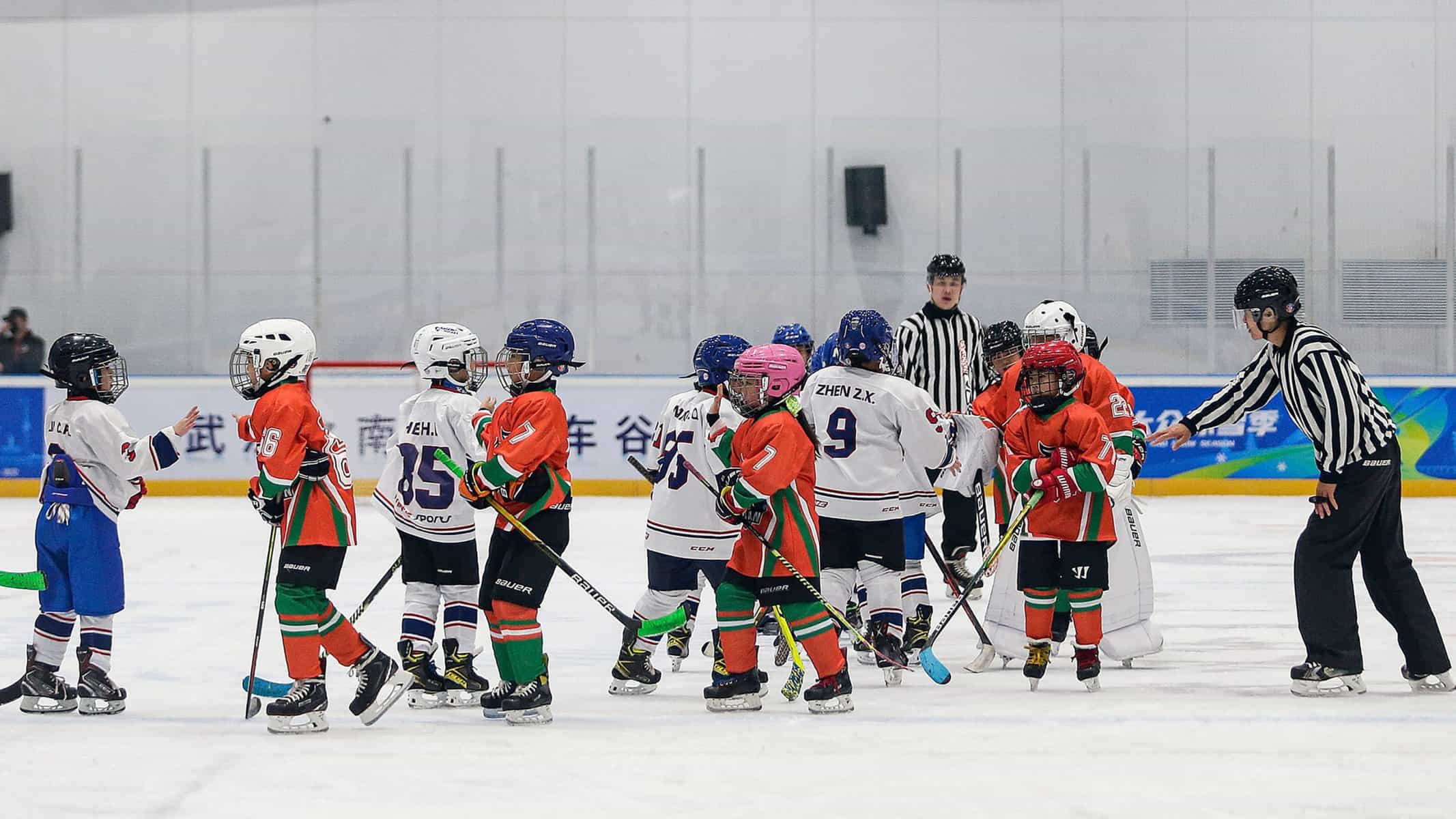
Sport economy for Kids in China is Booming
In the past, intellectual endeavors were valued for young people due to conventional beliefs about the importance of academic education. Teenagers in China have traditionally devoted a significant amount of time to studying for the country’s extremely difficult university admission exam. Children and teenagers have endured a lot of homework as a result of the nation’s demanding rote learning requirements.
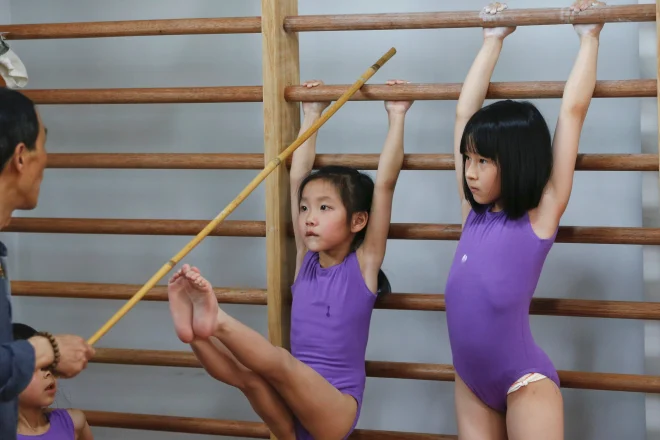
Parents typically strongly encourage their children to do well in school because it is the main way to improve the family’s financial situation and move up the social scale. This also sparked a massive market for extracurricular tutoring centers for kids to help them enhance their knowledge and performance in academic topics, just like it did in other Asian countries like Japan and Korea. As a result, there was little time for sports, and they were occasionally avoided because they took away from crucial study time.
However, there have been some significant changes in recent years, and attitudes toward sports, particularly among kids and teenagers, have shifted significantly. How and why did this occur? Let’s examine it more closely to determine what it means for marketers.
In late August 2021, the Chinese Ministry of Education put into effect its Double Reduction Policy. The policy’s goal was to lighten the load that excessive quantities of homework and after-school tutoring place on kids.
Different grade levels had certain restrictions on written homework, and under government oversight, school-based extracurricular activities were to be offered to keep pupils occupied until their parents arrived home from work. Both online and offline private tuition facilities were severely restricted. The teaching of academic subjects and the operation of centers during weekends and school breaks were both prohibited. Additionally, they were only permitted to adopt non-profit business structures, and huge tutoring firms were not permitted to go public. Excessive testing was also prohibited.
With these adjustments, China has witnessed a significant change in attitudes about sports, particularly toward young people who participate in active hobbies.
More resources dedicated to sports and physical education
Many of the country’s once-thriving tutoring centers have shifted their focus to providing after-school sports programs for kids. Vice Director of the Young Sports Department of the State Sports General Administration Zhou Jinyao said that the Double Reduction strategy has laid the groundwork for the development of youth sports.
The Dazhi Education Centre in Shandong is a prime example of such a facility. After the Double Reduction policy was revealed, the center, which had been operational for over 20 years, announced the inauguration of a sports center and the commencement of a basketball training camp.
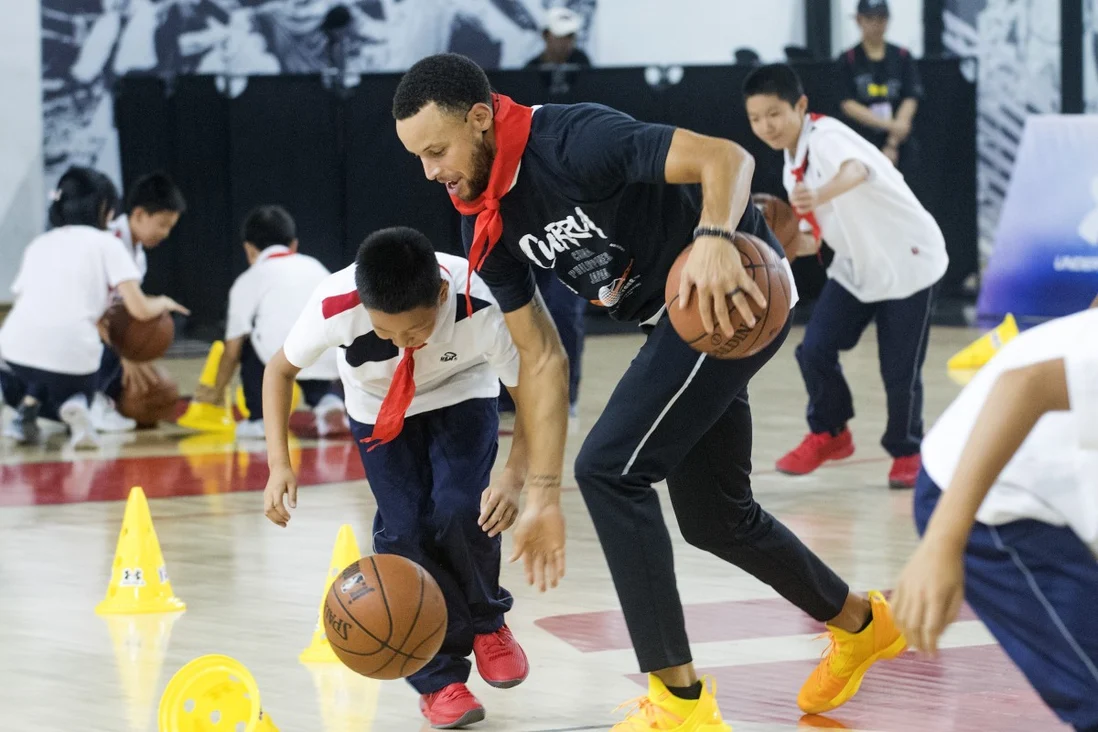
In fact, following the announcement, all of the center’s upper-level management teams were tasked with learning about and preparing for the new needs of national policy. Their newfound focus on sports demonstrated the preliminary stages of this shift.
The Double Reduction Policy has resulted in increased oversight of the sports industry as well as enhanced processes and standards to direct standardized, positive development and assist businesses in maintaining quality and safety. The sector is growing at a good rate, guaranteeing the sector’s continued expansion through solid institutional support.
On April 21st, the Ministry of Education released the “Compulsory Education Curriculum Plan and Curriculum Standards (2022 Edition)”. The proposal calls for “sports and health” sessions to make up 10%-11% of total class hours, making it the third largest “main subject” after math and English. The revised courses and curriculum standards are scheduled to go into effect during the fall semester of 2022.
Sport and Fitness main distributors in China
- Physical stores
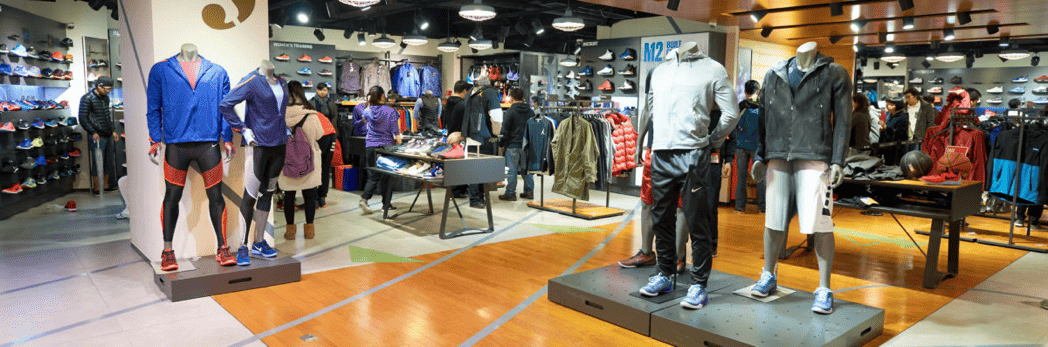
You have the option of targeting either mass market chains that carry only your brand, or niche markets that carry only your goods. Thanks to their popularity and established foothold in the Chinese market, global leaders like Nike, Adidas, Li Ning, and New Balance can afford to stock their stores with only their products.
If this method of distribution is out of your price range, we suggest looking into selling through specialty chain stores, which are great for new brands because customers can learn more about your products up close and personal.
Evidently, having a physical storefront is advantageous. Most Chinese consumers now, however, do their shopping online. Having a presence on appropriate digital platforms is the most important thing to do when selling products in this market, even though physical markets will boost your exposure.
2. E-commerce platforms
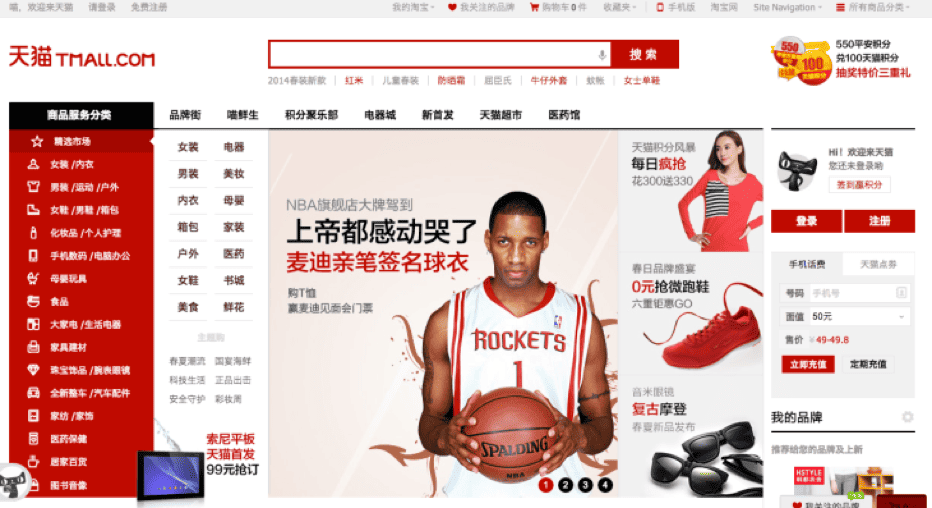
TMALL
With about 60% of the online B2C market share in China, Tmall is the Chinese e-commerce leader. You can find almost everything you want on this platform and selling your products there is possible as well.
Tmall B2D is a good way to find a distributor while Tmall B2C is a classic way to directly sell your products through the greatest Chinese e-commerce platform.
JD
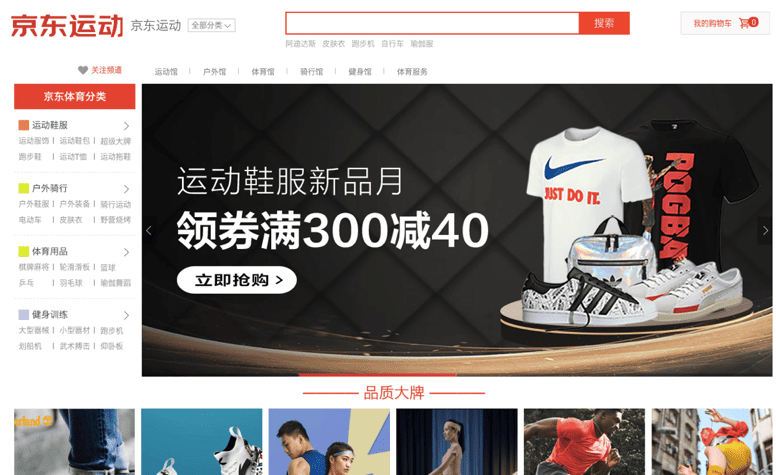
JD.com is the second-largest e-commerce company in China. More technology-focused, JD represents about 20% of the Chinese e-commerce. Selling sport and fitness products on JD is also possible and will be efficient as well since it is a platform that Chinese people have trust in a lot.
As in Tmall, creating your online store and selling through the platform will lead you to big sales and high visibility!
Discuss your project with us ! Contact us.
As a Digital marketing team specializing in the Chinese Market, SEO Agency China (sub-department of GMA) can help you to enter the Chinese fitness & wellness market. With almost 10 years of expertise, we have the most advanced solutions to help you increase your visibility.


Hello
I am searching to partner with Summer camp for kids in Europe or Australia
We are a education business and we want to launch this new program for kids