
Chinese Tourists Are Searching For Active Holidays
Are you curious about the latest travel trends among Chinese tourists? Statistics reveal a rising interest in active holidays among these travelers.
This blog post will dive into the resurgence of domestic tourism in China, provide insights on popular destinations, and showcase how health-focused vacations are gaining traction.
Let’s embark on this journey to unearth what makes an ideal vacation for modern Chinese travelers!
Key Takeaways
- Chinese tourists are once again traveling, both domestically and internationally, leading to a significant impact on popular tourist destinations.
- Domestic tourism in China is on the rise, with more Chinese people choosing local trips over international travel due to cost and visa restrictions.
- There is an increasing demand among Chinese tourists for active and wellness-focused holidays, including activities that promote physical and mental well-being.
- This trend presents opportunities for destinations that can cater to these preferences by offering outdoor experiences, adventure activities, and holistic wellness options.
The Resurgence of Chinese Tourists
Chinese tourists are going on trips again. The travel limits in China have been lifted. Many of them prefer to travel within their own country now. This is making the domestic tourism industry grow fast.
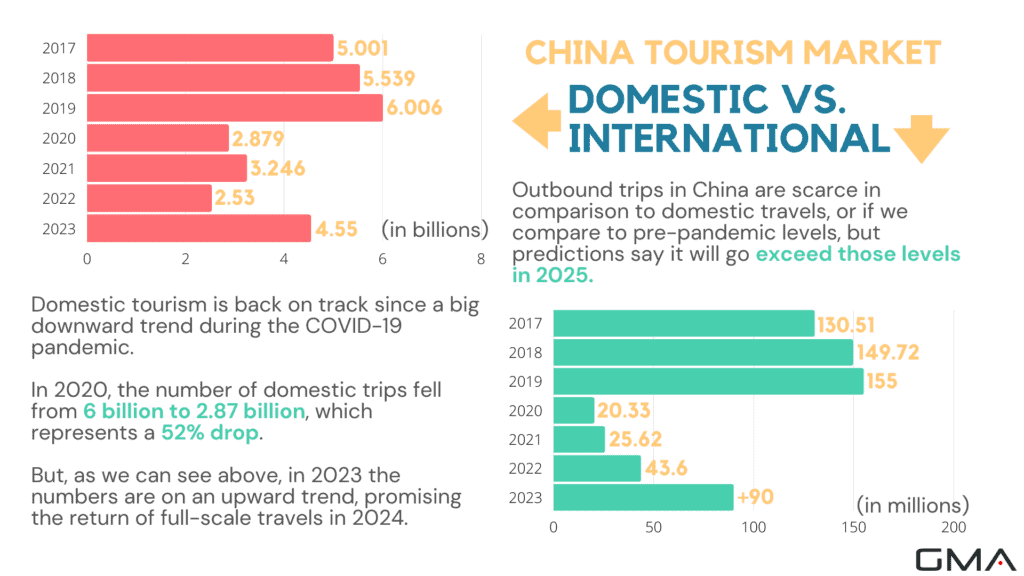
As you can see above, tourism is bouncing back in Mainland China, with Chinese visitors traveling domestically and internationally. Although overseas travel still has a long way to go, it has already grown from 20.33 million trips in 2020 to more than 90 million in 2023. Southeast Asia, Japan, Hong Kong, and South Korea remain the top choices this year.
A few years ago, before Covid-19, Chinese people went on about 155 million trips outside the country. But flights cost a lot and it takes too long to get a visa right now. So for now, they choose local places for their holidays instead of going abroad.
In 2023, Chinese citizens are estimated to take 4.55 billion trips, and the numbers are likely to go back to pre-pandemic levels in 2024. So as you can see, the return of Chinese tourists is a fact, and it’s right about time to know what they want.
Domestic tourism on the rise
China sees a surge of domestic tourists. Travel bans were lifted which led to this high demand for travel. Chinese people are picking outdoor places more often now. They love home adventures and prefer local trips.
Staycations have become a thing in China as more people enjoy them. Cities like Chongqing gain new fans too. These second-tier cities draw in many travelers from within the country as well.
It’s clear, that domestic tourism is on the rise!
Impact on popular destinations like Thailand
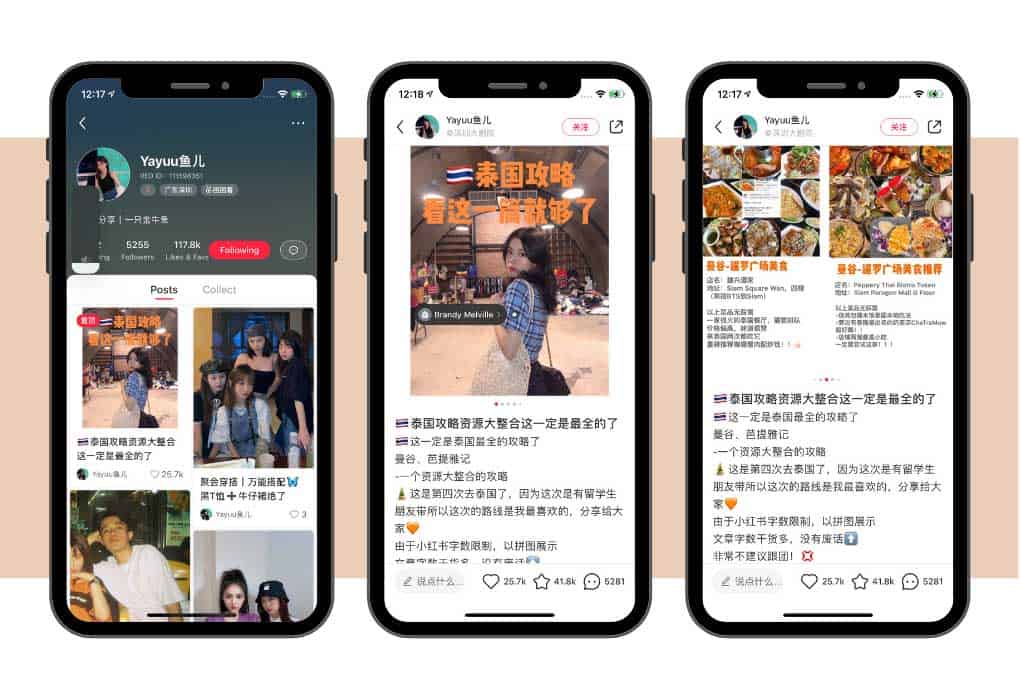
Few Chinese travelers are going to Thailand right now. The number is only 2.2 million from January until September tenth of this year. Still, these tourists bring hope to the amazing Thailand and its economy which relies a lot on tourism.
China’s travel rules have changed and Chinese tourists want to travel outside their country again. This change has created a strong demand for trips to places like Thailand. Though this is good news, it might not fix all the problems for Thai officials in Thailand’s tourism-dependent economy.
Why Are Chinese Tourists Searching for Active Holidays?
Chinese tourists are increasingly demanding active and wellness-focused trips, with a particular rise in interest in mental wellness holidays.
Increase in demand for active and wellness-focused trips
Chinese tourists are increasingly seeking active and wellness-focused trips. They want to prioritize their physical and mental well-being while on vacation. This shift in preferences reflects a growing interest in wellness and health tourism among Chinese travelers.
They are looking for opportunities to engage in activities that promote relaxation, rejuvenation, and personal growth. Whether it’s hiking, yoga retreats, spa treatments, or exploring nature reserves, Chinese tourists want to make the most of their trip by prioritizing their health and well-being.
This surge in demand for active and wellness-focused trips in China and other countries presents exciting opportunities for destinations that can cater to these preferences.

Mental wellness trips on the rise
Chinese tourists are increasingly seeking out mental wellness trips as part of their holiday experiences. This reflects a broader trend of rising interest in health and wellness among travelers worldwide.
Studies have shown that engaging in active holidays, such as micro adventures or wellness-focused trips, can have positive effects on mental and emotional well-being. As a result, more Chinese tourists are prioritizing activities that promote relaxation, stress reduction, and overall psychological wellbeing during their vacations.
This shift highlights the growing importance of mental wellness in travel choices and underscores the desire for holistic experiences that address both physical and emotional needs.
Desire for Unique and Authentic Experiences
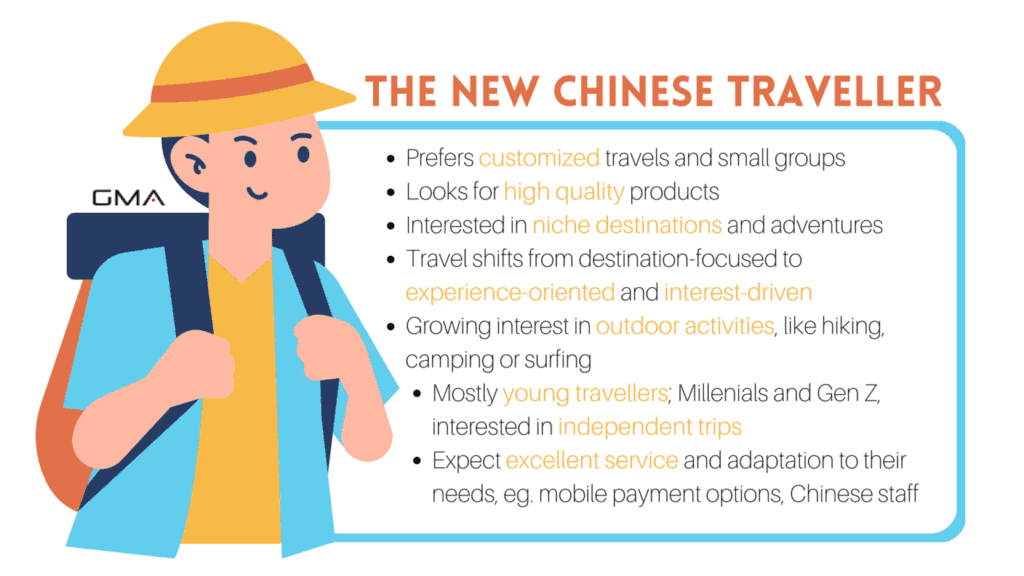
The modern Chinese traveler is no longer content with the usual, commercialized tourist destinations. There’s a strong inclination to move away from the typical tourist traps, which often offer a watered-down version of local cultures.
Instead, there’s a hunger for genuine, raw experiences that allow tourists to immerse themselves in the local culture, traditions, and landscapes. This desire for authenticity has made active holidays, which often bring travelers closer to nature and local communities, particularly appealing.
Influence of Social Media
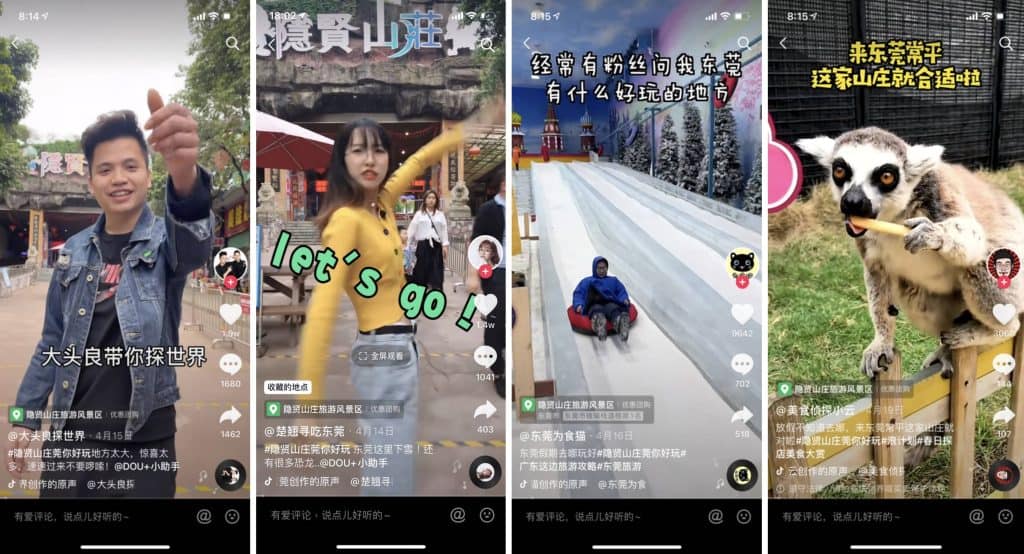
The power of social media in shaping travel decisions cannot be underestimated. Platforms like Weibo and Douyin (known as TikTok outside China) have become essential tools for travelers researching their next destination.
These platforms are rife with content creators showcasing off-the-beaten-path destinations, thrilling adventures, and active travel experiences. Watching influencers navigate scenic hiking trails or dive into clear blue waters inspires viewers to seek out similar experiences. The viral nature of these platforms ensures that active holidays continue to trend among users, further fueling their popularity.
Younger Generation’s Influence
The younger Chinese generation, particularly the Millennials and Gen Z, have played a pivotal role in driving this shift towards active holidays. Born in the age of globalization and digital connectivity, these young individuals have been exposed to a myriad of cultures and experiences from a young age. They possess an inherent thirst for adventure, new experiences, and a deeper connection with the world around them.
Traditional holiday packages that offer passive sightseeing no longer satiate their wanderlust. Instead, they seek holidays that challenge them, allow them to learn new skills, and provide stories they can share with their peers.
Popular Active Holiday Activities Among Chinese Tourists
Trekking and Hiking
The thrill of conquering a peak or navigating a challenging trail is something many Chinese tourists now seek. Famous trails, whether it’s the scenic paths of Zhangjiajie, the historical steps of the Great Wall, or the challenging terrains of the Tibetan plateaus, offer both physical challenges and unmatched natural beauty.
These trails and mountains, rich in both history and scenic views, present an allure that’s hard to resist for those wanting a mix of cultural immersion and physical activity.
Water Sports
The vast coastline of China, coupled with its proximity to idyllic tropical destinations in Southeast Asia, has given rise to the popularity of water sports among Chinese tourists. Activities like diving and snorkeling offer an opportunity to explore the breathtaking underwater worlds of places like the South China Sea or the Andaman Sea. Kayaking, on the other hand, provides a serene yet active way to navigate through clear waters, mangroves, and hidden coves. These water-based activities not only offer an adrenaline rush but also a unique perspective of the region’s marine biodiversity.
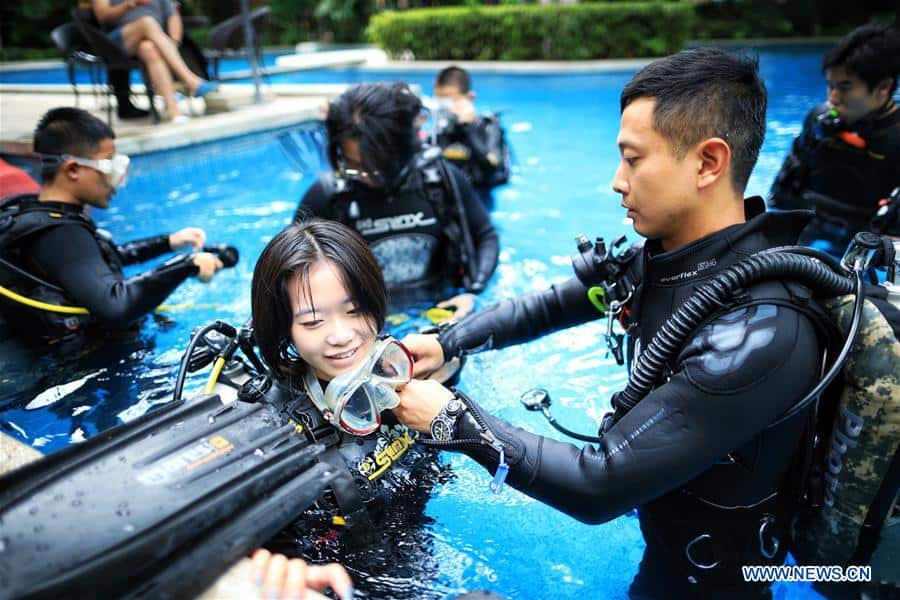
Cycling Tours
Cycling offers a unique blend of exercise and exploration, making it an increasingly favored activity among Chinese tourists. Whether it’s pedaling through the ancient hutongs of Beijing, the serene rice terraces of Guilin, or the scenic coastal roads of Hainan, cycling allows tourists to cover vast distances while still being immersed in their surroundings. It provides a pace that’s neither too fast nor too slow, perfect for absorbing the essence of a place and interacting with locals along the way.
Adventure Sports
For those seeking an adrenaline spike, adventure sports are the answer. The rush of jumping off a platform with nothing but a bungee cord, or soaring through the skies while paragliding, offers thrill-seekers unforgettable experiences.
Destinations offering these sports are seeing an influx of Chinese tourists eager to test their limits and conquer their fears. It’s not just about the thrill; it’s also about the stories of bravery and adventure they carry back home.

Impact on the Travel and Tourism Industry
Emergence of Specialized Tour Operators
With the rising demand for active holidays among Chinese tourists, the travel and tourism industry has seen a surge in specialized tour operators. These companies recognize the nuanced needs and preferences of this segment and are offering tailored packages.
Whether it’s a trekking expedition in the Himalayas, a diving retreat in the Maldives, or a cycling tour through the European countryside, these operators provide curated experiences that ensure safety, enjoyment, and cultural immersion. Their emergence signifies a more segmented and personalized approach to catering to the evolving tastes of Chinese tourists.
Local Economies and Infrastructure
The shift towards active holidays has profound implications for local economies and infrastructure. Destinations favored for such activities often witness a boost in local businesses — from equipment rentals and guides to local eateries and accommodations.
This influx can be a double-edged sword. On one side, it brings economic prosperity and job opportunities; on the other, it necessitates the development and maintenance of infrastructure to support the increased footfall. This means better roads, enhanced safety measures, and sometimes even training for the local populace to cater to the specific needs of Chinese tourists.
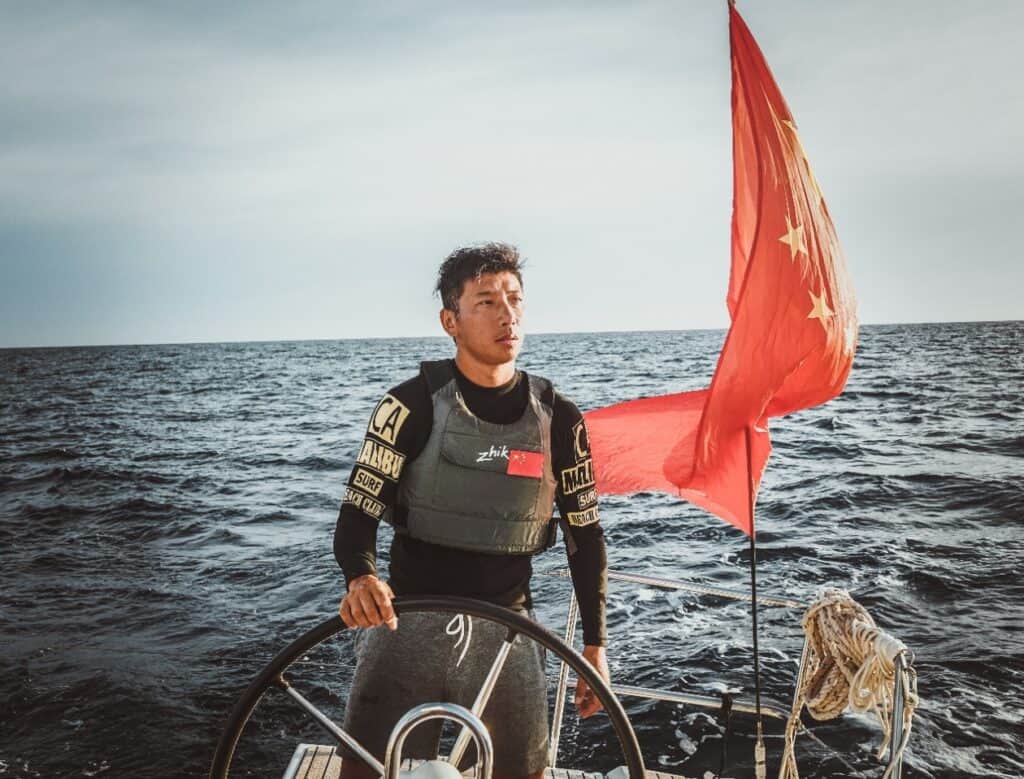
Sustainability and Ecotourism
One of the silver linings of the active holiday trend is its alignment with sustainability and ecotourism. As Chinese tourists seek authentic experiences, there’s a growing demand for holidays that are not just thrilling but also environmentally conscious.
Activities like bird-watching, nature treks, or stays in eco-friendly lodges highlight a preference for minimal-impact tourism. Many operators are now emphasizing eco-friendly practices, from waste management during treks to ensuring the protection of local flora and fauna. This not only provides tourists with a guilt-free experience but also aids in the conservation of the environment and promotes the well-being of local communities.
Partner with Gentlemen Marketing Agency for Targeted Success
As the landscape of Chinese tourism evolves, capitalizing on emerging trends requires more than just insight; it demands strategic action and tailored solutions. At Gentlemen Marketing Agency, we offer a suite of services designed to position your business at the forefront of these shifts.

Why Choose Gentlemen Marketing Agency?
- Localized Expertise: Our deep understanding of the Chinese market goes beyond mere observations. We grasp the intricate cultural, social, and economic dynamics that drive consumer behaviors, ensuring your campaigns resonate authentically.
- Digital Mastery: Digital platforms like Weibo and Douyin are revolutionizing how businesses connect with potential customers. Our team is adept at crafting campaigns tailored for these platforms, ensuring maximum engagement and conversion.
- Tailored Strategies: We specialize in bespoke marketing solutions. Recognizing the surge in active holidays among Chinese tourists, we’ll create strategies that highlight your brand’s unique offerings and resonate with this dynamic audience.
- Content Creation: Our in-house team of content creators crafts compelling narratives, from blog posts and infographics to video content, ensuring your brand’s story is told in the most engaging way possible.
- SEO and SEM: With the vast digital landscape in China, standing out requires strategic search engine optimization and marketing. Our experts ensure your brand is visible, relevant, and top-of-mind for potential customers.
- E-Commerce Solutions: As online shopping trends surge, our team offers solutions to integrate e-commerce platforms, optimize user experience, and boost online sales.
- Sustainability and Authenticity: In a market that’s gravitating towards genuine experiences and eco-conscious choices, our campaigns emphasize authenticity, sustainability, and deep local immersion, aligning your brand’s ethos with the values of today’s discerning traveler.
The Chinese tourism landscape is brimming with opportunities, and with Gentlemen Marketing Agency by your side, you’re poised to seize them all. Dive into a partnership that promises expertise, innovation, and unmatched results. Contact us today, and let’s chart a path to success together.






Pleased to note the news.
We are an exclusive hotel in Sri Lanka called “GOVERNOR’S MANSION”. We can be viewed on
We are trying to let our Chinese tourist know of the place. We have not come across a way to do this in China.