How Israel businesses can attract Chinese Tourists (Top Strategy)
[update 2020] How SME in Israel can develop their business with Chinese Tourists. We explain the market, and top strategy to boost your visibility in China.
Tourism is an industry which if flourishes, can be very fruitful to the country and the tourists themselves.
Israel Tourism Strategy: Targetting Chinese tourists

It is not a secret or even a bad thing for the Israeli government to be keen to tap into a growing industry like that of Asia’s and its people the Asian middle class who are armed with passports and eager to explore the globe. Israel’s government has begun throwing its weight behind a number of creative efforts to promote Israel as a destination for tourists from India and China.
How Israel businesses can attracting Chinese Tourists (Top Strategy)
step 1: Website in Chinese hosted in China
Step 2 : SEO on Baidu (and not google)
Step 3: set up a Baidu Advertising account and advertise
Step 4 : invest in your ereputation in China (PR , Media)
Step 5: Maximize your Social media exposure via weibo and WeChat
Step 6: Prepare right packages for Chinese tourists
Step 7: collaborate with influencers to broadcast pictures and videos
More information, want to speak with a tourism Consultant (30min Free call)

Basic PR strategy
The administration is putting a lot of faith in this basic PR strategy to help them boost up their tourist influx. Things cannot work fast enough, though. In the two years since the Gaza War, with tourism sagging, and hotel stays 22% lower than in the months before the war, the Israeli government is bending over backward and has doubled down on its efforts to woo Asian visitors.
Creative efforts from Israel Tourism bureau
Israel’s government has begun throwing its weight behind a number of creative efforts to promote Israel as a destination for tourists from India and China
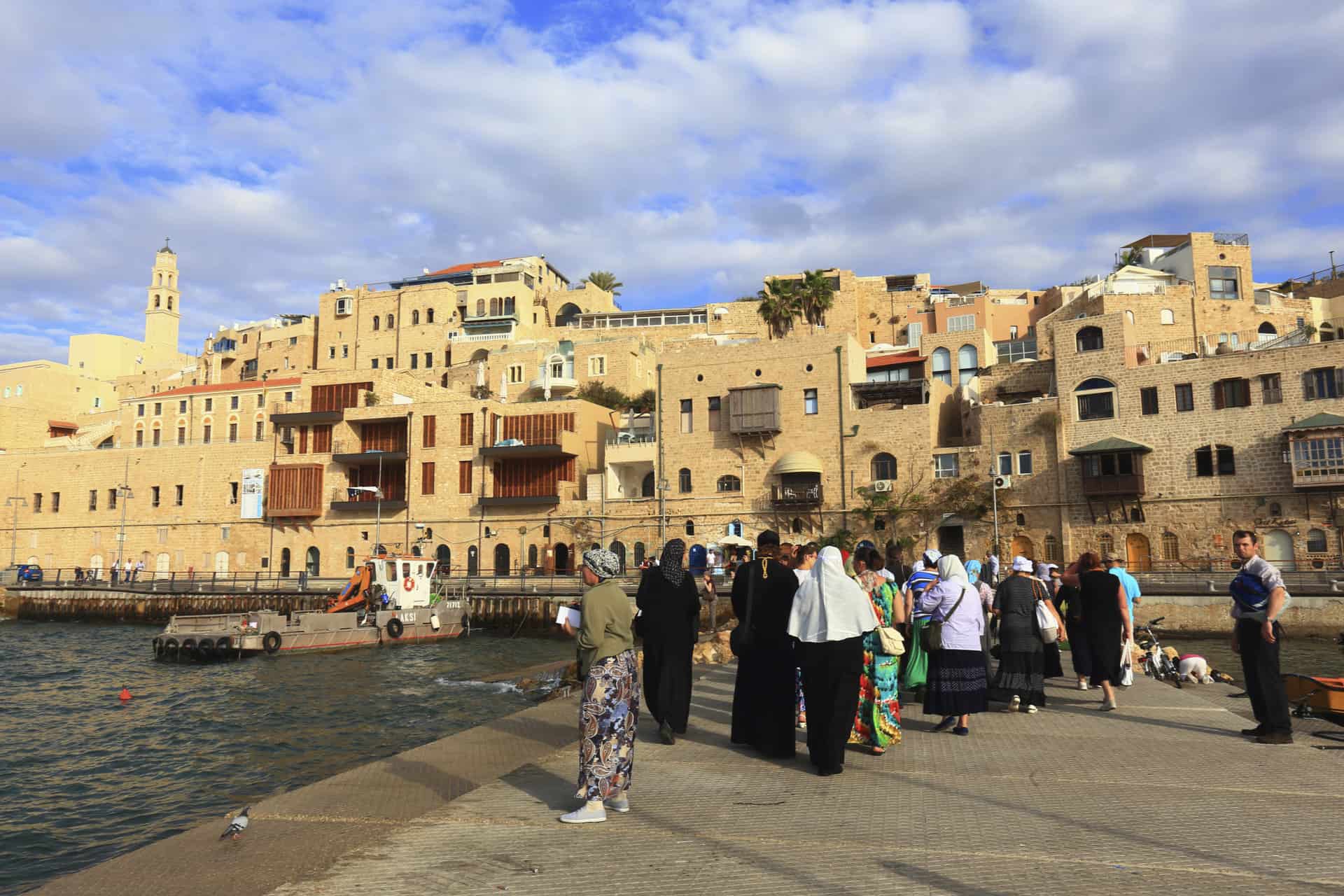
Call it the new frontier for Israeli tourism: When it comes to courting visitors, there is no doubt that the Holy Land is looking east.
China huge Potential
It’s easy math, India and China both have a huge economic potential, a thriving and ever multiplying population that accounts for one-fourth of the total population, and have shown exponential growth in the number of people traveling overseas. All these facts are very important for Pini Shani, director of the Overseas Department at the Israeli Ministry of Tourism and his team.
online Celebrities
Celebrities, of course, are an obvious way to tap into that potential. Sonam Kapoor narrated her trip with a burst of Snapchat selfies, which saw her visiting sites around the Old City and showing off a series of big sunglasses in taxis on the way to Tel Aviv and the Dead Sea with effusive captions. While Kapoor came to Israel for the Harpers layout, the photo shoot featured her frolicking in the streets and alleyways of ancient Jerusalem wearing a number of stunning gowns by both Indian and Israeli designers she intended to take in a few quick tours of Jerusalem’s holy sites. This was enough taken the tourism industry up a notch. With the right publicity, there’s nothing you cannot achieve and Israel knows this too well.
More information on Social Media Celebrity in China
27% more tourists than the previous year

Luckily it’s working, at the start of 2017, Israel opened its gates to 27% more tourists than the previous year.
+27% travellers in Israel !
This country is now focusing on tourists also despite its political issues with other countries. It is also hard for Israel to attract tourists from rich Islamic states and countries because they most of these states don’t even recognize Israel as a country. Lots of countries don’t issue the visa for this country and Israel also doesn’t allow people of those countries to enter in their occupied lands.
Political Situation is complicated for the Tourism of Israel
Although the Israeli land is forcedly occupied and there have been several small and big fights on the borders of Israel but still there are several interesting things to see in this country. There is a huge segment of tourists who visit this country just to see that how these colonies of Israel has grown into well-established cities. This may be against the international law but it is mind boggling too.
There have been several interesting reports on tourism in Israel
Perhaps the most staggering of all reports that came forth from the tourism department is that of China that reported an astonishing 300 percent increase of Chinese tourists in Israel. If the tourism departments keep on their toes this number is only going to go up with time, specially the online Business in China
Chinese travellers are searching adventure !
It seems that Chinese people are very eager to visit to see this country which is true to some extent but it is also true that the number of Chinese tourists in every developed country is increasing. It is becoming clear that if you want to increase tourism in your country you will have to facilitate Chinese tourists because they are willing to go anywhere for adventure and entertainment.
Spending of Chinese travellers !
Moreover, Chinese tourists also spend a huge amount of money due to which their value in the eyes of host countries is very high. Israel is not the first one to make plans to attract Chinese tourists. Australia, USA, and Canada have special visa policy for Chinese people to attract maximum Chinese tourist to their country.