
How to Promote Your Hotel to Chinese Tourists?
Prior to the coronavirus epidemic paralyzing worldwide travel in 2020, China sent more visitors abroad than any other market, with around 150 million Chinese tourists spending $277 billion abroad in 2019. The exodus stopped in 2020, and as part of its “zero Covid” policy, China continued to forbid its people from traveling abroad.
The abrupt termination of China’s zero-COVID policy, despite an unknowable human toll, is undoubtedly a blessing for the world economy, relieving consumers and merchants of three years of supply chain disruptions brought on by arbitrary closures of ports and industries. The lifting of China’s travel restrictions due to the pandemic is also a big relief for the international hotel sector.
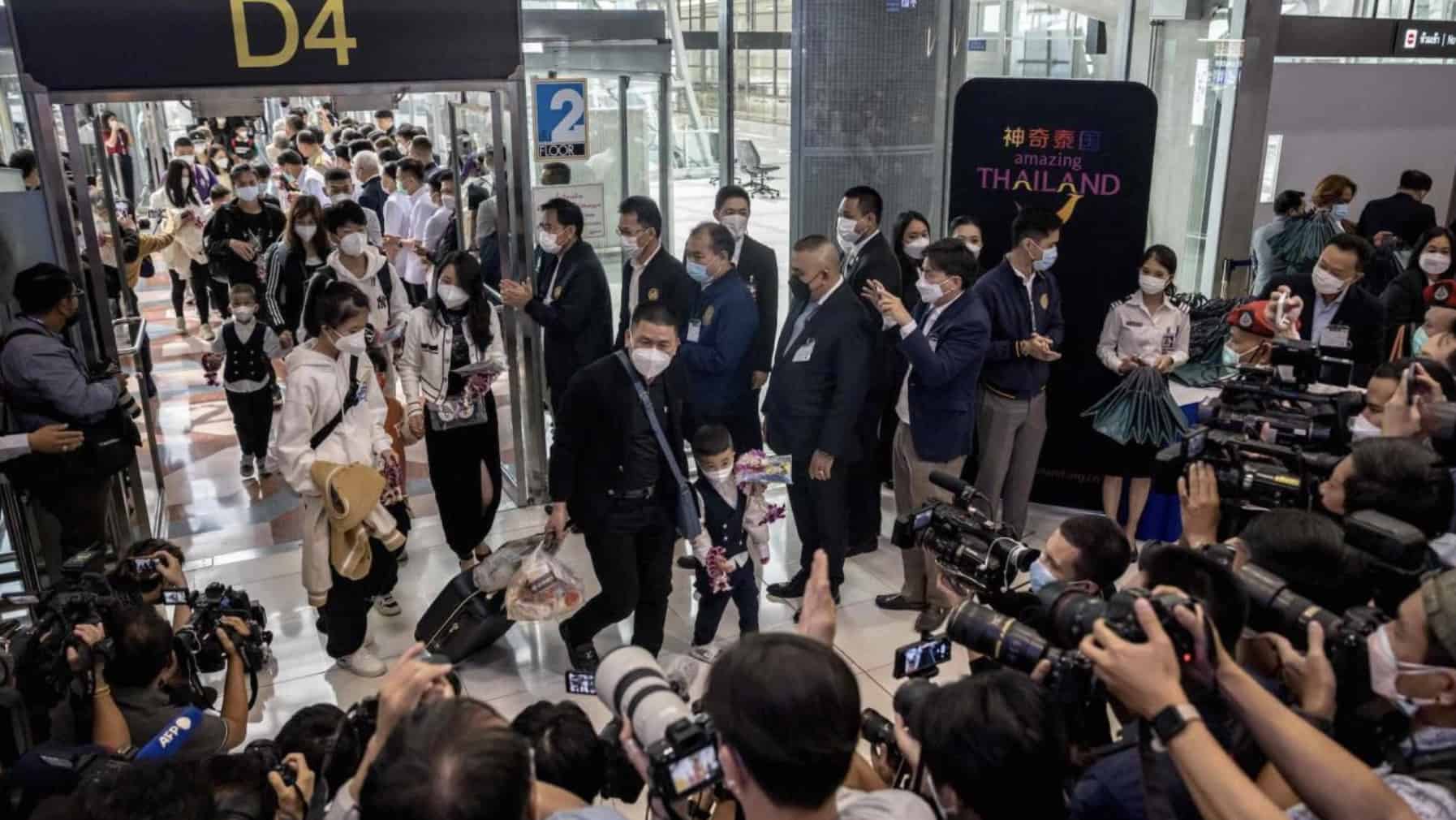
According to Wolfgang Arlt of the China Outbound Tourism Research Center, 110 million visits will likely be taken in 2023. It is anticipated that there will be 228 million journeys made in 2030. Most of them would stay in different hotels available worldwide.
Studies from AC Nielsen show that most Chinese tourists choose high levels of hotels to stay in: one in three of them will choose a 4-star hotel, while one-tenth of them will choose a 5-star hotel when outbound.
Understand Chinese Tourists
Demographic Profile and Travel Preferences
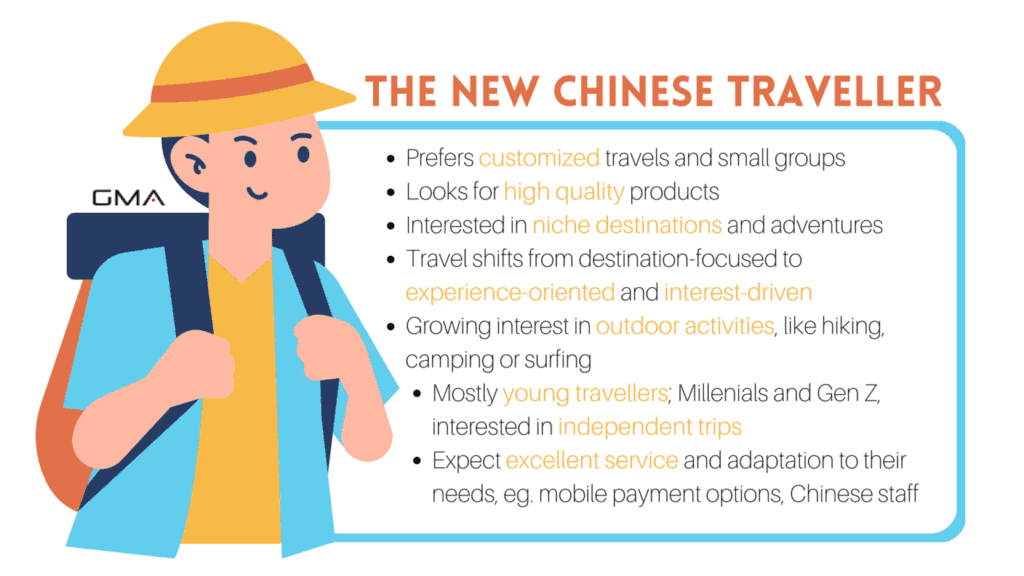
Chinese tourists present a diverse demographic, encompassing young solo travelers, families, and older generations. A growing segment is the affluent middle class, who are increasingly seeking unique and high-quality travel experiences.
Millennials and Gen Z travelers are tech-savvy and look for destinations that are both Instagram-worthy and culturally enriching. Preferences vary from luxury shopping and fine dining to exploring heritage sites and experiencing local cultures.
Additionally, there’s a rising trend in adventure and eco-tourism among younger Chinese travelers, who are eager to engage in activities like hiking, skiing, or beach vacations.
Cultural Nuances and Expectations
When catering to Chinese tourists, understanding and respecting their cultural nuances is key. Language is a primary consideration – many Chinese tourists appreciate Mandarin-speaking staff or, at the very least, signage and materials in Mandarin.
In terms of services, preferences might include Chinese cuisine options, tea-making facilities in rooms, and payment options like WeChat Pay or Alipay. It’s also important to be aware of cultural sensitivities, such as etiquette around dining and social interactions.
Understanding Chinese holidays and peak travel seasons, like Chinese New Year and Golden Week, can also help in tailoring services and marketing efforts to times when travel is most likely. By acknowledging these cultural aspects, hotels can create a welcoming and comfortable environment for Chinese guests.
Best Tips to Promote Your Hotel to Chinese Tourists
You need to remember, that Chinese customers differ in their preferences, digital platforms, and needs, so it’s important to adapt to them to see the best results. Here are my tips for your hotel promotion:
The Chinese choice, adapt your offer to Chinese clients
Chinese choose hotels based on their own knowledge, those of their peers, promotions, and the Internet. Chinese tourists consider a lot of things before choosing a hotel, one is safety. Most Chinese travelers are going abroad for the first time, so their first priority would be their safety in the place they’re going to and, of course, the safety of the place they’ll be staying at.
Expert Tips: How to win back Chinese tourists in 2023?
1. Restore your Mandarin website and make sure it works smoothly in China.
2. Check your account on Ctrip or Qunar, and make promotions.
3. Offer discounts on your WeChat and Red accounts for old subscribers and their invitees.
4. Develop a special program to invite your Chinese guests.
Transportation: Chinese will check convenience
Another factor usually considered by the Chinese is the convenience of transportation. A large number of Chinese are not good in English; therefore a hotel with personal transport service or tour buses or the like is a huge plus in the Chinese market.

Safety is a priority
You have to mention somewhere that the place is safe, and far away from criminality. It seems to be nothing for you, but Chinese people are afraid to be robbed.
Price and discount
Price is also part of the points to consider. Chinese more than others look carefully at the prices even though they spend way more than the average person while on holiday. For instance, they go to Italy to shop for luxury goods because of the lower prices of these said goods compared to the highly-priced goods in mainland China; they do it the same way with hotels. Two hotels with basically the same services but different prices, they’ll go to the cheaper one instead.
Have a Website in Chinese
Having a website in Chinese is the first action to be seen by the Chinese market. Most of the Chinese, cannot read nor understand basic English but are very interested in traveling around the world. Make yourself known and show that you can accommodate them by understanding them and letting them understand you.
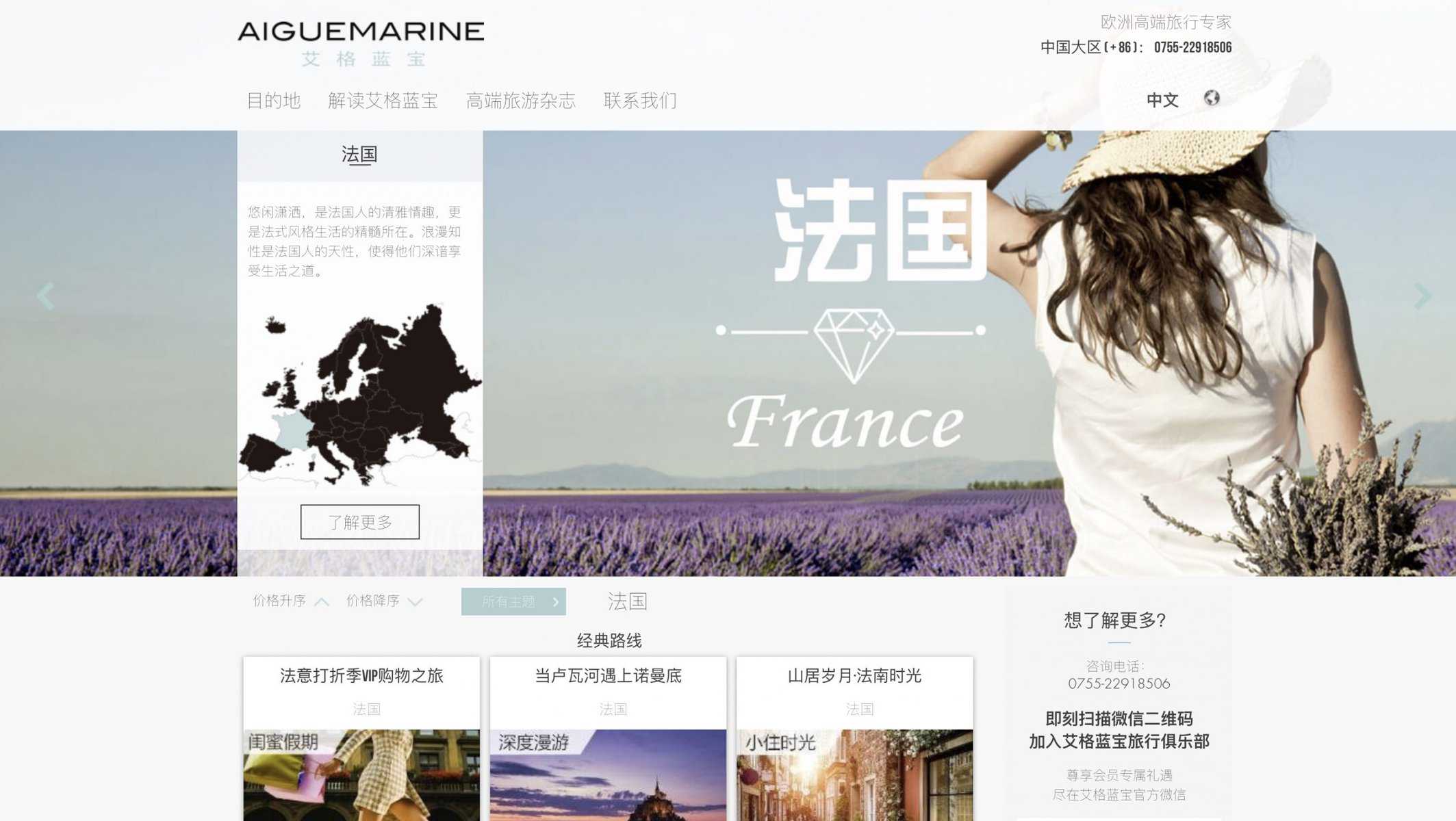
Also, have your website hosted in China. It is important for the Chinese to see your website to arouse interest, it must attract visitors by SEM or SEO, and talk about your website on forums or on Chinese social networks.
Partner with local Chinese agencies or multinational agencies in China
A huge number of Chinese travel in groups, due to many reasons:
- Language barrier. As mentioned above, Chinese travelers can barely speak English, so a guide would be ideal.
- Visa. Agencies take care of everything including obtaining a visa, which can often be a hassle to Chinese citizens for its complicated process.
- Fear. Most Chinese people only started traveling during the last decade, so traveling alone is never an option.
- Culture. In Chinese culture, people are used to doing things in groups.
- Price. Travelling with a travel agency in a large group is cheaper than traveling alone or small group and China is a very price-sensitive society.
Talks among different agencies can make your hotel and website known, and can give you your first business. Agencies are generally hard to find, they have specific requirements and have been already working with contractors for years. Having strong media marketing is a must!
Online Promotion
Internet in China is increasing its influence; both large and small brands use the internet to promote their businesses. Whether by direct promotion with banners or indirectly via Buzzs or public relations, online communication has now become almost mandatory.
A low initial investment, ROI (Return on Investment) generally good and measurable, a wide range of media, interactivity with the customer, all these factors make online promotion a big factor in the Chinese tourism sector.
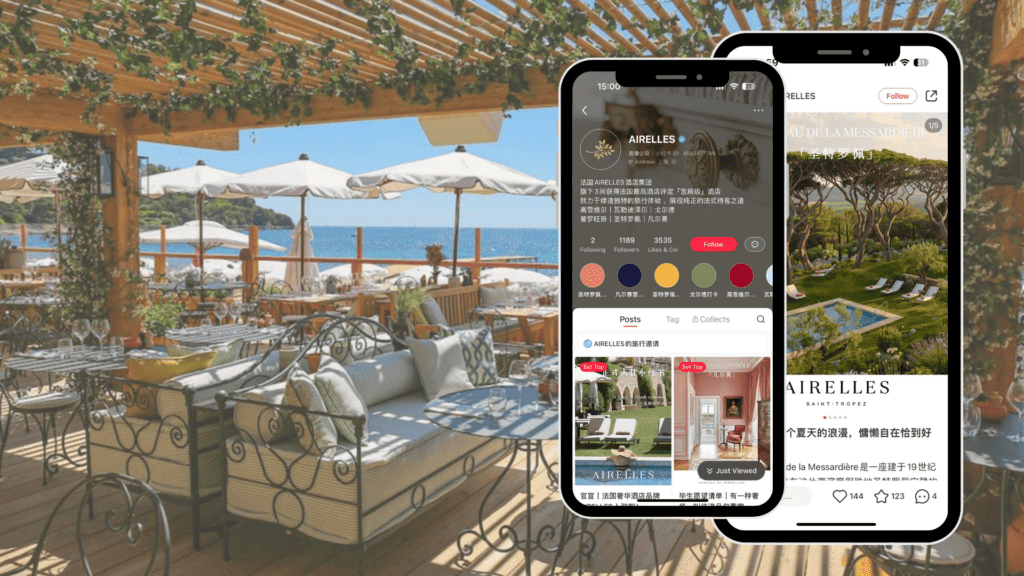
Multimedia
Using quality multimedia is a particularly effective tool in the travel industry. The tourist has to have a fantasy image of the country he will visit. Attractive pictures and videos of fantasy-like images are used by agencies to attract customers looking for a trip, but also to raise awareness about their vacation destination.
Social Networks
Internet influence on Chinese citizens has become vast and wide. The major part of Chinese Internet users spend time on is on social networks, like Weibo and WeChat. Weibo is a mix between twitter and facebook, it combines the responsiveness of twitter, looking for information with the social and playful side of Facebook. WeChat is like WhatsApp with a side of e-commerce marketing.
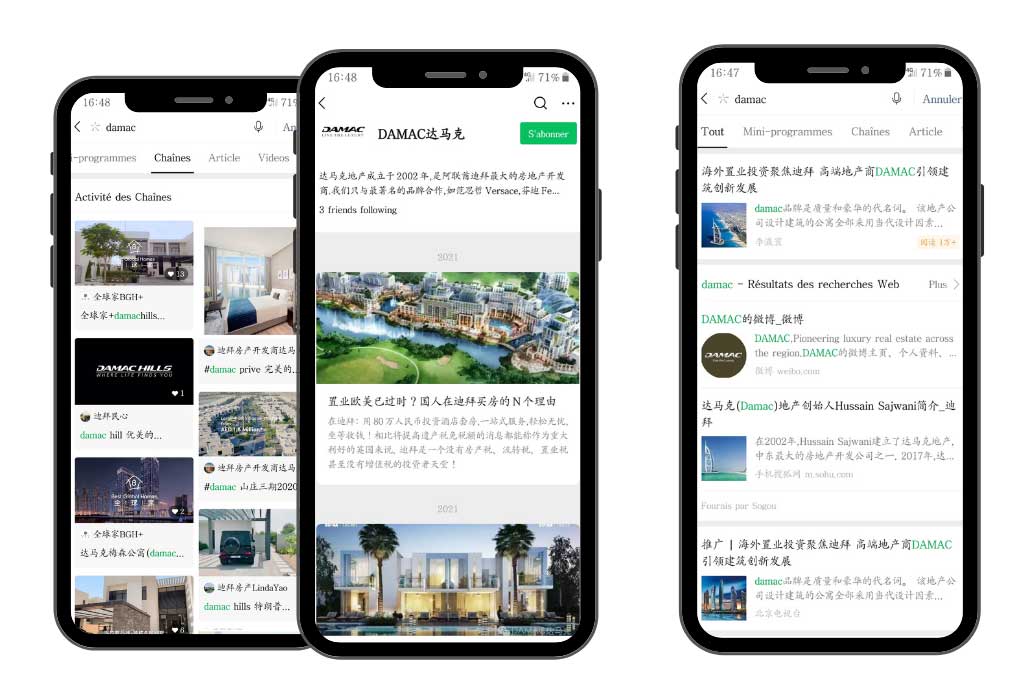
Press Relations
Doing PR in China is very important. It allows you to promote your service to a wide variety of Chinese citizens. This communication is primarily with rich visuals or feedback and testimonials from people who have visited the country.
Online Public relations in China particularly in the travel industry is increasing at a rapid rate.
A new article on a Chinese site can be viewed tens of thousands of times.
Product Placement
Film and television are a media form of communication to inform the Chinese public of your travel destination. A movie watched by millions of Chinese can make a lasting memory and do wonders. A hit TV series is the ultimate weapon that profoundly influences the mass public.
Today, film or other audiovisual, brands the real emotional and identifiable by the consumer.
For example, a Chateau Lafite for special occasions, a Mac for professionals, and icecream Haagen-Dazs to seduce a beautiful girl, your hotel in a honeymoon scene – It was during a scene that the consumer thinks the best use of the product or in a place.
This discipline is called product placement, a marketing technique to maturity in the U.S. today, and progress in China. The cinema is a reflection of life, real life or the life that you would like to have. The spectator believes what he sees.
Do You Want to Promote Your Hotel in China?
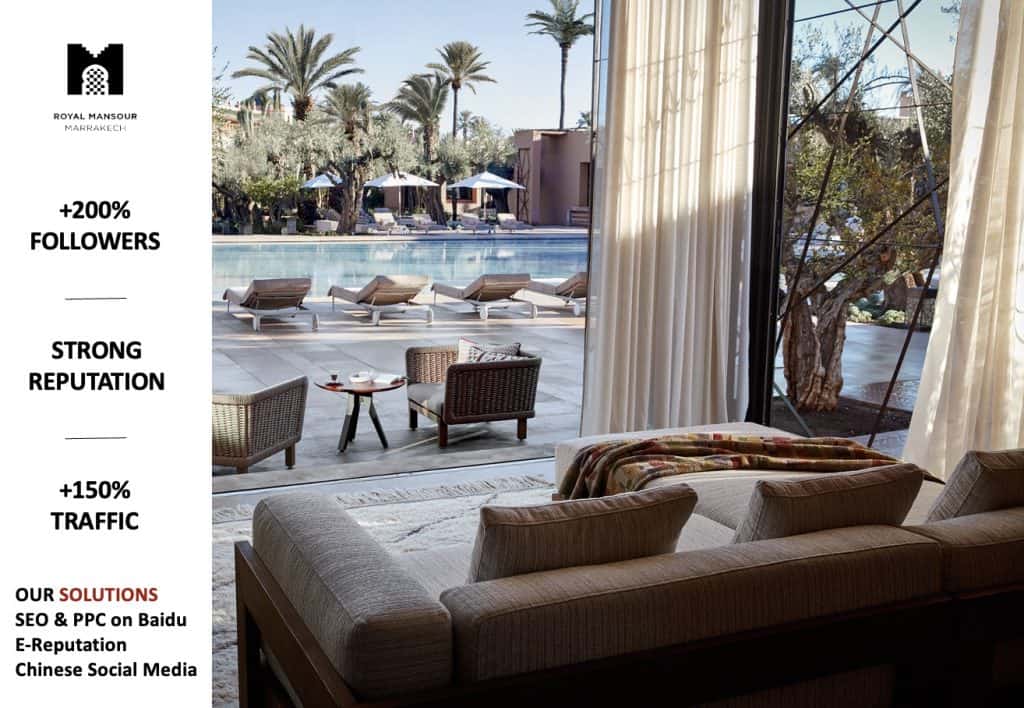
In the competitive arena of attracting Chinese tourists, Gentlemen Marketing Agency stands out with its specialized services and deep understanding of the Chinese market. Our expertise can be pivotal in effectively promoting your hotel to this lucrative segment.
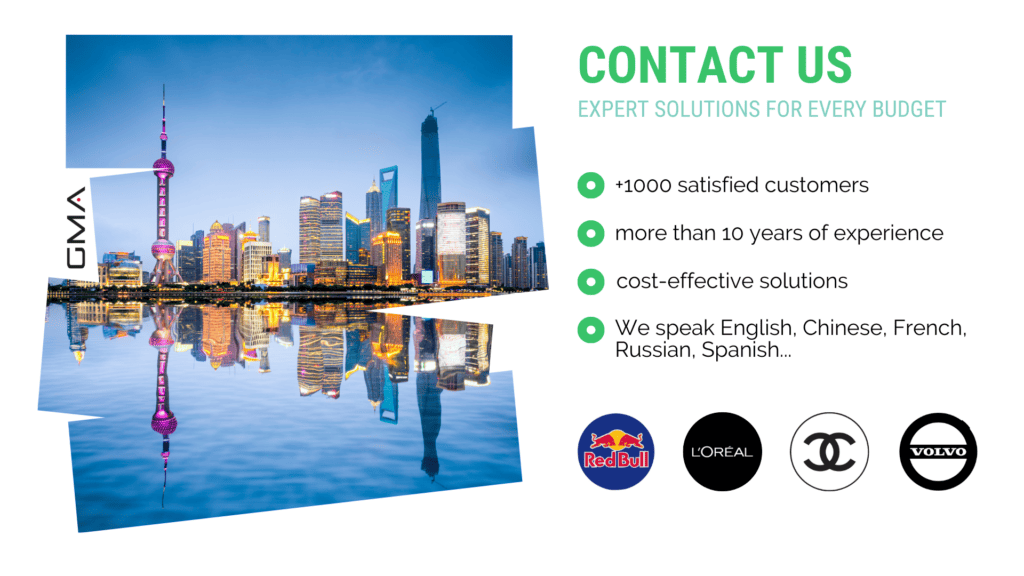
At Gentlemen Marketing Agency, we offer:
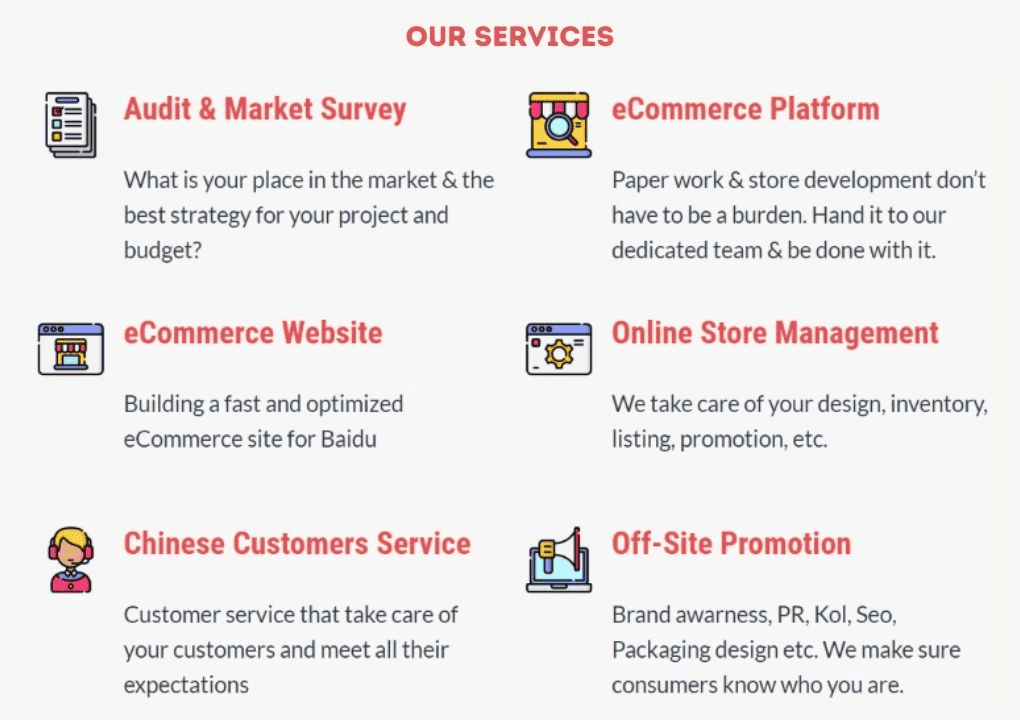
- Targeted Digital Marketing: Utilizing popular Chinese social media platforms like WeChat, Weibo, and Douyin, we craft bespoke marketing campaigns that resonate with Chinese tourists, showcasing your hotel’s unique offerings and experiences.
- Cultural Adaptation and Communication: Our team assists in tailoring your services to meet the specific needs and preferences of Chinese guests, including language support, cultural nuances, and holiday-specific promotions.
- Influencer and KOL Collaborations: We leverage our extensive network of Chinese influencers and Key Opinion Leaders to enhance your hotel’s visibility and credibility in the Chinese market.
- Online Reputation Management: We help manage your hotel’s presence on Chinese review platforms, ensuring positive engagement and handling feedback effectively.
- Strategic Partnerships: Our agency can facilitate valuable partnerships with Chinese travel agencies, tour operators, and other relevant entities, expanding your reach and strengthening your market position.
- Insightful Market Analysis: We provide ongoing market analysis and insights, enabling you to stay ahead of trends and adapt your strategies to the evolving preferences of Chinese tourists.
Partner with Gentlemen Marketing Agency and tap into the immense potential of the Chinese tourism market. Our tailored approach and in-depth expertise are the keys to making your hotel a preferred choice for Chinese travelers.
 Contact us now to get a free consultation and crafted Marketing Strategy to meet your ambitions.
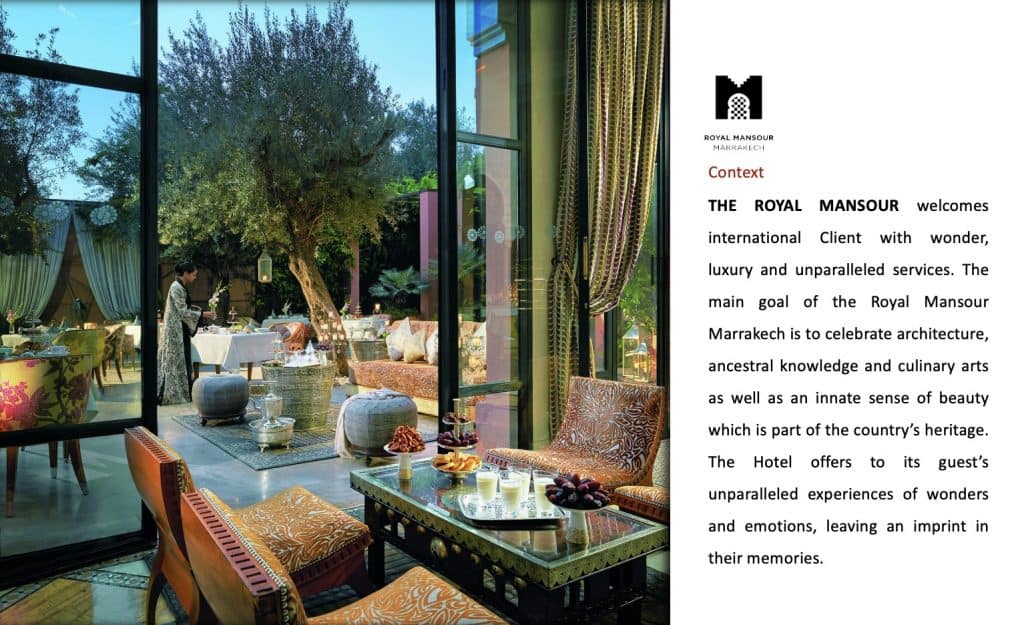





I am from Maldives! I do have Tourist Guest Hotel In Maldives. I am looking for Chinese independent travel agent for partnership bussiness.
According to the article, digital marketers can use it to promote the Hotel business. So, thank you for sharing this.