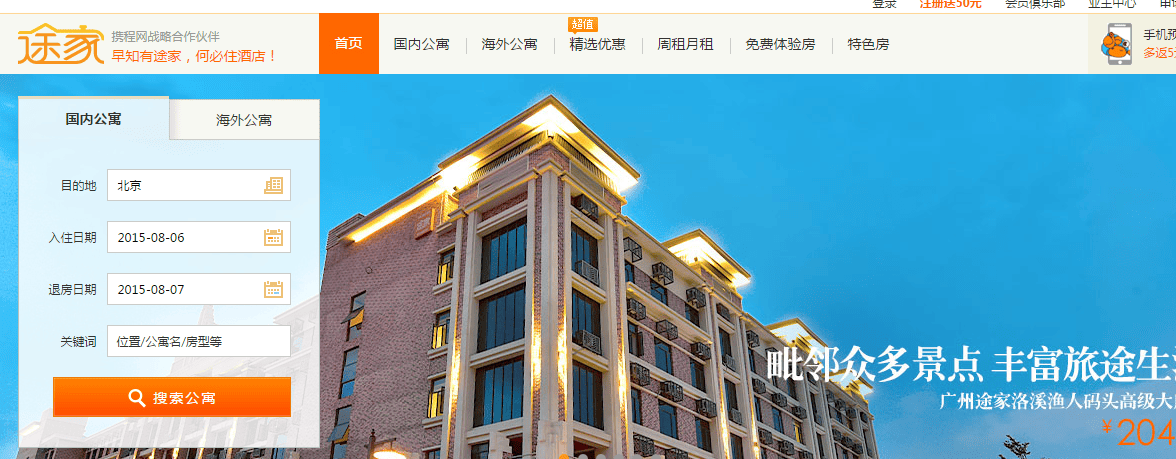
How worldwide OTA can generate leads in China?
How worldwide OTA can generate leads in China?
Optimism was understandably ignited when it was revealed on December 26, 2023 that Chinese citizens may now go overseas, as the local hospitality sector had suffered significantly from the epidemic. According to Ctrip, the biggest travel operator in China, reservations for international travel climbed by 313% from January 1 to January 10 compared to the same period last year. Singapore, Thailand, and Malaysia were among the most popular locations.
It is no longer a secret that the Chinese people are getting the most desired visitors in 2023. Therefore, they have higher expectations when it comes to tourism, especially when they select their Online Travel Agency. To get their attention and generate many leads, here are some precious footsteps to follow very precisely.
The attractive and precise content
Chinese tourists are among the most meticulous. Especially when they browse their search engines. Their choices are done very carefully. Thus, you must be able to respond to their expectations if you want to get a lot of leads coming from customers in the Middle Kingdom. To do so, you must have very precise content, with checked information, and no spelling mistakes. You must also take care of hosting a great user experience on your website. You can also choose to adapt your website to mobile size because they are always glued to their phones.
Guide to Localizing Content in China
Be seen on Chinese search engines
As soon as your content is close to perfection (you can always find something better!), you must concentrate on Chinese search engines. Indeed, especially for OTA, your website must be optimized for these search engines. If you can’t be seen, you will never get leads! The best way to do so is to focus on Baidu because it is the main search engine in China. You have two ways of being seen on search engines. You can be seen “naturally” or you can pay to be seen.
How to Use Baidu in English: Easy Translate Options
SEO stands for Search Engine Optimization. It is a technical but natural solution. When doing SEO, you must select some specific keywords, some quality backlinks to put on your website, and some good and updated content as we explained just above.
Pay Per Click is the paying solution to be seen on Search Engines. Natural results will appear usually at the bottom of the first page when websites choosing PPC will appear at the top of search engine results. It is much more efficient in terms of visibility.
A Guide to Baidu PPC Advertising in China
SEO and PPC experts can help you to manage your visibility on Chinese search engines.
OTA: Videos are a must!
In the tourism area, the new trend is to publish videos arranged directly onto landing pages. Many websites specialising in online tourism have done it already. Moreover, it is a great manner of having the full attention of your potential Chinese clients. If they like your videos, they will be much more in favour of choosing you. Thus, your videos must be very qualitative. So you should pay a lot of attention when you will create them. Especially in the OTA area, you can easily come up with some amazing landscapes and great views. So go for it, but remember, be both educational and fascinating, and leads will follow! By the way, video experts can help you to do so if you are not at ease with it.
Attracting Chinese tourists in 2023 is all about Digital
Take the lead with your Chinese tourist through WeChat
The Chinese go mad about social networks. WeChat is their favourite social network, in 2023 it has 1 billion active users! You may use this application both privately and professionally. Use it to build your clients’ trust! Promote your official WeChat account and get lots of followers. In the OTA field, this is an easy task, you can do some interesting information about the countries you offer, or the different ways of going there etc. Then, you can choose to publish newsletters regularly. In this way, you can keep the attention of your clients towards your brand and the time will come when they will transform into leads.
Push your leads to contact you!
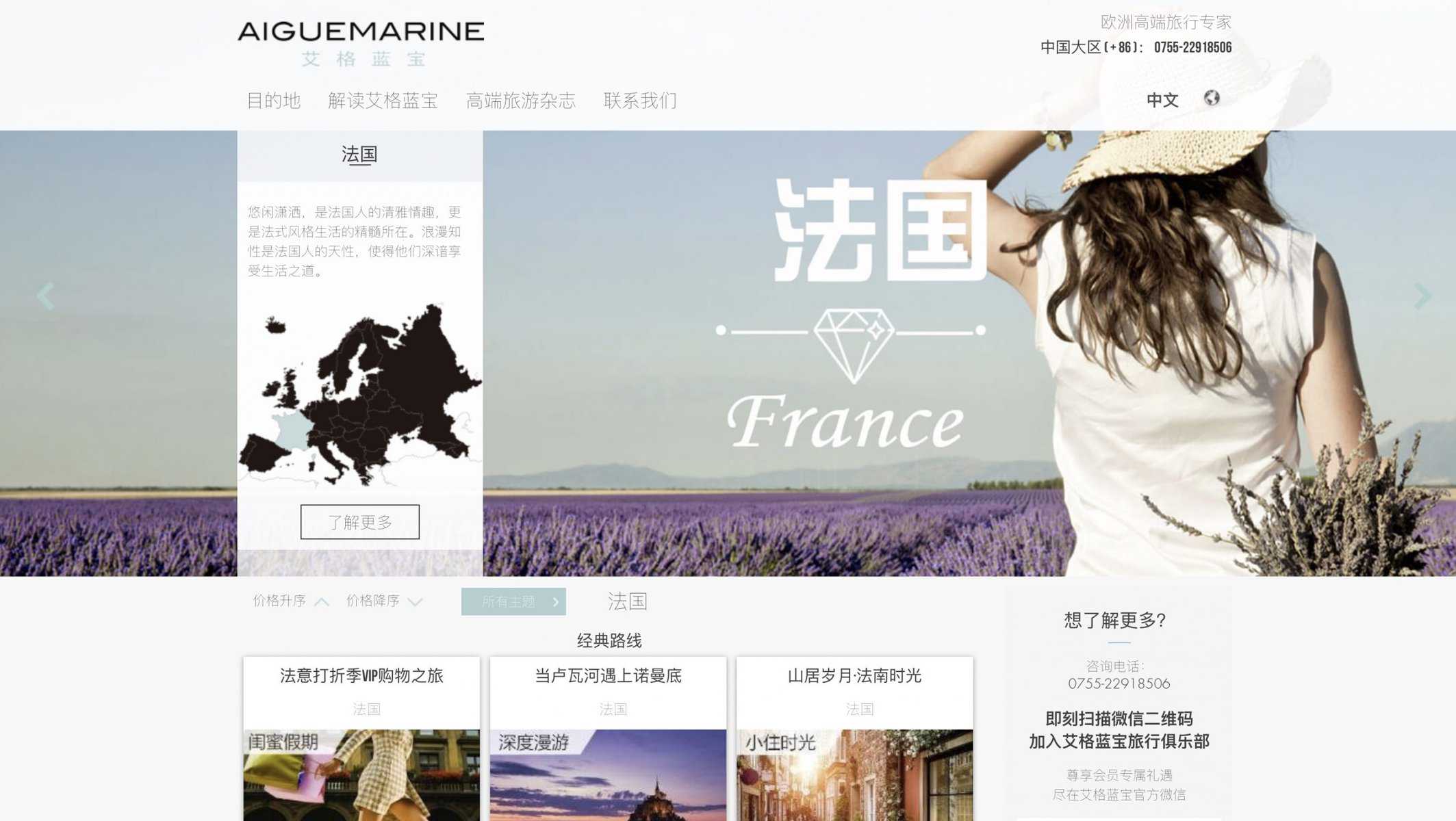
In terms of lead generation in the tourism area, your leads need to be able to connect with you. Otherwise, you will never transform these leads. As you can see in the example above, you should put a “contact us” icon on your website.
Therefore, you must be sure to feature a contact icon on your website, so that your leads can contact you easily. You can feature different icons for different means of contact you have. Thus, the contact will be easier and your leads will be able to have an option because they like to have the choice. You must cherish them! Although any serious businessman better likes emails of course..!
Want to generate Chinese tourists leads?
We are Experts in Chinese E-Tourism!
 Contact us now to get a Free Consultation or a Well-crafted Campaign.