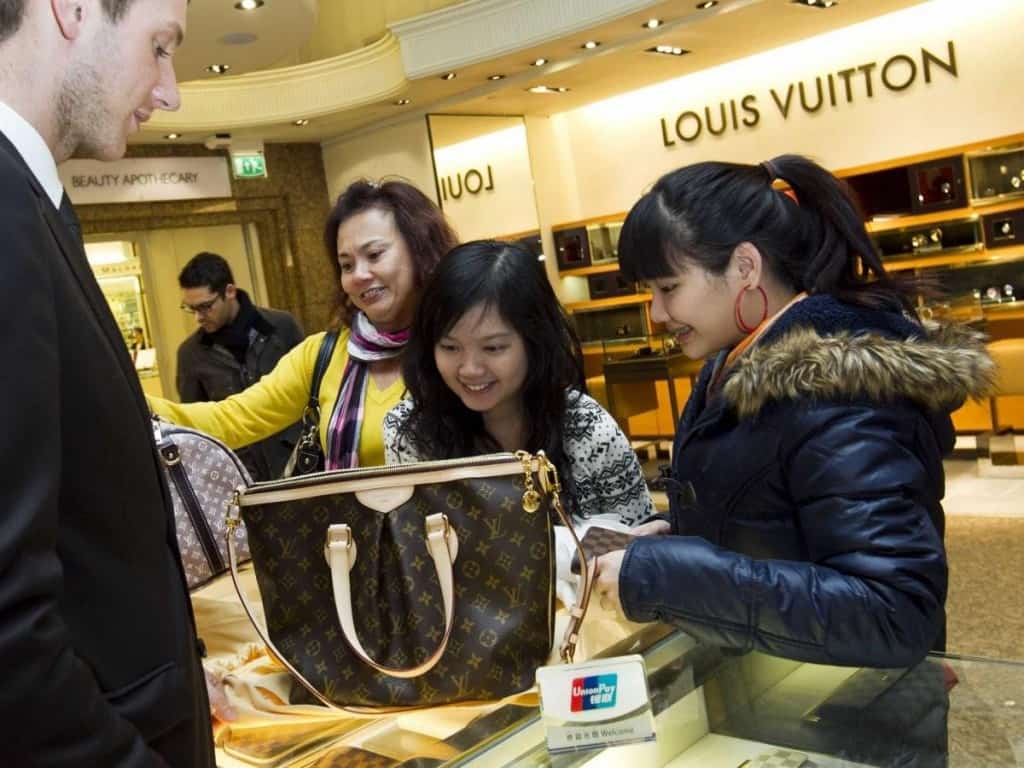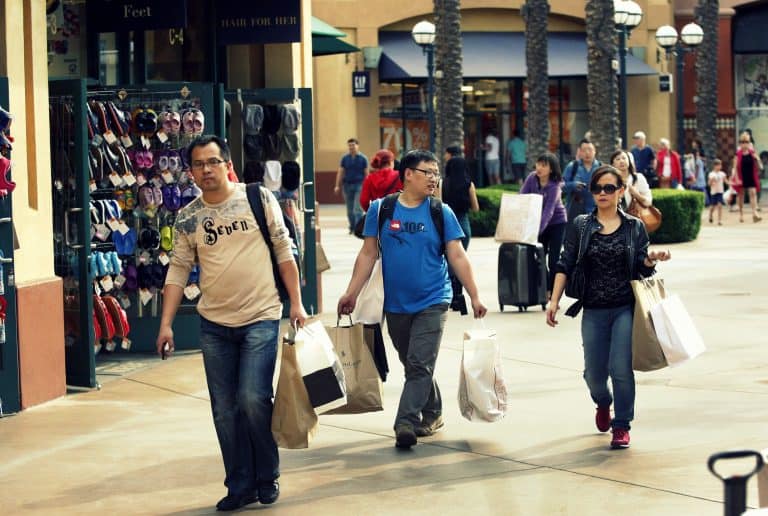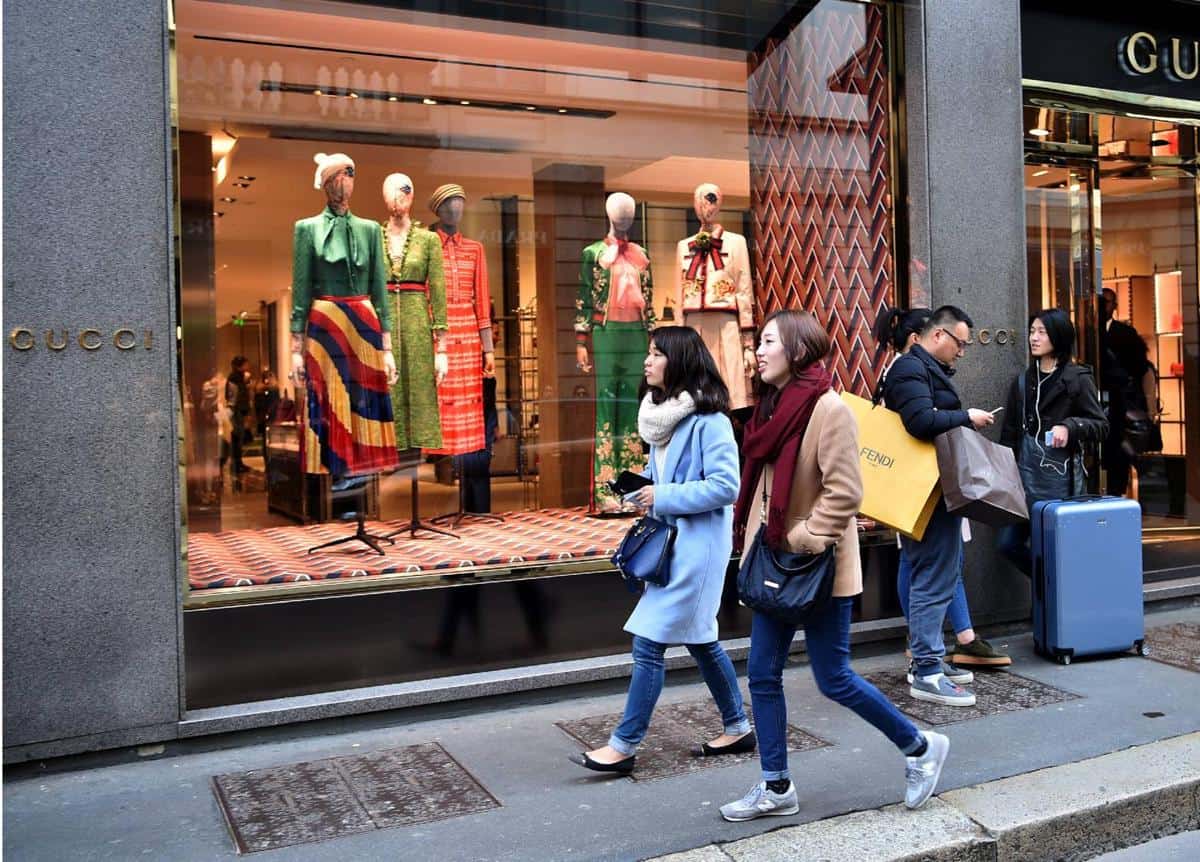
Chinese consumers still represent about 25% of global luxury sales
Chinese Tourists Still Drive a Huge Share of the World’s Luxury Spending in 2026: The Real Story for Tourism SMEs

For years the headline was simple: Chinese tourists bought nearly half of the world’s luxury goods. That was true at the peak around 2019. In 2026 the picture has evolved, but the opportunity for tourism businesses is actually bigger and smarter than before.
Chinese consumers (including outbound travelers) still represent about 25% of global luxury sales, and outbound Chinese tourists continue to spend heavily on fashion, watches, jewelry, beauty, and local luxury experiences abroad. In 10 years, Chinese overseas consumption has grown by almost 28%, driven in part by the significant price gap: luxury goods in mainland China are 40-60% more expensive than in Europe, Japan, or the Middle East.
The big shift? They now buy more selectively, combine shopping with meaningful trips, and look for “quiet luxury” plus memorable stories they can share on Xiaohongshu. This is good news for small and medium tourism businesses. You don’t need to compete with giant malls. You can offer the personal, authentic luxury experiences that high-spending Chinese travelers want right now.
Why Chinese Tourists Remain Major Luxury Spenders in 2026
- They still spend generously on high-quality items during trips, especially in Europe, Japan, Thailand, and the Middle East.
- Shopping is now part of a bigger experience: wellness, culture, food, and recovery.
- Affluent families and young professionals (25-45) dominate. They travel with higher budgets and want exclusivity.
- The price gap between China and overseas markets still motivates purchase abroad, especially for watches, jewelry, and high-end cosmetics.
3 Field Stories from Luxury Tourism Campaigns
Story 1: The Paris private shopping tour that became a bestseller. In late 2024, we helped a boutique concierge company in Paris create a “Private Luxury Shopping Day” package targeting wealthy Chinese travelers. The package included a Mandarin-speaking personal shopper, tax refund assistance, a light lunch at a brasserie, and delivery to the hotel. Price: 350 euros per couple. We promoted it on Xiaohongshu with a 90-second video showing the full experience. Within 2 months, it became the most-booked package on their WeChat Mini Program. Average repeat booking rate: 40%. Chinese guests told their friends directly.
Story 2: The Swiss watch boutique that onboarded Chinese clients correctly. A family-run watch retailer in Geneva was losing Chinese walk-in clients because they had no WeChat Pay and no Mandarin-speaking staff. We helped them add WeChat Pay (easy to set up from Switzerland), created a WeChat Official Account, and coached one staff member on basic Mandarin greetings and product terms. Chinese sales went up 65% in 4 months. The fix cost them under 2,000 CHF total. What they lost before the fix was much more.
Story 3: The Tuscany villa that found its “quiet luxury” angle on Xiaohongshu. A luxury villa rental client struggled with generic Instagram content that looked like every other Tuscany property. We shifted their Xiaohongshu strategy to “quiet luxury” content: slow mornings, private vineyard walks, artisan visits, home-cooked dinners. No staged glamour shots. The new content style drove a 90% increase in Chinese booking inquiries in one season. Chinese high-net-worth travelers in 2026 are tired of loud luxury. They want the discreet kind.
What We Got Wrong
In 2022 and 2023, we pushed several clients to target all Chinese luxury travelers with the same message: “premium, exclusive, expensive.” That was too broad. The market had already split. Young professionals (25-35) respond to “experience and story.” Affluent families respond to “privacy and safety.” Active seniors respond to “comfort and health.” We missed these segments by treating Chinese luxury travelers as one group. Our new approach: before we write a single content brief, we define which luxury persona the client is targeting and we build a separate content stack for each.
What Our Process Looks Like Now
Every luxury tourism client project starts with a “Chinese luxury persona brief.” We identify which segment: young professionals seeking experiences to share, affluent families wanting private and safe environments, or high-net-worth seniors focused on health and comfort. Then we build the WeChat and Xiaohongshu content calendar around that persona’s specific motivations. One client, one persona, one clear message. It works better than trying to speak to everyone.
Practical Solutions for SMEs and Tourism Players
- Create “Luxury Experience and Shopping” packages: private shopping tours, tax-refund help, or curated local artisan visits.
- Go mobile-first: WeChat Mini Program for easy booking plus WeChat Pay so they can pay instantly.
- Show real stories on Xiaohongshu and Douyin. “A quiet luxury day at our boutique hotel” or “Exclusive local finds nearby” outperforms generic brand content.
- Add simple Chinese-friendly touches: hot kettles, Chinese breakfast options, basic Mandarin greetings, and fast WeChat replies.
- Offer exclusive perks like private fittings or personal recommendations. Things big chains can’t match.
Many small luxury hotels and boutique tour operators we help now see 25-40% higher revenue from Chinese guests by focusing on this smarter luxury approach.
2025-2026 Data Points
- Chinese consumers represent approximately 25% of global luxury sales in 2026, down from nearly 50% at peak but still the world’s largest single group (Bain and Company 2026)
- Outbound Chinese tourists make up about 35% of total Chinese luxury spend, with overseas shopping still significantly cheaper than in China
- Luxury goods in China are 40-60% more expensive than in key overseas markets (price gap stable 2025-2026)
- “Quiet luxury” content on Xiaohongshu grew 180% in engagement from 2024 to 2025 among travelers aged 28-40 (RedNote internal data)
Summary Table
| Chinese luxury traveler type | What they want | Best platform to reach them | Key offer |
|---|---|---|---|
| Young professional (25-35) | Story, experience, Instagram content | Xiaohongshu, Douyin | Private experiences, unique finds |
| Affluent family | Privacy, safety, comfort | WeChat, Xiaohongshu | Private villa, personalized service |
| High-net-worth senior (55+) | Health, comfort, calm | Wellness packages, quiet luxury stays |
FAQ
1. Do Chinese tourists still buy half of the world’s luxury goods? Not exactly half anymore. Chinese consumers account for around 25% of global luxury sales, with outbound tourists making up a meaningful but smaller share (about 35% of total Chinese luxury spend). They still spend big on quality and experiences during travel.
2. How can a small tourism SME benefit without being a luxury brand? Focus on the experience around luxury. Offer personal service, beautiful settings, and easy shopping support. Many SMEs achieve strong results with 6,000-15,000 USD invested in WeChat and RedNote content.
3. Which platforms matter most for luxury Chinese travelers? Xiaohongshu (RedNote) for inspiration and trust, WeChat for booking and payment, Douyin for discovery. Mobile is everything. Start there.
Internal Links
External Sources
Chinese tourists may not buy exactly half the world’s luxury goods anymore, but they remain one of the most valuable groups in global tourism. For SMEs this is your chance to win with authentic, personal luxury experiences that big players cannot copy.
Contact us for a free strategy review. We have been helping tourism businesses attract Chinese luxury travelers since 2013.
About Alex: Project manager at Chinese Tourist Agency. Specializes in positioning tourism businesses for the Chinese luxury market. Has sold private shopping tours in Paris, vineyard visits in Tuscany, and bespoke safaris in Kenya to Chinese high-net-worth travelers. Strongly believes that “quiet luxury” is not just a trend, it is the new standard.
One Comment