How to Attract Chinese Wallets to Your Country in 2026
Chinese tourists are the highest-spending international travel segment in the world, and in 2026, they are back in full force. Countries and national tourism boards that built the right infrastructure in 2023 and 2024 are now seeing the results. Those that waited are trying to catch up. If your country or destination is thinking about how to attract more Chinese visitor spending, this article covers what actually works, based on the most successful examples from Thailand, Japan, and the UAE.
The good news is that attracting Chinese wallets is not magic. It is a combination of practical infrastructure, smart digital marketing, and understanding what Chinese travelers actually want when they travel abroad.
Tax-Free Shopping: A Proven Pull Factor
Tax-free shopping is one of the most consistent drivers of Chinese tourist spending internationally. Chinese travelers are among the most active users of VAT refund schemes globally, particularly for luxury goods, cosmetics, and high-end fashion. Countries with clear, easy-to-use tax refund processes see measurably higher average Chinese spend per trip.
Japan has led on this front, with tax-free shopping available at a huge number of retailers and a digital refund process that Chinese travelers can navigate on their phones. The UAE has expanded its tax-free infrastructure significantly since 2022, and in 2025, UAE tax-free purchases by Chinese tourists grew 38% year-on-year. France and Italy remain strong for luxury shopping, but their refund processes are slower and more complex, which Chinese travelers often cite as a frustration.
For tourism boards and governments, investing in a faster, mobile-friendly tax refund experience is a direct investment in higher Chinese spending per visit. The technology exists and the ROI is clear.
Luxury Retail, Food Experiences, and What Chinese Travelers Actually Buy
In 2026 Chinese outbound tourism spending is spread across four main categories: accommodation (28%), shopping (32%), food (22%), and experiences (18%). Shopping remains the largest single category, with luxury goods, local food products, and beauty items as the top purchases.
Food experience is a rapidly growing segment. Chinese travelers increasingly seek out local food markets, cooking classes, michelin-starred restaurants, and street food tours. They document everything on Xiaohongshu and Douyin. A destination that can offer genuinely memorable food experiences, presented well in Chinese, benefits from organic content generation that no advertising budget can replicate.
Nature and cultural depth are also strong motivators. Chinas travel market research consistently shows that experiences perceived as unique, authentic, and difficult to replicate at home command a significant premium. The hot spring in the mountains, the private winery tour, the traditional craftsman’s workshop, these are the kind of experiences that appear in Chinese travel posts thousands of times and drive destination choice for future travelers.
Government Incentives for Chinese-Friendly Businesses
Several countries have taken an active role in helping businesses serve Chinese tourists better, because they understand the economic return. Japan’s tourism board has provided grants to help small businesses install WeChat Pay and Alipay terminals. Thailand has run certification programs for “Chinese-friendly” hotels, restaurants, and shops, which businesses display as a trust signal to incoming Chinese travelers. The UAE has created a dedicated Chinese tourist welcome program that includes Mandarin-speaking visitor information staff at major airports and malls.
These programs work because they remove the friction points that stop Chinese tourists from spending. A restaurant that displays a Chinese menu and WeChat Pay does more business from Chinese tourists than one that does not, it is a straightforward relationship. When governments provide incentives or support for businesses to make these changes, the economic benefit multiplies across the destination.
Digital Marketing at the Destination Level
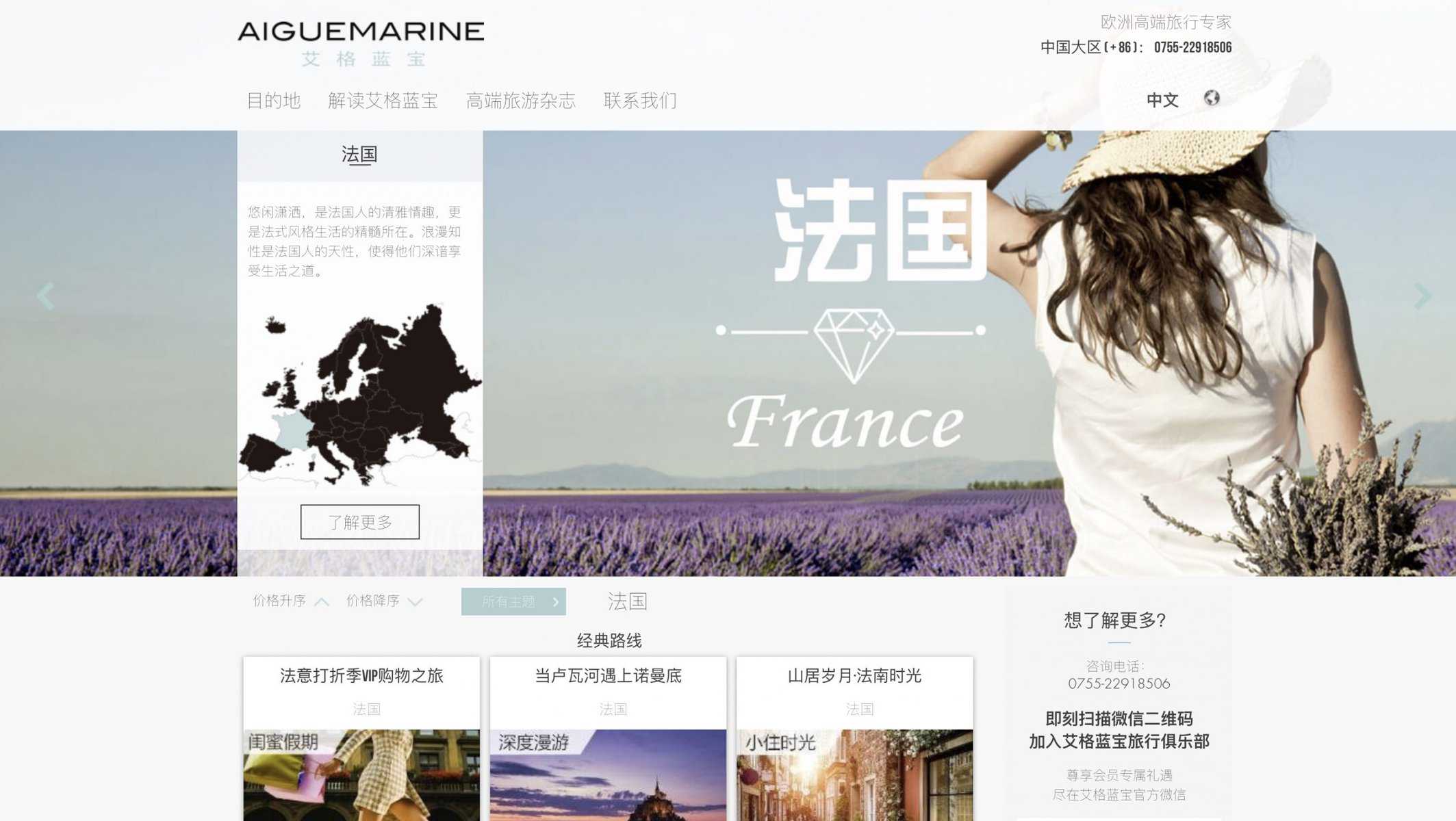
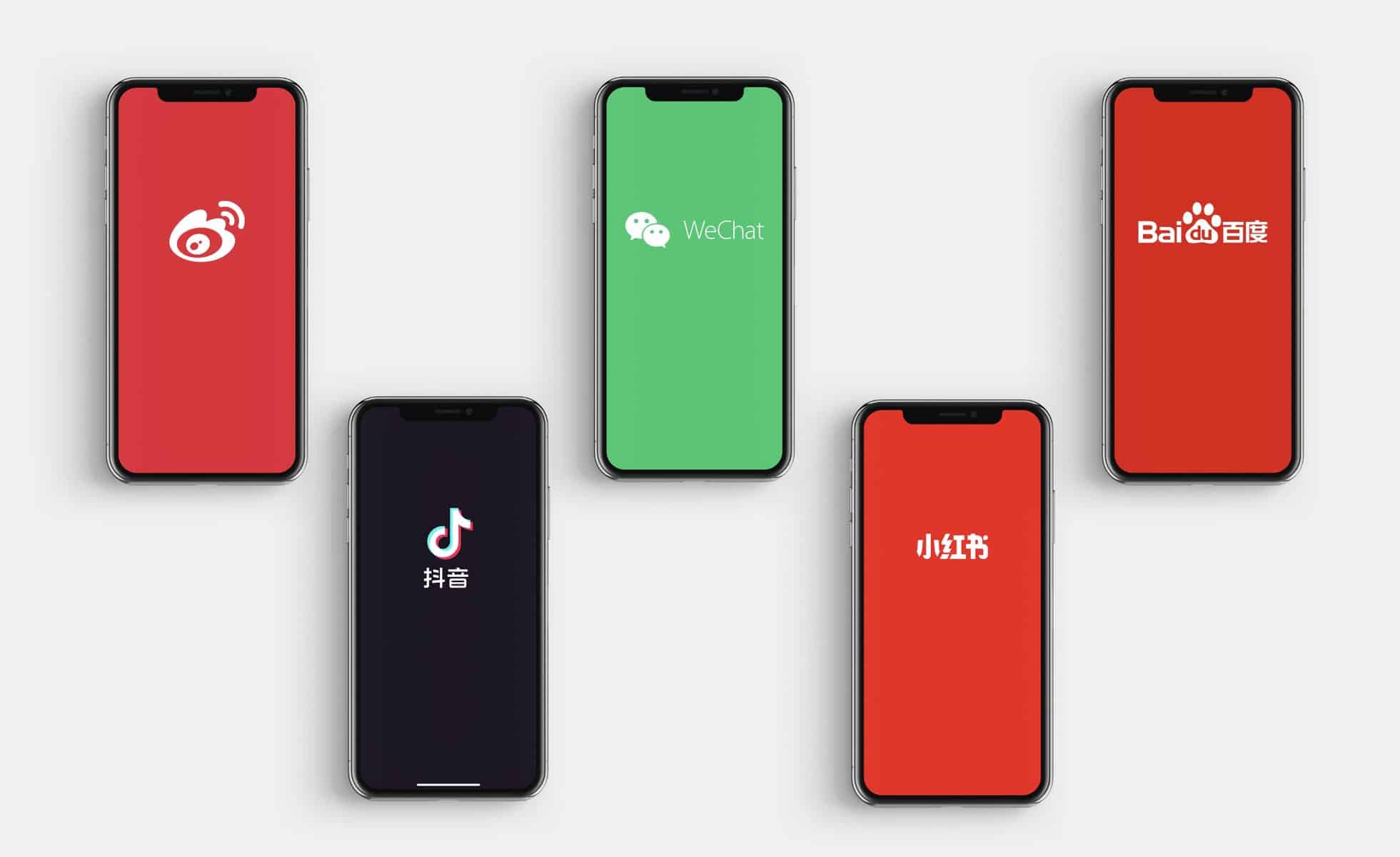
National tourism boards that have built serious Chinese digital marketing programs are seeing results that boards without them cannot match. This means a WeChat official account for the destination, a Douyin presence with regular content in Chinese, a Ctrip destination page with curated hotel and experience packages, and partnerships with Chinese travel KOLs who produce content about the country.
WeChat, and Douyin are the two main platforms where Chinese travel inspiration happens, and national tourism boards that understand this have shifted budget from traditional international advertising toward Chinese digital content. Singapore’s tourism board has been consistently cited as one of the best examples of this approach, with a deeply integrated Chinese digital presence that drives significant year-round Chinese visitor numbers. Thailand’s Tourism Authority has invested heavily in Douyin content since 2023, with campaigns that consistently generate millions of views.
The key insight is that destination-level Chinese marketing needs the same discipline as brand-level marketing. Consistent content, clear platform strategy, and regular investment, not a one-off campaign every two years.
Key Trends for Destinations Attracting Chinese Visitors in 2026
- Average Chinese tourist spend per international trip reached $1,800 in 2025, the highest of any nationality
- Destinations with Alipay and WeChat Pay widely available see 25% higher Chinese visitor satisfaction scores
- Thailand received 6.7 million Chinese visitors in 2025, generating over $8 billion in tourism revenue
- Japan’s tax-free shopping program was used by 4.2 million Chinese tourists in 2025, averaging $890 per visitor in tax-free purchases
- UAE Chinese tourism grew 45% in 2025 following expanded direct flight routes and a dedicated Chinese welcome program
- Destinations with national tourism board WeChat accounts see 35% more Chinese travel content generated organically
- Nature tourism and cultural depth are growing priorities for Chinese travelers in 2026, especially among the 35-55 age group
Philip Chen’s Take
“The destinations winning the Chinese tourist market in 2026 are not the ones that got lucky. They are the ones that built proper infrastructure, both physical and digital, over the past three to five years. WeChat Pay in shops, Mandarin in airports, Douyin campaigns from the tourism board, KOL visits that generate content. These are not expensive. They require commitment and coordination. Countries that make it easy for Chinese tourists to spend tend to find that Chinese tourists spend a lot.”
Philip Chen, GMA Senior Consultant.
Northern Lights, Fjords, and Three Years That Tripled Chinese Visitors
Ingrid Solberg was at her desk in Oslo on a gray February morning in 2022, reviewing the tourism board’s visitor statistics for the previous year. Chinese visitors to the Nordic region had numbered just under 40,000, down sharply from the 2019 peak and still recovering from the COVID years. She managed international marketing for a regional tourism board covering Norway’s western fjords and Arctic north, two areas that Chinese travelers who had been there consistently described as among the most spectacular they had ever visited.
The problem was not the product. The problem was visibility. Ingrid’s board had strong campaigns running in Germany, France, and the Netherlands. Its social media was active in English. But it had almost nothing in Chinese. A WeChat account existed in name only and had not been updated in eight months. There was no Douyin presence. The Ctrip destination page was auto-translated and incomplete.
Ingrid made the case to her board of directors that a serious Chinese digital investment would generate a return within three years. They approved a three-year budget, smaller than the German campaign but meaningful. She hired a Chinese digital marketing agency and set four goals: build a real WeChat presence, launch Douyin, optimize Ctrip, and run at least two KOL campaigns per year.
The WeChat account launched in May 2022 with a content calendar focused on three themes: the Northern Lights, fjord landscapes, and the unique Norwegian lifestyle. Posts went out twice per week in Mandarin. By December 2022, the account had 8,000 followers. A post about the best week to see the Northern Lights from Tromsø, with a simple booking tip for Chinese travelers, was shared over 3,000 times in WeChat groups.
In 2023, Ingrid partnered with two Chinese travel KOLs for winter visits to see the Northern Lights. Both had between 50,000 and 200,000 Douyin followers. Their combined content generated over 4 million views and 85,000 Douyin saves with the board’s destination hashtag. One video of a couple watching the Aurora from a glass-roofed cabin in Tromsø became a viral travel moment in Chinese social media that month, shared by users who had never heard of the destination before. The Ctrip destination page was rebuilt from scratch with Chinese hotel recommendations, a curated seven-day fjords itinerary, and a Northern Lights viewing guide, all written in Chinese by a travel writer familiar with what Chinese tourists wanted to know.
By the end of 2023, Chinese visitors had grown to 62,000. By 2024, 95,000. In 2025, the three-year mark, Chinese visitors to the region reached 124,000, roughly triple the 2022 baseline. Average spend per Chinese visitor was $3,200, the highest of any nationality the board tracked.
Ingrid presented the results to her board with one headline: “We made Norway visible to China. China came.” The Douyin campaign had been the single highest-ROI investment in the board’s ten-year history, measured in cost per visitor generated.
The Northern Lights had always been there. The fjords had not moved. What changed was that 124,000 Chinese travelers could now find them, trust them, and book them.
How GMA Can Help
GMA works with national tourism boards, regional destination marketing organizations, and government agencies that want to grow Chinese visitor numbers and spending. Our services include:
- WeChat official account setup, content strategy and ongoing management for destination marketing
- Douyin campaign production, including KOL recruitment and content strategy for travel destinations
- Ctrip destination page development with curated hotel and experience packages in Chinese
- Mafengwo destination presence development and ongoing review monitoring
- Chinese-friendly destination certification consulting for local businesses
- Full-service destination marketing in China through GMA’s China advertising services
Whether you are a national tourism board or a regional destination, we can build a Chinese marketing strategy that delivers real visitor growth. Start with our guide to attracting Chinese tourists for an overview of what works in practice.
About GMA
Since 2012, GMA has helped 500+ brands connect with Chinese consumers across tourism, luxury, education, and real estate. Our team combines deep knowledge of Chinese digital platforms with real campaign experience across more than 30 countries. We have placed content on Douyin, Xiaohongshu, WeChat, Ctrip, and Mafengwo for clients ranging from boutique hotels to national tourism boards. Our work is practical, data-informed, and designed to generate real bookings, not just impressions. We know what the Chinese traveler of 2026 expects, and we help you deliver it.
About the author: Claire is a Digital Tourism Specialist at GMA. She has spent 6 years helping hotels, destinations and brands attract Chinese travelers. She writes about what works in the Chinese market in 2026. Read more at our services page.
Chinese Sources
- www.mct.gov.cn (文化旅游部)
- www.ctrip.com (携程 Ctrip)
Hi, we can offer our new Destination to Algeria, North Africa to dicover a huge and plenty of curiosity, such as more than 1200 Km sea , Mounts ,Sahara desert, and Archeologique sites as well.
Ask for more info, Accomodation and tours .