Brand collaborations are successful in China
The love affair between Dior and Air Jordan in China
What’s the best way to call something a modern collector’s item in a short amount of time? The Supreme x Louis Vuitton capsule has been proving its staying power since its release in 2017. It is now selling for triple its retail price. But the Dior x Air Jordan story is still going strong.
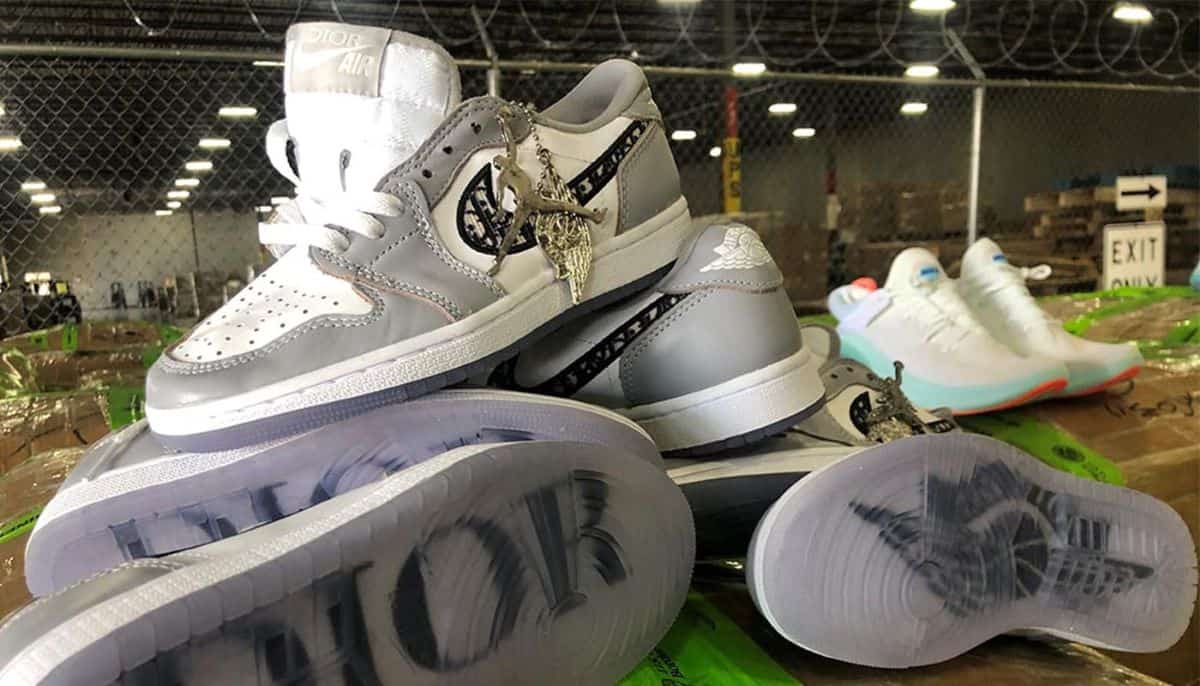
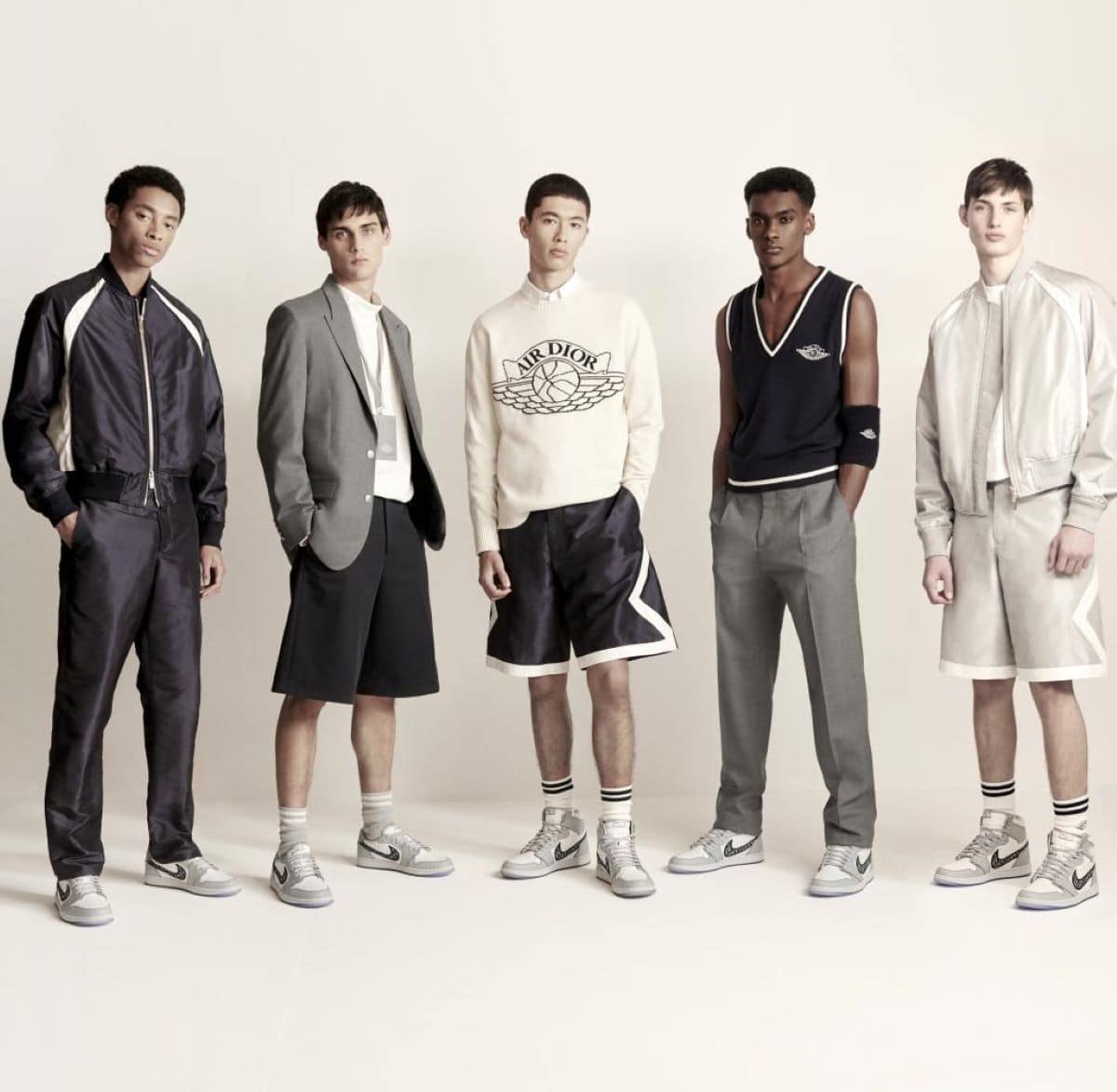
The collaboration between Jordan Brand and Dior was unveiled in 2020. It is undoubtedly one of the most anticipated sneaker collaborations of recent times. Air Dior combines streetwear culture with high fashion. It was unveiled in Miami during the Dior Pre Fall 2020 collection. The sneaker was then teased by rapper Travis Scott, several leak accounts. The expectation was high with only 13,000 pairs of shoes available, and 5,000 reserved for VIP customers.
As a result, 5 million people signed up for a chance to snag the coveted shoes on a first-come, first-served basis. A separate experience was offered online in China via WeChat. While many people expected to walk away empty-handed, resale values soared. In 2020, the Dior x Air Jordan 1 High was the most expensive shoe on the secondary market, selling for up to $13,000 according to StockX. Even though prices have dropped to $7,000 on average, that’s still three times the original $2,200 value for the high-end version.
Rumors of Dior and Jordan teaming up on three new colorways mark the beginning of the next chapter of hype. What makes this suit so popular and iconic in China and around the world?
Two titans on the same team
Two kings on the field is hard to lose. Dior is not only one of the most well-known high-end brands, but also a leader in localization. The 75-year-old French house has been testing different digital strategies in China since 2015. In the process, many firsts have been achieved for the luxury brand. These include the first promotion on WeChat Moments, the first livestreaming on WeChat, and the opening of official accounts on Douyin (and Bilibili) in 2015. Not surprisingly, Dior was one of the most valued luxury brands in 2020. Later, it was named the second most preferred luxury brand by Chinese consumers for 2021.
Jordan Brand is credited with being the catalyst for modern sneaker culture. This influence extends to China, where Jordan has invested heavily since 1997. It has helped popularize basketball and partnered with local athletes. In fact, the Jordan brand was the one that shone when Nike’s sales dropped in fiscal 2020 due to the pandemic. Revenues increased by more than 50 percent in China to nearly $1 billion.
The collaboration has been a complete success. Humphrey Ho (managing partner, HylinkDigital Solutions USA) explained that the collaboration between Dior and Adidas was an attempt to be relevant in today’s fashion-obsessed streetwear world, as well as to appeal to a younger audience. It only increased the exclusivity of the already in-demand shoes for Air Jordan.
Unparalleled craftsmanship
While big brands can create buzz, the product must live up to the hype. The sneakers combine the best of both brands and are inspired by the silhouette of the 1985 Jordan 1. This shoe is so well known that it was sold at Sotheby’s in 2020 for $560,000. The Dior monogram in the Swoosh is a reinterpretation of the Jumpman Wings logo with the words “AIR DOR,” and the translucent outsole gives it a modern, yet timeless look.
High barriers to purchase
These shoes were very hard to find. For one thing, there were only a few thousand pairs available, each individually numbered. Because of the limited supply, a raffle system was set up so that interested parties could specify their preferred size, style and pickup location. The price to win the lottery was $2,200 for high shoes and $2,000 for low shoes.
Maintaining an illusion of exclusivity or uniqueness from one’s peers – the “keeping up with the Joneses” syndrome – is key to appealing to foreign brands in China.
Adam Knight, co-founder of cross-cultural agency TONG, says scarcity tactics only increase consumer excitement. They also tap into Generation Z’s desire to be different. Creating the illusion of exclusivity or uniqueness compared to your peers – the “keep up the Jones” syndrome – is key to appealing to Chinese brands. It’s no longer enough to own a Chanel bag or an LV bag.
Scoring points with basketball fans in China
Nike understood early on that the success of the shoes depended on the growth of basketball. Terry Rhoads was a former sports marketing manager for Nike China. He donated equipment to schools in Shanghai and helped organize the first high school basketball league in China in the 1990s. The NBA also made an agreement with CCTV to broadcast its games. This helped establish American basketball in Chinese culture. There are now over 625,000,000 basketball fans in China. The NBA business in China is worth $5 billion.
The sneaker culture has also boomed with basketball. Some Air Jordans, which are the most popular brands among athletes, have been resold at up to 6,600% of their original price in China. China’s athletic shoe market is expected to reach $10 billion by 2025 thanks to local trading platforms such as Poizon.
According to Ho, basketball has always had a strong resonance with the Chinese population. Air Jordans have become a fashionable status symbol for Chinese basketball fans, displaying all the power, style and charisma of the stars.
Celebrity power
The collaboration was supported by some big names. High-profile stars such as Daniel Arsham and Ashanti were among the first to get their hands on the shoes and talk about them before the official launch. In China, Air Dior also got help from Wang Junkai, a Chinese brand ambassador, who was seen wearing the entire capsule from head to toe in a video that has been viewed more than 16 million times. The items have also been worn by Jackey Love (esports player), Wang Sicong (business tycoon) and Jay Chou (fashion icons), increasing their desirability.
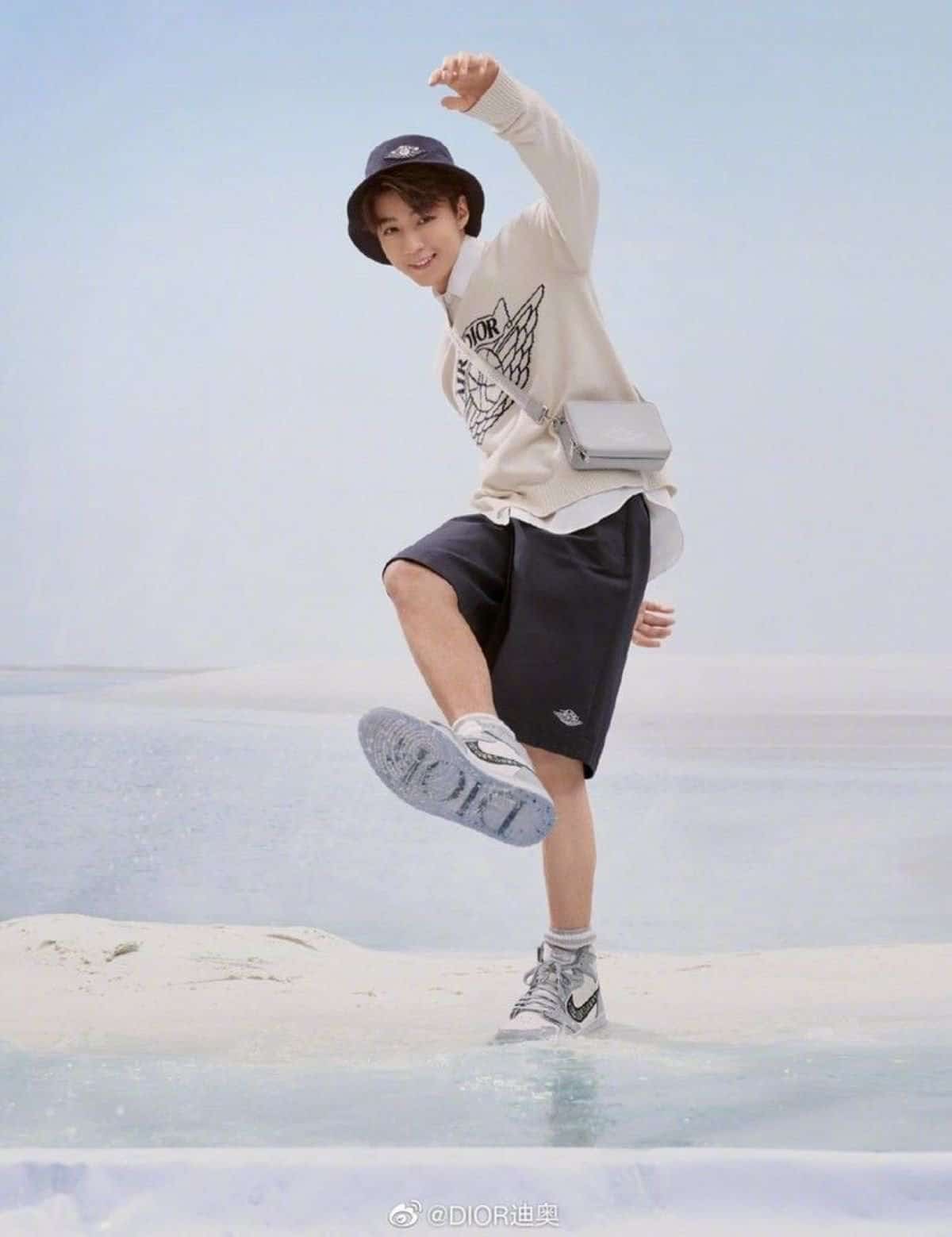
Engagement is driven by KOLs, not the brand’s social media accounts. Mr. Knight agrees. “KOLs should not be seen as an endless impression opportunity, but as a way to tap into particular communities in an authentic way,” he said. “This tastemaker approach is at the heart of many successful Gen Z-focused campaigns.” Dior x Air Jordan sneakers sit at the intersection of sneakerhead culture and couture.
What makes a collaboration successful in China?
The luxury of luxury is being redefined by young Chinese consumers. They are looking for a fresh perspective, culturally sensitive interpretations of centuries-old Western ideas and creative twists. Luxury brands have become famous for collaborating in unconventional ways over the years. However, these collaborations have been well received in China and Europe.
China is a very competitive market, especially for luxury brands. This forces brands to rethink their relationships with consumers and how products can be localized. Brands can make a big difference by collaborating well, and generating a lot of awareness in a relatively short time. It can also backfire.
How can brands ensure that their collaborations reach the most crowded markets? And, ultimately, how can they benefit their bottom line? Here are 5 key steps to successful collaborations.
LOCALIZE THE PRODUCT AND STORY
Localization in China today goes beyond creating local assets and translating campaign messages. It requires brands to understand and appreciate the cultural nuances of Chinese culture. It’s important to recognize the growing sense of “Chinese pride” among Chinese millennials. This can be leveraged in collaborations with up-and-coming local brands or designers to show a brand’s commitment to the Chinese market and generate local stories, awareness and notoriety.
Seesaw is the pioneer of specialty coffee in China. It is popular among young coffee drinkers in tier 1 and tier 2 Chinese cities like Shanghai, Beijing and Shenzhen.
Everlane, an American DTC brand that focuses on ethical and transparent fashion launched in China in 2019, The brand collaborated with Seesaw Coffee to produce limited edition boxes from recycled materials to celebrate its first anniversary. The kits encourage people to reuse utensils and highlight the waste generated by take-out and delivery lunches. These kits are available at all Seesaw locations.
Weibo is one of the most popular social networking platforms in China. It has more than 12 million visitors and over 15,000 engagements. Everlane, an NGO focused on environmental protection, received the Special Contribution Brand Award from the SEE Foundation in recognition of its impact.
Marni Miao ethnic group
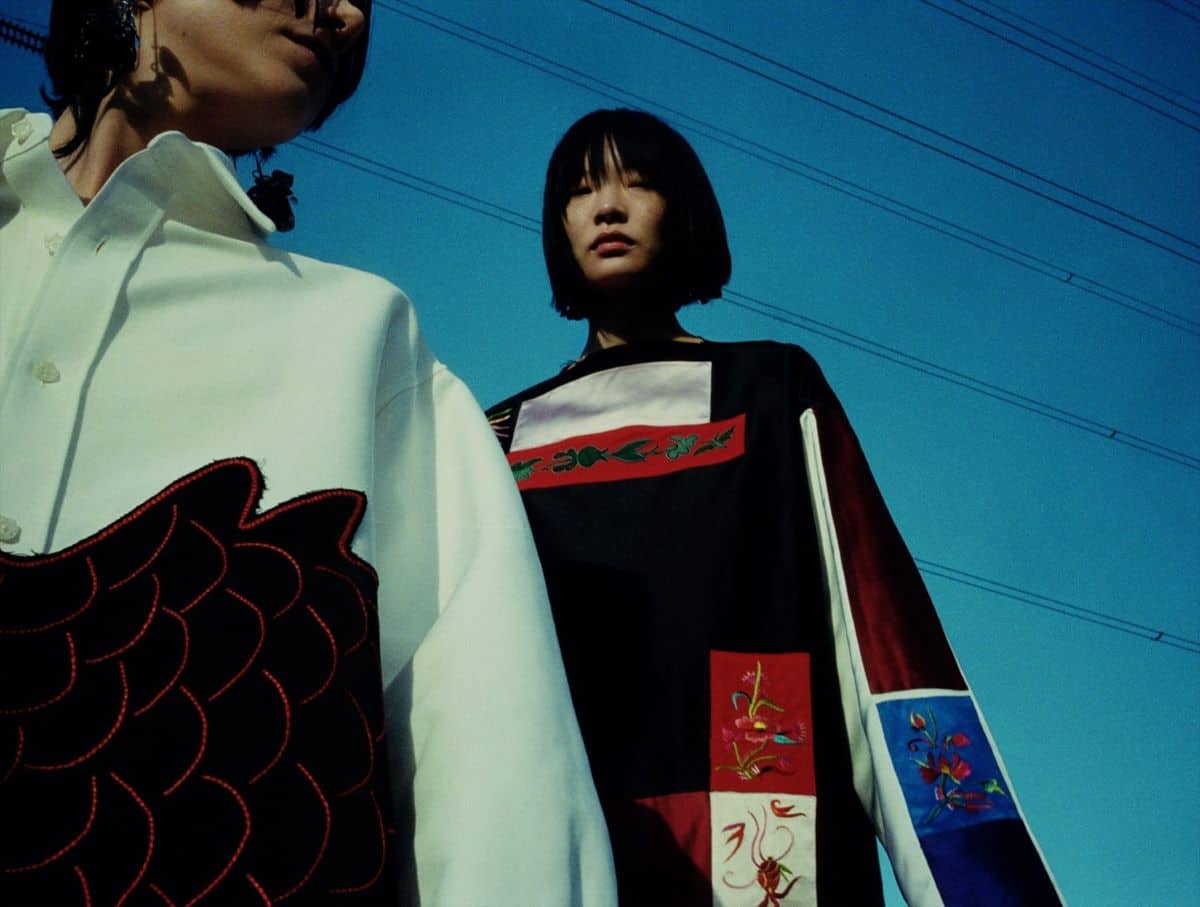
Marni launched a new collaboration in 2019 called “Marni Miao.” It focused on embroidery, as Miao ethnic groups are known for their knowledge of intricate craftsmanship (embroidery and lace, etc.). Each embroidery was handmade by more than 400 craftsmen. The pieces were finished in China and then sent back to Italy to be assembled into ready-to-wear garments.
Tradition and craftsmanship are the foundation of the “Marni Miao” collaboration. Marni is a blend of the ancient Chinese Miao culture and Marni’s Italian heritage. What is the result? The result? Marni used Chinese supermodel Liu Wen as a model and shared a series on social media about the collaboration.
Angel Chen x Canada Goose
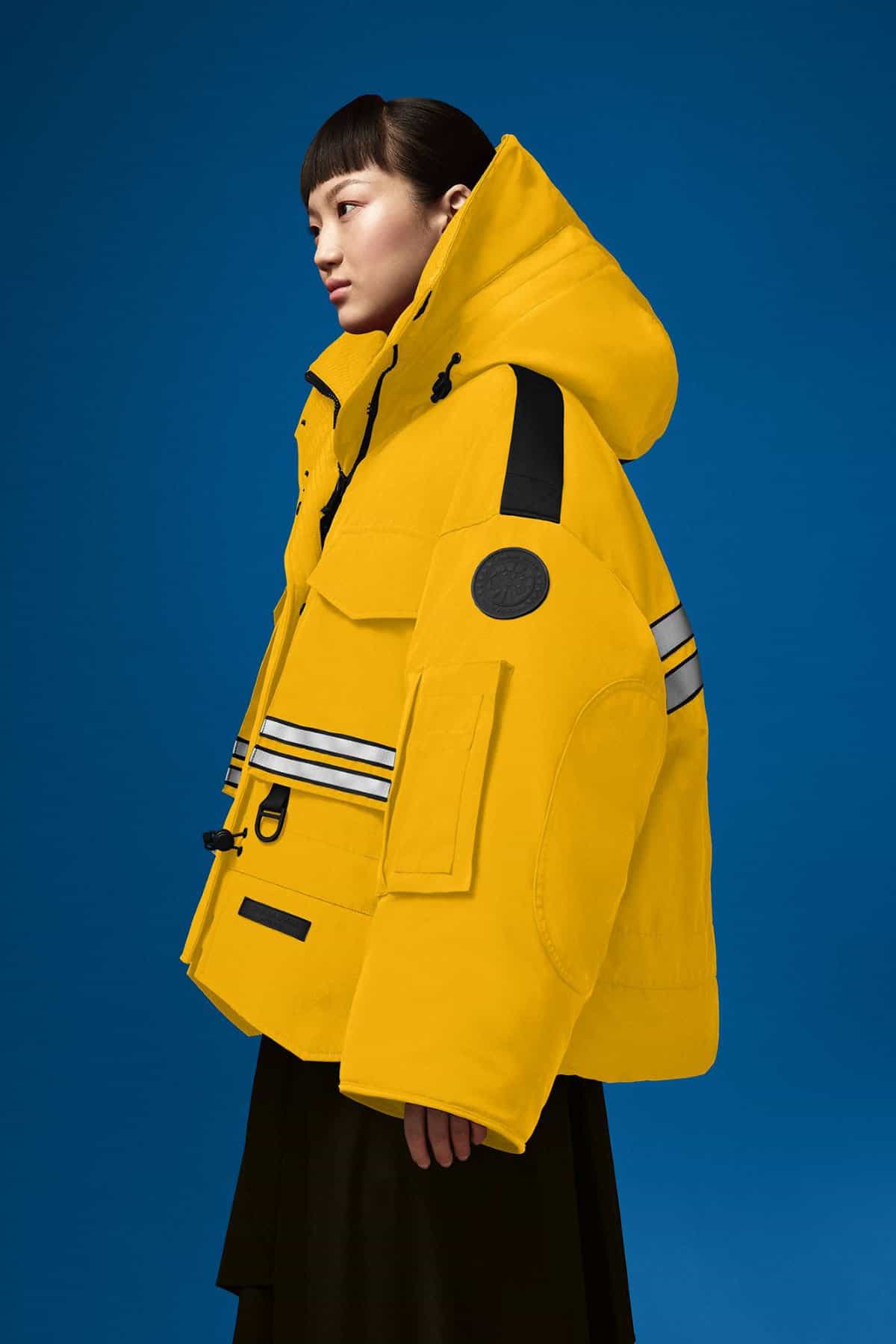
Canada Goose partnered with Angel Chen, a young Chinese fashion designer, to increase cultural relevance and strengthen connections between women. Angel is known for her innovative approach to fashion that fuses Eastern and Western aesthetics. Her vibrant and bold designs are available in stores around the world. She is also the first Chinese designer to have collaborated with brands such as Urban Outfitters and H&M.
The launch of the capsule collection took place at a private virtual event broadcast live on Canada Goose’s WeChat channel. It took place in the new Canada Goose flagship in Shanghai’s IAPM shopping center. Angel Chen and Linda, a fashion blogger, presented pieces from the collection. More than 120,000 people watched the livestream, which generated 21 billion impressions on Instagram and more than $1.7 million USD in PR value.
IDENTIFYING THE RIGHT PI
IP Marketing has enabled brands in China to work with intellectual property. These include manga and anime characters, cultural landmarks, state-owned institutions and cultural landmarks. Product manufacturers have the opportunity to add novelty and uniqueness to their products or collections through IP marketing. They can then use it to drive engagement on China’s most prominent social media platforms.
MACx Honor of Kings
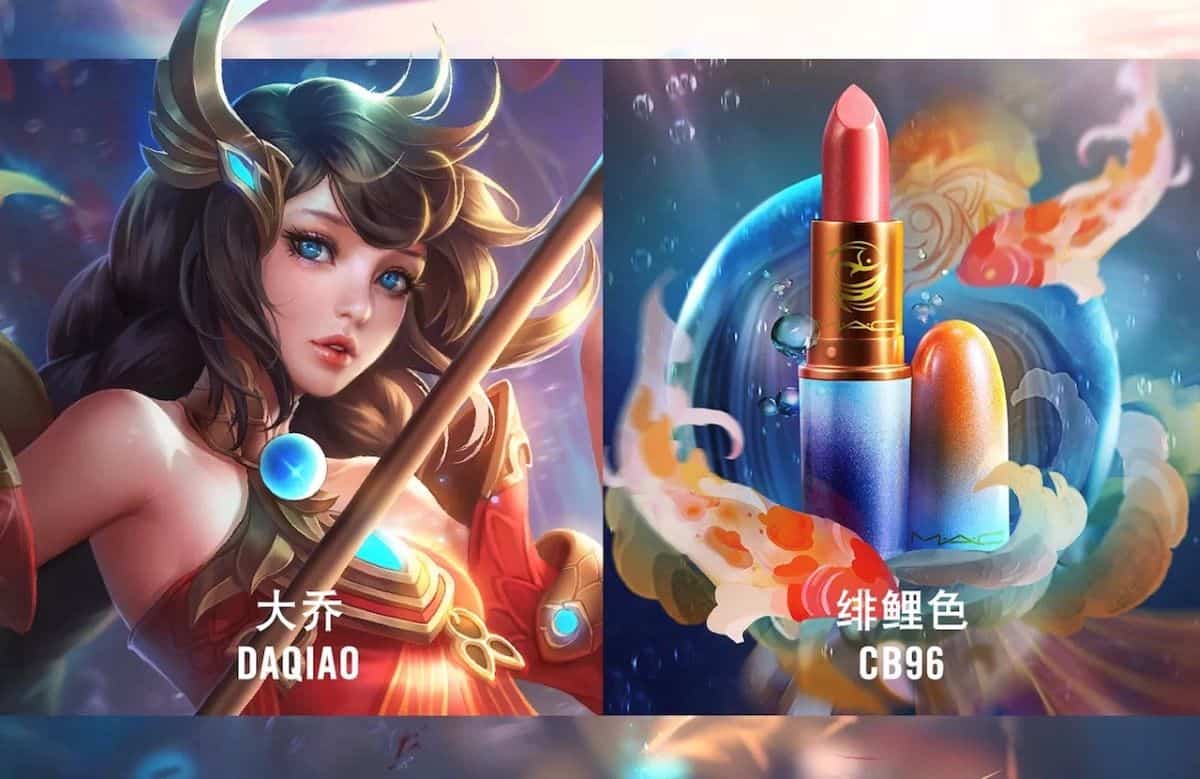
Honor of Kings, a Chinese game with more than 100 million users, collaborated with cosmetics brand MAC to create a lipstick collection in 2019. Pre-orders reached 14,000 and all products were sold out on the first day.
Honor of Kings (Chinese: Wang Zhe Rong Yao) is an online mobile multiplayer battle arena created by Timi Studio Group. Published by Tencent Games for Android and iOS, it is the original Chinese version of Arena of Valor.
SWAROVSKI. x The Palace Museum
Swarovski has collaborated with the Palace Museum in Beijing (also known as the Forbidden City) to create a limited collection of items for Chinese New Year 2021. The Palace Museum houses more than 1.8 million pieces of art, mainly from the imperial collections of the Ming and Qing dynasties. Swarovski’s e-commerce channels sold selected products and some were also sold in selected boutiques.
Skechers and One Piece
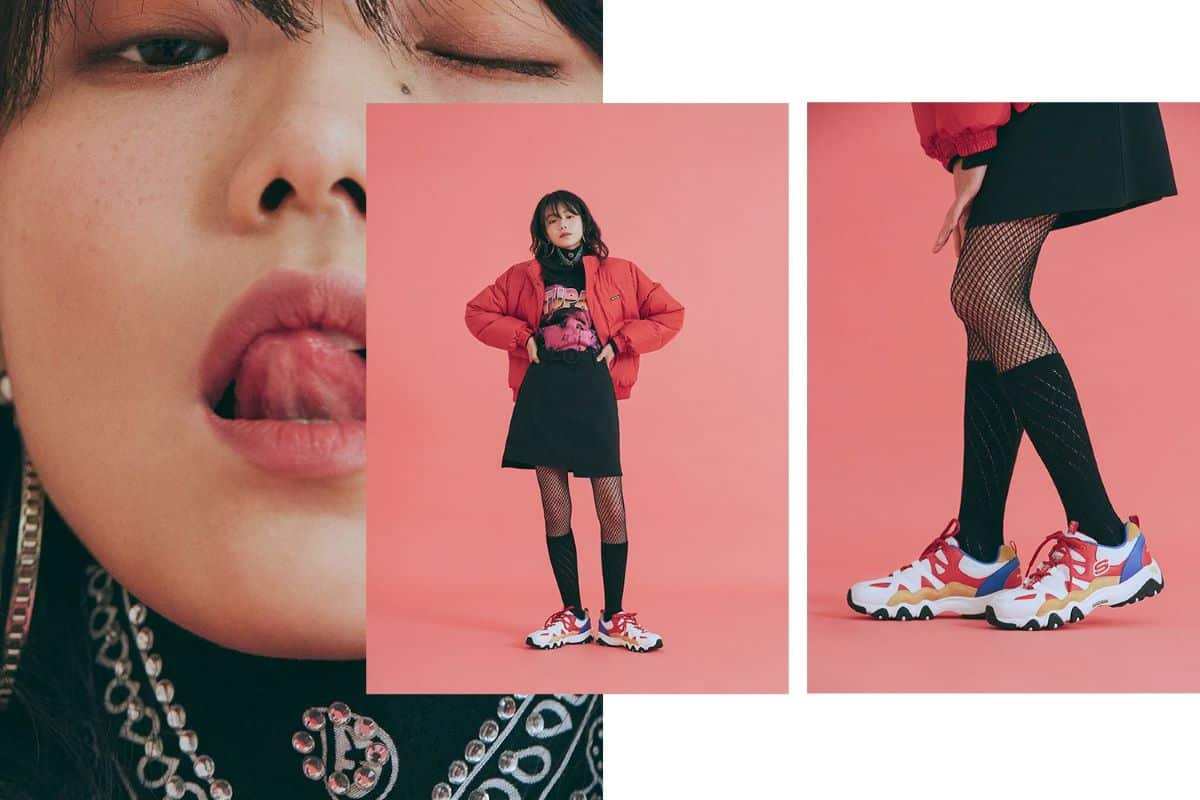
Skechers, a global footwear brand, partnered with One Piece, a Japanese manga series written by Eiichiro Oda, to create a limited edition sneaker collection. The collaboration was so popular in Asia that it was expanded to the United States, Canada and Europe.
KOL (INFLUENCER), COLLABORATIONS
Today’s brands are used to the influence of celebrities and influencers on social media platforms. Influencer marketing is of a different kind in China. They are known as Key Opinion Leaders (KOLs) and their power to influence is unmatched. This makes KOLs an essential part of any marketing strategy in China for luxury brands.
Brands can collaborate with KOLs to develop products that are more relevant to their target audience’s needs. This fosters deeper engagement and increases awareness across multiple channels, which helps drive sales.
MR. M.
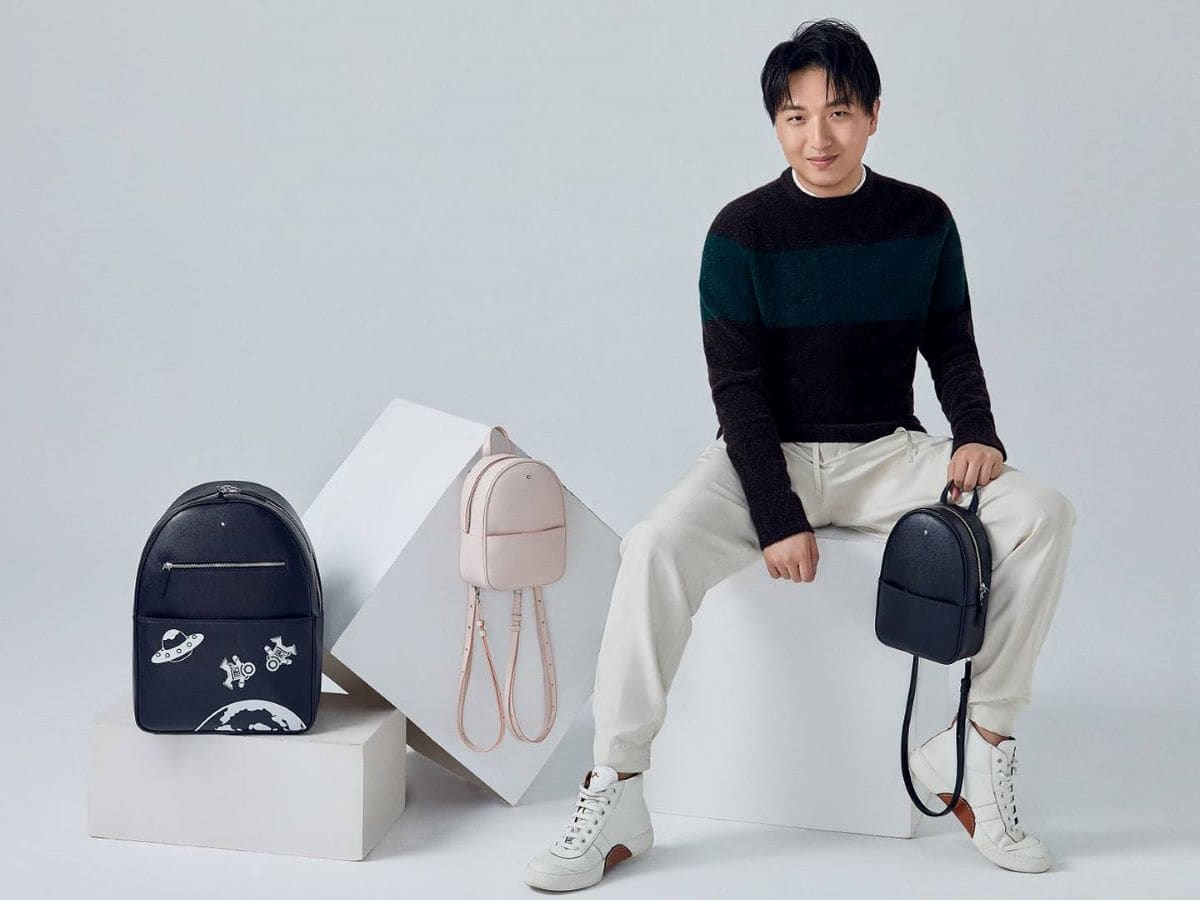
Mr. Mr. Bags (Tao Liang), a fashion KOL (influencer) who is well known for his bag recommendation. With over 6 million followers on Weibo (a Twitter-like platform) and 850,000 followers on WeChat, he is one of the most prominent fashion bloggers in China. He has close relationships with luxury brands such as Chanel, Christian Dior and Valentino. Mr. Bags has partnered with Burberry, Longchamp and Chloe.
Tod’s collaborated with 300 dog-shaped handbags to celebrate the Chinese Year of the Dog in 2018. These handbags were priced at 1,500 USD and sold out in 6 minutes. This generated 500,000 USD.
Savislook
C/MEO Collective, an Australian fashion brand, invited Savi to collaborate on capsule collections. Savi is part of the “first generation of bloggers” in China. Her Weibo account has reached over 4 million followers since its inception in 2015. Savi’s WeChat posts almost resemble blog content and are often viewed over 30,000 times. Savi has more than 300,000 followers on the fashion, beauty and lifestyle social media platform Little Red Book and more than 600,000 on the video platform BiliBili. She also has over 400,000 followers on Instagram and YouTube.
This was Savi’s first collaboration with the brand, and it helped the C/MEO collective increase awareness among its large audience.
Austin Li
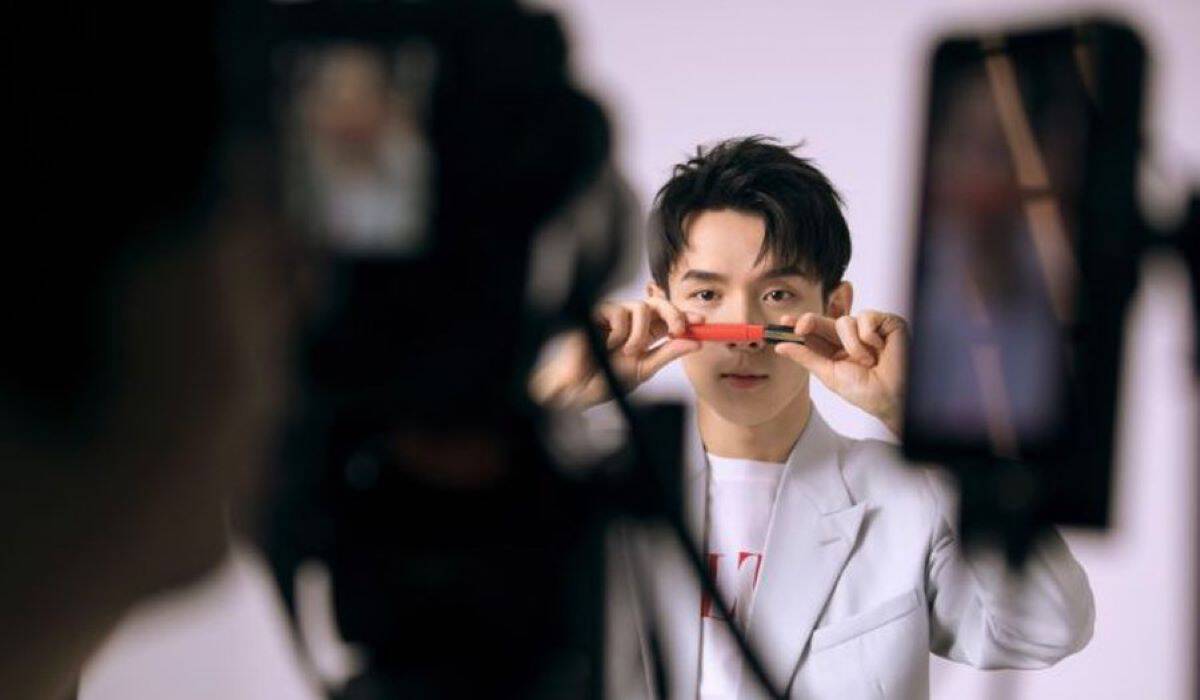
Live-streaming has been the most popular way to sell products and services in China for several years. Live-streams are usually hosted by an entertaining and enthusiastic character. They can last for hours, with hosts trying every trick in the book to keep their audience interested. Brands are increasingly looking for live-streaming hosts to help them reach their large audiences and introduce new products to the market. Austin Li is one of China’s best-known animators. He was crowned “Lipstick Kings” because of his live-streams in which he tried on different lipsticks for hours.
Austin has a huge social media following, with nearly 30 million followers on Weibo (the Chinese equivalent of TikTok), 44 million followers on Douyin (the Chinese version), and more than 10 million followers on Little Red Book, a platform focused on fashion, beauty and lifestyle.
Austin’s dog, “Never,” appears in many live-streaming sessions. The dog even has fans on social media. Perfect Diary, China’s number one beauty brand, created a Never-inspired shadow palette. All 3,000 batches were sold out in less than five minutes after Austin’s live-stream to promote the palette.
Create a tangible experience
China may be the world leader in digital innovation, but it has also made physical spaces more important than ever. Pop-ups, boutiques, and exclusive events offer customers tangible experiences that can be shared on social media. This allows customers to create and weave their own brand story.
& other stories x The Beast
The Beast, an online-offline lifestyle retailer that caters to upper and middle class Chinese consumers, was established in 2011. The Beast was originally launched in 2011 as a new age flower store. It has evolved into a creative and sophisticated home with a huge social media following.
& Other Stories, a Swedish fashion and accessories brand, partnered with The Beast Shop for its launch in China. The idea was to open the brand’s first pop-up shop in China. The Beast Shop created limited edition gift sets that contained hairbands and fragrances. The brand’s debut in China was quickly heralded by The Beast Shop, which generated high-quality content via social media platforms. The number of views on Chinese Weibo, a popular Twitter-like platform, exceeded 11,000,000.
MAKE SURE THE UNEXPECTED (THAT GOES WELL TOGETHER).
Unexpected collaborations with innovative products are a surefire way to generate interest and discussion online. It’s possible to tell a brand’s story in an exciting and original way by discovering the commonalities between seemingly different brands. This is especially important when targeting Chinese millennials. They have redefined the luxury consumer. They are creative, unique and seek brands that allow them to express themselves.
Good day from Zagreb, Croatia, European Union!
Do you have a desire and do you want to help me with finding a Beijing-based coffee importer in China?
Thanks in advance for your help!
Zeljko,(zeljko32@gmail.com)