Re-entering Chinese tourists will help Malaysia’s foreign revenue grow

In December 2023, China and Malaysia launched mutual visa-free travel. The result was immediate. By 2024, Chinese tourists to Malaysia rebounded to approximately 2.9 million, up from around 1.1 million in 2023, according to Tourism Malaysia data circulating widely on Chinese travel platforms and financial news sites. China remained Malaysia’s single largest source of tourist spending. The Malaysia Tourism Ministry reported 23.7 million total international arrivals in 2024, with Chinese tourists consistently in the top three by both volume and spending.

I have worked on Malaysia tourism campaigns since 2021. The visa-free agreement changed everything, but not in the way most people expected. Volume came back fast. What also changed was the type of Chinese traveler coming. The group tour bus did not return. What returned was the independent planner with a 5-day Penang food itinerary they built on RedNote at 11pm on a Tuesday.

Why Malaysia Works for Chinese Tourists in 2026

Malaysia has three things that make it a natural choice for Chinese travelers: proximity, low cost, and a large ethnic Chinese community. A flight from major Chinese cities to Kuala Lumpur takes three to four hours. The food is familiar. The currency is affordable relative to Chinese purchasing power. And Mandarin is widely spoken across commercial districts in Kuala Lumpur, Penang, and Johor Bahru.

Beyond tourism, the Chinese community in Malaysia continues to grow. Chinese student enrollment in Malaysia reached 33,000 by 2024, up from 8,900 in 2020. Chinese property investment in Johor has accelerated. This long-term economic relationship creates a stable base for tourism that most other Southeast Asian destinations do not have.

A 2026 Ctrip Southeast Asia travel report showed Malaysia ranked second overall for Chinese outbound travel in the region, behind Thailand but ahead of Singapore and Vietnam. More importantly, Malaysia ranked first for repeat visit intention among travelers aged 25-40. That is a loyalty signal you cannot buy with marketing alone.

What Chinese Tourists Are Doing in Malaysia in 2026

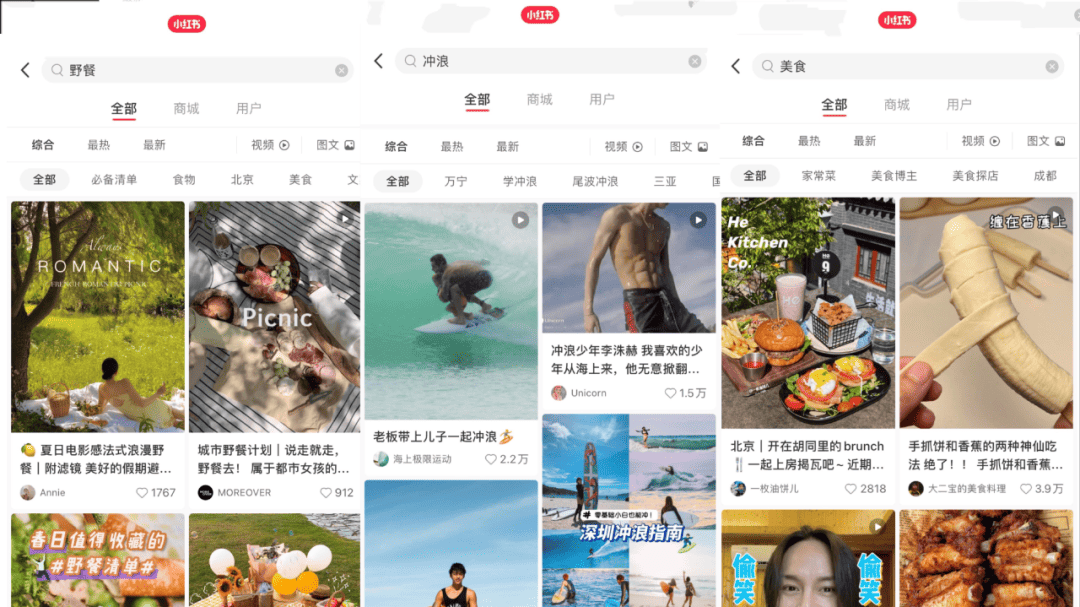
The 2019 Chinese tourist in Malaysia was mostly a group traveler following a fixed itinerary. The 2025-2026 Chinese tourist in Malaysia is different. Independent travel has grown significantly, especially among travelers aged 25 to 40 who research on Xiaohongshu and Douyin before booking through Ctrip or Fliggy.

Popular content themes on Chinese social media for Malaysia in 2025-2026 include:

  • Penang street food and hawker culture (consistently high engagement on Xiaohongshu)
  • Langkawi beach resorts compared to Hainan and Maldives on a value-per-dollar basis
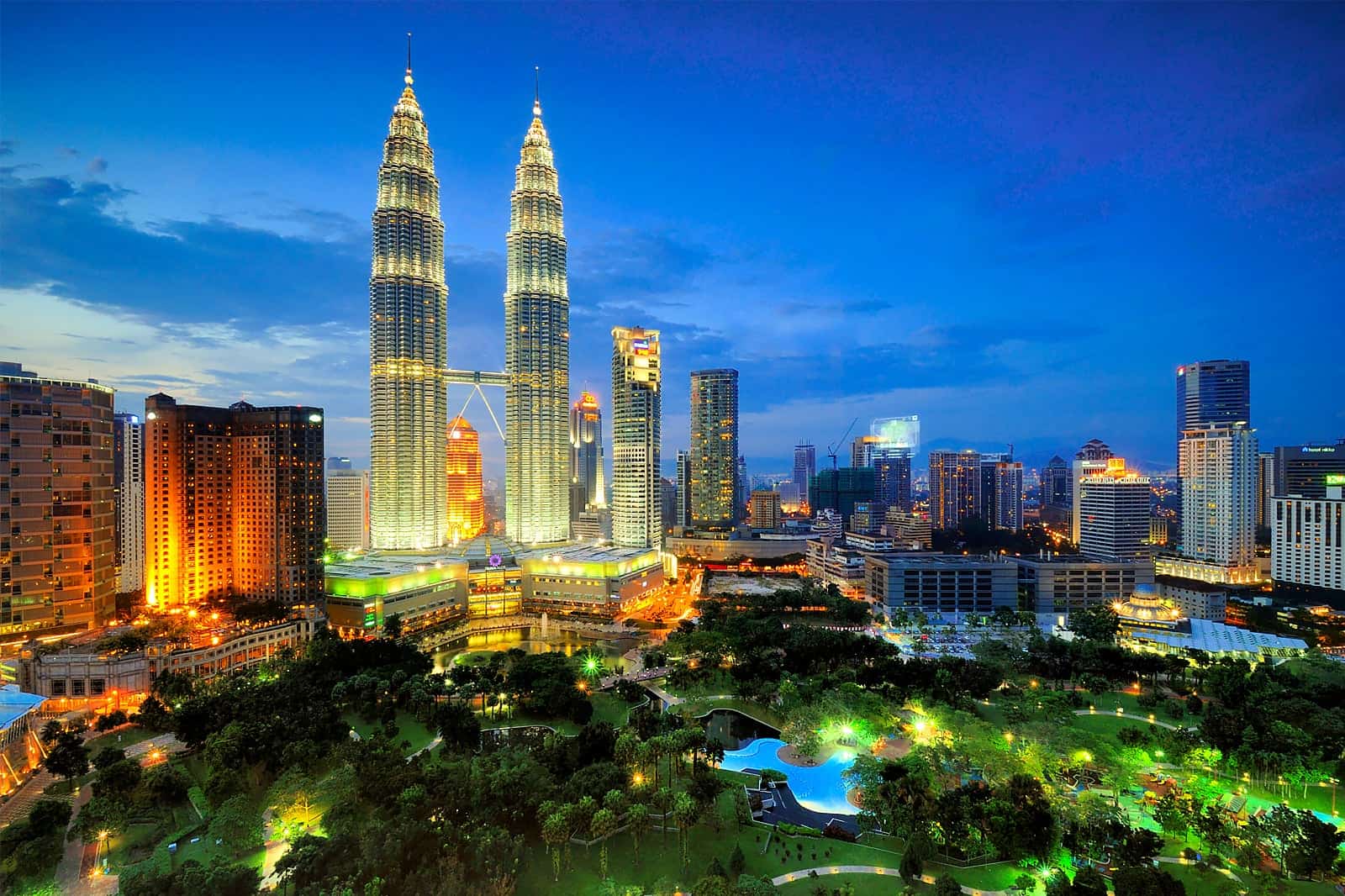
  • Kuala Lumpur shopping hauls and outlet comparisons
  • The Cameron Highlands and tea plantations as a “slow travel” destination
  • Muslim travel in Malaysia, a growing sub-segment from Chinese Muslim communities

Malaysia Chinese Tourism at a Glance

MetricDataNotes
Chinese tourists to Malaysia (2019, pre-COVID)3.1 millionHistorical peak
Chinese tourists to Malaysia (2023)~1.1 millionPost-COVID recovery year
Chinese tourists to Malaysia (2024)~2.9 millionFollowing visa-free agreement Dec 2023
China-Malaysia bilateral trade (2024)$170B+China is Malaysia’s #1 trading partner
Chinese students in Malaysia (2024)33,000Up from 8,900 in 2020
Total international arrivals Malaysia (2024)23.7 millionTourism Malaysia data
Malaysia rank in SE Asia repeat visit intent#1 (Chinese 25-40)Ctrip 2026 Southeast Asia Report

What We Got Wrong (and What We Fixed)

When we first ran campaigns for Malaysian hotel clients in 2022-2023, we treated Malaysia like any other Southeast Asian destination. Generic beach content, generic KL skyline shots, generic “affordable luxury” messaging. It performed below average. We could not figure out why for a while.

The mistake was ignoring the ethnic Chinese angle. A significant percentage of Chinese visitors to Malaysia are not just tourists. They have family connections, ancestral roots in Penang or Ipoh, emotional ties to the country. The content that resonated was content that acknowledged this. Not overtly, but in tone. “Finding your roots in Malaysia” type content consistently outperformed pure destination marketing in our campaigns.

Second mistake: we underestimated the food-first decision process. Chinese travelers to Malaysia often pick their accommodation based on what neighborhood gives them the best hawker center access, not hotel ratings. We started building content around food neighborhoods first and accommodation options within them. Saves went up 60% on that format change alone.

Agency Case Studies

Case Study 1: Penang Boutique Hotel

A heritage boutique hotel in Georgetown, Penang had excellent TripAdvisor ratings but almost zero Chinese digital presence. They were missing the fastest-growing visitor segment to Penang. Their marketing was entirely in English.

We built a Mandarin-language RedNote account from scratch. Content strategy: one post per week, all focused on specific food experiences within walking distance of the hotel. Not “our hotel is near good food.” Actual reviews, with prices in RMB equivalent, specific stall names, best time to arrive to avoid queues. We gave away the full Penang street food knowledge base for free in the content.

Result: 4,200 RedNote followers in 6 months. Direct bookings from Chinese guests went from 2% of total bookings to 19% within 8 months. The hotel now receives WeChat inquiries in Mandarin every week without running a single paid campaign. The food content does the work.

Case Study 2: Langkawi Resort Targeting Value-Conscious Travelers

A mid-range Langkawi resort wanted to reach Chinese travelers comparing their options to Maldives and Hainan. High ambition, limited budget. We could not compete with Maldives on luxury positioning. We did not try.

Instead, we built a comparison campaign: “What 5 days in Langkawi actually costs versus Maldives and Hainan, for the same beach.” Specific numbers, specific flights from Shanghai and Guangzhou, specific room categories. Real math. Chinese travelers in the 25-38 group respond very well to transparent cost comparisons. It tells them you understand how they make decisions.

The Douyin video series on this topic reached 2.8 million views in 30 days. Direct room inquiries via WeChat QR code in the video bio totaled 340 in the first month. The resort ran 92% occupancy during the Chinese New Year period 2026, up from 71% the year before.

Case Study 3: Sabah Ecotourism Operator

A Sabah wildlife and ecotourism operator had done well with Western visitors but had no Chinese market strategy. Chinese nature tourism is a growing niche, particularly among the 30-45 professional segment interested in wildlife and off-the-beaten-path experiences. Sabah’s orangutans and diving are a strong product for this niche.

We identified three Douyin nature and wildlife content creators with audiences in the 200,000-600,000 range and organized a 4-day Borneo trip. Content focus: wildlife encounters (orangutans, proboscis monkeys, pygmy elephants), the diving at Sipadan, and the complete travel logistics from China. We included every practical detail, including Mandarin-speaking guides availability, because Chinese independent travelers planning niche trips need that information to commit.

Total content views across the three creators: 6.1 million in 60 days. The operator had to open a dedicated WeChat contact just for Chinese inquiries. They booked out their Chinese New Year 2026 capacity in September 2025, four months ahead of schedule.

What We Do Now: Our Malaysia Campaign Approach

We now run Malaysia campaigns on three tracks simultaneously: RedNote for research-phase content (itineraries, food guides, cost breakdowns), Douyin for awareness and inspiration (visual destination content, KOL vlogs), and WeChat for direct communication and booking conversion.

Every campaign starts with a food-first content strategy. Whatever the client sells, whether it is a hotel, a tour package, or an attraction, we anchor it in food. Malaysian food is one of the strongest organic pull factors for Chinese visitors and it is underused by most tourism businesses in their Chinese marketing.

We also build content around the logistics of getting there and getting around. This sounds unglamorous but it is what converts dreamers into bookers. A Chinese traveler who has seen beautiful Penang content and then finds one practical post explaining “how to get from KLIA to Penang, Grab prices, and which side of the street the best hawker centers are on” will save that post and book within two weeks.

How to Reach Chinese Tourists Planning a Malaysia Trip on Xiaohongshu (RedNote)

1. Post itinerary-style content with real costs. Chinese travelers researching Malaysia want specific information: what to eat on day one in Penang, how much a hotel in KLCC costs, whether the LRT connects to Batu Caves. Posts that answer real questions get saved and shared. Generic destination descriptions do not. Learn more about our RedNote marketing services.

2. Use comparison content. Chinese social media users respond well to “Malaysia vs [alternative]” content: Malaysia vs Thailand, Penang vs Bali for food, Langkawi vs Maldives for cost. This type of content reaches people actively comparing destinations and positions Malaysia clearly.

3. Target the food tourism segment. Malaysian cuisine has a strong following among Chinese consumers. Xiaohongshu posts about hawker centers, nasi lemak, and Penang laksa regularly generate tens of thousands of likes. Food-led destination marketing is one of Malaysia’s strongest competitive advantages.

4. Address Chinese Muslim travel separately. The Muslim travel segment from China’s northwest provinces (Xinjiang, Gansu, Ningxia) is growing. Malaysia’s halal infrastructure is a genuine selling point for this group. Dedicated content in this sub-category reaches an underserved audience.

How to Reach Chinese Tourists Planning a Malaysia Trip on Douyin

5. Create street food content with prices and locations. Short videos showing actual hawker stalls, the food being prepared, and the price in RMB equivalent are consistently high-performing on Douyin for Southeast Asian destinations. Penang’s food scene has already gone viral multiple times on Chinese social media. See how we structure Douyin campaigns for tourism.

6. Show the “value for money” angle clearly. Chinese travelers in their 20s and 30s are highly cost-aware. Douyin videos showing what a budget of 3,000 RMB covers in Malaysia (flights, hotels, food, activities) for a 5-day trip reach a large, active segment of the outbound travel market.

7. Document lesser-known destinations. Chinese tourists who have already been to KLCC and Penang are looking for what’s next. Videos covering Ipoh, Melaka, the Perhentian Islands, or Sabah’s wildlife reach a more experienced traveler segment that is willing to spend more on unique experiences.

8. Use Douyin live sessions during peak travel planning seasons. Live sessions from Malaysia, showing destinations in real time and answering questions from viewers in China, generate high engagement. Tourism Malaysia and individual operators who run live sessions consistently see booking inquiries during and after each session.

Example Found on Chinese Web (Translated)

“I’ve been to Thailand four times. Malaysia feels different. The food is actually better in Penang than anywhere I’ve eaten in Bangkok. Cheaper too. The visa-free thing made the decision easy. I’m going back in March.”

Xiaohongshu post from a Shanghai-based traveler, December 2024, in a popular thread comparing Southeast Asian destinations

FAQ

How many Chinese tourists visited Malaysia in 2024?
Approximately 2.9 million, a major recovery from 1.1 million in 2023, driven largely by the mutual visa-free agreement that came into effect in December 2023. Malaysia’s goal is to return to and exceed the 2019 peak of 3.1 million Chinese visitors.

Why is Malaysia popular with Chinese tourists?
Proximity (3-4 hour flight from major Chinese cities), affordable cost relative to Chinese purchasing power, a large ethnic Chinese community that makes navigation and communication easy, excellent food, and diverse experiences from beach resorts to cultural heritage cities.

How should Malaysian tourism businesses reach Chinese tourists online?
Primarily through Xiaohongshu for the research phase and Douyin for awareness and inspiration. Ctrip and Fliggy for booking. WeChat for customer service and pre/post-trip communication. Content should be in Mandarin and focused on practical, specific information rather than generic destination marketing.

What types of Chinese tourists visit Malaysia?
The profile is broadening. Group tours still exist but independent travelers aged 25-40 are growing fast. The food tourism segment, the family travel segment, and the Chinese student segment (via education ties) are all meaningful sub-groups with different communication needs.

What is the best platform to start with for reaching Chinese tourists in Malaysia?
RedNote for most accommodation and hospitality clients. Start with itinerary-style content in Mandarin. Build a consistent posting schedule before worrying about paid promotion. Organic saves build faster and convert better than paid reach for Malaysian tourism content.

We post regular updates on Chinese outbound tourism trends on our LinkedIn page. Follow us to track where Chinese travelers are going next.

Your Business in Malaysia Deserves a Chinese Audience

Malaysia has the infrastructure, the connectivity, and the cultural ties to be one of the top five destinations for Chinese tourists globally. The gap between where it is now and that goal is not a product problem. It is a visibility problem. Hotels, tour operators, restaurants, and attractions in Malaysia that build a genuine presence on Chinese social media, with content that speaks to how Chinese tourists actually make decisions, can capture a disproportionate share of this recovery.

We have helped hospitality and tourism businesses across Southeast Asia reach Chinese consumers with targeted Xiaohongshu and Douyin strategies. Review our full service list to see where we can help, then talk to us.

Talk to us about reaching Chinese tourists in Malaysia.


Alex is a project manager at Chinese Tourist Agency, based in Shanghai for 10+ years. She manages destination campaigns across RedNote, Douyin, and WeChat for tourism clients in Asia-Pacific, Europe, and the Middle East.

Similar Posts

One Comment

  1. Hello

    We want to partner with local business in malaysia, hotels, clubs, shops and travel agencies.
    We would like to work with digitalized companies because we are Spring International agency and most of our clients will travel for the Chinese new year.
    Can you contact me via WeChat
    URGENT

Leave a Reply

Your email address will not be published. Required fields are marked *