
Competition for top education in China is getting more intensified
The company’s research indicates that parents with overseas education experiences and students wishing to broaden their international perspectives and gain enlightening life experience continue to encourage Chinese students to pursue opportunities abroad.
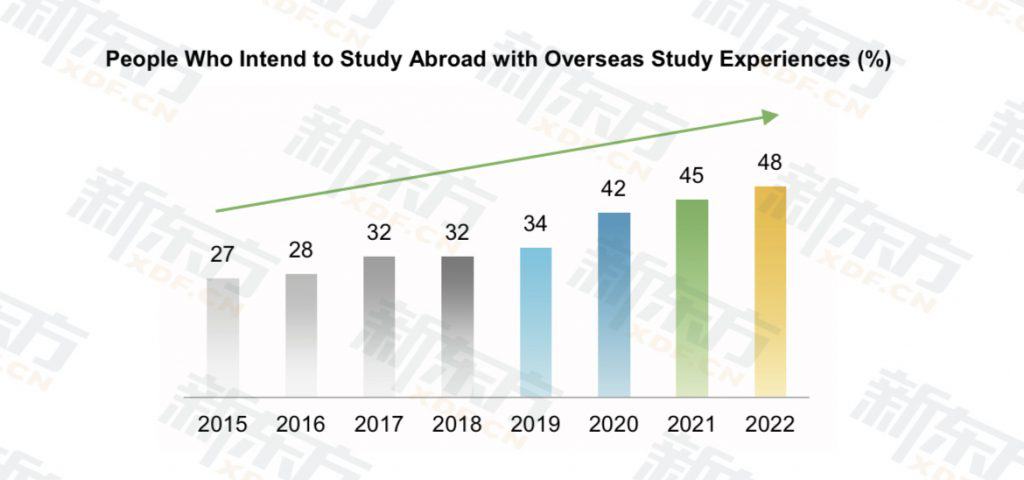
“By 2022, 48 percent of students who intend to study abroad will already have international study experience, and this percentage has risen steadily over the past eight years,” the report states.

Chinese parents who view overseas programs as highly enriching experiences for their children have a growing interest in international study, according to New Oriental.
Per the report, over 70 percent of parents intend to send their elementary, middle, and high school-aged children abroad to study. Among the 82 percent of respondents who were students, 48 percent said they plan to study abroad during their undergraduate years.
The United States has the highest percentage of returned Chinese students, with sixty percent currently residing there. Canada and the United Kingdom followed closely behind with 52 and 51 percent of Chinese students, respectively. The report attributes the United States’ success to its “more liberal” visa policy and travel restrictions.
The report indicates that over fifty percent of Chinese students will evaluate pandemic restrictions per country and select relatively safer regions in terms of Covid-19 outbreaks when deciding where to study abroad.
However, the research indicates that although the United States is widely regarded as the destination with the highest education quality, the number of school-aged Chinese students in the country is declining. Singapore and Hong Kong are “growing in popularity among students planning to study abroad in 2022,” according to a report.
According to New Oriental, the three primary factors that Chinese international students consider when choosing their destination have not changed: education level, safety, and recognition for future employment. “People who intend to study abroad pay more attention to university rankings and appropriate majors when selecting universities,” the report notes, adding that more students base their destination decision on the school’s reputation.
Sixty-six percent and sixty percent of respondents, respectively, indicated that the university’s ranking and the availability of an appropriate major were the two most important considerations.
Despite the fact that rankings continue to have a significant impact on people’s decisions, the report reveals that people who intend to study abroad “hold more rational attitudes toward rankings.”
How to attract wealthy Chinese students
Numerous Chinese students believe that gaining experience at an overseas university or company will greatly benefit their future careers. Consider the example of Wang, a student from Beijing. He believes that his lack of international experience could pose a significant barrier when it comes time for him to be hired. In fact, eighty percent of his classmates agree and add that overseas experience increases your chances of obtaining a good position at a large company. The Chinese society and economy are exerting increasing pressure on young graduates, compelling them to pursue higher education in order to obtain a good job on the Chinese market, which has become extremely competitive in recent years.
Internet service agencies: a growing market
Due to a growing demand in the education industry for Chinese students who wish to study abroad, the number of online agencies that handle all the necessary paperwork for students is increasing. On the negative side, fraudulent agencies have been known to overcharge their clients, tarnishing the industry’s reputation. People’s growing suspicion is unsurprising, and we can see that some of them prefer to ask their personal network for any pertinent information.
Big universities, schools, and those who work in this industry all have their own online services because they have a thorough understanding of the customer’s expectations. According to a report by “iresearch,” the internet is the most popular way to obtain information, with at least 36 percent of students preferring to conduct preliminary research on the web, followed by the close friend’s circle and professional networking. A company in the education industry must have an online presence, and search engine optimization is the key to being visible and allowing netizens to learn about your business online.

Advertising on search engines is the optimal strategy
There are two methods for promoting your business on search engines: Both SEM and SEO Let’s decipher these two strategies, which are slightly different but can both yield positive outcomes:
Search Engine Marketing will position your website on the first page of search engine results. When the SEM contract with the search engine expires, so will your visibility, as you will no longer be sponsored.Search Engine Optimization would yield the same results as Search Engine Marketing, but it would take longer to achieve the same results. It is based on the keywords that you use on your website, but is more reliable and stable.
Regardless of your selection, you must conduct a thorough market analysis beforehand and choose your keywords with care. This is the most crucial initial step if you wish to implement these strategies. Chinese use Baidu, but you knew that already, right?
Good media posts will build you a strong e-reputation
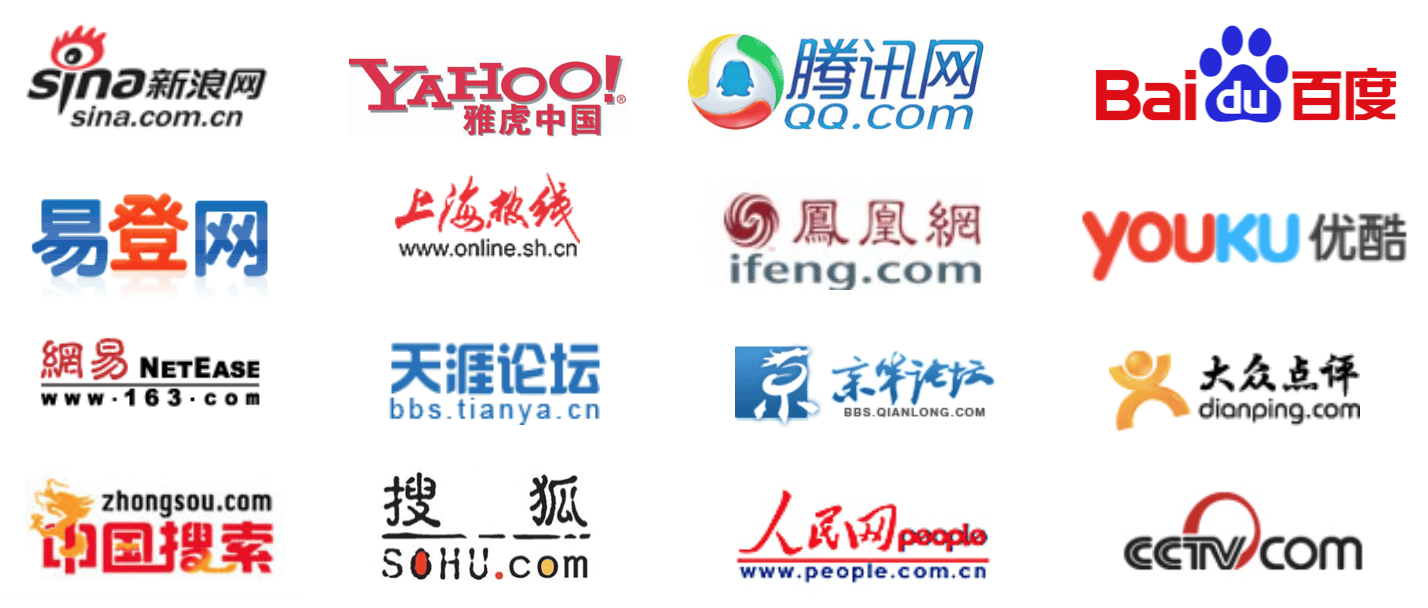
Students who want to find information on the internet will get them on several websites, in order to get the most accurate one. Keep in mind that each social media have a different way to communicate, so you need to adapt your message. For example, testimonies of alumni students could be a good lead, to begin with. You need to offer something else than your competitors, what you do has to give you an added value. Need some help or advice, don’t hesitate to contact us!