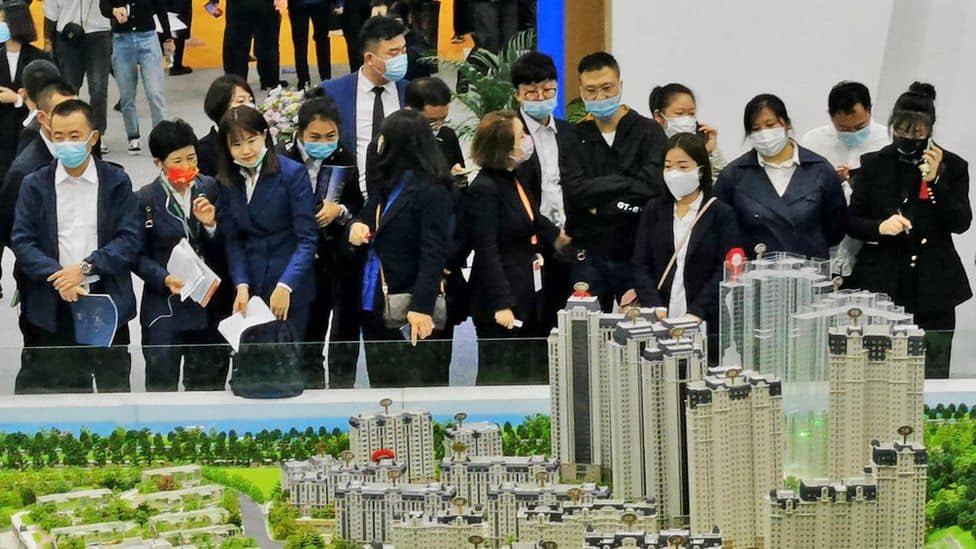
Mortgage boycott demonstrates the intensity of China’s property crisis
It began as a protest by frustrated apartment buyers in a single project in a central Chinese city. Now, tens of thousands of people across the nation are withholding mortgage payments on unfinished homes purchased from developers, including China Evergrande Group.
The wildcat boycott on loans worth up to two trillion yuan (US$296 billion) threatens to deepen China’s real estate slump by shifting attention from the country’s troubled real estate companies to its enormous banks. As a result of Covid-19 lockdowns, mortgages have become the most secure source of income for lenders.
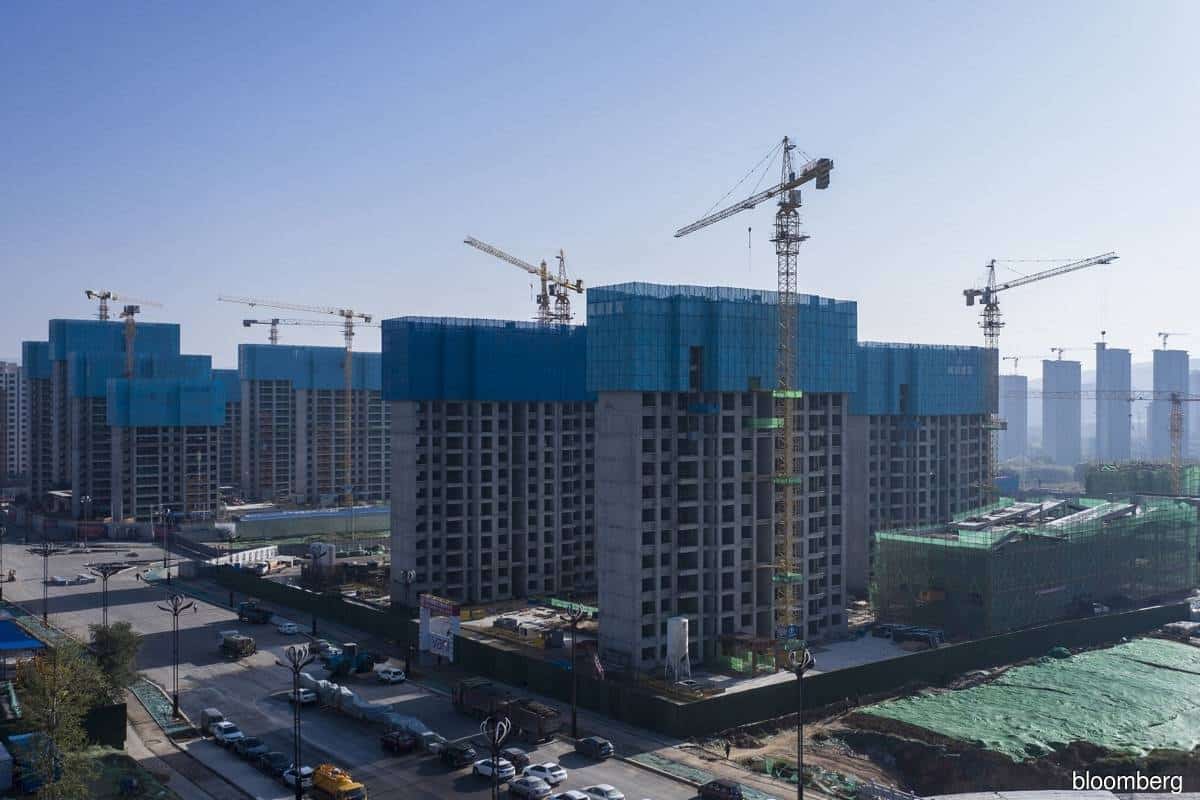
The policymakers are vigilant. According to people familiar with the matter, financial regulators have urged banks to increase lending to builders in order to complete the projects, and officials are even considering granting homeowners a grace period on payments. One bank after another has reassured investors that risks are manageable and their exposure to the delayed projects is minimal, despite a decline in an index of lender stocks.
Shares and bonds of China’s property companies have also been dragged down, including those of some major players that had long been viewed as immune to the sector’s difficulties. “If this trend is left unchecked and continues to snowball, there is a risk that it could lead to a deterioration in the credit profiles of Chinese banks and dampen the recent increase in real estate sales,” said Chang Wei Liang, a macro strategist at DBS Bank.
The boycotts reflect the different risks associated with purchasing a home in China. In many nations, consumers must put down a deposit to secure a housing unit before it is constructed, but they typically do not begin making mortgage payments until they take possession. In China, loan payments begin with the initial down payment and can continue for years if a project is delayed. This pre-sale cash fueled the housing boom of the past decade by allowing developers to begin new projects before old ones were completed. In essence, the builders borrowed from the homebuyers themselves, although they owed them homes rather than cash.
The music began to stop last year as a result of a government crackdown on borrowing by overleveraged firms, resulting in at least 18 defaults on more than US$26 billion of dollar bonds in recent months, including those by Evergrande, Sunac China Holdings Ltd, and Kaisa Group Holdings Ltd, among others. The cash crunch has made it more difficult for developers to complete projects, despite Beijing’s repeated pushes to get construction underway.
China’s property market in decline as wealthy Chinese look abroad for a solution
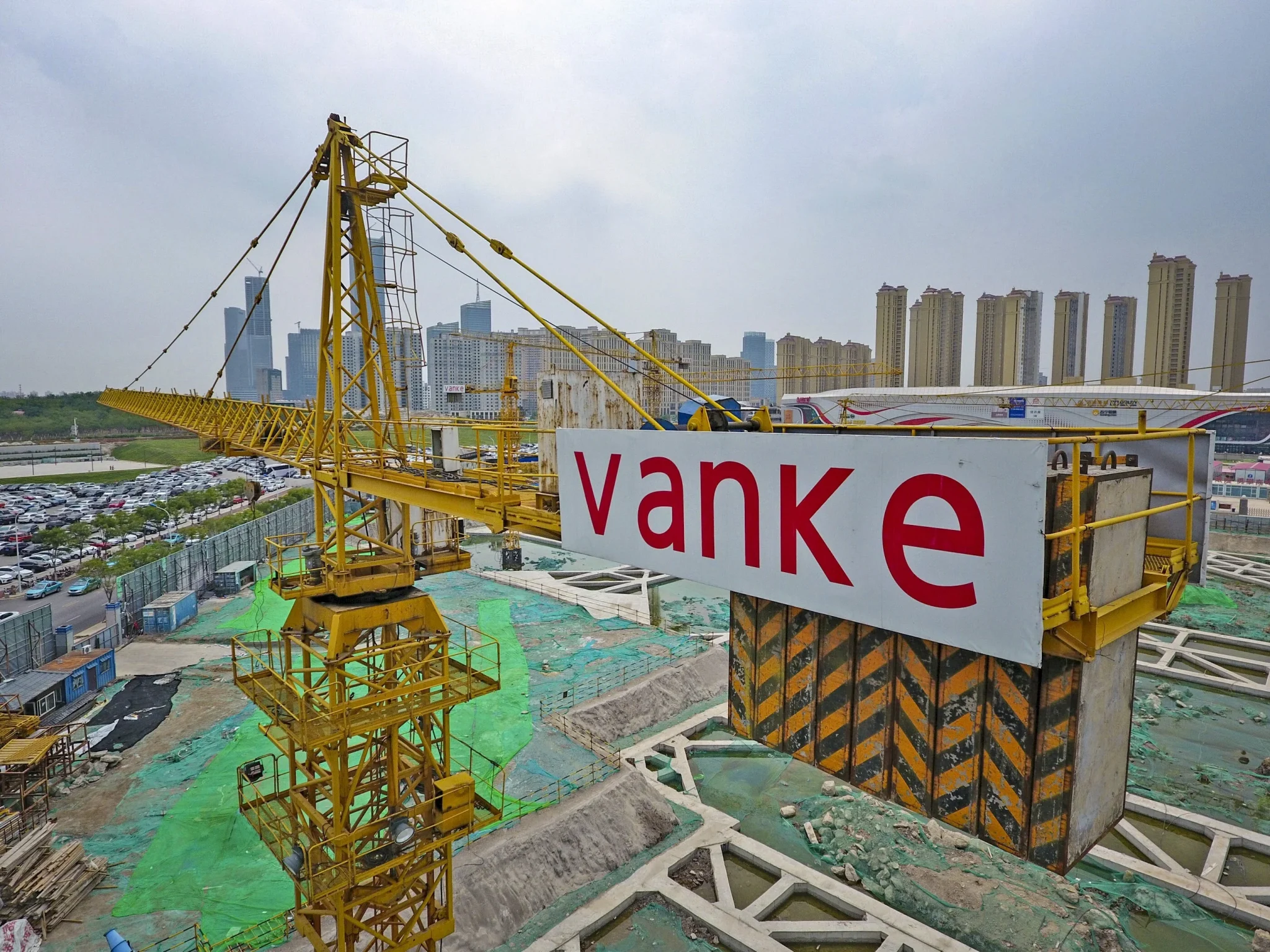
As the Chinese economy slows, wealthy Chinese are looking for investment opportunities outside of China. This is causing a decline in the property market as buyers look to invest elsewhere. While this may be bad news for China’s property market, it could be good news for foreign countries that are seeing an influx of Chinese investment.
How to generate leads for your real estate company?
SHOW UP ON THE FIRST PAGE OF CHINESE SEARCH ENGINE
Being on the first page of Chinese search engines is a crucial factor for generating leads.
In China, there are numerous search engines such as Qihoo 360, Sogou, etc., but there is one you cannot forget: BAIDU (the Chinese equivalent of Google). It captures over sixty percent of traffic.
To achieve a high ranking on the search engine results page, you must include relevant and carefully chosen keywords, ensure your content is accurate and relevant, and implement backlinks. It will increase people’s confidence in your product and improve your website’s search engine rankings.
Our SEO services:

IMPLEMENT A PPC CAMPAIGN ENGINE
In online real estate as well as from the perspective of lead generation, you must be visible at almost any cost… otherwise, prospective clients will never approach you.
PPC campaigns on Baidu complement your SEO efforts admirably. Remember that natural-organic results appear in the second half of the results page, while sponsored results (PPC) appear in the first half. A PPC campaign is an excellent and effective marketing strategy. If you wish to learn more, please contact one of our specialists!
OPTIMIZE THE CONTENT
Relevant, attractive, and accurate content will attract leads. The content of your website should be well-written, error-free, and appealing. From a real estate standpoint, you must provide pertinent information with a wow factor…
This must be appealing, so take care of your images and provide accurate information. Including a video on your website is a simple way to gain attention.
GMA case study
ELLINGTON PROPERTIES, one of the prime real estate companies in Dubai, endeavors to craft beautiful environments for exceptionally high-quality lifestyles. Inspired by art and reflective of their owners’ aspirations, Ellington residences are classic in feel but contemporary of vision canvases to be filled with the experience and exuberance of life.

NORTHACRE LONDON are reviving architecturally significant buildings and creating state-of-the-art new Residential Developments is extremely rewarding. Whatever the scheme, Northacre London creates legacy developments that become important parts of the London landscape.”