Chinese Tourists In France: Exploring The Chinese Love Affair With French Wine Tourism
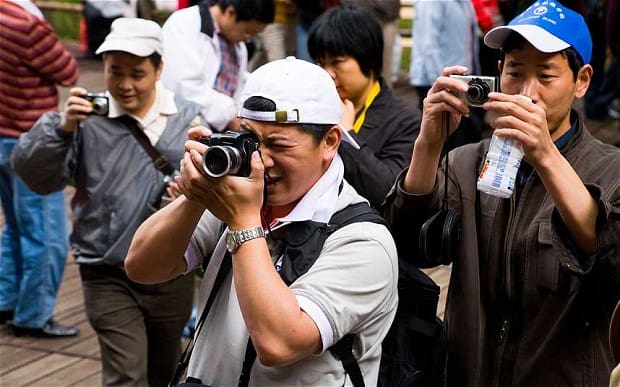
Stumped about why Chinese tourists are flocking to France purely for their fine wines? You’re not alone, it fascinated us too! That’s why we dived into an ocean of research and discovered that the affluent Chinese population is increasingly being drawn by the allure of French wine tourism.
In this blog post, we will unravel the deep-seated reasons behind China’s growing love affair with French wine culture and how it’s transforming local tourism in France. Intrigued yet? Dive in, you’re about to embark on a journey through vineyards that can attract even a few million Chinese tourists each year!
Why do Chinese Wine Tourists Visit France?
As Chinese tourism just relaunched in 2023, in 2019, France was standing as the 6th most visited destination according to TravelGuideChina figures. We can expect many tourist arrivals in 2023 as well, and many wine lovers among them.
The noticeable surge in Chinese tourists flocking to France can be attributed to various influencing factors, all playing a key role in shaping this emerging trend.
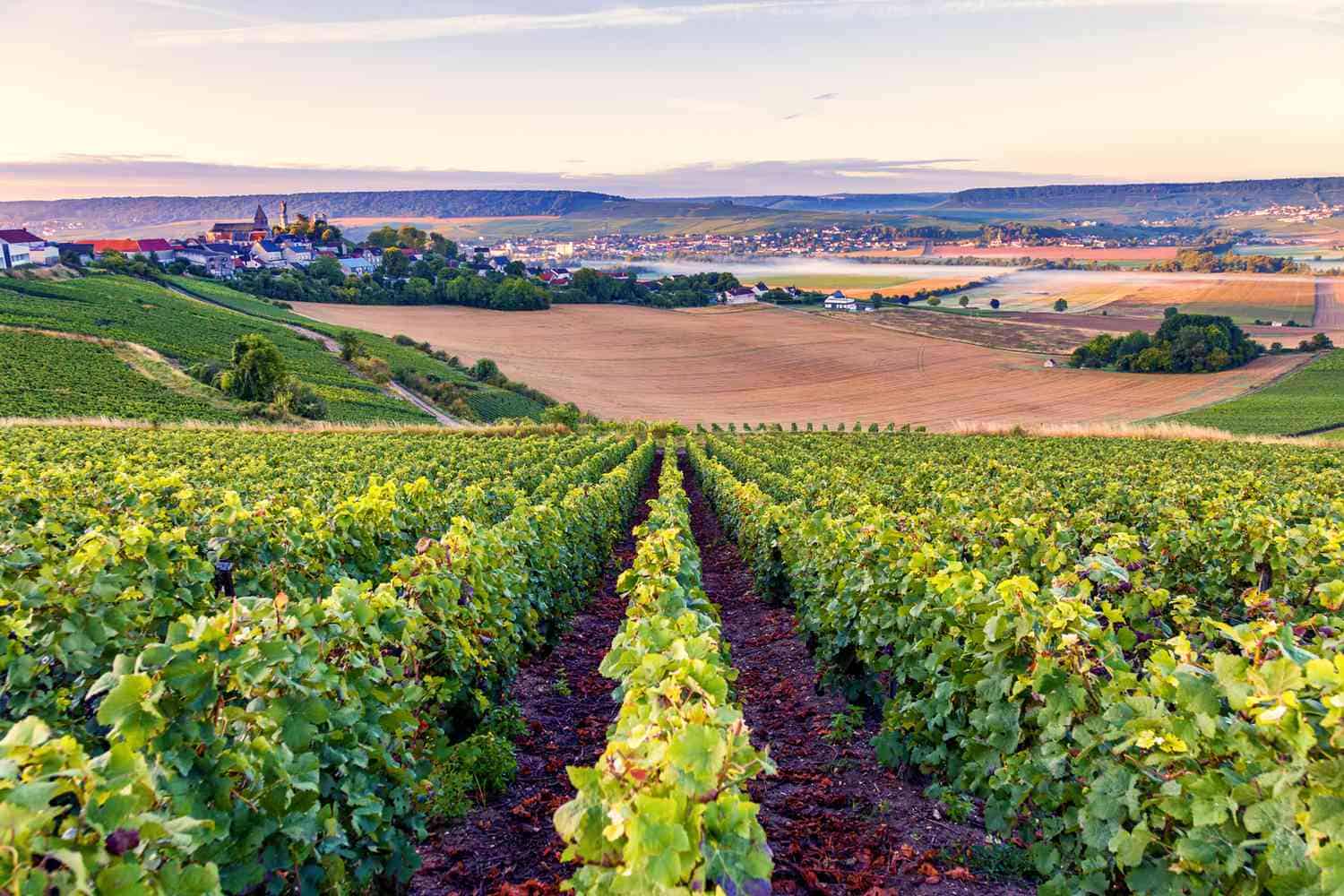
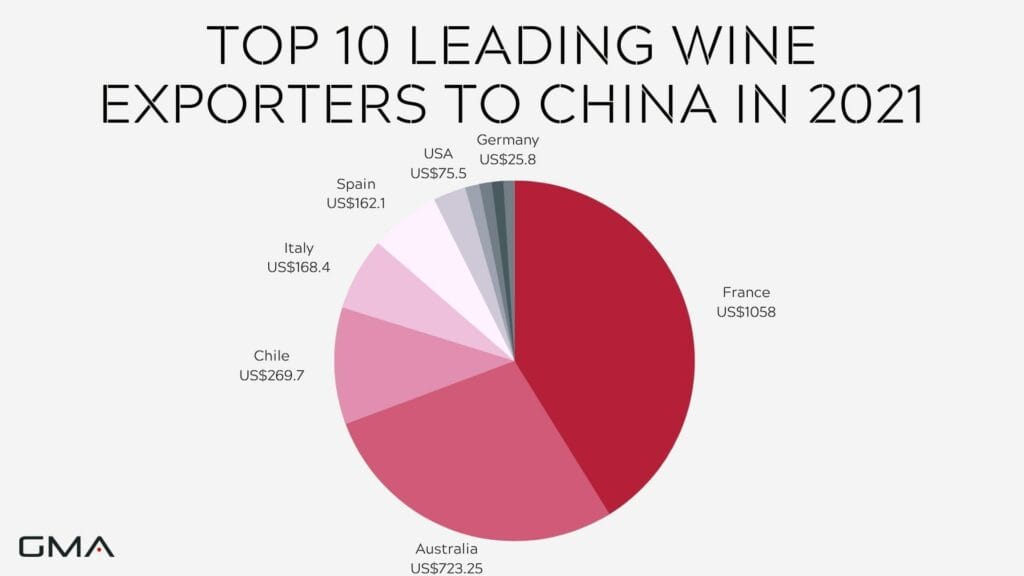
One of the main factors is the booming interest among Chinese travelers in French wine tourism, as French wines are the most favored by Chinese people. They are driven not only to main cities like Paris or Lyon, but also to smaller villages, known for beautiful vineyards and wine tasting.
Chinese tourists are increasingly drawn toward experiential and gourmet travel experiences, reflecting a shift in preferences for unique cultural interactions over traditional sightseeing trips.
Moreover, historical and cultural ties between China and France have proven influential in fostering an allure for French destinations among Chinese travelers. Bordeaux, a world-renowned wine region, consistently tops their preference list thanks to its fine wines and idyllic vineyard landscapes.
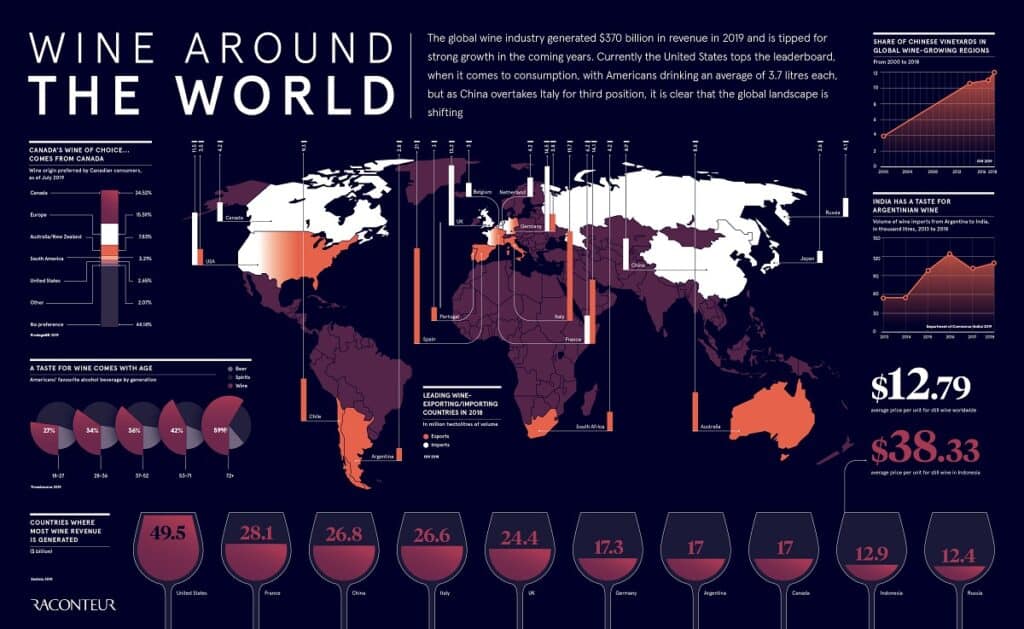
The rich cultural significance of wine in Chinese society, coupled with the perceived luxury and sophistication associated with French wines, add an extra layer of appeal for these travelers.
Interestingly, social media influencers or Key Opinion Leaders (KOLs) have a substantial impact on China’s budding viticulture enthusiasts’ travel choices. These influencers share enticing snapshots of French vineyard visits, and educate followers about various regions’ unique production processes and grape varieties while unraveling the subtle artistry within each bottle.
As a result of this influential platform paired with cash-free payment options offered by French destinations, boosted by supportive policies from both countries – we witnessing an increasing influx of Chinese visitors eager to discover France’s vibrant wine heritage.
The Chinese Love Affair with French Wine
Chinese wine enthusiasts have developed a deep affinity for French wine, perceiving it as a symbol of luxury and sophistication in their society; this love affair has been further fueled by the influence of Chinese social media and influencers who shape their preferences.
How Wine is Perceived in Chinese Society?
In China, wine holds deep cultural significance and has evolved into being more than just a commodity. Wine, particularly French wine, is seen as an emblem of sophistication and luxury in Chinese society.
Its historical value runs deep; central China has revered it for centuries as a precious item. Akin to the social role that Baijiu – a traditional liquor plays, enjoyment of wine symbolizes affability and openness.
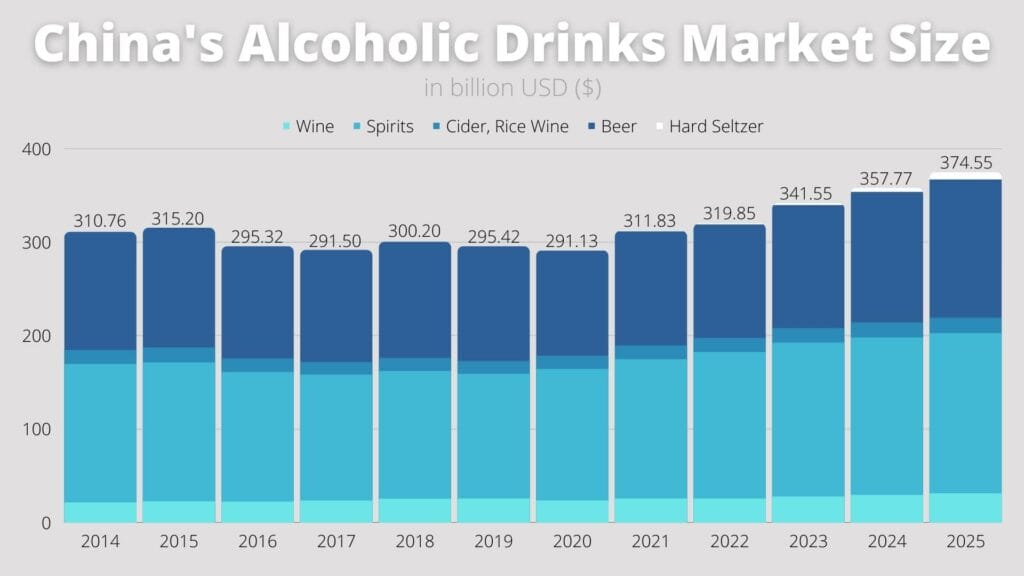
With this backdrop, it’s no surprise that a few million Chinese visitors are seeking enriching experiences surrounding wine during international trips – with France becoming increasingly popular due to its renowned Bordeaux region.
Modern influences such as social media trends have amplified this draw towards French wines as influencers demonstrate the allure of vineyard tours and tasting sessions. This evolving consumer preference within the rapidly growing Chinese market presents new opportunities for French winemakers who can tap into richer elements such as history and culture rather than relying solely on taste or price point competitiveness.
Chinese People Associate French Wine With Luxury and Sophistication
The love affair between Chinese wine enthusiasts and French wines runs deep, fueled by the association of French winemaking with elegance and refinement. Wine is perceived very classy and chic, and as French wine is the most popular type in China, it’s no wonder Chinese or Asian customers want to visit France to taste it firsthand.
In China, wine has become a status symbol and an expression of taste and wealth. This perception is further enhanced by the influence of social media platforms such as WeChat, where Chinese influencers showcase their luxurious lifestyles centered around fine dining experiences featuring French wines.
With this in mind, it’s crucial for brands in the wine tourism industry to tap into this desire for luxury by offering tailored experiences that reflect these perceptions while still providing authentic cultural encounters.
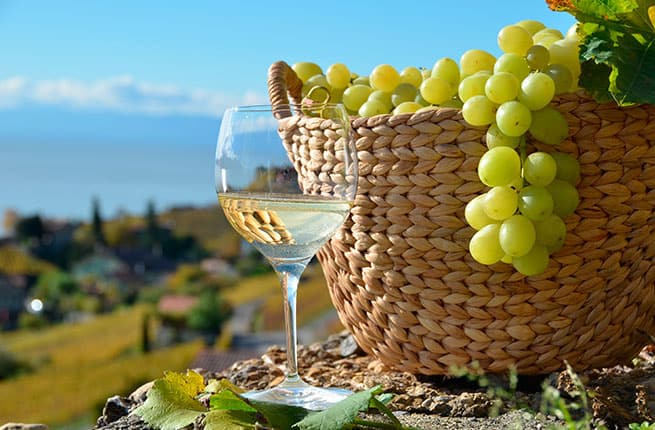
Chinese Social Media Help Raise Awareness About Wine
Chinese social media and influencers play a significant role in shaping the preferences of Chinese consumers when it comes to French wine. With the rise of platforms like Weibo, WeChat, and Douyin (also known as TikTok), Chinese tourists are being exposed to a wealth of information about different wine regions, brands, and tasting experiences.
Influencers who specialize in wine or travel often share their experiences with their followers, showcasing the beauty and sophistication of French winemaking.
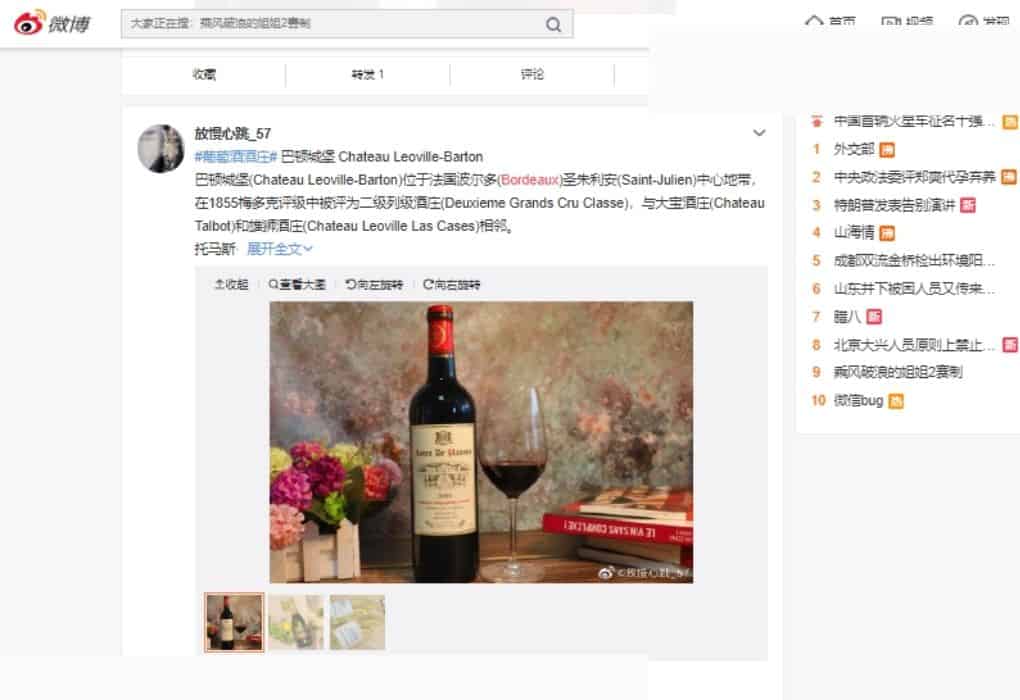
This influence goes beyond just creating awareness; it also impacts purchasing decisions. Chinese consumers rely heavily on recommendations from key opinion leaders (KOLs) or influencers they trust.
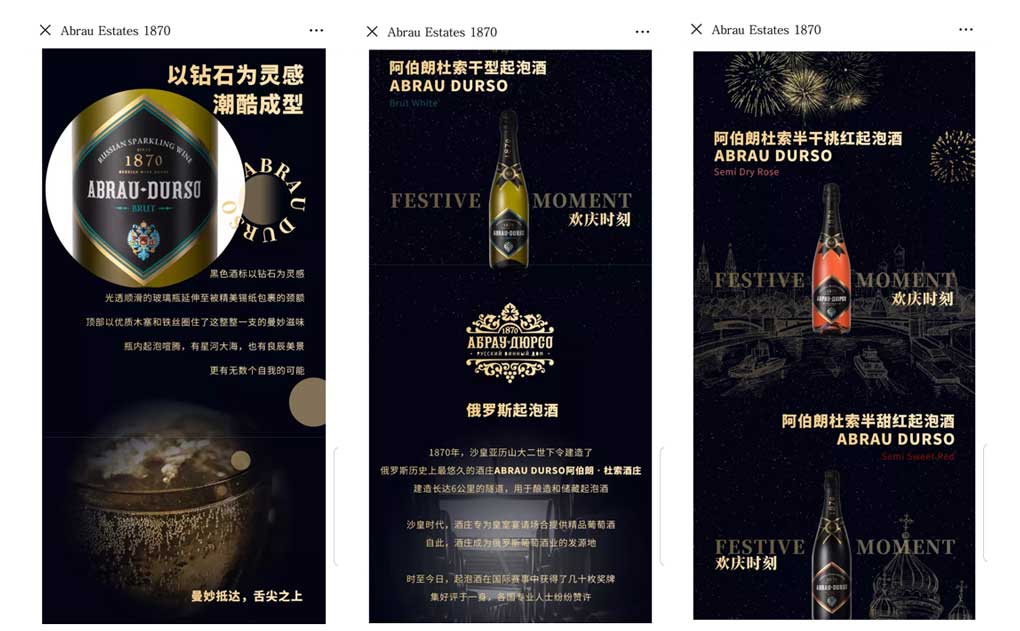
When these influencers endorse specific wines or vineyards, it can significantly impact sales and brand perception. Additionally, visual codes on French wine labels that resonate with Chinese aesthetics are crucial for attracting attention in this market.

French Wine Tourism Experiences for Chinese Travelers
Chinese travelers to France can indulge in a variety of immersive French wine tourism experiences, including wine tastings and vineyard tours, food and wine pairings, as well as engaging wine education workshops.
Wine tastings and vineyard tours
Wine tastings and vineyard tours are an essential part of the French wine tourism experience for Chinese travelers. They allow visitors to immerse themselves in the rich culture and history of French wine while also enjoying the sensory pleasure of tasting exquisite wines.
Wandering through vineyards, they get to appreciate centuries-old winemaking traditions and taste renowned varieties like Bordeaux and Burgundy. Expert guides enhance this sensory journey, providing deep insights into each wine’s unique character and origins.
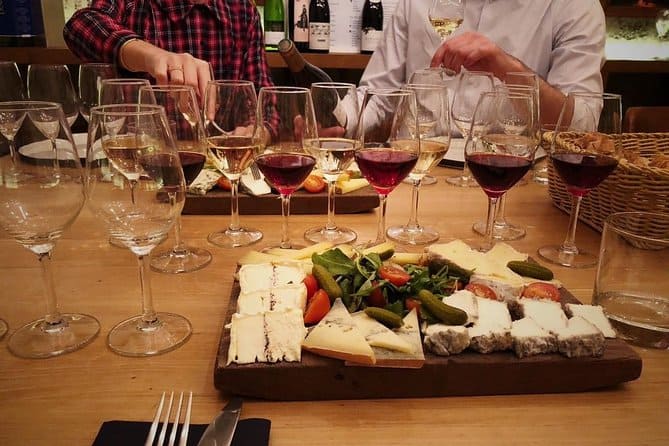
These vineyard tours offer more than just wine tastings. They’re experiences filled with unforgettable moments, cultural insights, and opportunities to bond with fellow wine enthusiasts. Not to mention, these tourists often return home with their favorite French wines, reliving their unique wine tourism experiences with each sip.
The allure of French wine tourism for Chinese tourists thus lies in the complete package – the wine, the culture, the connections, and the memories. On top of that, foreign tourists can explore lesser-known wineries and discover hidden gems in France’s diverse wine regions. They can witness the beauty of picturesque vineyards, soak in stunning landscapes, and gain insights into sustainable farming practices.
Food and wine pairings
Food and wine pairings are an essential part of the French wine tourism experience for Chinese travelers. It’s important to understand the significance and appeal of these pairings to effectively promote wine tourism to this audience.
Imagine savoring a local French dish while sipping a perfectly paired wine. This experience is more than a meal; it’s a sensory journey that amplifies the flavors of both the food and wine. It’s through these pairings that Chinese tourists get to delve into the nuanced flavors and complexities that French wines offer.
But it doesn’t stop at the pairing. Each French region boasts unique culinary traditions and local delicacies. By pairing regional foods with wines, Chinese tourists get a taste of the distinct flavors and traditions of the areas they visit. They get to learn about the history of certain dishes and why they complement specific wines, allowing them to deepen their understanding of French culinary heritage.
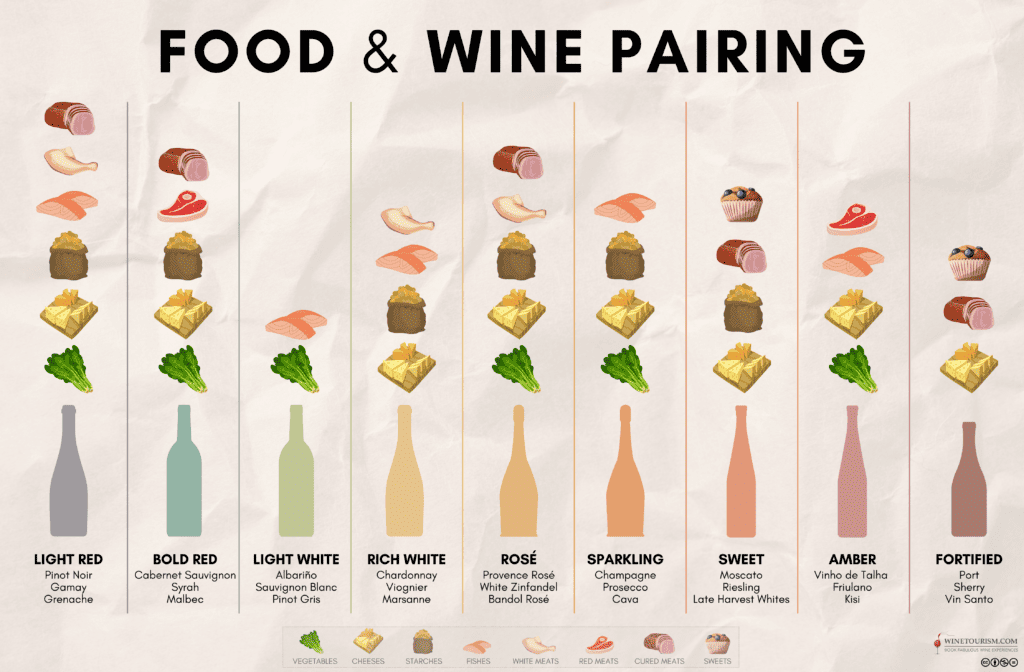
Considering the diverse palates of Chinese tourists (often Chinese art lovers), the range of food and wine combinations ensures there’s something for every taste. Whether it’s a bold Bordeaux with a hearty meat dish or a light and crisp Chardonnay paired with fresh seafood, the possibilities are vast and exciting.
What makes these pairings even more memorable are the interactive elements. These engaging experiences allow Chinese tourists to play an active role in crafting their own unique pairing, creating lasting memories.
Wine education and workshops
We have found that wine education and workshops are a crucial part of the French wine tourism experience for Chinese travelers. Here are some key points to consider:
- Wine education: Providing opportunities for Chinese tourists to learn about the production, tasting, and appreciation of French wines.
- Workshops: Offering hands-on experiences and interactive sessions focused on wine education, allowing tourists to deepen their knowledge and understanding.
- Tailored experiences: Customizing wine tourism offerings to suit the preferences of Chinese tourists, considering their specific interests in different types of wines and regions.
- Enhancing knowledge: Participating in wine education and workshops can help Chinese tourists enhance their knowledge and appreciation of French wines, enabling them to make more informed choices during tastings and purchases.
- Cultural exchange: Wine education workshops also serve as a platform for cultural exchange between Chinese tourists and French winemakers or sommeliers, providing an opportunity to learn about the cultural significance of wine in both societies.
- Building brand loyalty: By offering valuable wine education experiences, French wineries can create lasting impressions on Chinese tourists, leading to increased brand loyalty and potential future purchases.
Challenges and Opportunities in Chinese Wine Tourism
Chinese outbound travel and wine tourism in France present several challenges and opportunities. Language and cultural barriers can hinder communication and understanding, but by customizing experiences for Chinese tourists and collaborating with travel agencies and influencers, these barriers can be overcome.
Language and cultural barriers
China and the West have distinct cultural differences when it comes to wine-related travel.
These differences can affect how Chinese tourists engage with French wine tourism experiences in France. Language plays a significant role, as many Chinese travelers may not be fluent in English or French, making communication difficult.
Cultural norms and customs may also differ, affecting how they perceive and participate in wine tastings, vineyard tours, food pairings, and other aspects of the experience. Overcoming these barriers is essential for attracting independent Chinese travelers and creating customized tours tailored to their preferences.
Customizing experiences for Chinese tourists
Chinese travelers have unique preferences and expectations, and tailoring your offerings to their needs can make all the difference in attracting and satisfying this valuable market segment.
Research shows that Chinese tourists appreciate personalized services, such as Mandarin-speaking tour guides, translated materials, and cultural customs that cater specifically to them. By incorporating these elements into your wine tourism experiences, you can create a memorable journey that resonates with Chinese visitors.
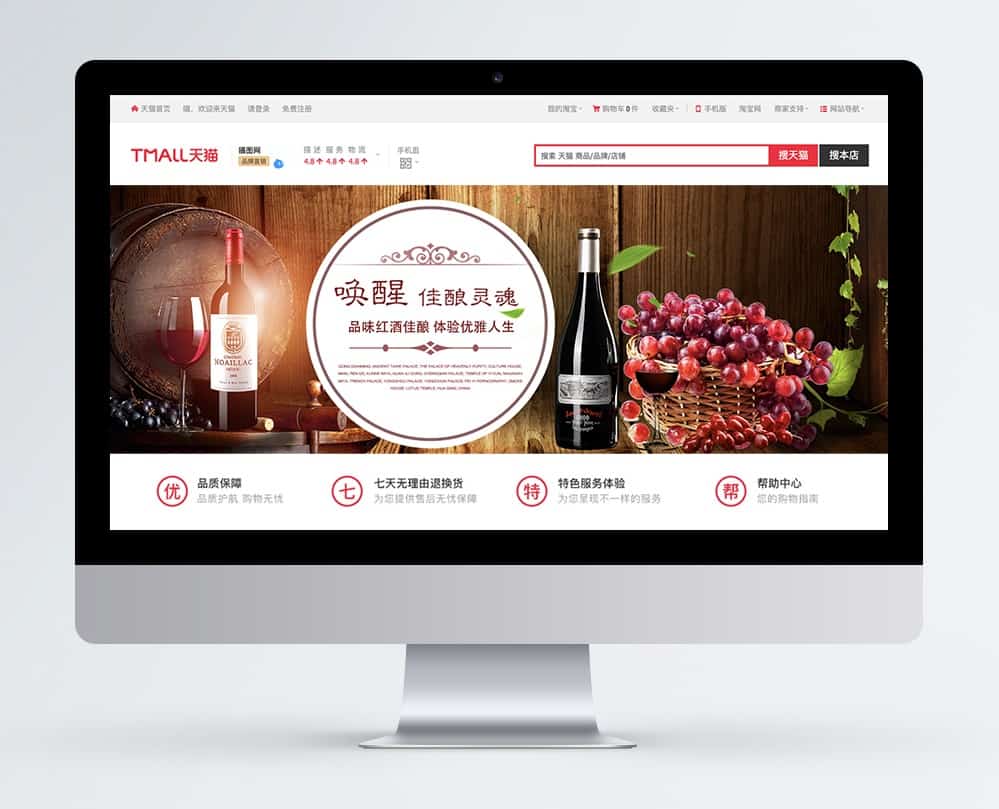
Additionally, offering cash-free payment options like mobile wallets will appeal to tech-savvy Chinese travelers who prefer convenient and contactless transactions. Remember, customization is key in capturing the attention of this growing demographic and creating an unforgettable experience that will keep them coming back for more.
Collaborating with Chinese travel agencies and influencers
Collaborating with Chinese travel agencies and France’s tourism professionals can be a game-changer. These partnerships provide an opportunity to tap into the extensive network and knowledge of local agencies and leverage the influence of popular Chinese personalities.
By working together in the French tourism industry, we can build trust with Chinese travel agencies and ensure that their clients have access to unique and authentic wine tourism experiences.
Chinese tourists are seeking genuine cultural encounters when they visit international destinations. They want to connect with real locals who can introduce them to the wonders of French wine.

Collaborating with trusted travel agencies in Chinese and French cities allows us to offer tailor-made itineraries that delight Chinese travelers with personalized experiences like vineyard tours, food and wine pairings, and educational workshops.
Similarly, partnering with influential individuals in China’s social media landscape can significantly boost awareness of French wine tourism among potential visitors. These influencers, both French and Chinese professionals have a massive following on platforms like WeChat or Weibo, allowing us to reach a broad audience of a million Chinese visitors eager for new adventures.
Key Takeaways
- Chinese tourists are increasingly drawn to French wine tourism, with Bordeaux being a top preference due to its fine wines and idyllic vineyard landscapes.
- French wine is seen as a symbol of luxury and sophistication in Chinese society, leading to a deep affinity for French wines among Chinese consumers.
- Chinese social media platforms and influencers play a significant role in shaping Chinese consumers’ preferences for French wines, impacting purchasing decisions and brand perception.
- Wine tastings and vineyard tours are essential experiences for Chinese travelers in France, allowing them to immerse themselves in the rich culture and history of French winemaking while expanding their wine knowledge.
- Food and wine pairings are also highly valued by Chinese tourists visiting France, offering an opportunity to explore the art of matching different flavors for an enhanced culinary experience.
- Collaboration between French wine tourism and Chinese travel agencies can further enhance the connection between these two industries, presenting promising opportunities for growth in Chinese wine tourism in France.
We are Your Tourism Agency in China!
In conclusion, the rise of Chinese tourism in France has paved the way for a unique and passionate love affair with French wine tourism. Wealthy and well-educated Chinese travelers are exploring the world for new experiences, and their interest in French wine is no exception.
If you’re a French wine tourism operator, the rising interest from Chinese tourists presents a significant opportunity. Our Chinese marketing agency is uniquely placed to help you tap into this trend.

We’re experts in leveraging digital platforms popular in China, such as WeChat and Weibo, to reach this influential market. Chinese tourists are seeking immersive experiences, from exploring lush vineyards to tasting a broad spectrum of French wines.
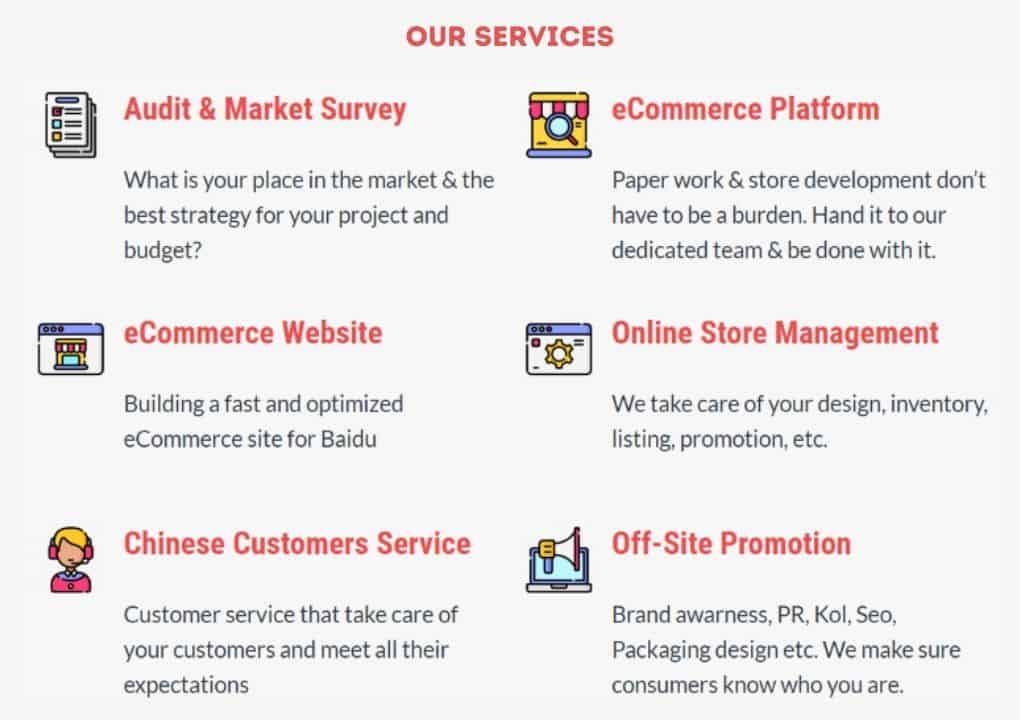
They’re not limited to major cities but are eager to discover the hidden gems in lesser-known regions. We can create targeted marketing campaigns that showcase your unique wine tourism offerings, catering precisely to these preferences.
Let us help you cultivate the Chinese love affair with French wine tourism. Reach out to us today to learn more about our services and how we can assist your business in attracting more Chinese tourists.