
Malaysia and Chinese Tourists in 2026: Recovery, Resilience, and What Comes Next
Pedro Wang, founder of Chinese Tourist Agency, wrote this article. He built Southeast Asia programs at CITS and Ctrip in Shanghai, and has followed Malaysia’s Chinese market from the Genting coach-tour years to today’s Penang food trips.
The Recovery That Surprised Everyone
In 2019, Malaysia welcomed about 3.1 million Chinese tourists. Then 2020 came and the flow collapsed. The comeback, when it came, was faster than almost anyone predicted. But it looks nothing like the original. The Chinese travelers in Malaysia today are more independent, more demanding and harder to reach than the group-tour crowd that once filled Genting and Pavilion KL.
The numbers tell the story:
- 2024: about 3.73 million Chinese arrivals, more than double 2023 and already above 2019.
- 2025: 4.77 million Chinese visitors over the full year, according to Xinhua (28 February 2026), with 716 weekly flights between the two countries.
- January to July 2026: 3.13 million Chinese arrivals, up 15% year on year.
What changed is not just volume. It is who is coming, why, and what they expect when they arrive.
Why Malaysia Is Winning in 2026
Visa-free, both ways. Malaysia first opened visa-free entry to Chinese citizens on 1 December 2023. On 17 July 2025 a mutual visa exemption agreement between China and Malaysia came into force, so Chinese ordinary passport holders can stay up to 30 days per visit without a visa. That certainty matters. Travelers book more easily when they know the rule will not change next season.
Visit Malaysia Year 2026. The government made 2026 a national tourism year, with a target of 47 million international arrivals, as reported by TTG China. Tourism Malaysia publicly aimed for about 7 million Chinese visitors in 2026. Our article on how small businesses are using Visit Malaysia 2026 shows what this looks like on the ground.
Competitors in trouble. Japan lost 56.7% of its Chinese visitors in January to August 2026 (2.90 million versus 6.71 million, JNTO) after the diplomatic tension of November 2025. South Korea’s visa-free scheme for Chinese groups ended on 30 June 2026. Part of that demand moved south. Kuala Lumpur ranked second, behind Bangkok, in Tongcheng Travel’s top 10 outbound destinations for the 2026 National Day holiday, published on 15 September.
Malaysia’s Tourism Minister Tiong King Sing summed up what Chinese travelers now look for: overall quality, safety, easy payment, cultural content and reliable service. Price alone no longer wins.
Who Is Coming Back
The group-tour era is largely over. Chinese travelers arriving in Malaysia today are mostly FIT (Free Independent Travelers): couples, families with children, young professionals on long trips, and a growing number of retirees who discovered slow travel during the pandemic.
Kuala Lumpur still anchors most trips, but Penang has become the sleeper hit. Its food scene, colonial architecture and street art are very shareable on Xiaohongshu, where Penang food notes collect huge numbers of saves. Langkawi attracts the beach-and-nature segment. The Cameron Highlands, once an afterthought, now draws food-focused travelers hunting for tea plantations and strawberries.
A newer pattern: multi-destination trips that combine Malaysia with Singapore or Thailand. Malaysia benefits from its location, but it must market itself as a destination in its own right, not a convenient add-on.
Where Chinese Travelers Discover Malaysia Online
Malaysian tourism marketing to Chinese audiences once relied on KL-based agencies and traditional media. That model has been replaced by Xiaohongshu discovery, Douyin short video and WeChat content.
Key platforms for Malaysia in 2026:
- Xiaohongshu: Penang food, Batu Caves, Petronas Towers and “halal travel in Malaysia” are strong content categories. Muslim-friendly travel is a real differentiator. Malaysia’s halal infrastructure is an advantage for Chinese Hui Muslim travelers from Ningxia, Gansu and big cities, a niche few destinations serve well.
- Douyin: short videos of KL street food markets (especially Jalan Alor) perform strongly. Real food content drives more engagement than polished tourism campaigns.
- Mafengwo and Ctrip: destination guides for KL, Penang and Langkawi are updated by community contributors, and these reviews carry real weight in the planning phase.
If you have no Chinese account yet, start with Xiaohongshu. Our guide to opening a Xiaohongshu account from overseas explains the documents and steps for a Malaysian company.
What Malaysia Gets Right, and What It Still Misses
Malaysia’s natural advantages for Chinese tourism are big. The country has a large ethnic Chinese community, so Mandarin is widely spoken, Chinese food is easy to find, and travelers feel culturally comfortable. Many KL hotels have Chinese-language materials, Chinese TV channels and Mandarin-speaking staff.
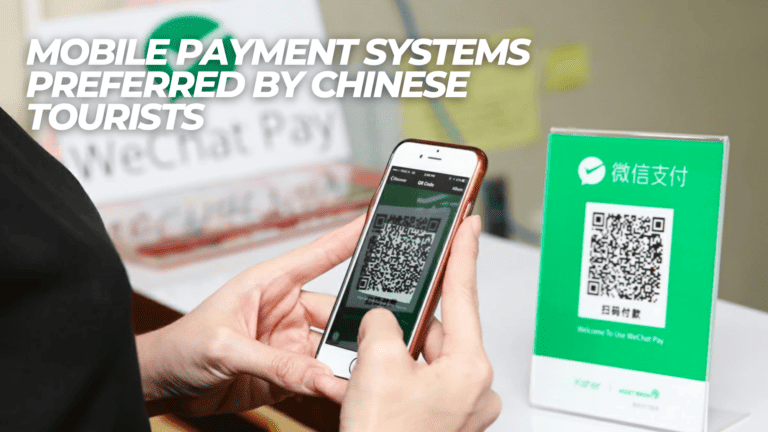
Where Malaysia lags: Alipay and WeChat Pay acceptance outside the main tourist zones is still uneven. Few hotels outside Kuala Lumpur run active Chinese social media accounts. And beyond the national tourism agency, campaigns aimed at specific Chinese segments (luxury, family, adventure, halal) are still rare.
The competition is not standing still. Thailand, with 3.54 million Chinese visitors in January to August 2026 (up 16.05%), invests heavily in Chinese social media. Malaysia needs to compete on specifics. Not just “come to Malaysia,” but “Penang is the best food city in Asia” and “Langkawi is the island Chinese families choose in 2026.”
Solutions: Attracting Chinese Tourists to Malaysia in 2026
1. Lead with food storytelling. Malaysian food culture is one of the country’s strongest exports. Nasi lemak, char kway teow, roti canai, durian season: these stories write themselves on Chinese social media. Partner with food creators on Xiaohongshu and Douyin for destination content, not generic tourism campaigns.
2. Own the halal travel niche. Malaysia’s Muslim-friendly credentials are unmatched in Southeast Asia. Chinese Muslim travelers are underserved. Produce dedicated Mandarin content on halal food trails, mosque visits and prayer-friendly hotel features.
3. Activate Penang as a standalone brand. Penang already has organic momentum on Chinese platforms. George Town’s food, street art and Baba-Nyonya culture are natural content pillars. Penang deserves its own Xiaohongshu and Douyin presence, separate from national messaging.
4. Fix the payment gap outside Kuala Lumpur. Chinese travelers expect to pay with Alipay and WeChat Pay everywhere. In Penang markets, Langkawi beach bars and Cameron Highlands farms, that is not always the case. Our WeChat Pay and Alipay acceptance guide shows how a small business can set it up.
5. Target the “slow travel” segment. Chinese travelers staying 7 to 10 days, renting apartments in Penang and visiting several states, spend a lot but are rarely a target in marketing. Build itinerary content for them. The 30-day visa-free stay makes this segment easier to reach than ever.
6. Time your content to Chinese holidays. Golden Week (1 to 7 October), Chinese New Year and the summer school break drive most bookings. Content should go live four to eight weeks before each, when Chinese travelers search and save.
A Case: A Penang Guesthouse That Stopped Waiting for Groups
Mei Ling runs a 12-room heritage guesthouse in George Town. In 2024 she waited for Chinese tour operators to send groups. None came, because groups no longer book small heritage houses. In 2025 she changed tack. She listed the guesthouse on Ctrip with a full Chinese description, opened a Xiaohongshu account, and posted one note a week: “where locals eat breakfast near my street,” with prices in ringgit and yuan. She added Alipay at the front desk.
By summer 2026, Chinese guests made up about a quarter of her bookings, most of them couples staying four nights or more. Why it worked: her notes answered the exact questions Chinese FITs type into Xiaohongshu before a Penang trip. Specific, local, practical. Like the best user posts about Penang, they sounded like a friend’s advice, not an advert.
FAQ: Chinese Tourism to Malaysia in 2026
Do Chinese tourists need a visa for Malaysia?
No. Since 17 July 2025, a mutual visa exemption agreement lets Chinese ordinary passport holders enter Malaysia without a visa for up to 30 days per visit. Malaysia had already allowed visa-free entry for Chinese citizens since 1 December 2023. Travelers still need a valid passport, a return ticket and the Malaysia Digital Arrival Card filled in before arrival.
How many Chinese tourists visit Malaysia?
About 3.73 million in 2024 and 4.77 million in 2025 (Xinhua). From January to July 2026, Malaysia received 3.13 million Chinese visitors, up 15% on the same period of 2025. China is one of Malaysia’s largest source markets after Singapore.
What payment methods work in Malaysia for Chinese tourists?
UnionPay cards are widely accepted at hotels, malls and tourist businesses in KL. Alipay and WeChat Pay acceptance has grown a lot but is still uneven outside the main cities. Cash in ringgit is still useful in markets and hawker centers.
Which Malaysian destinations are trending on Chinese social media?
Penang (food and heritage), Langkawi (beaches and duty-free shopping) and Kuala Lumpur (Petronas Towers, street food, shopping) perform best. Cameron Highlands and Ipoh are growing niches for travelers who want cooler weather and colonial atmosphere. For more ideas beyond the resorts, read our guide to Chinese tourists in Malaysia beyond the resorts.
Work With Us
We help Malaysian hotels, attractions and tourism brands reach Chinese travelers in 2026: Xiaohongshu content, food and halal creator partnerships, Ctrip listings and WeChat campaigns timed to Chinese holidays. See our Chinese social media marketing services, or contact Pedro Wang’s team to discuss your Malaysia Chinese tourism strategy.





Not only in Malaysia, but it is also all the same in the whole world… Tourists are absent everywhere today and it may engender the closing of several businesses.
But I am sure that after the recovery period, hotels will be full, tourists will be everywhere and businesses will all be very busy!