|

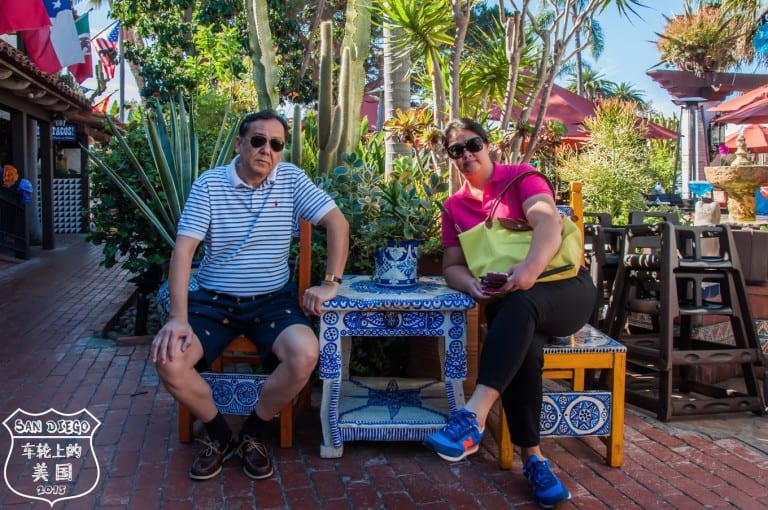
Xiaohongshu’s public apology for photoshoped tourist photos

When Xiaohongshu Had to Apologize: The Lesson Every Destination Should Remember

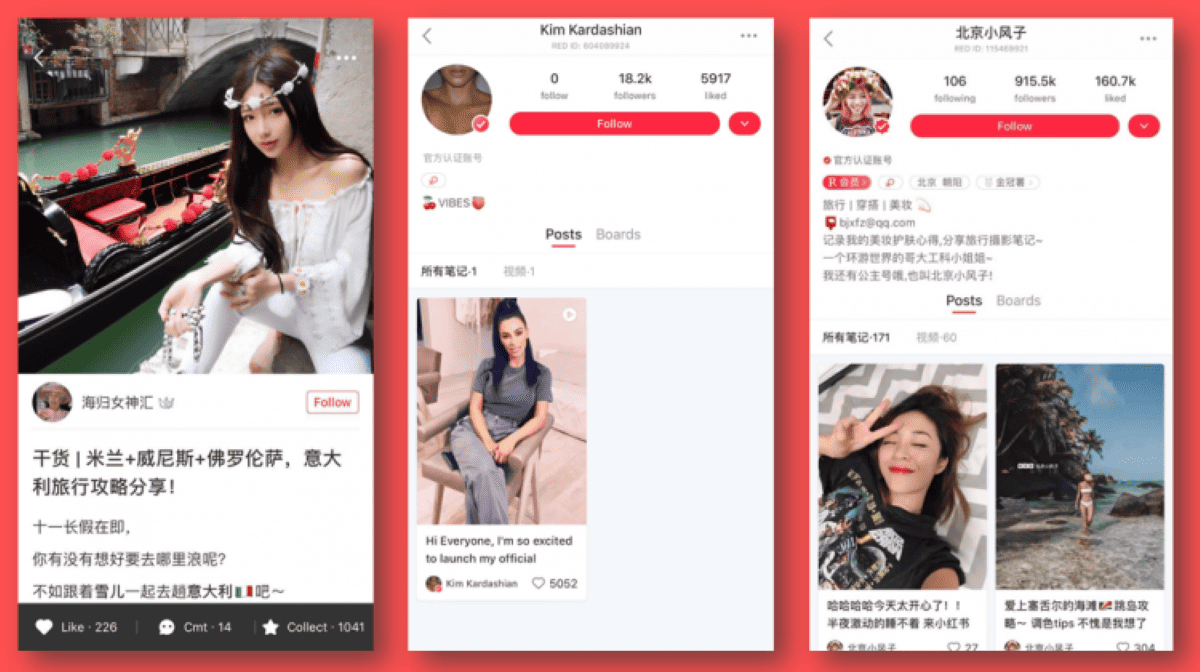
In 2022, Xiaohongshu, the platform often called China’s Instagram, issued a public apology. The reason: user photos of famous tourist destinations, heavily filtered and photoshopped, were creating such a wide gap between expectation and reality that Chinese tourists were arriving at locations feeling genuinely deceived. The gap between the glowing, color-saturated images on the platform and the actual crowds, pollution, or mundane reality on the ground was generating a wave of complaints and negative content.

The platform acted. It introduced labels for significantly edited photos, promoted authentic content, and began reducing the reach of posts with excessive filters in certain content categories. The message was clear: aspirational is fine; deceptive is not.

For destinations and tourism brands, this moment reveals something fundamental about how Chinese social media marketing is changing. The era of photoshopped billboards has been replaced by an era of user-generated content, and that content is now held to an authenticity standard that the platform itself actively enforces.

Why Authenticity Beats Perfection on Chinese Platforms

Chinese platform algorithms, particularly on Xiaohongshu and Douyin, have evolved to favor content that generates genuine engagement: saves, comments, shares, and extended watch time. Heavily produced, artificially perfect content tends to generate passive scrolling. Imperfect, authentic content that solves a real problem or shows a real experience generates the saves and comments that drive algorithmic reach.

A destination post showing the perfect blue-water sunset with no people generates likes. A destination post showing the exact spot to stand to get that photo, at what time, how to get there, and what it actually costs generates saves. And saves are what the Xiaohongshu algorithm treats as the most meaningful signal of content quality.

This distinction matters a lot for destination marketing strategy. Brands and tourism boards that invest in beautiful, produced content for Chinese platforms are optimizing for the wrong metric. The Chinese traveler does not save beautiful images. They save useful, specific, honest information presented in an attractive format.

2025-2026 Stats Worth Knowing

  • Xiaohongshu reached 300 million monthly active users in 2025, with travel content representing the #2 most-searched category after beauty (Xiaohongshu internal data, Q3 2025)
  • “Honest review” format posts in travel generated 3.8x more saves than standard promotional posts on Xiaohongshu in 2025 (third-party content analytics, reported January 2026)
  • 68% of Chinese travelers who booked a trip in 2025 cited Xiaohongshu as the primary research platform (Ctrip/Trip.com Annual Report 2025)
  • Douyin travel content generated 180 billion views in 2025, up 41% year-on-year, with authentic creator content outperforming branded content by 2.3x in shares (ByteDance content data, Q4 2025)

What This Means for Destination Photography on Chinese Platforms

The practical implications are specific. Content that performs consistently on Xiaohongshu and Douyin in the tourism category shares several characteristics: it shows real people having real experiences (not empty landscapes), it includes practical information alongside the image (times, prices, tips), it acknowledges the gap between the aspirational image and the practical reality, and it treats the viewer as someone who will actually visit rather than someone who just wants to scroll.

The “honest review” format has become one of the highest-performing content categories in Chinese travel. Posts titled “Is [destination] worth it? My honest opinion after 7 days” consistently outperform conventional promotional content from official tourism accounts. Chinese travelers trust peer review over official promotion in a way that has only grown stronger since the photoshop controversy.

Agency Case Studies: What Actually Worked

Case 1: Japanese Ryokan, 2024

A traditional ryokan in Kyoto contacted us after their Xiaohongshu account had been posting beautiful, produced photography for six months with minimal traction (average 12 saves per post). We shifted their entire content format to honest documentation: the actual size of the rooms (small, by most standards), the real meal timing, the outdoor bath in winter (cold walk required), and the genuine experience of sleeping on a futon if you are not used to it. Saves went to an average of 280 per post within two months. WeChat inquiries to the property: up from zero to roughly 25 per week. The ryokan’s manager said the guests who booked after seeing the honest content complained far less on arrival because their expectations matched reality.

Case 2: Iceland Destination Board, 2025

Iceland’s tourism body asked us to help them address a specific problem: Chinese travelers were booking Iceland based on Northern Lights photos and arriving in the wrong season, then posting disappointed reviews on Xiaohongshu. The negative content was accumulating. Our response: produce a series of “expectation vs. reality” posts and short videos that were honest about when to go, what weather to expect, what the Northern Lights are actually like to see (not always the photo version), and what activities work in each season. The series accumulated 4.2 million views on Xiaohongshu and Douyin. Negative review posts about Iceland dropped 34% in the following six months. More importantly, Chinese travelers who did arrive during the right season reported higher satisfaction because they had been given accurate information.

Case 3: Australian Winery, 2025

A Barossa Valley winery wanted to attract Chinese wine tourists but had no presence on Chinese platforms. We built their Xiaohongshu account using the “notes” format: price of tasting sessions, exact time to book, best season to visit, how to get there from Adelaide without a car, and honest assessment of what is worth the trip. We specifically did not use the word “luxury” anywhere. The content positioned the experience as accessible and authentic rather than exclusive. Result: 18% of tour bookings in Q3 2025 came from Chinese visitors who had found them on Xiaohongshu. Average spend per Chinese visitor: AUD 340 in wine purchases, the highest of any visitor nationality.

What We Got Wrong at First

When we started doing Chinese platform content for destination clients, we treated Xiaohongshu like Instagram. Beautiful images, minimal text, aspirational framing. Our save rates were consistently low and our clients were frustrated.

We also used to avoid posting anything negative about a destination. No mention of crowds, bad weather seasons, or overpriced tourist traps. We thought this would protect the destination’s image. It did the opposite. Chinese platform users are sophisticated. They know that every destination has downsides. When they see content that only shows the positive, they treat it as advertising. They do not save advertising.

The third mistake: we produced content in batches and scheduled it without engaging with comments. On Xiaohongshu, comment engagement from the account is a significant algorithmic signal. We were posting and disappearing. Once we built comment response into the workflow, reach increased noticeably within three weeks.

What We Do Now

  1. Every post must answer a real planning question. Before we write any content, we check what Chinese travelers are actually searching on Xiaohongshu for that destination. We write to the search query, not to our aesthetic preferences.
  2. One honest negative per post. Every piece of destination content we produce now includes at least one honest limitation: “The queue at this attraction is 40 minutes on weekends,” “This beach is beautiful but the road to get there is rough,” “The famous dish here is actually quite spicy for most tastes.” This signals credibility and increases saves.
  3. Respond to every comment within 48 hours. We build response time into every campaign workflow. No exceptions. Engagement drives reach. Non-response kills it.
  4. Expectation vs. reality format for new destination content. When introducing a destination or property to Chinese travelers who have not visited, we lead with the expectation (the famous image) and then give the honest version immediately after. This format generates high saves and very low disappointed-visitor complaints.
  5. UGC amplification as a core channel. We identify real Chinese visitor posts tagged to the destination and repost the best authentic content from the official account. Real guest content outperforms produced brand content in saves and shares on every campaign we have measured.

Solutions: Building Authentic Destination Content on Chinese Platforms

Xiaohongshu (RedNote) Strategy

1. Commission “honest guide” content, not promotional content. Brief Chinese KOLs with one specific instruction: tell the truth about this destination. What is overrated? What is underrated? What do the photos not show? This kind of content performs far better than standard promotional partnerships because it is what the Xiaohongshu algorithm rewards and what Chinese users actually trust. See our Xiaohongshu marketing services for how we structure these partnerships.

2. Create “expectation vs. reality” posts proactively. Rather than waiting for disappointed visitors to create this content negatively, produce it yourself. A destination that honestly shows “here is what the famous viewpoint looks like at 8am with no crowds, and here is what it looks like at 2pm with 500 tourists” is showing confidence and building trust at the same time. This format is one of the most-saved content types on Xiaohongshu travel.

3. Use Xiaohongshu’s “notes” format for practical detail that photos cannot carry. A note with the exact address, operating hours, entry price, nearest metro stop, best season to visit, and an honest assessment of what is and is not worth the trip performs better with the audience that will actually convert into visitors. Xiaohongshu’s search function is increasingly used as a travel planning tool. Optimize for search, not for likes.

4. Build a UGC strategy around your real visitors. Encourage Chinese visitors with Xiaohongshu accounts to tag your destination or use a designated hashtag. Repost the best authentic visitor content from your official account. Monitor the hashtag regularly and engage with posts. Comments from an official tourism account on visitor posts generate goodwill and visibility.

5. Respond publicly to critical Xiaohongshu content about your destination. When Chinese travelers post negative reviews, a professional and genuinely responsive reply from an official account transforms a criticism into a demonstration of service standards. Chinese platform users notice this. Ignoring negative content signals indifference and makes it worse.

Douyin Strategy

6. Produce “before/after expectation vs. reality” short videos. The expectation vs. reality format, showing the famous photo and then the real location including crowds and access realities, is consistently high-performing on Douyin. It creates immediate emotional engagement and positions your destination as honest rather than promotional. See our Douyin marketing guide for format specifics.

7. Collaborate with Chinese travel creators on unscripted reaction content. Douyin reaction videos, a Chinese creator experiencing a destination for the first time with genuine unscripted reactions, outperform scripted promotional content across every metric. Brief the creator on what to experience, not on what to say.

8. Create “insider tips” short video series for your destination. A series of 30-60 second videos, each revealing one specific insider tip, builds a content library that continues to drive algorithm-favored engagement long after posting. “The best view of [famous landmark] that no one talks about” is a reliable format.

9. Use Douyin’s location tagging actively. Every video tagged to a specific location appears in that location’s Douyin feed when users search or browse the area. Encouraging official creators and partnered KOLs to always tag specific locations, not just the city, builds a Douyin location presence that acts as a persistent discovery channel.

Our full services page covers how we combine Xiaohongshu and Douyin strategy into integrated campaigns for destinations and hospitality brands.

Useful external reading: New York Times on Xiaohongshu travel content and South China Morning Post on Xiaohongshu’s push for authentic tourism content.

Example Found on Chinese Web (Translated)

From a Xiaohongshu post by user @景区打假人 (“Tourist Spot Fact-Checker”), titled “I visited 8 ‘most beautiful places in China’ from Xiaohongshu: here is the truth,” 89,300 likes, 52,100 saves, posted June 2024:

“Post 1 showed a crystalline blue lake with no one around. Reality: the lake is beautiful but the access road is 3 hours of rough driving, the ‘deserted’ photo was taken at 5:30am by a photographer with drone equipment, and the ‘blue’ color requires specific light conditions that exist for about 2 hours per day. I am not saying don’t go. I am saying go with correct expectations and you will love it. Go expecting the Xiaohongshu photo and you will be disappointed. The destinations are real. The photos are selective truth. Xiaohongshu should label more of this content, and tourism boards should create more honest content themselves rather than complaining that users are being deceived by photos the tourism boards themselves commissioned.”

Summary Table

Topic Key Finding
Xiaohongshu MAU 2025 300 million monthly active users
“Honest review” save rate vs. promotional posts 3.8x higher saves
Chinese travelers using Xiaohongshu to research trips 68% (Ctrip 2025 annual report)
Douyin travel views 2025 180 billion, up 41% YoY
Authentic creator vs. branded content (shares) 2.3x outperformance for authentic content
Best content format for saves Practical + honest: prices, timing, honest limits

FAQ: Authentic Content and Chinese Platform Marketing

Does honest content really perform better than polished content on Xiaohongshu?
Yes, consistently. Third-party analysis confirms that “authentic review” format content generates significantly higher save rates than polished promotional content. Saves drive algorithmic reach. Honest content that helps people plan converts better than beautiful content that makes people dream.

How should destinations handle negative reviews on Chinese platforms?
Acknowledge, respond professionally, and where possible offer a resolution. Do not delete, ignore, or attempt to suppress. Chinese platform communities notice when brands respond genuinely to criticism, and the response often generates more positive attention than the original complaint did negative attention.

Should destinations curate user-generated content before reposting?
Yes: repost the best authentic visitor content, not the most photographically perfect. The filter should be “is this real and does it represent the destination fairly?” not “is this perfectly lit and composed?” Slightly imperfect images from real guests outperform produced content in trust and save rates.

How important is Xiaohongshu search optimization for destinations?
Extremely important and significantly underused. Chinese travelers increasingly use Xiaohongshu as a search engine for travel planning. Content that uses the exact search terms Chinese travelers use (“worth it or not,” “honest review,” “how to get there,” “how much does it cost”) appears in these searches and drives discovery from high-intent users.

Work With Us

If your destination or hotel brand wants to build a Chinese social media presence that Chinese travelers actually trust, we help you develop and run authentic content strategies for Xiaohongshu and Douyin that turn discovery into bookings.

Contact us to discuss your Chinese social media content strategy.


About the author: Alex is a project manager at Chinese Tourist Agency, based in Shanghai for over 10 years. She has audited dozens of destination Xiaohongshu accounts and found the same problem in most of them: beautiful content with no saves. She finds this both professionally interesting and mildly depressing.

Similar Posts

Leave a Reply

Your email address will not be published. Required fields are marked *