Why Chinese enjoy travel to Thailand ? (+Business Tips Bonus)
Thailand is gearing up to enhance its appeal to Chinese tourists in 2024, recognizing the pivotal role of tourism in its economy. With an emphasis on offering top-notch services, Thailand is poised to attract visitors, particularly from China. This strategic move was discussed at the Thailand Tourism Forum 2024 in Bangkok, where industry leaders and scholars convened to share their insights on fortifying Thailand’s tourism sector.
Chinese tourists in Thailand Key Points:
- High Standards for Services: Thailand is committed to providing tourists, especially those from China, with an elevated experience. This will include seamless entry procedures, comfortable accommodations, and delectable cuisine.
- Crucial Role of Tourism: Nithee Seeprae, the Deputy Governor for Marketing Communications at the Tourism Authority of Thailand, underscored the significance of tourism in Thailand’s economy. China has consistently been one of Thailand’s largest source markets for tourists.
- Visa Exemption: To remove a barrier for potential visitors, Thailand has decided to permanently waive visa requirements for Chinese citizens, starting from March 1, 2024. This change follows a prior temporary visa waiver.
- Localized Experiences: Apart from simplifying travel logistics, Thailand intends to offer visitors authentic local experiences, showcasing its rich culture and diverse culinary offerings. These factors contribute to creating memorable lifestyle experiences.
- Tourist Arrivals: In 2013, Thailand welcomed 28 million foreign tourists, with significant numbers coming from Malaysia and China. The latter was one of the two largest source markets.
- 2024 Target: Thailand aims to recover its tourism sector by targeting 8 million tourists from China this year, representing a 75 percent rebound compared to the 11.1 million Chinese tourists recorded in the pre-pandemic year of 2019.
5 reason why Chinese enjoy travel to Thailand
Thailand an attractive tourism destination for Chinese tourists:
- Scenic Beauty and Beaches: Thailand is renowned for its breathtaking natural landscapes, pristine beaches, and crystal-clear waters. Popular destinations like Phuket, Krabi, and Koh Samui offer Chinese tourists the opportunity to relax on white sandy beaches, enjoy water sports, and soak in the tropical paradise.
- Rich Cultural Heritage: Thailand boasts a diverse cultural heritage with ancient temples, historic sites, and vibrant festivals. Chinese tourists can explore iconic landmarks like Wat Pho, Wat Arun, and the Grand Palace in Bangkok, as well as experience traditional Thai customs and festivals.
- Delicious Cuisine: Thai cuisine is beloved worldwide, and Chinese tourists can savor a wide range of flavors, from spicy street food to gourmet dining. Dishes like Pad Thai, Tom Yum Goong, and Green Curry are popular choices, and Thailand’s street food scene offers a culinary adventure.
- Shopping Extravaganza: Thailand is a shopping paradise with bustling markets, luxury malls, and street-side stalls. Chinese tourists can shop for a variety of items, including clothing, electronics, handicrafts, and souvenirs. Don’t forget to explore famous markets like Chatuchak Weekend Market in Bangkok.
- Warm Hospitality: Thai people are known for their warm and friendly hospitality, which creates a welcoming atmosphere for Chinese tourists. Visitors often find it easy to connect with locals and immerse themselves in the vibrant culture of Thailand.
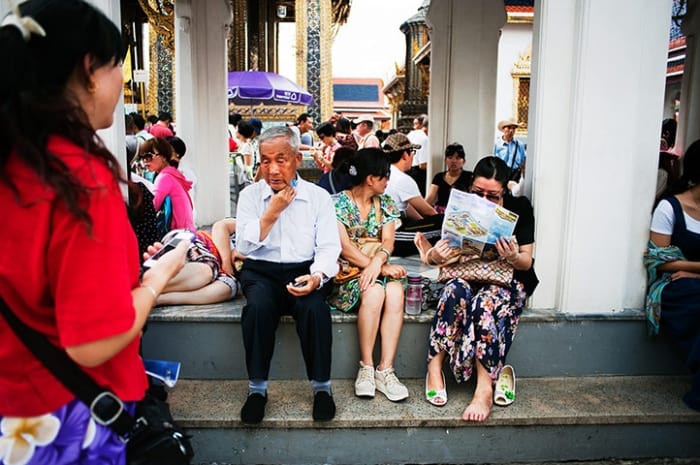
Thailand Photo of Chinese travellers
Photograph: Nana Chen for the Observer












Lost in thailand has influenced their Decision..
Promotion of Thailand in China
In a move to demonstrate the enthusiasm and willingness to welcome and facilitate Chinese tourists in the country, Thailand held a special ceremony to meet and greet 500 passengers arriving at Suvarnabhumi Airport in Bangkok with China Southern Airlines flight CZ357 Guangzhou and Thai Airways International flight TG8085 Shanghai.
Business Tips : How small Businesses can attract Chinese tourists
To attract Chinese tourists effectively, you can implement the following top marketing strategies:
- Leverage Social Media Platforms (Little Red Book and Douyin):
- Create engaging content on platforms like Little Red Book (Xiaohongshu) and Douyin (TikTok) to showcase your destination or business.
- Utilize influencer partnerships to reach a wider audience and gain credibility.
- Use trending hashtags and challenges to increase visibility and user engagement.
- Engage on Chinese Travel Forums:
- Participate in popular Chinese travel forums like Mafengwo and Qyer, sharing insightful travel tips, recommendations, and local insights.
- Respond promptly to inquiries and maintain an active presence to build trust and a positive reputation among potential travelers.
- Optimize for Baidu SEO and Website Localization:
- Invest in Baidu SEO to improve your visibility on China’s most widely used search engine.
- Develop a user-friendly, mobile-responsive website with simplified Chinese content, easy navigation, and fast loading times.
- Ensure essential information, such as travel itineraries, booking options, and contact details, is readily accessible.
- Collaborate with B2B Travel Agencies:
- Form partnerships with Chinese travel agencies and tour operators to feature your destination or services in their itineraries.
- Offer special packages or incentives for group bookings to attract tourists in larger numbers.
- Provide comprehensive information and support to travel agencies for a seamless booking process.
- Cultivate an Online Reputation and Reviews:
Read more
More and more flights to Thailand in 2024
Volunteers who run Chinese tourists to a line of vehicles for tours Now visitors are limited to enter through one door opened by speaking Mandarin. Individual visitors are prohibited, and a sign leading Chinese characters asking that passports be produced is displayed by the door.
The Potential of Chinese Travellers in the world
With their soaring economy, mainland China have become the most common traveler’s world in the world, with more than 100 million should go abroad this year. In 2012, they surpassed the Americans and the Germans as the largest international consumers, according to the World Tourism Organization.
More news about Chinese tourism on LInkedin
How to Attract Chinese Tourists Through Little Red Book App?
Douyin Marketing, The Best Way to Promote Destination Travel
Do you need an efficient Partner in China?

Forming a partnership with GMA (Gentlemen Marketing Agency) in China is akin to discovering a hidden treasure chest for small businesses seeking to make their mark in the Chinese market. Here are five exclusive reasons why such alliances can be a game-changer:
- Cultural Mastery and Savvy: GMA, rooted in China, boasts a profound understanding of the intricate tapestry of Chinese culture. Their expertise in deciphering consumer behavior and navigating market nuances is akin to having a trusted local guide on your entrepreneurial journey.
- Nurtured Local Bonds: Within the labyrinthine corridors of the Chinese tourism and business sectors, GMA has carefully cultivated invaluable relationships. Partnering with them unlocks doors to influential circles, including well-connected travel agencies, trendsetting influencers, and influential decision-makers.
- Tailored Enchantment: GMA’s magic lies in crafting marketing spells that are tailor-made for the discerning gentlemen’s market in China. They have an uncanny ability to discern the unique desires of this niche and conjure campaigns that resonate on a profound level.
- Smoother Market Ingress: For small businesses, the labyrinthine maze of market entry in China can be intimidating. GMA, with their insider knowledge, can help you navigate the labyrinth with ease. They provide the compass of regulatory compliance, the lantern of market research, and the key to effective product localization.
- Cost-Efficiency Redefined: Small businesses often grapple with budget constraints when venturing into new territories. With GMA as your trusted ally, you’re not just saving money; you’re investing it wisely. Rather than pouring resources into establishing an independent marketing infrastructure, you can harness GMA’s existing arsenal, allowing you to allocate resources judiciously.
In summary, joining forces with GMA, a specialized agency with a focus on China’s gentlemen’s market, is akin to uncovering a bespoke treasure map to the heart of the Chinese market. This partnership not only amplifies your access but also unveils the secrets of successful engagement with your target audience, making it a truly extraordinary opportunity for small businesses.