What Chinese support tool do hotels use to improve communication?
Chinese travelers expect you to meet them where they are. That means the right tools, the right language, and the right channels. A Mandarin-language website alone is not enough. You need to be present and active on the platforms Chinese tourists use every day before, during, and after their trip. Here is the complete toolkit.

Three numbers that explain why this matters:
- WeChat has over 1.3 billion monthly active users, with Chinese hotels and tourism businesses using it as their primary communication tool with guests.
- Xiaohongshu (RED) users spend an average of 35 minutes per day on the app, with travel content among the top categories by engagement.
- Douyin’s travel content generated over 450 billion views in 2024, making it the single largest travel content platform in China by volume.
The Four Tools Hotels Need for Chinese Guest Communication
1. WeChat
WeChat is not just a messaging app. For Chinese travelers, it is the main interface for daily life: payments, bookings, news, communication, shopping. Your hotel should have a WeChat Official Account that is active and responsive. Use it for booking confirmations, pre-arrival tips, stay updates, and post-stay follow-up. Chinese guests who can reach you on WeChat feel more comfortable. Those who cannot often book somewhere else.
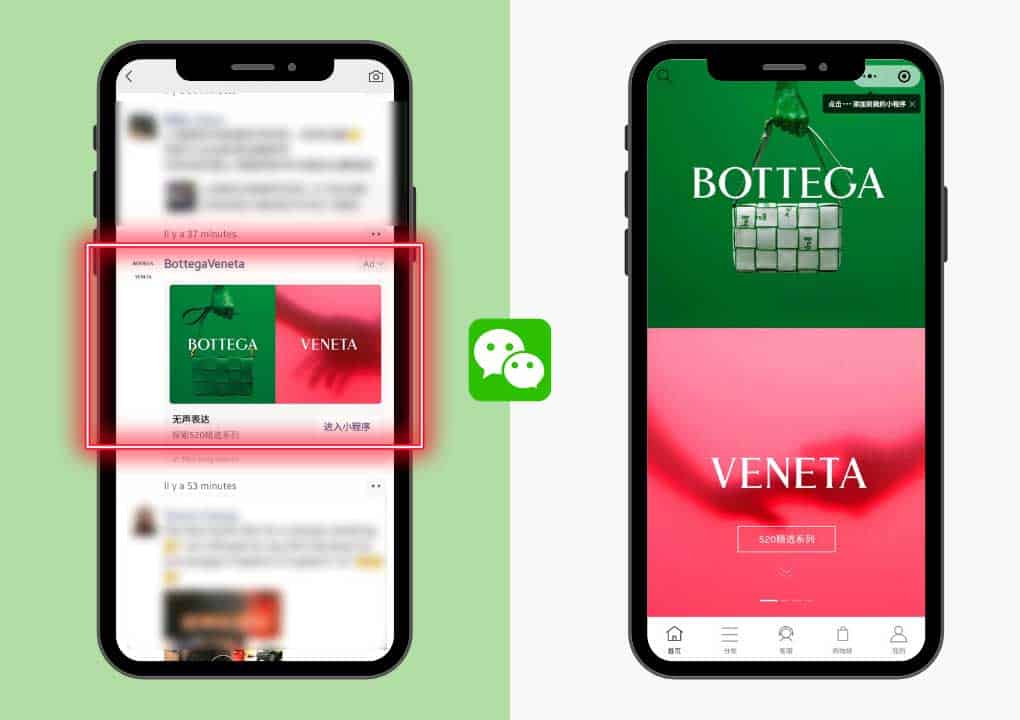
WeChat Official Accounts let you send broadcast messages (like newsletters), support rich media content, and integrate direct booking and payment through Mini Programs. The setup requires a Chinese business entity or a partner who can apply on your behalf, but the investment is worth it for any hotel serious about this market.

2. WeCom
WeCom is the business version of WeChat. It gives your team organized channels for internal communication, customer relationship management, and direct integration with your WeChat Official Account. For hotels managing multiple guests and tour operator relationships at once, WeCom keeps everything professional and trackable. Operators in China use WeCom specifically because they need the accountability features it provides. If you want to work with Chinese B2B partners at scale, WeCom is where those relationships are maintained.
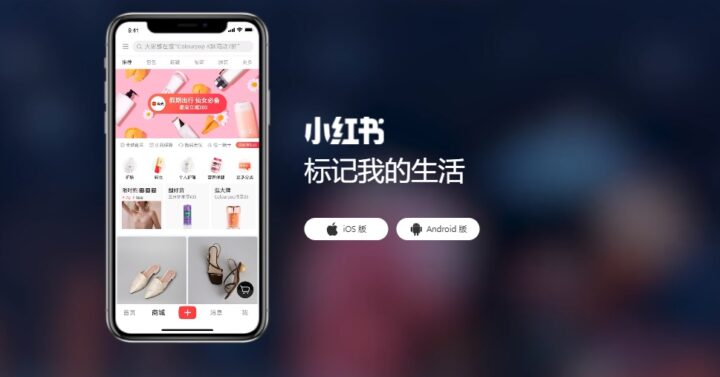
3. Xiaohongshu (RED)
RED is where Chinese travelers build their destination wish lists and make final decisions about where to stay. They trust real reviews and real photos from other travelers far more than official marketing. For a hotel, this means two things: building your own account with regular, visually strong posts, and creating conditions where your guests want to post about their stay.
Post twice a week at minimum. Show off genuine experiences: the view, the food, the service moments, the local area. Respond to comments. Encourage guests to tag you. Run exclusive offers for RED followers. Over time, this builds the kind of credible presence that converts research into bookings.
4. Douyin
Douyin is your awareness channel. Chinese travelers discover hotels on Douyin, then go to RED to verify, then book on Ctrip or your website. Short videos showing the hotel’s personality, the rooms, the dining experience, the view, do the work here. Authenticity matters more than production quality. A genuine 30-second clip of a sunrise from the terrace will outperform a polished two-minute commercial.
Post consistently. Use trending audio. Engage with comments quickly. Run In-Feed Ads to extend reach beyond your existing followers. Partner with travel KOLs who already have the audience you want.
The Biggest Mistake Hotels Make
Thinking that a Chinese-language website is enough. It is not even close. Chinese guests expect you to be present on their daily channels. WeChat for conversation, WeCom for professional business relations, RED for visual trust-building, and Douyin for initial discovery. Missing any one of these creates a gap that a competitor will fill.
According to Xinhua, Chinese outbound tourists in 2024 reported that over 80% of their hotel research happened on mobile apps before they even arrived at the destination. The hotel that shows up on those apps, in their language, with content they recognize and trust, is the one that gets the booking. Mafengwo data confirms that hotels with active Chinese social media presence receive three times more organic mentions from Chinese travelers than those without.
WeChat in Depth: What Your Official Account Can Do
A WeChat Official Account is more powerful than most hotels realise. Here is what it unlocks:
- Broadcast messaging: send updates, offers, and news directly to your followers, like a newsletter that actually gets read.
- Rich content: articles, videos, images, links, and custom buttons. Show your hotel, tell your story.
- Mini Programs: a booking system, a loyalty program, a local guide, all living inside WeChat without requiring a separate app download. Chinese guests can book directly in three taps.
- WeChat Pay integration: accept payments directly through the app. Chinese travelers expect this option and trust it more than entering card details on a foreign website.
- Moments advertising: targeted ads that appear in the WeChat news feed, reaching users who match your target guest profile.
- Customer service via chat: instant messaging with guests before, during, and after their stay. Problems resolved on WeChat before they become public reviews.
Why Your Chinese Digital Presence Matters
Communication tools and content platforms work together. Here is the full picture:
- Chinese website with ICP license and China hosting (Alibaba Cloud or Tencent Cloud): the foundation. Fast loading, Chinese language, credible official presence.
- Douyin: discovery. Chinese travelers find your hotel through video content.
- Xiaohongshu (XHS/RED): trust. Real reviews and photos convert interest into booking intent.
- Baidu SEO and PPC: search. Travelers with active intent find you when they search.
- WeChat: loyalty and communication. Direct channel to guests before, during, and after their stay.
Read our full WeChat marketing guide for setup details and strategy. Our Xiaohongshu marketing guide covers the trust-building side. See all our services at chinesetouristagency.com/our-services.
Quick Reference: Chinese Communication Tools for Hotels
| Tool | Primary Use | Key Feature |
|---|---|---|
| WeChat Official Account | Guest communication, loyalty | Broadcast messaging, Mini Programs, Pay |
| WeCom | B2B and team management | CRM integration, operator relations |
| Xiaohongshu (RED) | Trust and research | Real reviews, visual content, UGC |
| Douyin | Discovery and awareness | Short video, algorithm reach, ads |
FAQ
Can I manage WeChat for my hotel without a Chinese business entity?
A Subscription Account (the simpler type) can sometimes be registered by international businesses, but Service Accounts and Mini Programs typically require a Chinese business license or working through a registered Chinese partner. Many international hotels work with a China marketing agency that holds the necessary registrations and manages the account on their behalf. This is actually the recommended approach for most hotels outside China, as it also ensures the account is managed by people who understand the platform norms and can communicate naturally in Mandarin.
What is the difference between WeChat and WeCom for hotels?
WeChat is the consumer-facing platform where you communicate with guests. WeCom is the business version used for internal team coordination and B2B relationships. For most hotels, both are relevant. WeChat handles the guest experience side: pre-arrival messaging, in-stay support, post-stay follow-up. WeCom handles the business side: coordinating with tour operators, managing team communication, and maintaining professional relationships with Chinese travel trade partners. The two work together and share a connected ecosystem.
How often should we post on Douyin and Xiaohongshu?
For Douyin, aim for three to five posts per week when starting out. The algorithm rewards consistency and penalises long gaps between posts. For Xiaohongshu, two to three posts per week is a good baseline. Quality matters more on RED than on Douyin. A well-shot photo with an honest, interesting caption will outperform a rushed post. Track your analytics monthly and adjust based on what type of content gets the most saves and comments, which are the strongest engagement signals on both platforms.
Do Chinese travelers really use WeChat Pay for hotel bookings?
Yes, and increasingly so. Many younger Chinese travelers do not carry credit cards or prefer not to enter card details on unfamiliar international websites. WeChat Pay and Alipay are the default payment methods for a large proportion of Chinese consumers. Hotels that accept these payment options see meaningfully higher booking conversion from Chinese guests. The integration is straightforward through your WeChat Official Account or a payment gateway that supports Chinese payment methods. The setup cost is low relative to the revenue uplift it generates.
Meet Chinese Travelers Where They Are
The tools exist. The platforms are well-established. What separates hotels that win Chinese bookings from those that do not is showing up consistently on the channels Chinese travelers actually use. Build the presence, use the tools, and make it easy for them to choose you. Visit our services page to see how we help hotels build exactly this kind of presence in China.
Marcus Zhan, associate director at GMA (a separate Shanghai agency), writes here as a guest expert. He has over 10 years of experience helping international brands grow in China. He specializes in Douyin, Xiaohongshu, and Chinese SEO.