Virtual Tourism in China: New Experience to Attract Tourists
Virtual tourism has been making waves around the world. Simply put, it lets people explore far-off places without ever leaving their living rooms. This digital travel experience is now catching on big time, increasing online bookings by an average of 85%.
China is a big player in this. Known for its huge number of tourists who love to explore the world, the Chinese market is also quick to catch on to new tech trends. And when these tourists started showing interest in virtual travel, the world took notice. .
In this article, we’ll dive into how virtual tourism is growing and why the Chinese market is such a key part of its rise.
What Is Virtual Tourism?
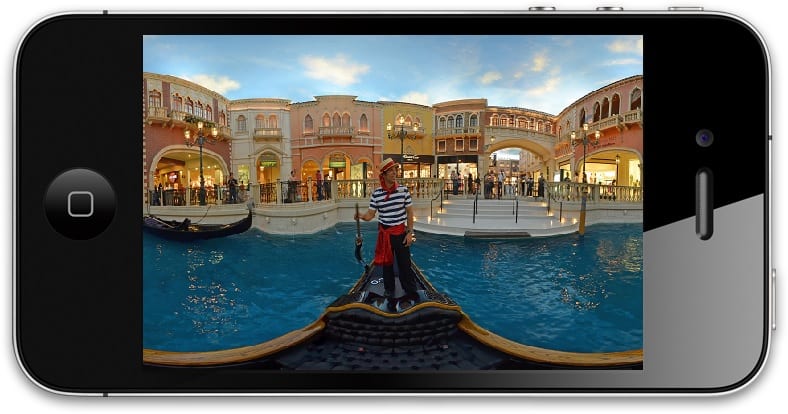
Virtual tourism is the application of virtual reality including augmented reality (AR) and mixed reality (MR) to the tourism industry. Enhanced forms of virtual reality allow you to interact with that environment using extra equipment, such as gloves fitted with sensors.
Virtual tourism is effective not only in enticing people to visit an area but also in helping them plan out what they’re going to do and how they’re going to spend their time once they’re there.
Incorporating virtual tours into your planning process can help in a big way in attracting Chinese tourists to your destination. By having a reservation button on your travel website page, you are already pushing your future Chinese customers in the right direction and are helping them do exactly what you want them to do.
You are helping your visitors better understand your store or the tourist attractions you offer by showing the global ambiance through your virtual tour. Your Chinese visitors are then more likely to book directly from the website.
How VR is used in tourism?
Virtual reality refers to interactive images and videos that allow the viewer to explore a global 360 view of a scene. Contrary to regular images of videos, which are shot from a fixed viewpoint, VR production is able to capture every detail of a specific location. In the travel industry, virtual tourism enriches destinations in the most unique and immersive way possible.
This result can be achieved by using specific cameras, rigs, and a wide array of software. The finished content can then be viewed on either a VR headset or a regular computer or mobile device.
Why is it so popular in China?
The use of VR technology is increasingly becoming popular among Chinese society mainly because of the many benefits that virtual reality technology in tourism include:
- Allows the user to visualize themselves directly at the destination
- Enabling the user to explore a location at their own pace
- Creating unique brand engagement
- Providing travel experiences to those who cannot travel
- Enriching experiences in the places that are often crowded, or are hard to visit (like the Eiffel Tower, Forbidden City, Palace Museum, or some of the most popular Theme Parks).
Is virtual tourism the future?
In the past recent years, there has been an increase in the use of VR in the tourism industry. However, it is impossible to predict how this niche market will develop or even what new VR travel technologies will be available in the future. But, we can definitely spot emerging trends within virtual experience and VR tourism products:
- VR travel experiences by travel companies
- Virtual hotel tours by travel companies and hotels
- Technologies to make VR travel more realistic
- VR travel experiences for the elderly
- VR flight experiences
- Virtual experiences of landmark destinations
- Virtual booking interface

Why Virtual Tourism Appeals to Chinese Tourists?
Easy and Safe
The most evident appeal is the sheer convenience. No need to pack bags, book flights, or navigate unfamiliar cities. Chinese tourists can embark on a journey to the Eiffel Tower or the beaches of Bali from their living rooms. And in times where travel restrictions or health concerns loom, virtual tourism provides a safe haven, allowing exploration without any associated risks.
Friendly on the Wallet
Traditional travel involves many costs – flights, accommodation, food, local transportation, and more. Virtual tourism, on the other hand, offers a vast exploration opportunity at a fraction of the price. For many Chinese tourists who are always looking for value-driven options, this proves to be a highly attractive alternative.
Tech-Savvy China
It’s no secret that China is at the forefront of technological adoption. With cities that are hubs of innovation, it’s natural for the populace to be familiar with the latest in tech. The rising popularity of VR and AR tools in the country means that many have these technologies at their fingertips. This familiarity and accessibility make the transition to virtual tourism smoother and more enticing.
The Excitement of Something New
While China has a rich history and deep-rooted traditions, there’s a strong appetite for novelty and modernity, especially among China youth. Virtual tourism experience, being a relatively new concept, offers a fresh perspective on travel. It’s not just about seeing new places, but experiencing them in a novel way.
Tailored Experiences
One of the added benefits of virtual tourism is the ability to customize experiences. Whether it’s a deep dive into a specific cultural aspect, interactive sessions with locals, or a thematic exploration, virtual platforms offer tailored experiences that cater to the varied interests of Chinese tourists. This personal touch enhances the appeal further.
How Virtual Tours Can Help to Enhance Your Tourism Business?
VR tourism is an excellent means of communication to implement in your marketing strategy because it is an innovative way to attract new customers and promote your image to potential clients. Coupled with the use of marketing tools typically used in the Chinese market, this will only improve your image with Chinese consumers.
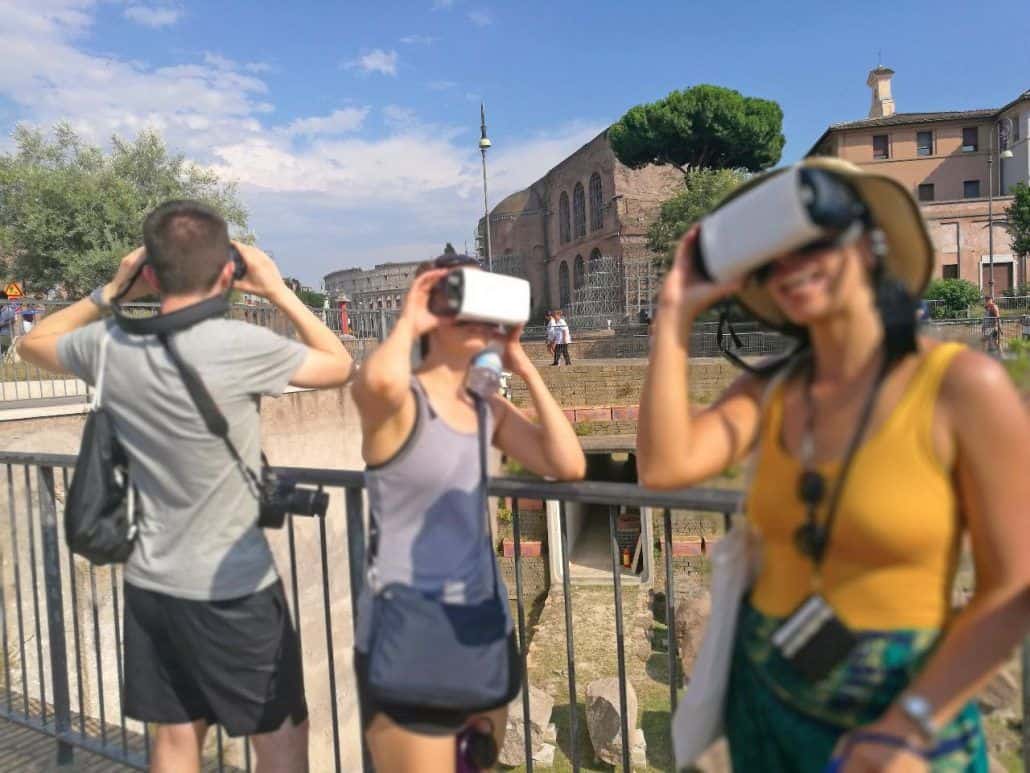
Virtual Tours to increase interaction
You have probably read about content marketing and the importance of it. Content is king and presented in different forms. Video, Photo, Text, Audio, etc. By creating rich content and by publicizing it on different social platforms, you sure help your brand. But don’t forget that there is a proper way to do this.
One of the best ways to generate engagement is to increase the interactivity of your post. Good customer services are a good example of great engagement because they can personalize the experience of your audience and they can adapt to the behavior of your audience.

Virtual tours attract a lot of new audiences
Virtual tours generate massive organic reach. Virtual tours can generate a huge amount of organic views.
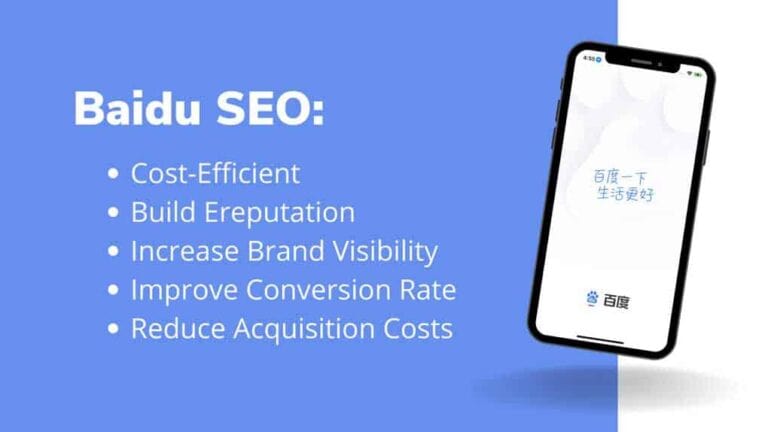
- It Helps Your Baidu SEO
- It Increases Your Website Traffic
By starting with low investment, like a virtual tour of your business, you’ll be able to cover in-store traffic and website traffic, which allows you to expand on some more interesting strategies in the future.
Virtual tourism helps make faster decisions
Quality information is so important. In fact, we are faced with the fact that the purchase or reservation process is mainly rational. That is, in this complex process the consumer considers not only the choice of destination but also the price and the activities he could experience there.
The tourist could at least explore and live a specific experience to assess whether it will be satisfactory or not, in order to make the reservation. Emotions are also very important to influence the decision-making process of tourists. The virtual tour is able to activate emotions by stimulating the users’ senses. Because with virtual reality users are able to interact within the experience. This creates a great opportunity for the entire travel industry, especially for tourist destinations.
VR provides a more emotional aspect to marketing
Tourism sells emotions, experiences, passion, and adventure. Video marketing is the best way to show these emotions and advance the experience that tourists will have. This environment offers endless options to attract and differentiate.
Thanks to the audiovisual content, you communicate experiences, feelings, and emotions. Video or VR becomes a key element to attract a demanding customer. Its application is essential when it comes to generating engagement with Chinese customers, and sharing service information.
How Businesses Can Use Virtual Tourism to Attract Tourists
Interactive Virtual Tours
Create immersive 360-degree virtual tours of popular tourist spots, landmarks, or even the interiors of hotels and resorts. These tours can offer a sneak peek of what tourists can expect, enticing them to book a real visit in the future.
Localized Content
Offer virtual tours with guides speaking in the tourists’ native language. Add cultural nuances that resonate with specific tourist groups, ensuring a more personalized and engaging experience.
Engage with Augmented Reality (AR)
Use AR to enhance real-world environments. For instance, while showcasing a historical site, AR can recreate historical events or scenes, offering tourists a ‘live’ glimpse of history.
Leverage Social Media Integration
Allow users to share their virtual experiences on platforms like WeChat, Weibo, or Douyin. This not only acts as free marketing but also taps into the Chinese preference for social validation and recommendations.
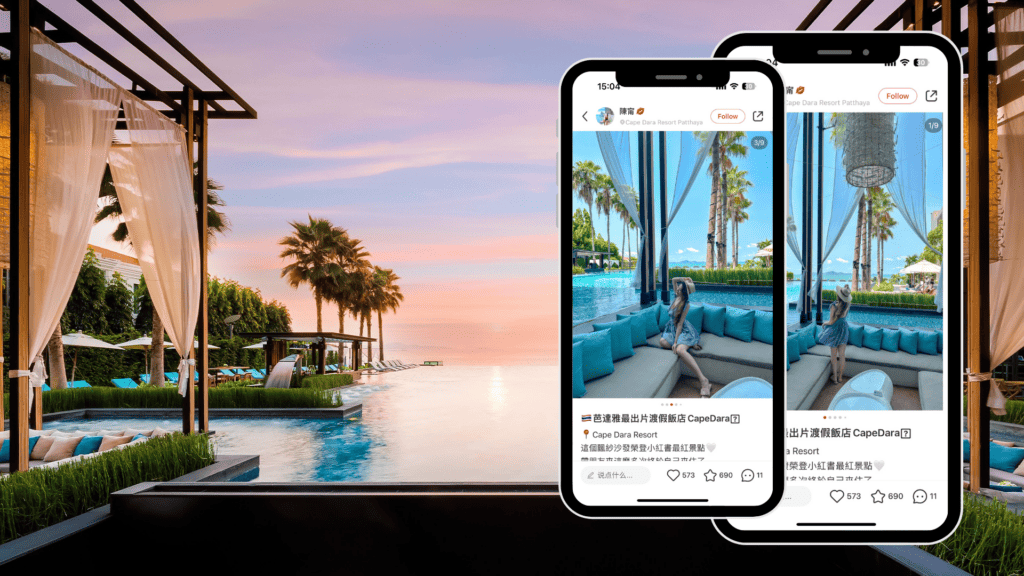
Collaborative Virtual Events
Partner with local businesses or influencers to host virtual events, such as cooking classes, craft workshops, or cultural dances. Such collaborations can spotlight local traditions and crafts, drawing attention to lesser-known aspects of a destination.
Promotional Offers
Incentivize virtual tourists with special offers. For example, if they complete a virtual tour, offer them a discount on their actual visit. This can be a motivating factor for potential tourists to consider a real trip.
Education and Awareness
Some tourists refrain from visiting certain destinations due to misconceptions or lack of knowledge. Use virtual tours as a tool to educate tourists about the locale, its safety, amenities, and unique offerings. An informed tourist is more likely to convert into a real visitor.
Integration with Booking Platforms
Seamlessly integrate your virtual tourism platform with booking engines. If a tourist is impressed with the virtual tour, they should be able to immediately book their real visit without having to jump between multiple platforms.
Will VR Replace Travel?
VR is great for creating limited moments of immersion but as it is now, it cannot yet replace the complete immersion of being physically present in a real location. For many tourists, VR cannot replace travel, and visiting a destination does not have the same feeling as visiting in real life.
It is also important to note that to many travelers tasting local food and engaging with locals plays a major role and adds excitement to the experience.
Whilst VR technology is developing at a very fast rate, it is safe to say that virtual reality won’t be replacing travel anytime soon.
Unlock the Power of Virtual Tourism with Gentlemen Marketing Agency
Ready to ride the virtual tourism wave and captivate the Chinese tourist market? Look no further than Gentlemen Marketing Agency – your trusted partner in all things digital.

🔹 Expertise: With years of experience under our belt, we’ve honed our skills in tapping into the Chinese market’s pulse. We understand their preferences, their technological inclinations, and the best strategies to reach and resonate with them.
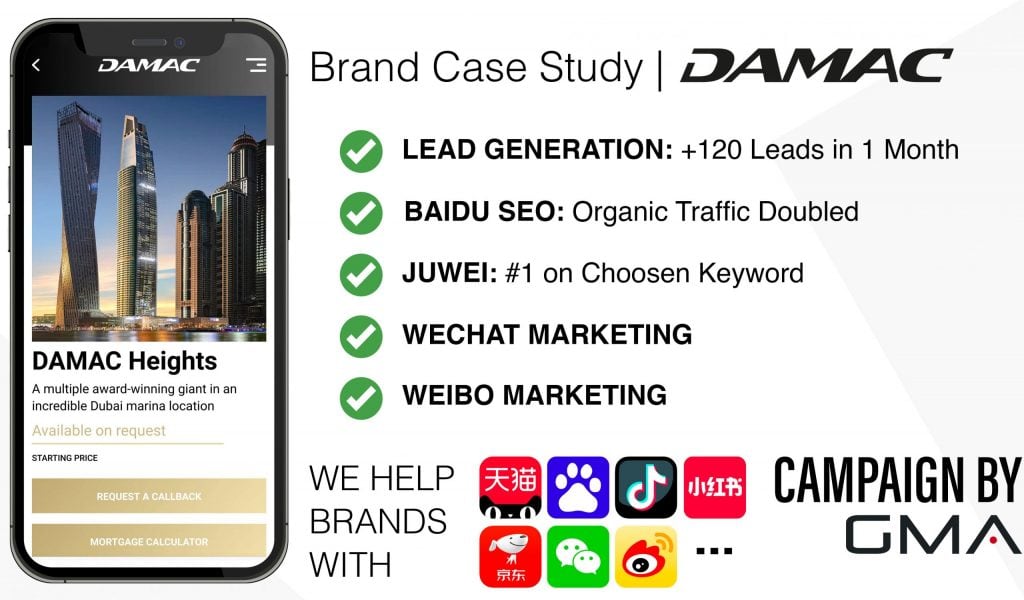
🔹 Success Stories: Our collaboration with leading brands, such as our impactful campaign for MEL Science on platforms like Douyin and Baidu, stands testament to our capabilities. We’ve been there, done that, and achieved results that speak volumes.
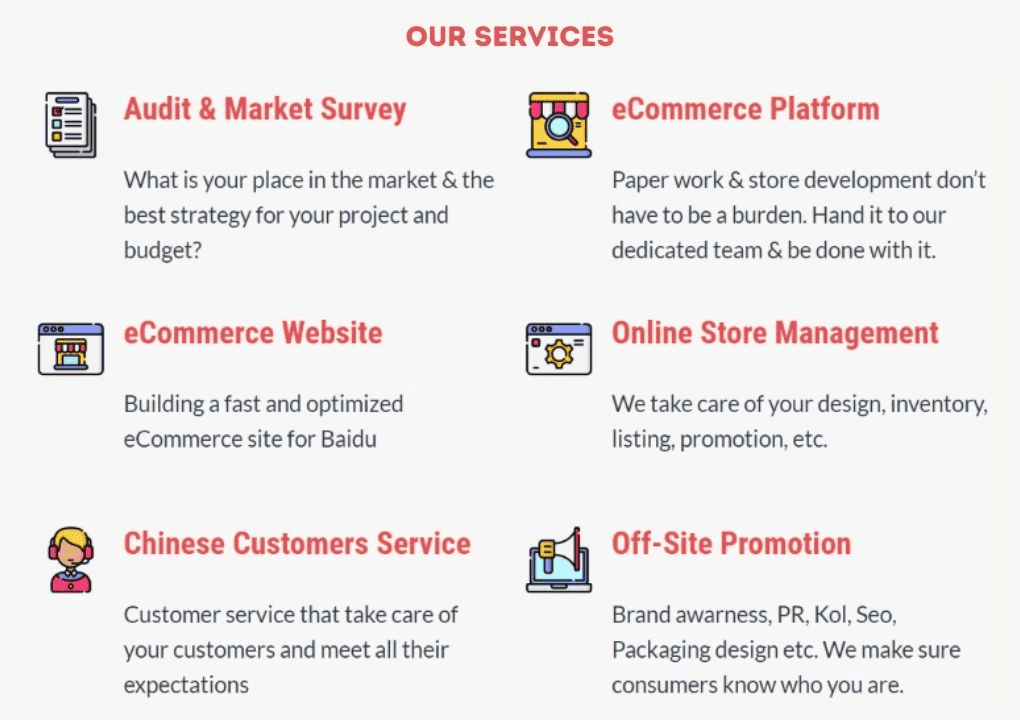
🔹 End-to-End Solutions: Whether it’s creating immersive virtual tours, integrating advanced AR/VR solutions, or tailoring content to the Chinese audience, we’ve got you covered. Our holistic solutions ensure that your virtual tourism endeavors are both technologically sound and culturally relevant.
🔹 Stay Ahead of the Curve: In the ever-evolving landscape of digital marketing, we ensure that our clients remain at the forefront. Our team stays updated with the latest trends, ensuring your campaigns are always a step ahead.
Don’t let your business miss out on the boundless opportunities that virtual tourism offers. Dive into this new era of travel and exploration with Gentlemen Marketing Agency by your side. Connect with us today and let’s chart a course to success in the virtual world of tourism!