|

Turkey: A Rising Top Destination for Chinese Tourists in 2026

Turkey as a Rising Destination for Chinese Tourists: Key Figures 2025-2026

  • Istanbul overtook Prague as most-booked European city for Chinese travelers on Fliggy Q1 2026
  • Turkey’s visa-free policy drove 115% booking spike in first month (Feb 2026)
  • Xiaohongshu Turkey hashtag views: from 2B to 8B in 18 months
  • Zhihu: “Why Turkey beat Italy as my top 2026 destination” — 78,000+ reads, viral comparison thread
  • Average Chinese tourist spend in Turkey: $2,400 per trip; Bosphorus cruise + Cappadocia balloon = top purchases

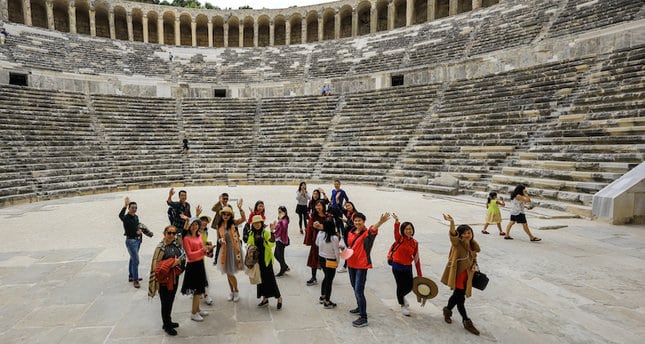
China ranks as Turkey’s fastest-growing major tourism market. Chinese arrivals were up 65% in 2025 and up more than 40% in Q1 2026. A 115% jump in February 2026 alone. Then on January 2, 2026, Turkey went visa-free for Chinese citizens, and Trip.com reported a 400% spike in Turkey flight searches within two hours.

This is not a coincidence. This is the early stage of a significant structural shift in where Chinese outbound tourists go. Understanding why Turkey is rising, what the numbers actually mean, and what this creates for businesses in Turkey is the point of this article.

Why Turkey Is Rising: The Structural Case

Most analyses of Chinese tourism to Turkey focus on Cappadocia’s hot air balloons and Istanbul’s photogenic skyline. These are real pull factors. But they do not fully explain why Turkey is growing faster than most of its competitors for Chinese tourists in 2025-2026. The structural reasons go deeper.

Turkey fills a gap in Chinese outbound travel

Chinese outbound travelers at the upper end of the market have done Japan and Southeast Asia multiple times. Europe is expensive, visa-constrained, and for many destinations, increasingly crowded with Chinese tourists on the same circuit. Turkey offers something different: a destination at the geographic and cultural crossroads of East and West, with history on the scale of Rome or Athens, natural environments unlike anything in Asia, and price points that make it accessible even for premium experiences.

The Cappadocia balloon at sunrise costs USD 180-220. A comparable unique visual experience in the Maldives or Santorini costs significantly more. A private dinner on the Bosphorus in Istanbul competes on experience with similar offerings in Paris at a fraction of the price. Turkey positions itself in a sweet spot where Chinese travelers can have genuinely premium experiences without the premium European cost base.

Turkey-China bilateral ties are strengthening

Chinese investors have committed over USD 18 billion to Turkey over the past decade across manufacturing, logistics, and real estate. Belt and Road connectivity has strengthened trade and cultural ties. The visa-free policy announced in January 2026 is not just a tourism measure: it reflects a political decision at the bilateral level to deepen people-to-people exchange. Turkey’s Foreign Ministry sees tourism as a key part of the China relationship, and that political backing translates into practical support for operators, airlines, and destinations investing in the Chinese market.

Turkish Airlines connects the dots

Turkish Airlines operates direct flights from Beijing, Shanghai, Guangzhou, Chengdu, and Hong Kong. Five direct city connections is more than most non-European long-haul destinations offer from China. Connectivity drives bookings. As the market grows, more capacity and new routes follow, which drives further growth. This is a compounding dynamic that Turkey benefits from while some competitors, including Brazil, still lack it.

The Data That Shows the Scale

  • 400,000+ Chinese visitors to Turkey in 2025, up 65% year-on-year
  • Q1 2026: Chinese arrivals up 40%+; February 2026 alone up 115%
  • Expert forecast: 1 million Chinese visitors to Turkey by end of 2026
  • Average Chinese tourist spend: USD 1,600 per trip, double the all-visitor average of USD 800
  • Turkey total tourism revenue: USD 54 billion in 2024, the highest ever
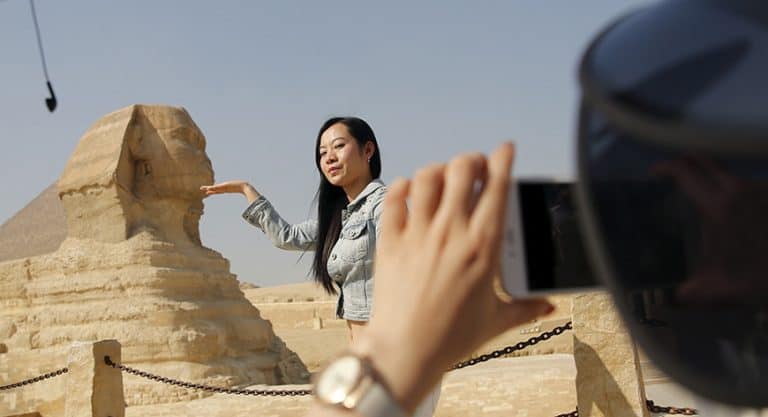
  • Xiaohongshu posts tagged #土耳其 exceeded 2 million in 2024, up 40% year-on-year
  • Chinese property investment in Turkey: USD 18+ billion over the past decade

For context: Turkey welcomed 400,000 Chinese tourists in 2019, lost almost all of them to COVID, and has recovered fully to exceed 2019 levels in 2025 and is now tracking toward 2.5 times the 2019 peak. Most competing European destinations are still short of their 2019 Chinese visitor numbers.

The Business Opportunity: Who Benefits and How

The surge in Chinese visitors to Turkey creates specific opportunities for different types of businesses. The window to establish a first-mover position is open now, before mainstream adoption makes competition for Chinese bookings significantly harder.

Hotels and Resorts

Cave hotels in Cappadocia, boutique properties in Istanbul’s historic neighborhoods, and beachfront resorts along the Turquoise Coast all have strong Chinese booking potential right now. The gap between Chinese social media interest in these properties and their actual Chinese digital presence is still large for most operators. Hotels that get listed on Trip.com with Mandarin content, build a Xiaohongshu account, and add Alipay and WeChat Pay are capturing bookings that competitors without these basics are losing entirely.

Istanbul’s five-star hotels are ahead of the market: several Grand Bazaar-adjacent properties now offer Chinese-speaking staff and dedicated welcome packages. Cave hotel operators in Cappadocia are catching up, driven by direct booking inquiries from Chinese travelers who found them on Xiaohongshu. Coastal resorts in Bodrum and Antalya are the most behind and represent the largest near-term opportunity.

Tour Operators

Private tours of Cappadocia underground cities, guided hammam experiences in Istanbul, hot air balloon coordination, and yacht charters along the Aegean are all high-demand products from Chinese travelers that the market cannot yet fully supply. Tour operators with Mandarin-language capability, Trip.com listings, and Chinese social media presence are filling this gap and commanding premium pricing for it.

The most valuable thing a Turkey tour operator can do right now is document what they offer in Mandarin video content on Douyin. A single well-produced clip of a private Cappadocia cave tour, showing the experience honestly and specifically, will generate direct inquiries from Chinese travelers who cannot find the same quality of content from competitors.

Real Estate and Investment Services

Turkish tourism and Turkish investment are connected markets for Chinese high-net-worth individuals. A Chinese traveler who visits Istanbul, loves it, and returns twice, is also a potential buyer of Istanbul real estate. Turkey’s citizenship by investment program (USD 400,000 in real estate qualifies an investor and their family for Turkish citizenship after three years) remains attractive to Chinese HNWI looking for second passports. Property prices in Istanbul still look competitive compared to equivalent cities in Western Europe.

Real estate agencies and investment advisors targeting Chinese buyers should be active on Juwai.com, WeChat investment groups, and Douyin content from other Chinese buyers. This is a separate channel from leisure tourism but it overlaps in audience and benefits from the same rising awareness of Turkey in China.

What Turkey Has That Competitors Do Not

FactorTurkeyWestern EuropeSoutheast Asia
Visa for Chinese citizensVisa-free (90 days)Complex Schengen applicationMostly visa-free
Direct flights from China5 cities (Turkish Airlines)Many cities (more expensive)Many cities
Average trip costUSD 1,600 spendUSD 2,500+USD 800-1,200
Unique visual contentCappadocia, Pamukkale, BosphorusEiffel Tower, ColosseumTemples, beaches
Xiaohongshu saturationGrowing, not yet crowdedSaturatedHighly saturated

Turkey’s position on this comparison is genuinely strong. It wins on visa access versus Europe, wins on visual distinctiveness versus Southeast Asia, and sits at a price point that works for a large segment of Chinese outbound travelers. The Xiaohongshu saturation point matters particularly: there is still significant organic content opportunity in Turkey on Chinese platforms, whereas Japan, Paris, and Bangkok are so thoroughly covered that new operators face a high bar to stand out.

The Gap Between Interest and Infrastructure

Turkey had a “Year of Chinese Tourism” campaign some years ago. During the same period, several Turkish tourism businesses on the same promotional materials ran no WeChat accounts and accepted no Chinese payment methods. The interest was there. The infrastructure was not. Visitors showed up and found nothing tailored for them.

That gap still exists, but it is closing. Businesses that close it now, with Trip.com listings, Xiaohongshu accounts, and Chinese payment options, are capturing the demand that the government campaigns generate but do not convert. This is the practical opportunity: take the organic and promotional interest in Turkey that Chinese social media and airline connectivity are producing, and build the infrastructure to convert it into confirmed bookings.

FAQ

Why are Chinese tourists choosing Turkey over other destinations?

Turkey combines visa-free access, direct flights from five Chinese cities, unique visual destinations that have not yet been saturated on Chinese social media, and pricing that makes premium experiences accessible. Chinese travelers who have already done Japan and Southeast Asia multiple times find Turkey offers something genuinely different.

Is Turkey’s Chinese tourism growth sustainable?

The foundations are structural: bilateral investment ties, direct air connectivity, visa-free access extended formally, and a growing base of Chinese social media content that does continuous marketing work without paid promotion. Turkey’s growth is not driven by a single campaign or a temporary factor. The trajectory is likely to continue as Chinese travelers discover Turkey through peer content and as more direct flights are added.

Is Turkey real estate attractive for Chinese investors?

Turkey’s citizenship by investment program requires USD 400,000 in real estate and grants Turkish citizenship after three years. Istanbul property prices remain competitive compared to European equivalents. Chinese HNWI who visit Turkey as tourists and find the city compelling often proceed to property research. Real estate agencies with Mandarin marketing and presence on Juwai.com and in Chinese WeChat investment communities are well-positioned for this segment.

What is the first step for a Turkish business wanting to attract Chinese visitors?

List on Trip.com with Mandarin content. This is the most direct path to Chinese bookings from travelers who have already decided to visit Turkey. It takes days to set up and produces results as soon as your listing is live and reviewed. Add Chinese mobile payment and build your Xiaohongshu presence in parallel.

Work With Us

Chinese Tourists Agency works with Turkish hotels, tour operators, destination businesses, and real estate services to build targeted China strategies. We manage the full picture: Trip.com optimization, Xiaohongshu and Douyin content, KOL partnerships, and Mandarin marketing infrastructure that converts interest into bookings. Contact our team to discuss what Turkey’s rising Chinese market means for your business.

Oliver Verot is the founder of Chinese Tourists Agency and CEO of GMA. He has worked with tourism businesses and investors across Europe, the Middle East, and Asia connecting them with China’s outbound travel market since 2012.

Similar Posts

One Comment

  1. Dear Sir/Madam,

    Presently, I work as an engineer in Ningbo/China. In parallel, my family owns an small olive oil company which produces very high quality olive oil. In fact, my hometown is the home of olive oil since ancient times. I am a Turkish citizen would like to request your guide for selling our products in China.

    Additionally, I may also request information regarding do you organize tours to Turkey? If yes, I may also help you to find suitable priced hotels in Bodrum, Turkey.

    Thanks for your attention
    Best regards
    K. Emre Akova

Leave a Reply

Your email address will not be published. Required fields are marked *