Top 7 China Travel Trends Reshaping 2023
2023 is set to be a transformative year for China’s travel industry, with new trends emerging and reshaping domestic and international tourism. To better understand these shifts in consumer preferences, we turned to data sources like Qunar and Xiaohongshu.
From Buddhist temple tourism to speedy getaways, from nearby overseas journeys to off-the-beaten-path adventures, there are seven major trends that will shape the way Chinese travelers explore the world in 2023.
Key Takeaways
- Buddhist temple tourism is on the rise in China, with travelers seeking serenity and spiritual enrichment amidst their fast-paced lives.
- Speed tourism witnessed a 240% search increase during the holiday season, with young professionals and families looking to experience new things while minimizing downtime.
- Nearby overseas journeys are gaining significant traction among Chinese travelers due to the gradually reviving international air travel, coupled with high ticket prices. Popular destinations include Thailand and Japan.
- Social media platforms like Qunar and Xiaohongshu play a crucial role in shaping consumer behavior and can help businesses tailor marketing strategies to cater to this dynamic market segment effectively.
Qunar And Xiaohongshu
Qunar is one of China’s leading online travel agencies with a user base of over 300 million registered users. This dynamic platform provides valuable insights into popular destinations, bookings, and search inquiries of Chinese travelers.

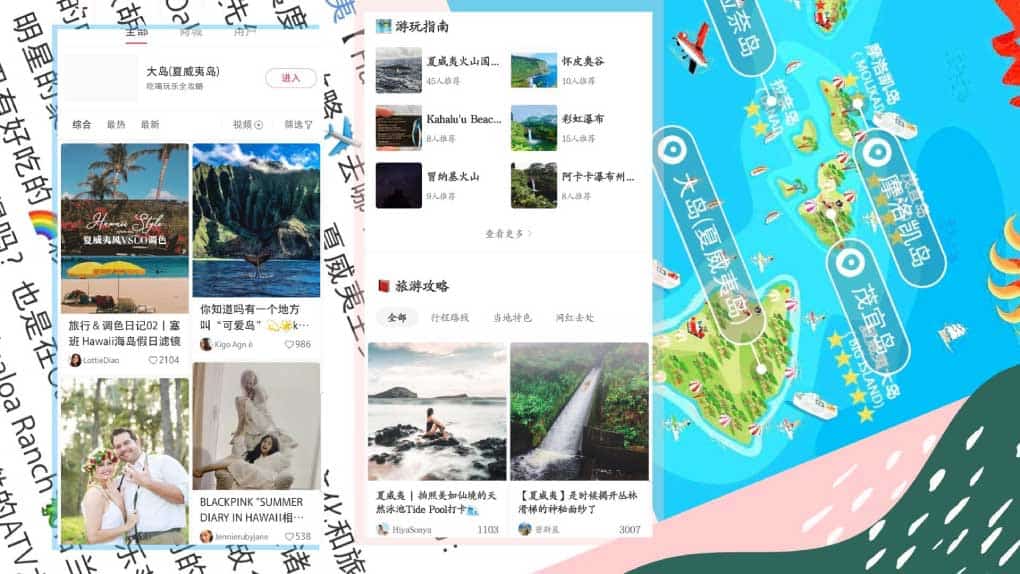
On the other hand, Xiaohongshu serves as the largest lifestyle platform in the world that ingeniously integrates community-driven content and experiences. Over half of Gen Z travelers actively seek travel information from social media channels like this sensational platform, with its unique blend of content regarding inspiration spots, authentic local finds, and vibrant storytelling shared by fellow globetrotters.
With over 140,000 brands on the platform, including domestic brands making up over half of them as of January 2023, it’s clear that Xiaohongshu is a haven for unique travel experiences.
Sacred Escapes – The Rise Of Buddhist Temple Tourism
As we explore the top 7 China travel trends reshaping 2023, it’s essential to note that social media plays a huge role in shaping consumer behavior. According to recent marketing reports from Xiaohongshu, there has been a surge of related posts on their platform associated with Sacred Escapes, which is one of the emerging Chinese travel trends.
This trend focuses on visits to sacred mountains and temples, allowing tourists to immerse themselves in China’s rich Buddhist culture. One example is Mt Emei, one of the most visited pilgrimage sites in all of Buddhism; other popular destinations include Mt Wutai, Mt Putuo, and Mt Jiuhua. These sacred spaces provide a serene atmosphere for learning about Buddhism while simultaneously enjoying the breathtaking natural beauty.
Furthermore, it encourages a different kind of Chinese traveler – more guarded and reticent, yet eager to explore their cultural roots.
Additionally, Qunar data shows that over 60% of Chinese tourists plan to travel outside mainland China in 2023. Therefore, targeting nearby Asian destinations like Hong Kong or Thailand may be beneficial to appeal to these travelers seeking serenity off-standard tourist paths.
Speed Tourism
Speed tourism refers to traveling quickly and efficiently, usually within a short period of time, often just for the weekend or a few days during a holiday season.
This type of tourism is popular among young Chinese travelers who want to maximize their limited time by visiting as many places as possible. For example, some tourists may take high-speed trains between cities to cover more destinations in less time. The pandemic has also contributed to the popularity of domestic travel during the holidays, as international borders remain closed and people prioritize safety.
One famous example of speed tourism took place over the May holiday season when millions of Chinese took advantage of the three-day break by traveling domestically at full speed.
According to Qunar, there was a 240% increase in searches related to this trend compared to previous years.
Travel data from Travelport shows that Hong Kong is among mainland Chinese travelers’ top-booked trips for 2023, signifying its popularity as a destination for speed tourism.

Home Away From Home
As the travel industry reopens, many Chinese travelers are looking to redefine their vacation experiences. Long gone are the days of simply lounging on a beach or snapping photos outside famous landmarks.
Instead, travelers are seeking out unique and sustainable experiences that align with their values and interests. From staying in cozy and unconventional hotels to venturing off the beaten path for remote destinations, travelers now place emphasis on discovering local culture rather than just ticking off tourist attractions from a list.
According to Qunar, this trend reflects the changing preferences of Chinese outbound tourists as they become more diverse in their travel behaviors and spending patterns. Chinese youth seek out remote destinations like Qinghai Lake or Anji Bamboo Forest rather than crowded cities or popular beaches.

This trend presents an opportunity for hospitality brands to differentiate themselves by providing niche accommodation options such as luxury boutique hotels or themed lodgings that cater to specific interests or lifestyles.
One trend that is gaining momentum in China travel is the focus on unique experiences within hotels. This goes beyond traditional amenities like room service or even contactless delivery; instead, travelers are seeking out accommodations with sleep scenery, local cuisine options, and even in-room delivery robots.
Hotels are responding by investing in hospitality technology that can provide innovative solutions for guests’ needs. For example, Rice Robotics has deployed adorable delivery robots in hotels and cafes throughout Asia – allowing guests to order food or other items without leaving their rooms.
The Panda Effect
The popularity of national parks and zoos in China has surged, thanks to the adorable appeal of pandas and other rare wildlife species.
This trend can be attributed to China’s conservation efforts, as they seek to protect endangered animal species like giant pandas through initiatives like “panda diplomacy“. National parks and zoos have become go-to destinations for tourists looking for an immersive experience with wildlife while supporting conservation efforts.
For instance, the UNESCO-built Giant Panda National Park in China is home to over 1,300 wild giant pandas, making it a popular attraction for both local and foreign visitors seeking an up-close encounter with these rare animals.
BBQ Trails
One trend that has emerged following the lifting of travel restrictions is the revival of street commerce. In particular, BBQ trails have become increasingly popular as more people venture out and explore their cities.
For example, Zibo saw a 900% tourism surge due to its famous barbecue. This trend offers opportunities for local businesses to attract both domestic and international visitors who are looking for unique dining experiences.
In March 2023, Zibo received an astonishing 4.8 million visitors, more than its local population of 4.7 million people, mainly due to the viral spread of their delicious barbecued meats online.
The impact that this trend has had on cities and regions across China cannot be overstated, as it has revived street commerce and helped businesses attract a new wave of customers drawn in by the promise of unique culinary delights.
Nearby Overseas Journeys
This trend is driven by the gradual revival of international air travel and rising ticket prices. Despite this challenge, recent data from Qunar shows that bookings for nearby destinations like Thailand and Japan have increased tenfold.

This surge in bookings occurred within 15 minutes after the announcement of new travel restrictions being lifted. Not only that, but Qunar’s data also showed a seven-fold increase in international flight ticket search volume following the announcement.
This means that mainland Chinese travelers are eager to explore nearby destinations and have more opportunities for outbound travel as restrictions ease up. The pattern illuminates the importance of keeping an eye on regional trends and adjusting marketing strategies accordingly.
In addition, younger Chinese tourists are increasingly seeking more immersive experiences off the beaten track rather than mainstream tourist attractions.
The rise of remote destinations shines through data from Xiaohongshu with users sharing about their unique experiences such as sleeping in treehouses or staying in underwater hotels instead of visiting popular hotspots like Paris or London.
Off The Beaten Track
This trend has emerged as the growing preference for less popular and remote destinations among Chinese youth. Travelers want to explore alternative destinations, indulge in local cuisine, engage in nontouristy activities, and enjoy off-the-beaten-path trips tailored to their preferences.
For instance, there has been an increase in demand for tailormade journeys that link travelers with locals who can offer insider tips on hidden gems and other unique adventures that many tourists miss out on.

This trend is also connected to the rise of digital nomadism and remote work opportunities, as more young Chinese people prioritize flexibility in their careers. As a result, we’re seeing increased interest in destinations like Yading Nature Reserve and Inner Mongolia from this new generation of travelers who are taking a reticent approach to travel.
This shift from mainstream tourism is driven by a growing preference for authentic travel and cultural immersion, as opposed to simply visiting popular tourist spots.
Xiaohongshu is playing an increasingly important role in shaping travel trends in China for 2023. This social media platform
In fact, there is evidence of the growing popularity of this trend on Xiaohongshu itself through the surge in related posts. It is popular among Chinese consumers as a source of inspiration and recommendations for off-the-beaten-track destinations.

Partner with Us to Embrace the Changing Chinese Travel Landscape!
Our agency is dedicated to assisting you with all your needs, so please don’t hesitate to reach out to us. With over 20 years of experience in marketing strategy, we are well-equipped to support you.

Looking ahead to the travel landscape in China for 2023, we anticipate several shifts and trends that will shape the industry. Chinese travelers are increasingly seeking new experiences and adventures, such as exploring Buddhist temples, indulging in unique sleep scenery, and relishing local cuisine.
We have also noticed a rise in interest among younger travelers for off-the-beaten-track destinations and nearby overseas journeys. These emerging trends provide exciting opportunities to connect with Chinese travelers and create effective strategies.

Staying updated on the latest trends and shifts in consumer behavior is crucial. Rest assured, we are committed to providing you with continuous coverage of the evolving Chinese travel landscape.
The recent recovery of China’s domestic tourism industry, reaching pre-pandemic levels during the Labor Day holiday in May 2023, highlights the importance of remaining vigilant and updating our knowledge base. By understanding traveler preferences for emerging trends, we can help you develop effective campaigns and increase your ROI.