Tips to Attract Chinese Tourists to Vietnam
- 10,012,735 international tourists visited Vietnam by 2016
- 2,696,848 Chinese Tourists by 2016
Tourism is Strategic for Vietnam’s Economy

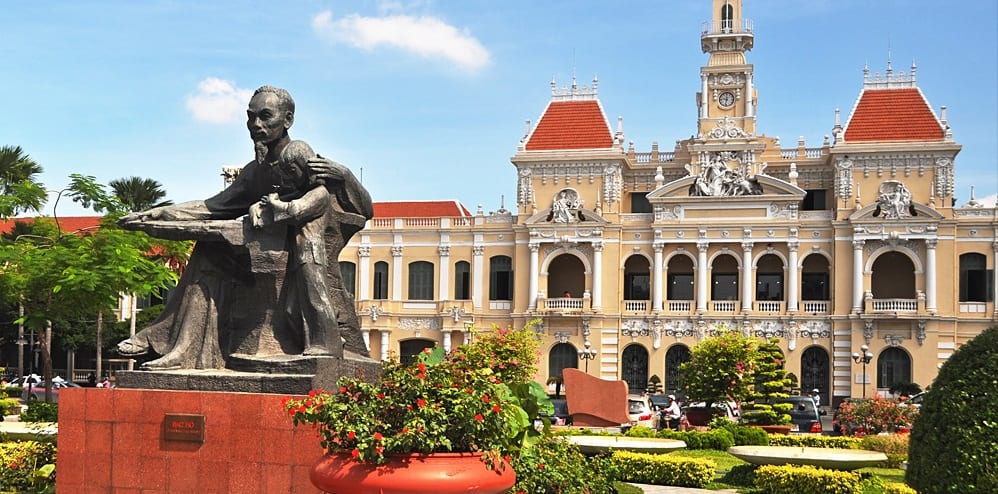
Vietnam has become a new famous tourist destination in Southeast Asia. There are a lot of diversified attractions in Vietnam, ranging from wonderful natural landscapes, untouched islets and quaint villages to war museums, colonial structures, and ancient citadels. The Cu Chi tunnels, located outside Ho Chi Minh City, represent the big grit and ‘can-do’ attitude of the Vietnamese while a visit to the War Remnants Museum brings home the horrible reality of war.
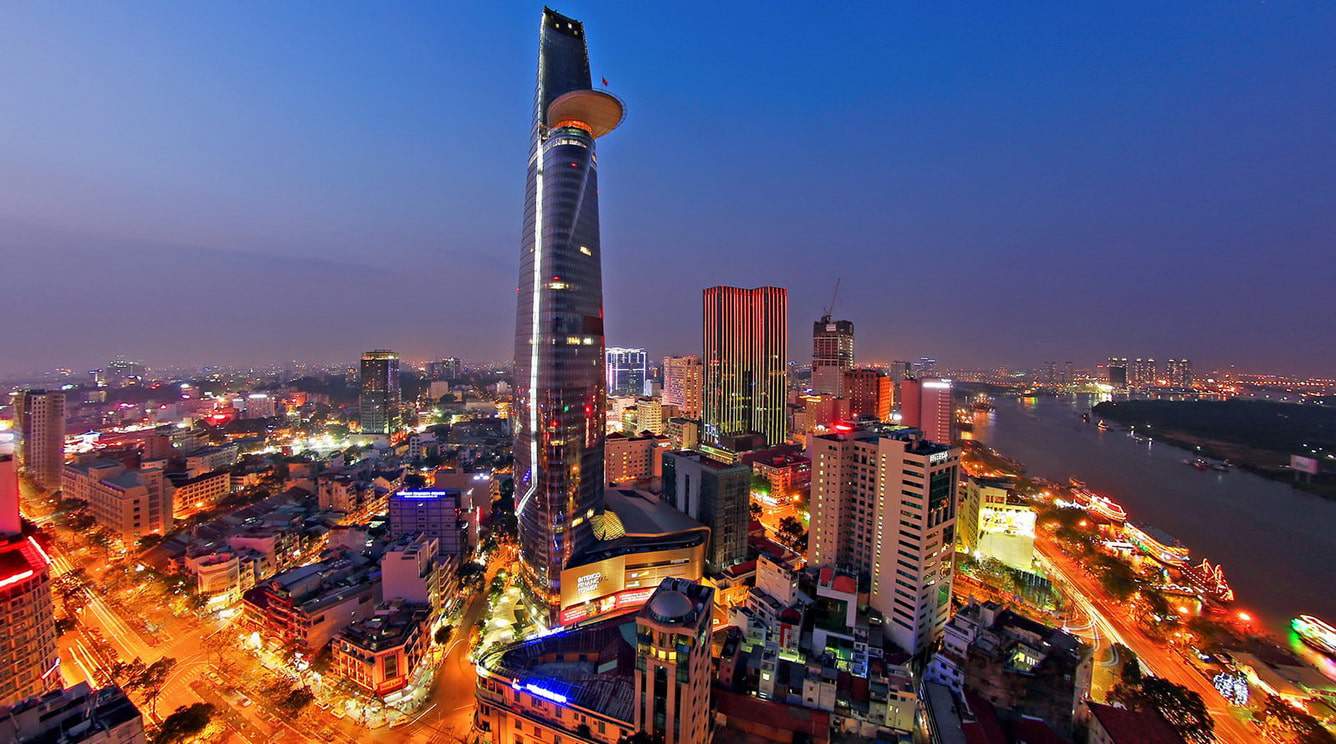
Most tourists to Vietnam are attracted by the country’s amazing natural beauty: From the green rice fields in the north to the fascinating bustle of the Mekong Delta in the south. Vietnam is also a country with a long history and ancient traditions. It has many historic attractions and old temples.
Local and international tour operators offer tours to ethnic minority groups, walking and bicycle tours, photography tours, kayak trips and multi-country trips in particular with neighboring Cambodia, Laos and Thailand.

Another positive side, the marvelous Hue Monuments, with the My Son Sanctuary, attract millions of visitors all year long.
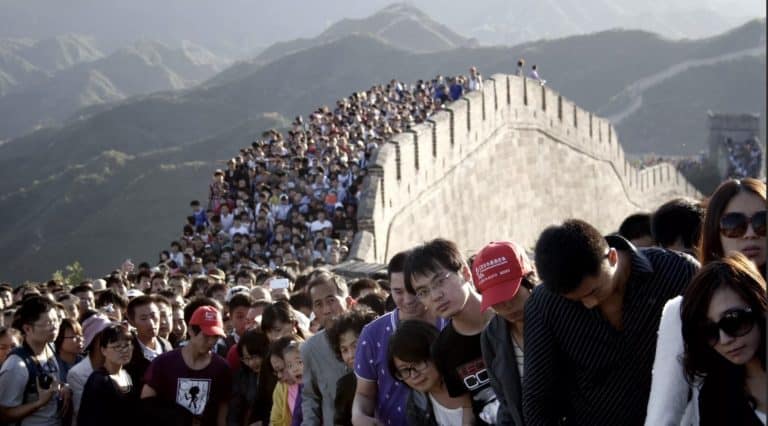
2.2 million Chinese visitors in the first seven months of this year
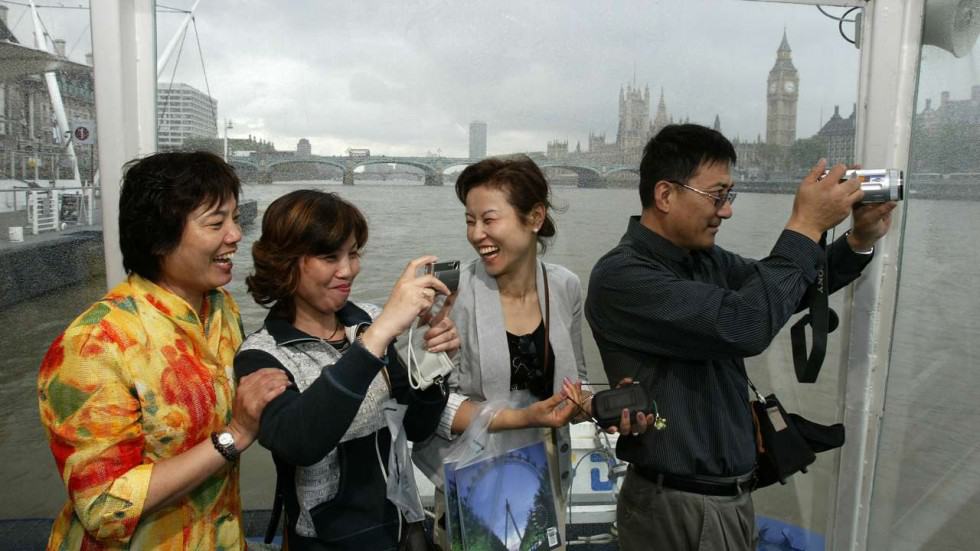
The Vietnam National Administration of Tourism said recently that Vietnam is welcomed over 2.2 million Chinese visitors in the first seven months of this year, up 51%.
This year, Vietnam has reached a total of over 7.2 million foreign visitors, up 28.8 %, with the highest growth of 51% in the number of tourists from China, followed by Russia, South Korea, Spain, Cambodia and the Philippines.
Vietnam is promoting its major tourist sites in Chinese cities and cooperating with local authorities to handle poorly-performing travel agencies.
The booming of Chinese tourist in Vietnam is because of the short flights, low costs and growing number of flight choices. The rise in Chinese visitors to Vietnam was also probably due to the suspension of Chinese tour groups to South Korea.

Many road transport companies are very dynamic and have luxurious buses to transport people from China to Vietnam. More and more Chinese tourists prefer to choose train to immediately go to Vietnam and do their celebrations with their friends and families.
The travel is cheap and affordable and no hard and fast rules imposed on Chinese travelers. Vietnam has unique traditions and historical background with lots of historical places which attracts tourists from all over the world to visit any time. The government of Vietnam launched online visa system for travelers to spend short holidays and for casual business visits.

5 Tips to attract more Chinese Tourists to Vietnam

There are 5 tips to attract Chinese tourists.
Lead generation is the conerstone

Lead generation is the marketing concept for attracting Chinese internet users and converting them into customers. Lead generation used to use digital channels such as social media, Website…etc.
With all these leads you have directly access to their personal information such as email address, name, phone number or even address. Through these informations you can directly contact them and develop a strong engagement.
Chinese website is unavoidable
With more than 900 million Chinese internet users, get more visibility in the most connected country in the world through a Chinese Website is essential. Chinese internet users trust more Chinese Website than English website.
The Chinese’s tourists want to see good and relevant content before taking their decisions. In China, tourism professional willing to attract Chinese tourist should understand the Chinese’s culture and adapt their services to them. Chinese tourist are becoming more and more sophisticated; they really like luxury services.
Your website should respect a certain kind of “protocol” to make sure that it will be easily found by the Chinese visitor. You should also, be available for your Chinese visitors. The best would be to have a 24/24h customer service able to reply to anytime.
Baidu SEO
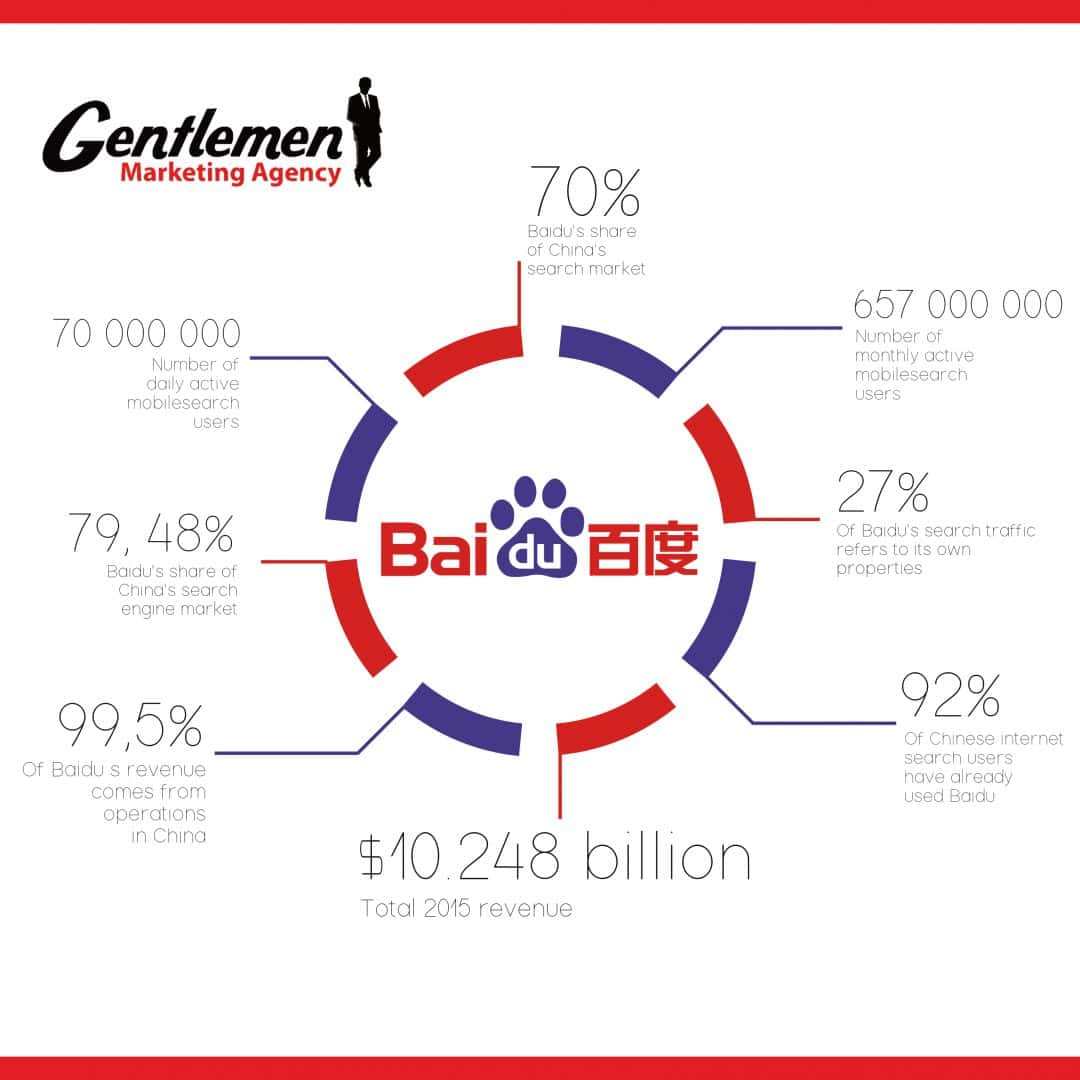
Baidu is the most popular Chinese search engine with 80% of the market. The SEO process is different in China and requires different skills and techniques compared to western search engines like Google.
Smart SEO strategy focuses to provide high-level of ranking to your website but also creating good quality content for potential customers. Well-done Baidu SEO can generate more exposure and traffic.
The backlinks are also important for SEO, in order to increase visibility to your website. SEO optimized website and content will give to your website to be trustworthy and reliable. Finally, you can also use PPC (pay-per-click) which is the fact of paying to rank higher on a set of keywords.
Our team will help you to optimize your website and the content in order to deliver better SEO results on Baidu.
Online Reputation = Build your Trust

The internet is full of many storytellings and news that could affects your agency image in one way or the other. A reputation can’t just affect your personal life, but also you company image. In China, Reputation means a lot. The Chinese’s tourists are looking for tourism agency which has a good online reputation and more visibility.
A tourist agency that wants to keep the Chinese as active clients has to promote its image on the right online portals to engage Chinese interest. Social media platforms like Weibo, Wechat, Douban can be used by marketers or use Chinese bloggers, key opinion leaders, banner displays and influencers.
Usually, the agency try to create social buzz to improve their reputation.
However, bad contents are censored by the Chinese authority and will generate a bad reputation about your agency. This situation could deeply influence tourist ‘decision and pushing down your travel agency image and you could also lose all credibility among Chinese tourist. As Chinese consumers are now connected, it’s easely for them to get all information about what they need, and also know what people said about your agency and listen to the conversation.
Social media and travel forum: new trend

Chinese social media is completely unique, fragmented and dynamic,but is not so difficult.
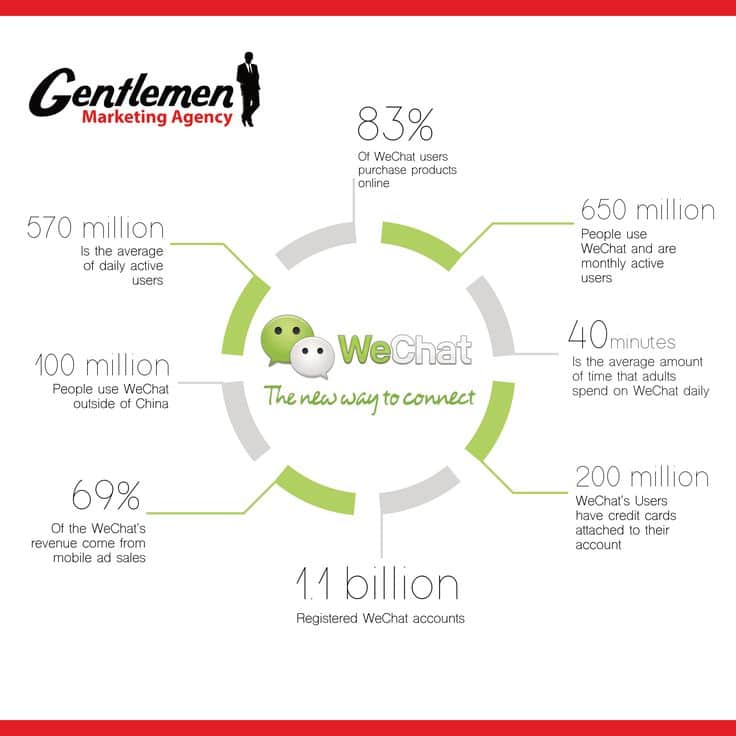
WeChat is a Chinese version of Facebook. It is an audio and text instant messaging app with another functionalities that make him so popular such as book reservation, wechat account for agency, Wechat pay, buy taxi, …There are more than 800 million active users all around the world.
Weibo is a micro blogging platform just like Twitter. They have more than 550 million active users. If you want to be connected with Chinese tourists you have to be present on WeChat and Weibo. You can create on both platforms an official account which will offer you special features.
We know how to start, how to facilitate and develop these conversations among Chinese citizens. We combine Online Public Relations, Design and Viral Marketing with attractive communication methods on every Chinese platform: Wechat, Weibo, Tieba, Tianya, Douban… etc.
You know the tips asset to attract Chinese tourists, but the fact is you can’t apply all these things alone. You really need a good digital marketing agency, which have a right expertise and Chinese market experience to help you to enter in the Chinese tourism market.
Chinese tourism market is very competitive. You have to think in long-term and marketing strategy, because the ROI (Return of Investment) will be huge. Actually, Chinese tourists are the “king” of outbound tourism, every tourism professional want to lure them, so doesn’t be late, the decision is now.
The new innovative marketing agency: Gentlemen Marketing Agency
GMA is a digital marking agency based in Shanghai, Beijing, and Shenzhen with seven years of experience in the China market. We totally understand you and we are there to think with you.
GMA is not just a simple digital marketing agency, we are the best in term of innovative marketing strategy. We are with you from the beginning to the end.
Thanks to our international team composed by nearly 40 experts, we are your best chance to attract more and more Chinese Travelers.
We used to work with international brand; tourist agency over the world like Windows Malaysia, Bali Travel, Luxury Beach House Maldives… can be testified about our service and the result in their agency.

We can help You, contact us.
Read also: