
The 9 developments in Chinese tourism in 2023
Before COVID China was the largest source market of tourists with 155 million outbound trips made in 2019. Today, in 2023 the world awaits for Chinese tourism to get back to its pre-pandemic level. China stays number one globally in terms of the number of outbound trips and money spent during these trips. It seems that Chinese outbound tourism is, however, changing, in fact, tourists’ behaviour during these trips has profoundly changed.
Here are the 9 major changes experienced by the Chinese tourism market in 2023.
1. A quantitative increase
Analysts predict that in 2023, businesses, sectors, and nations that depend on Chinese visitors will see growth, even if international travel may not instantly return to pre-pandemic levels.
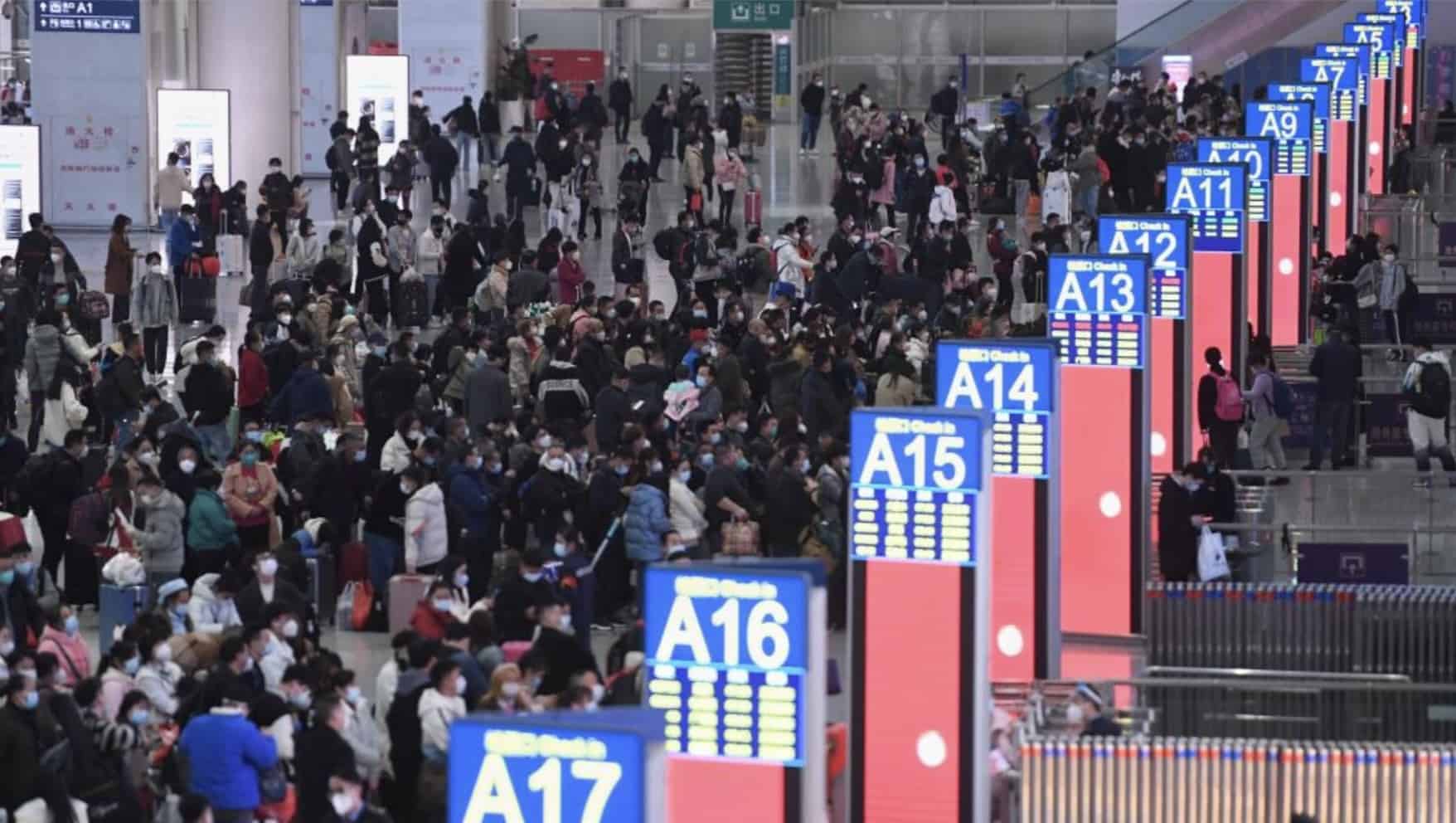
According to Steve Saxon, a partner in McKinsey’s Shenzhen office, China averaged roughly 12 million outbound air travellers per month in 2019, but those figures decreased by 95% over the Covid years. By the summer, he anticipates that number to increase to around 6 million every month.
To compare during the first three quarters of 2019, more than 95 million trips were recorded by the Chinese authorities (CNTA), and Chinese tourists have spent no less than $ 120 billion during their trips abroad. To give a point of comparison, American and German tourists spend by consolidating ‘only’ $ 80 billion. Although statistics are not clear, the figures are so high, that a margin of error would not affect the impressive growth potential evoked by this market in 2023.
2. Pollution encourages Chinese people to leave the country

Pollution is a sadly raging phenomenon in China, Chinese people simply do not support the high level of air pollution anymore. If back in the day the North and the Northeast of China, were the most affected regions, it seems that South China begins to suffer. Seriously threatening pollution peaks for health were registered in Shanghai and Xian. The pollution factor greatly encouraged the Chinese to leave the country as much as they can.
3. Chinese tourists avoid overpopulation

During the 2023 Chinese lunar new year or “Summer Festival”, the railway system had to carry over passengers 70millions across the country, and this in one week. The tourist sites were on-busy, even pushing some of them as the Forbidden City to sell more tickets than the maximum number of visitors it is able to contain. The week has also inherited the sweet name of ‘Golden Mess’. The main attractions present on the Chinese territory have suffered from overcrowding and COVID cases exposure, which has once again pushed Chinese tourists to leave.
4. A radical political change

For the first time since 2019, the new Chinese government has specifically expressed support for the tourism activities of Chinese citizens in 2023. Chinese domestic tour agencies proposed group trips at an unbeatable price but in exchange forced travellers to shop while they were earning commissions on their purchases. Cultural visits were thus bartered against the Shopping days and this was accompanied by poor quality services. This regulation certainly first made the number of visitors fall because of the raising prices.
How politicians can help you attract more Chinese tourists
5. Chinese tourists warmly welcomed abroad

After the 3-year lockdown global tourism market realized the importance of Chinese tourism, and the disappearance of Chinese travellers especially seriously beaten Asian countries’ economies. We are assisting with a real domino effect from certain destinations such as the Maldives, Mauritius, Thailand, Australia and the United Kingdom, all working to simplify administrative formalities required by the Visa by simply offering visas to Chinese tourists arriving in their countries in 2023. Nearly 40 countries around the world have started this process.
How to adapt your local services to Chinese guests?
????Expert Tips:
1. Read more about Chinese culture and habits
2. Tailor a special welcoming program for Chinese guests
3. Adopt your hotel menu, especially breakfast
4. Adapt Chinese payment services. Alipay is the best choice
5. Hire local Mandarin-speaking personnel
6. Tour packages in decline

The trend is DIY (Do It Yourself), whether you organize the trip or even when a tour operator is used we try to organize a personalized trip. The market is currently changing and booming at the same time. Formerly dominant in the market, one-third of the latter is no longer held by other tour operators and travel agencies. Furthermore, activities offered by tour groups no longer work with Chinese tourists, as they are trying to avoid crowds and are more focused towards tailor-made experiences.
Do Chinese tourists prefer personalized travel in 2023?
7. To new horizons

In 2023, Nepal gained popularity among Chinese tourists, in fact, the country has already attracted more than 30,000 Chinese travellers, and 90% were first visitors. The trend is observed not only in the countries least visited but also on smaller towns within popular destinations.
8. The bond between tourism and investments

2022-2023 saw the highest level of Chinese millionaires outcome. They are making investments abroad, particularly in real estate, which includes tourism infrastructures. The Chinese billionaire, Lam Kok, made his fortune in the tea industry, having acquired a Château in Bordeaux dating from the 16th century to the sum of 40 million dollars. He died tragically in a helicopter crash with his son, the day they were to celebrate the purchase. This dramatic event has yet to put under the spotlight the many investments made by the Chinese.
9. The arrival of new actors

Major international players who understood the potential represented by the Chinese tourism market have made their arrival on this one. International hotel groups, cruise lines, payment card brands and many other companies, which are not necessarily directly related to the tourism sector or the creation of tourist products and services, have taken very seriously the phenomenon of Chinese tourists abroad.
They have fully integrated what were the challenges posed by the consumption of Chinese tourists and given the scale of the market, these players had the incentive to focus on China.
Looking for Chinese tourists or a partner agency in China?
We are Experts in Chinese Tourism!
 Contact us now to get a Free Consultation or help to find your tour partners in China








Very usefull article. Thank you very much very clear situation.
We like to you check below attachment
below attachment is very attractive rate from beach hotels in Maldives , Hulumale city Hotels
average price USD90 for DB with breakfast including 10% services charges without GST12%
Transport from Airport to Hotel USD 10/Pax
We like to work Chinese Tourism agencies for partnership with your company
China is set to become TripAdvisor’s largest market as Chinese tourists turn to the travel review site in their pursuit of high quality overseas experiences
Tanzania visiting Tours and and safaris, we aim to help you find the perfect Tanzania vacation packages, by bringing you great vacation deals, a bigger selection on cheap vacations at the destinations of your choice, and outstanding service when you book your holiday. Finding specials on top vacation packages, great last-minute deals, inexpensive getaways, and more is what Tanzania Visiting Tours and safaris are known for.
We help you discover the most popular and exciting attractions in Tanzania to make a great trip unforgettable. With us you will find the right spots and see the sights. It’s easy to book your Tanzania vacations with us! Browse through our website for more information you need to know about Tanzania.
Select from a variety of different options to suit your needs and reserve a stress-free, trip to Tanzania. Climb Kilimanjaro, climb Mount Meru, Tanzania wildlife safari to Serengeti, Ngorongoro crater, Tarangire, Lake Manyara, Arusha National park. Come in summer for discount vacations that are not only kid-friendly, but also keep the cheapest family travel budget in mind. You may also opt for a romantic singles getaway in winter where you can combine luxury with discount prices. Tanzania Visiting Tours& Safaris offers it all.
Tanzania Visiting Tours & Safaris presents you the best ideas for planning an affordable vacation. If you need additional assistance,Tanzania visiting Tours & Safaris Customer Service Representatives are available 24 hours a day to answer any questions you may have about booking your Tanzania vacation so that you can travel with the confidence that you found the best vacation package at the lowest price.