
Smart Strategies For Esports Marketing in China
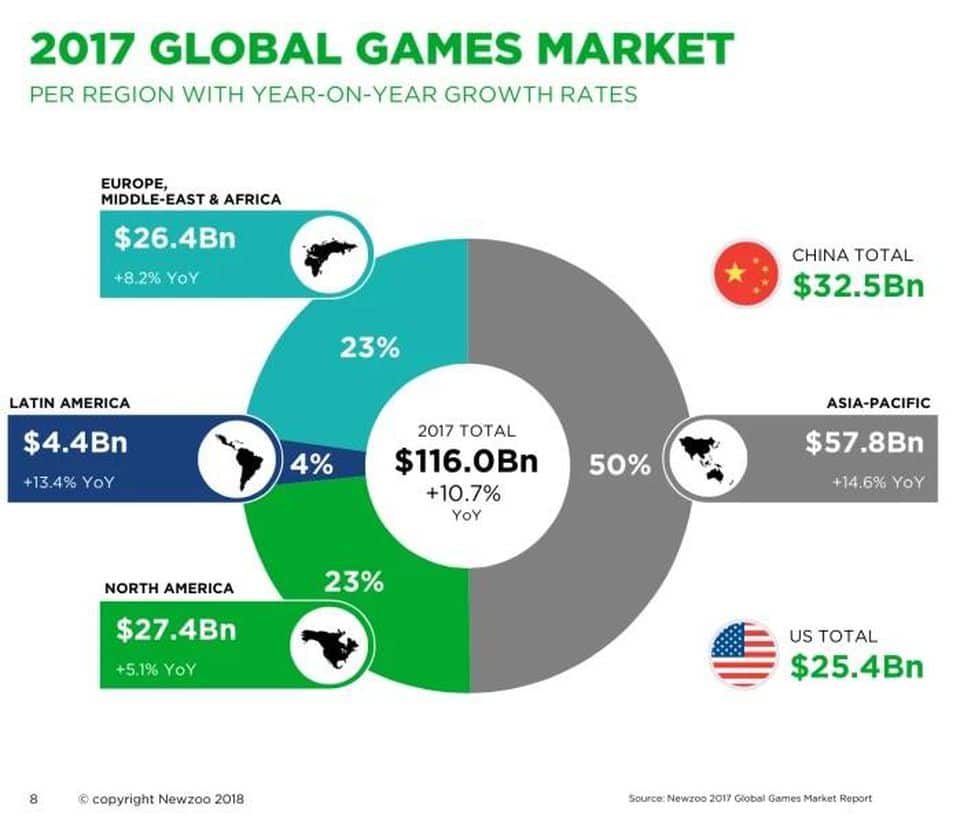
Esports is a booming global industry where skilled video gamers play competitively. In the same way that traditional sports have competitions in football, basketball, and volleyball, esports encompasses competitions across a variety of video games. Contrary to common perception, esports, even in China is not simply a phenomenon occurring by millennials, the industry is real, growing globally, and investable. In fact, over 380 million people watch esports worldwide both online and in person.
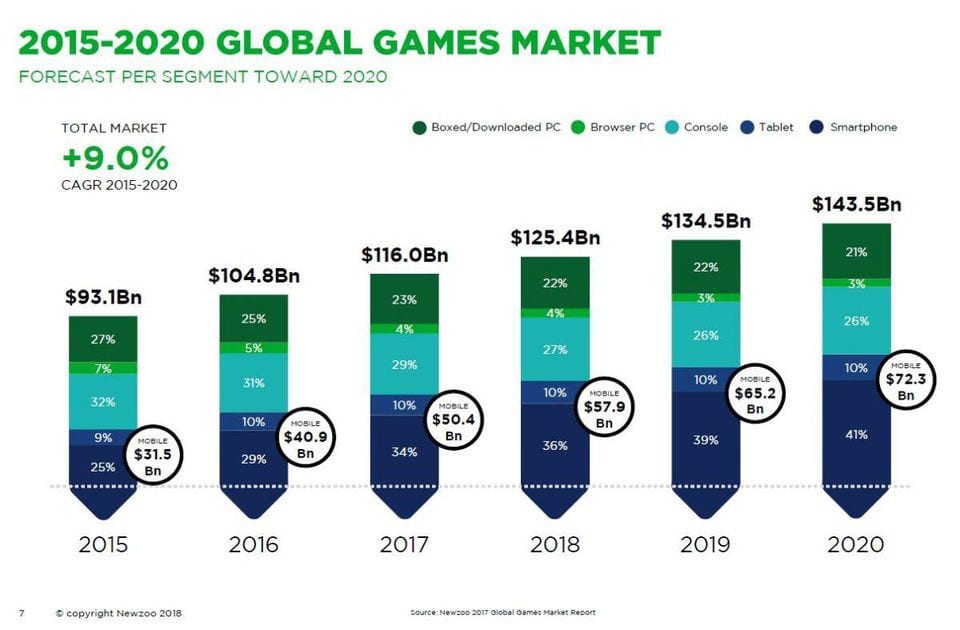
The esports industry worldwide is worth close to US$ 700 million today and is expected to grow to more than US$ 1.7 billion by 2022. China is just behind the US and Europe in terms of market revenues and the country has one of the largest gamer-bases in the world.
Esports(electronic sports) in China: Transforms online gaming into a spectator sport
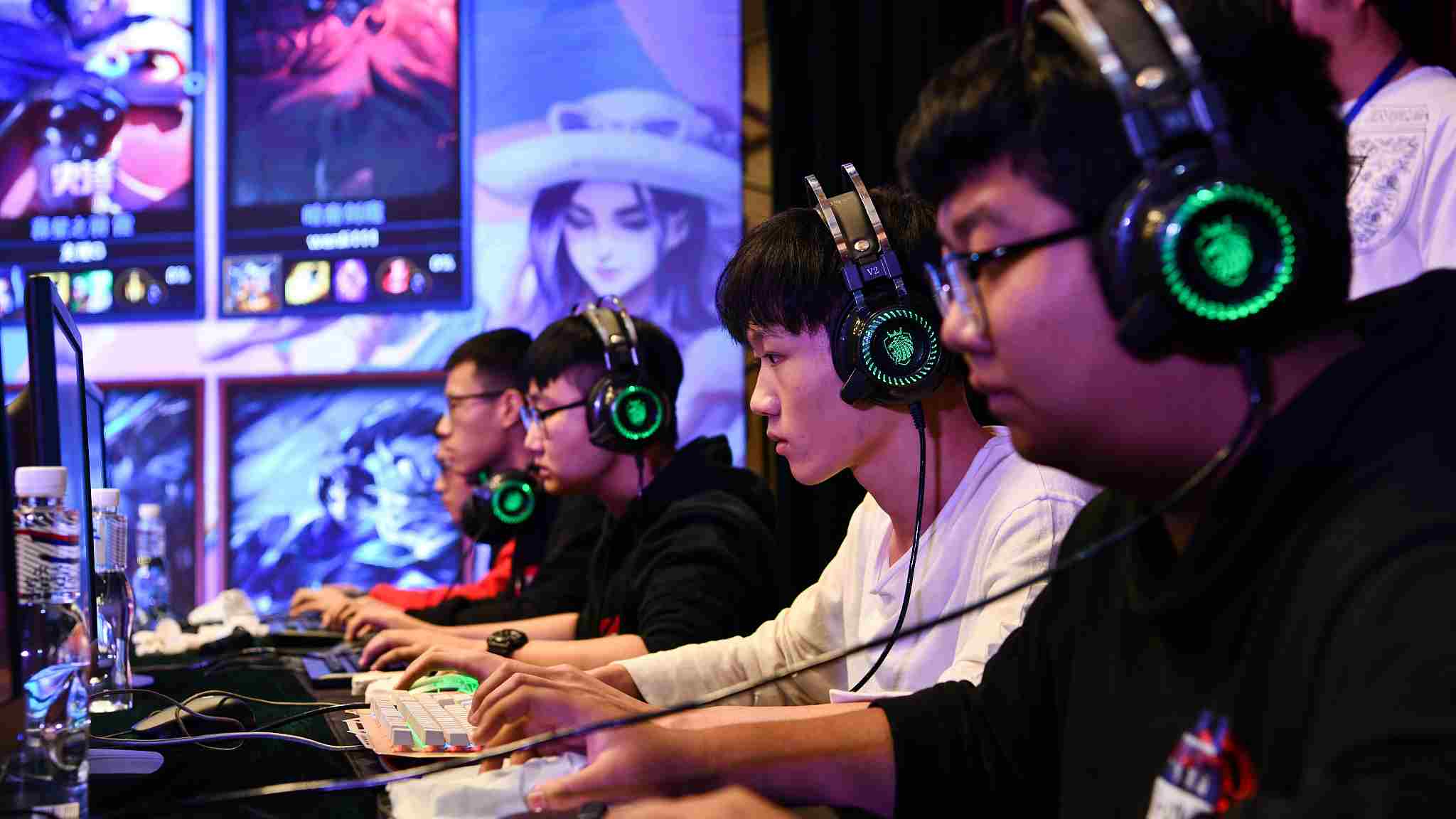
Contrary to a normal sporting event, spectators watch video gamers compete against each other in a virtual environment. Just as traditional sports fans enjoy watching top athletes perform at the top of their craft, the same is true of those who watch top video gamers compete.
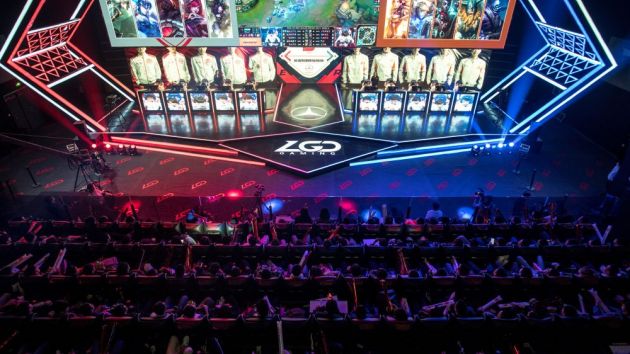
Esports popularity in China was quite evident on November 4, 2017, when the grand finale of the League of Legends World Championship was organized at the National Stadium in Beijing. The event witnessed the presence of more than 40000 people who came to watch the esports battle between South Korean gaming stars; CuVee and Faker.
The world of esports, known as competitive gaming, is beginning to rival real-life sports in terms of viewership, audience interest and ad spend. Industry revenue is expected to hit nearly $1 billion this year, and Statista reports more than 300 million frequent and occasional viewers. Chinese esports market to hit US$3bn by 2020, says CCTV report
The players can engage with their fans in a variety of ways including social media, live-streaming platforms, and in-person at tournaments. On the other side, fans can watch and follow their favorite teams compete in regional and global tournaments. Many technology platforms, services, events, analytics platforms, and substantial investor capital surrounds this ecosystem as it continues to grow.
Behind the Rise of Esports and What It Means for Brands?
Given the growing popularity of esports in China and a tremendous increase in esports spectators over the last few years, many esports companies are striving to cash in opportunities with new initiatives and innovations. As with any other field, capturing the attention of Chinese competitive gamers requires clever, useful and relevant marketing campaigns. If you’re ready to grab your share of the massively popular esports industry, here are some helpful tips
Brands are discovering the loyal fanbase for esports but marketers need to play by the rules
Treat the esports platform as a marketing channel. If your product serves the needs of this demographic, then focus on that market the way you would any other.
Work With gaming Influencers
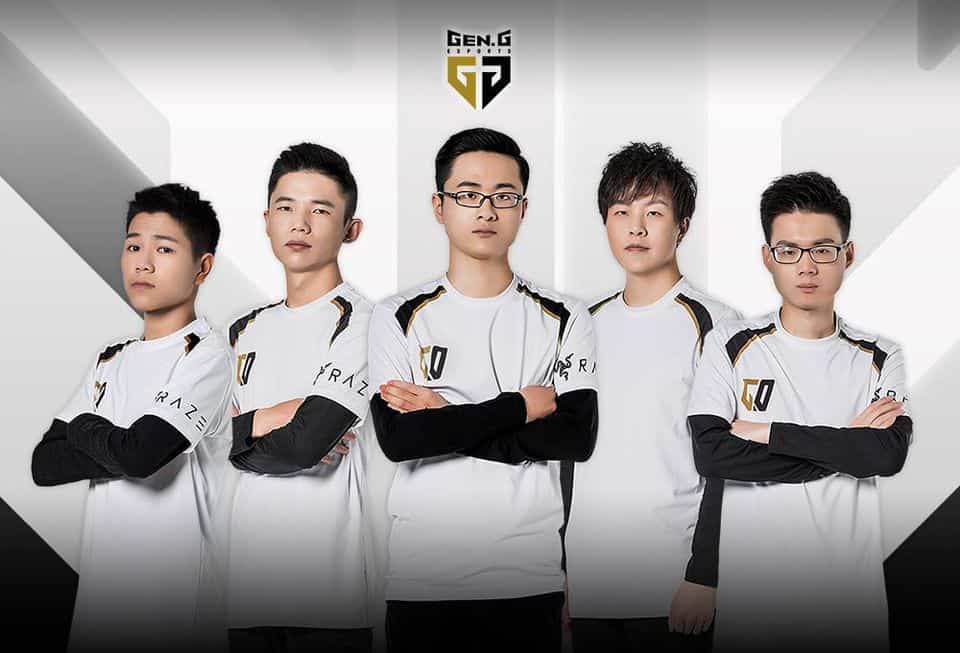
Brands should look at their products and understand how they fit into the competitive gaming and esports world. Find a way to solve a problem and work with Chinese influencer to showcase your solution. To stretch your marketing dollars, find the right gaming influencers to work with. Spread your efforts across video game genres, esports leagues, players and diverse teams.
Immerse Yourself In Gaming Culture
Your marketing team should be best equipped to connect to the gaming public by directly connecting to the gaming public. You will pay for ads, but you will quickly find creative alternatives by immersing yourself in the culture of the gaming world. Start a team, create integrate some digital platforms for gaming and grow your own audience to begin influencing others.
Offer an authentic and creative Content around Esports
With esports being such a new arena for marketers, there aren’t yet best practices for how to engage this audience. Creativity can win big in this type of scenario. Look into creating your own related content, think the Sports Center of esports. This type of approach allows you to ride in the community while providing value that will engage the audience.
Understand The Audience
Reaching the Chinese esports crowd is the easy part. The most difficult part is gaining the trust of a young audience that is highly knowledgeable about tech and doesn’t want to be sold to. Understand their language and what’s hot right now.
You could also sponsor a gaming tournament (especially great for food and beverage brands). Get yourself involved with the top gamers and look to partner with them. They are highly influential and can help market clothes, food and other products — not just things related to the games.
GENTLEMEN MARKETING AGENCY

YOU NEED SOMEONE TO HELP YOU LAUNCH YOUR TRAVELING BUSINESS IN CHINA? CONTACT US!
We help companies wishing to sell on the Chinese market. We are specialists in:
E-REPUTATION: Primordial before launching, we work together on your unique selling point, then on the social networks and with the help of PR, we make sure that your image on the networks is totally clean and reliable for the Chinese users.
SEO: Search Engine Optimization of your website will be essential, our team of specialists will take care of your e-reputation, the management of your social networks while setting up an SEO / SEM campaign allowing you to gain places in the ranking of the Baidu Chinese search engine.
LEAD GENERATION: Our teams are professionals in lead generation. To optimize it, your e-reputation must be irreproachable. Investing in online advertising and creating quality content will help you develop your e-reputation. Finally, the evaluation of the results will be important to guide us in the next stages of your development.
DIGITAL SOLUTIONS: Website creation, development and audit; social media marketing (including WeChat & Weibo); PR; monthly reports and analyzes by our team of experts.