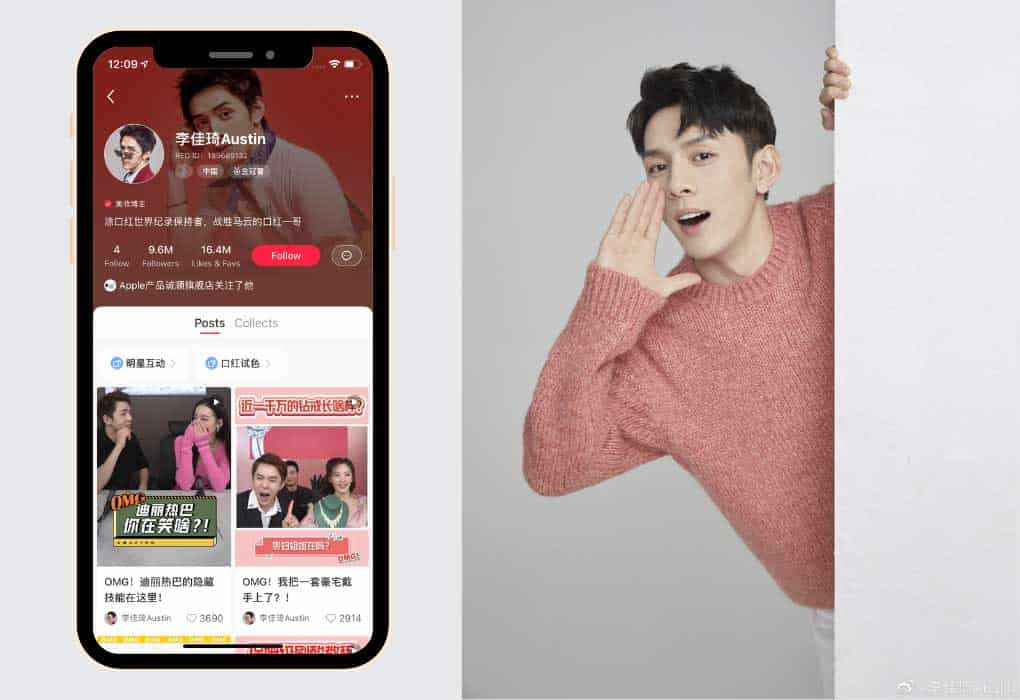
MCNs in China are required to be more transparent
Two of China’s most popular social media platforms have announced that they will begin displaying the names of marketing agencies on influencers’ profile pages after the country’s internet watchdog accused these service providers of spreading false values.
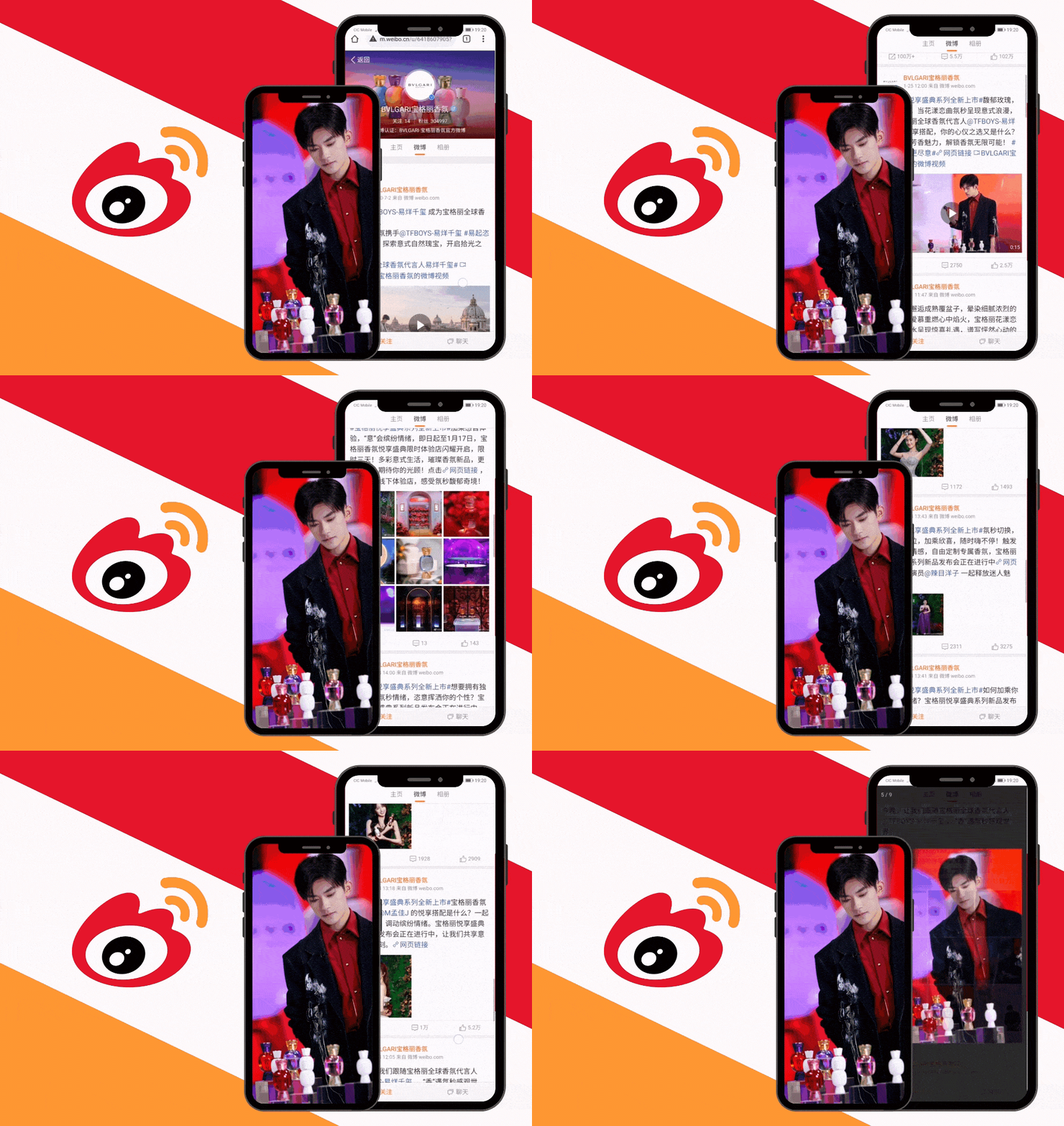
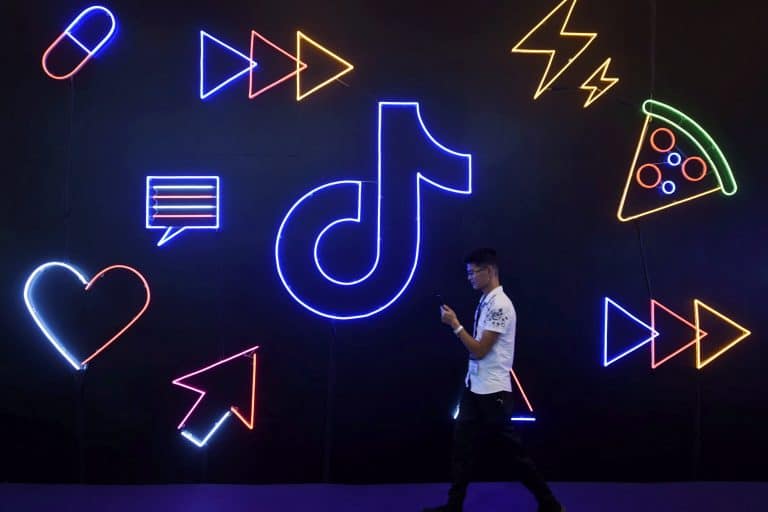
They stated that Twitter-like microblogging platform Weibo and short video app Douyin, the Chinese sibling of TikTok, have begun testing the feature, which will be made available to all users following the trial period.
Influencers frequently hire multichannel networks (MCNs) in China to manage their social media accounts by distributing content and analyzing web traffic data.
Do you have questions about the most important topics and global trends? SCMP Knowledge is our new platform of curated content with explainers, frequently asked questions, analyses, and infographics compiled by our award-winning team.
Approximately forty percent of social media influencers with more than ten million followers are managed by MCNs, according to the Cyberspace Administration of China (CAC). According to Douyin’s notice to agencies, MCNs are required to review their contracts with influencers and provide the platforms with updated information about their partnership statuses.
Both platforms stated that the modifications are intended to “maintain good community order” and “regulate the dissemination of information.” Numerous Chinese netizens appear to support the initiative, with some remarking that they will soon be able to identify organizations that employ internet trolls.
The Chinese government had previously expressed concern over the use of influencers to sway public opinion by certain organizations. “Some MCNs manipulate influential accounts and fabricate misinformation containing incorrect value orientations,” CAC official Zhang Yongjun said at a March news conference, after authorities announced a regulatory campaign targeting these agencies.
“[MCNs] are occasionally the originators of online chaos,” said Zhang.
The CAC stated at the time that it would impose severe penalties on MCNs that publish large quantities of content that “distorts reality and misleads the public.” The regulator also stated that it would establish a dedicated reporting channel for social media users.
China continues to tighten its grip on the internet, so this is not surprising. This year, a number of influential internet figures, including the renowned economist Hong Hao and the renowned scion Wang Sicong, had their social media accounts revoked for posting content Beijing deemed offensive.
Several major social media platforms, including Douyin and Weibo, began displaying the locations of users based on their Internet Protocol addresses in April.
Since 2017, when platforms began requiring users to associate their accounts with a phone number, which in China must be registered with a national ID, this was the most significant effort to increase transparency.
Why are Key Opinions Leaders so Important in China?
KOL represents a Key Opinion Leader. They are social media celebrities on Chinese platforms. Utilizing Chinese KOLs as part of your marketing strategy in China is crucial if you want to quickly gain the trust of consumers and increase your visibility. In many instances, even more so than western influencers.
In actuality, KOLs can be regarded as experts in the Chinese social media sphere. They know how to differentiate themselves by promoting and selling products, highlighting the benefits of your goods, etc.
Their success can be attributed to their engaging personality and extensive understanding of China’s social media landscape, which they use to engage a large online audience. As Chinese consumers rely heavily on word-of-mouth when making purchases, they are heavily influenced by social media recommendations from people they follow.
As opposed to western influencers, Chinese influencers can easily communicate with their fan base. Providing them with increased opportunities to promote their brands and products locally.
How can KOLs help you increase your sales in the Chinese market?
As a result of the significant impact that Chinese influencers can have on the internet, brands are now required to form partnerships with them in order to promote their products and increase brand awareness.
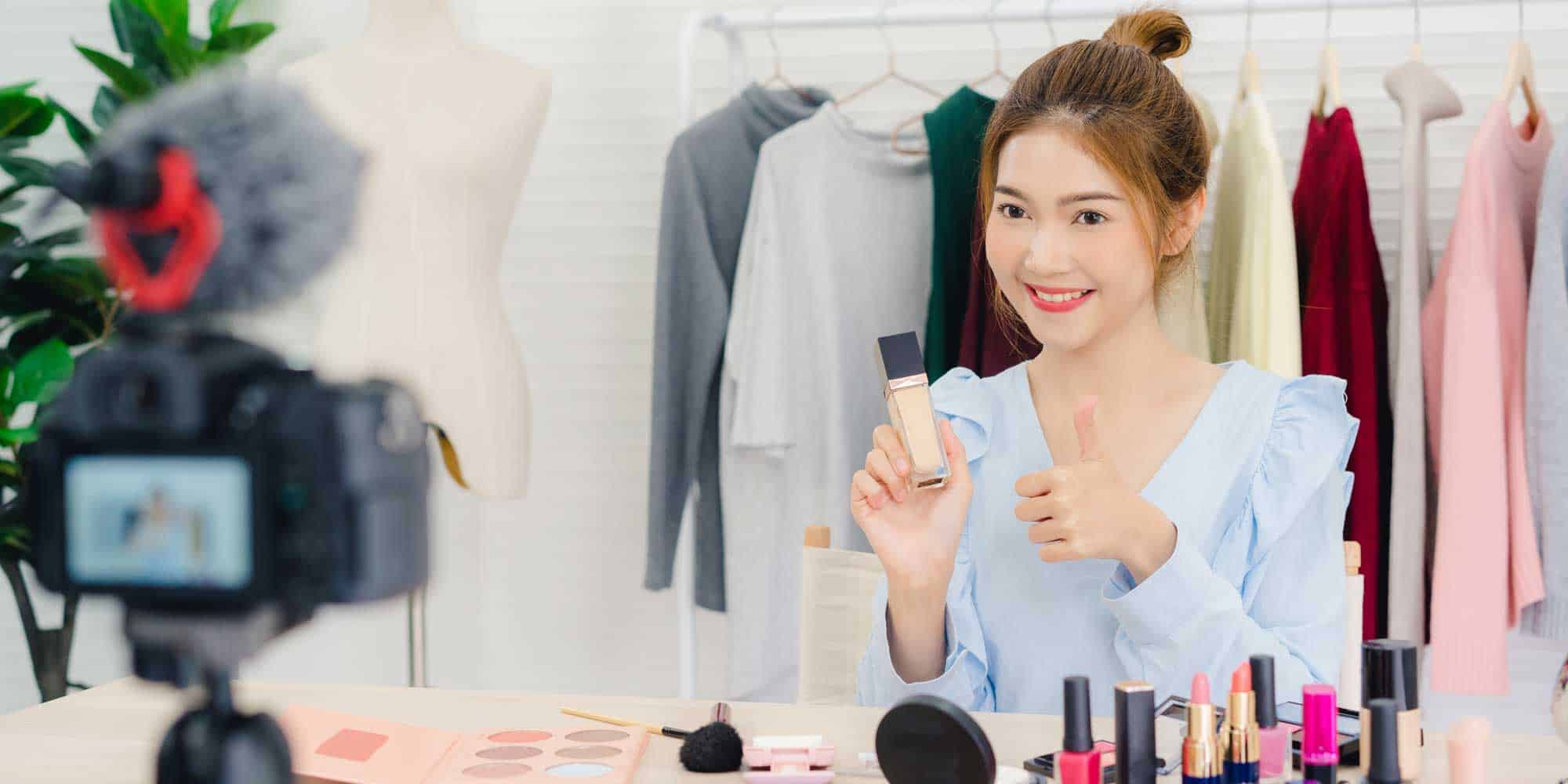
When brands post reviews and promote their products on their own website and social media channels, for instance, people may perceive it as biased. And because Chinese consumers are extremely hesitant to try new products (cosmetics, beauty products, food, etc.), they will find it reassuring to look for reviews from KOLs, either on images or during live-streaming.
KOLs impact on social media
As mentioned previously, some KOLs were able to grow their social media communities by experimenting with new outfits and products, filming tutorials, providing reviews, and sharing their experience with followers. The majority of the Chinese population will search for information on the internet and social media platforms. This is why KOLs are so influential online, sometimes even more than celebrities.
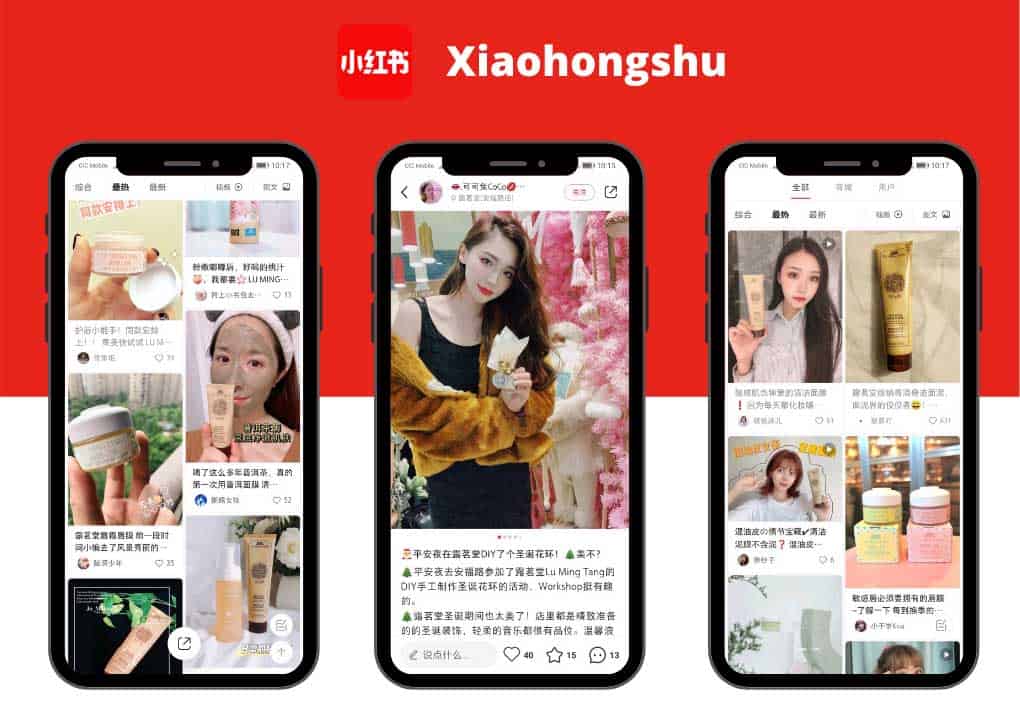
You can recruit these Key Opinion Leaders to represent your company, brand, product, or services in China through paid posts. This is a very powerful tool for international companies that are trying to enter the Chinese market, as it allows you to tap into large active communities that are strongly influenced by KOLs’ opinions.
It is estimated that more than 1 billion USD is spent on Key Opinion Leader marketing in China each year, which is an incredibly lucrative industry for both companies and KOLs.
Let us Assist you Manage Key Opinion Leaders and Key Opinion Customers
Considering that China is one of the most promising markets for foreign companies, it is crucial to remember that nearly everyone in China uses social media daily. In this digitalized nation, it is also essential to build brand awareness and e-reputation on platforms like Weibo, WeChat, Douyin, Xiaohongshu, etc.
By utilizing the services of Key Opinion Leaders, not only will you be able to reach a large audience, but you will also be able to obtain assistance in promoting your brand and products.