The Future of Hotel Marketing in China
In this digital era, even the hotel sector had to adapt. For this reason, robots have been hired in a new Tech-hotel.
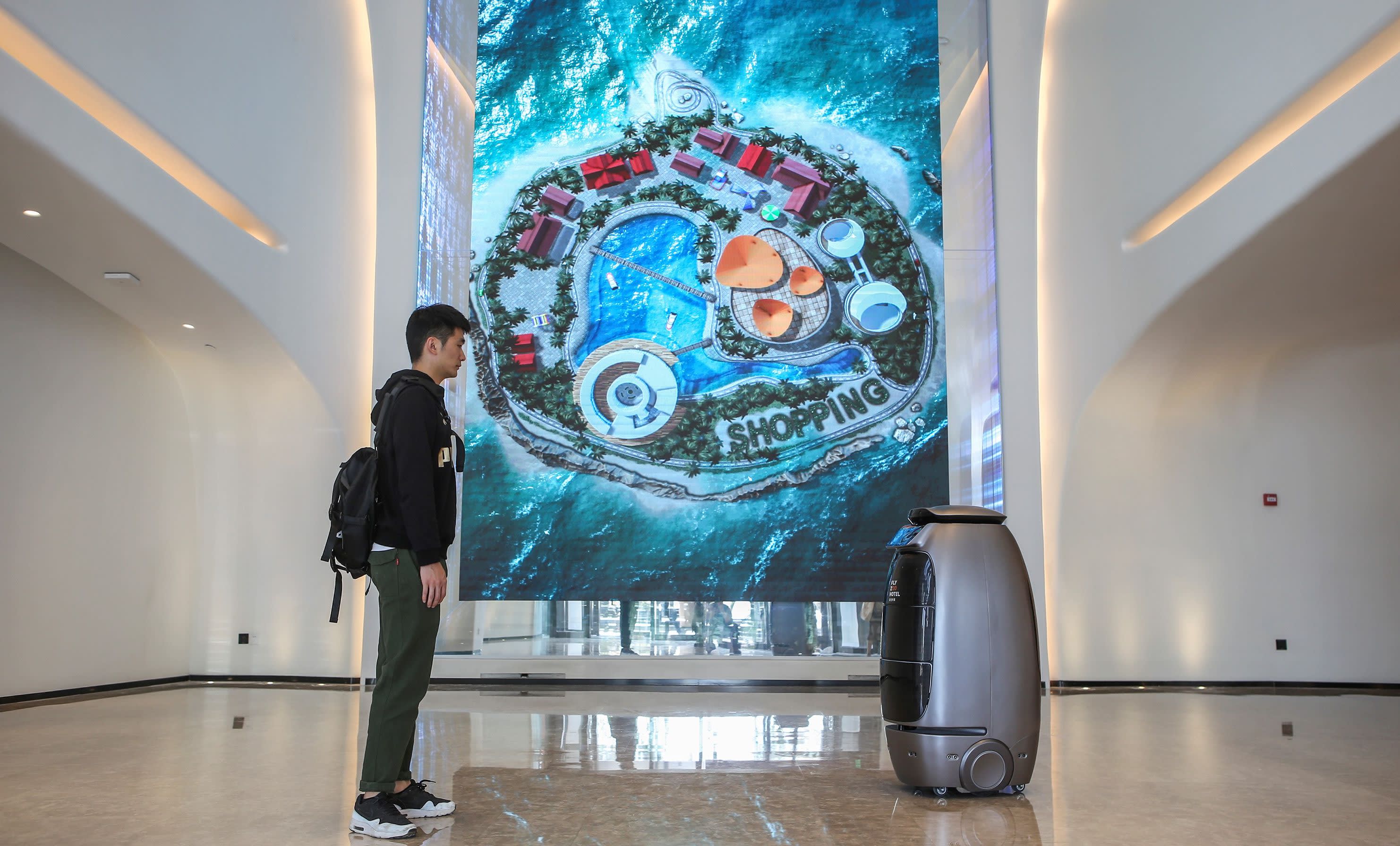
The idea, the project, and the investment come from the Chinese e-commerce giant Alibaba who wanted to build its hotel of the future, called Flyzoo Hotel in the city of Hangzhou, in the province of Zhejiang. Being a futuristic hotel, technology is the absolute master and manifests itself in various sizes and shapes such as the AI management system Tmall Genie that is able to take any order from guests. The CEO of Flyzoo Hotel, Wang Qun, believes this system is a formidable innovation.
International Hotels Adopt AI system
“The new AI system will help to improve the management efficiency of the hotel, by reducing more than half of the labor forces.”
Space where the visitors do not need any receptionists or porters as robots will be able to deal with the clients and their needs through a registered voice. There is also the possibility of being totally alone because, through the scanning of their face, guests can check in and access into the room, while with their own voice they can adjust the room temperature or the intensity of the light.
In the event that the hotel’s guests are interested in buying a few items or furniture in the room, they will simply have to take a picture of the desired object with a special app. This could happen because, in this new hotel, technology is combined with design, so according to your tastes you can choose your room among the 7 themes proposed, hence you can live a 360 degrees unique experience.
The success of this new hotel goes beyond technology, in fact, Alibaba knows the reality behind the world of hotels and their marketing in China. Adopting a good digital marketing strategy is the key to success in the world of hospitality services
This is what you NEED and how we can HELP you!

Referencing your Hotel on Baidu
Having a website translated in Mandarin Chinese is the first step to follow because the percentage of Chinese who speak English isn’t very high. Having a site in Chinese will bring a lot more traffic and will have more references on Baidu if you adopt an infallible SEO.
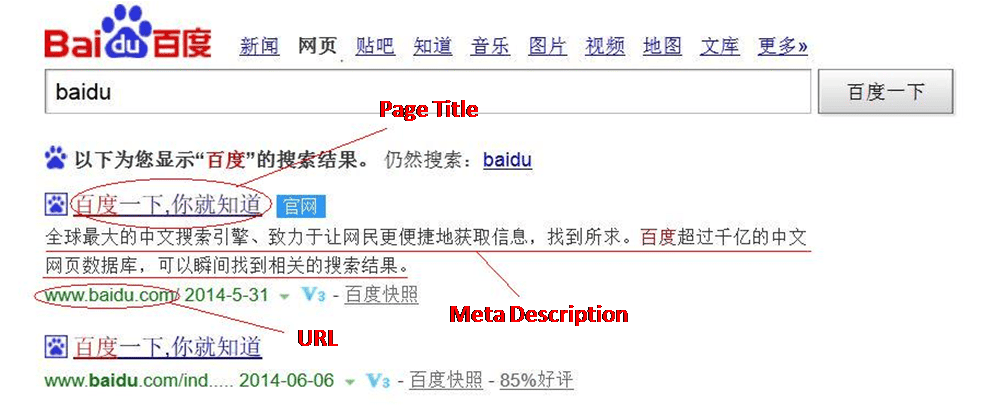
We can help you do SEO on Baidu with our expertise and experience.
Integrate the Chinese Travel Platforms
If you want to attire more Chinese in your hotel, You need it to be visible in the Chinese booking platforms like CTRIP, QUNAR, and ELONG. In fact, most Chinese tourists prefer to book their hotel room on a booking platform rather than booking directly on the website of the hotel.
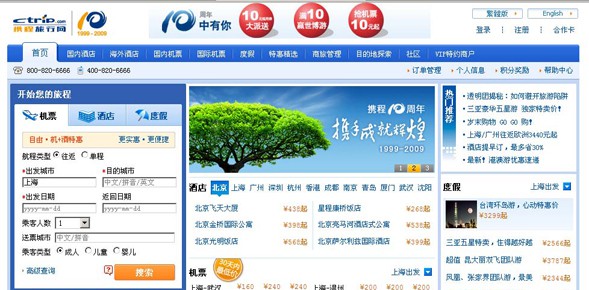
Our Agency can help you to integrate the Chinese Travel platforms
Online Press Releases
Our agency can help you to create and manage your hotel online booking platforms. Press releases are very important to attract tourists to your hotel. They help to gain visibility and build trust among Chinese Internet users. To do this, your hotel must appear or be mentioned on different sites and blogs.

We have more than 2000 journalists online on our address book.
Online Reputation

it is becoming vital for hoteliers to build an honest and professional online reputation. Since your online reputation is so readily visible to potential guests at all times, from reviews to posts, hoteliers need to monitor these channels as often as possible.
Our agency can help you manage your online reputation on tourism sites and forums
Wechat + Weibo Marketing: The Perfect Match
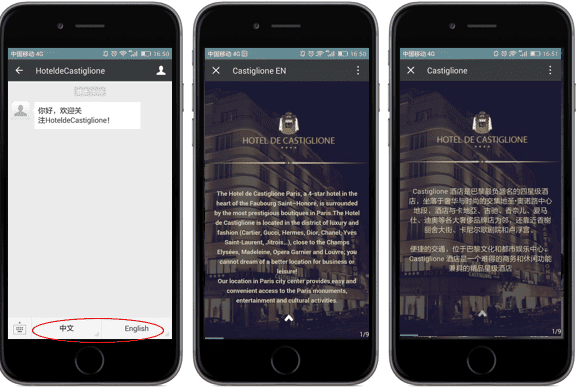
In China, you can do anything without integrate the Chinese social media platform such as Wechat or Weibo. Wechat is the most popular social network in China, With its 1 billion active users yo will be very powerful if you can catch them. On wechat, you can have a lot of advantages like create your Wechat Official Account, a wechat H5(Very strategic). On Weibo, you create a Weibo official account, you can collaborate with Chinese KOL in order to increase you fan awareness.

We are Wechat & Weibo Agency, for more information click here
Gentlemen Marketing Agency

What’s next? Contact Gentleman! A Digital Marketing Agency based in Shanghai. An amazing team that helps their clients to grow in the Chinese market by implementing the most effective digital strategy.
Read also:
- The Australian Brands Conquer The Chinese Market
- Tips to Lure Chinese Tourists?
- International Hotels in China Should invest more in Digital





This article is great, explain everything what we need to know to boost our Chinese visitors.
Do you have case studies and report that you can send me?