| |

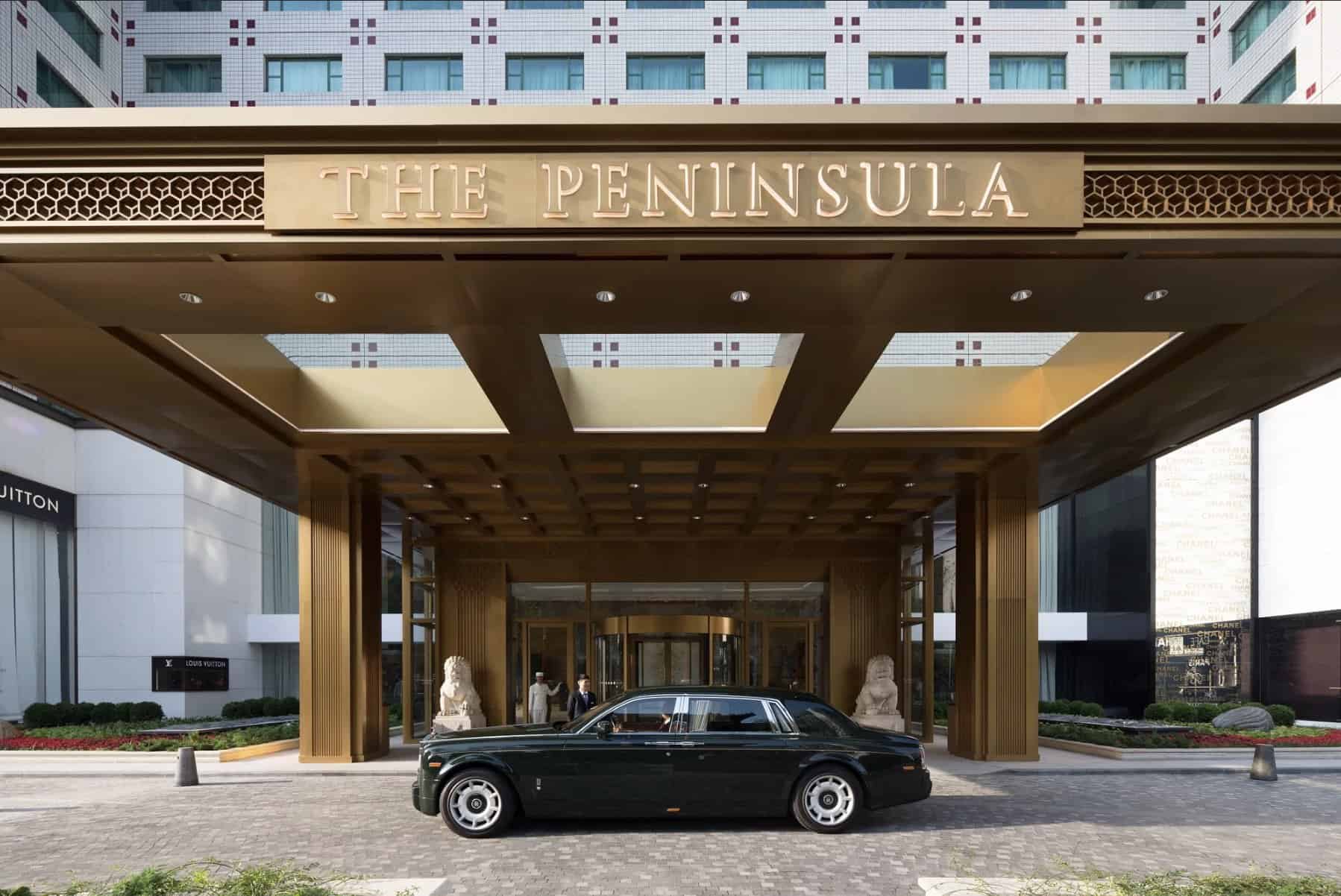
The luxury hotel market blossoms in China

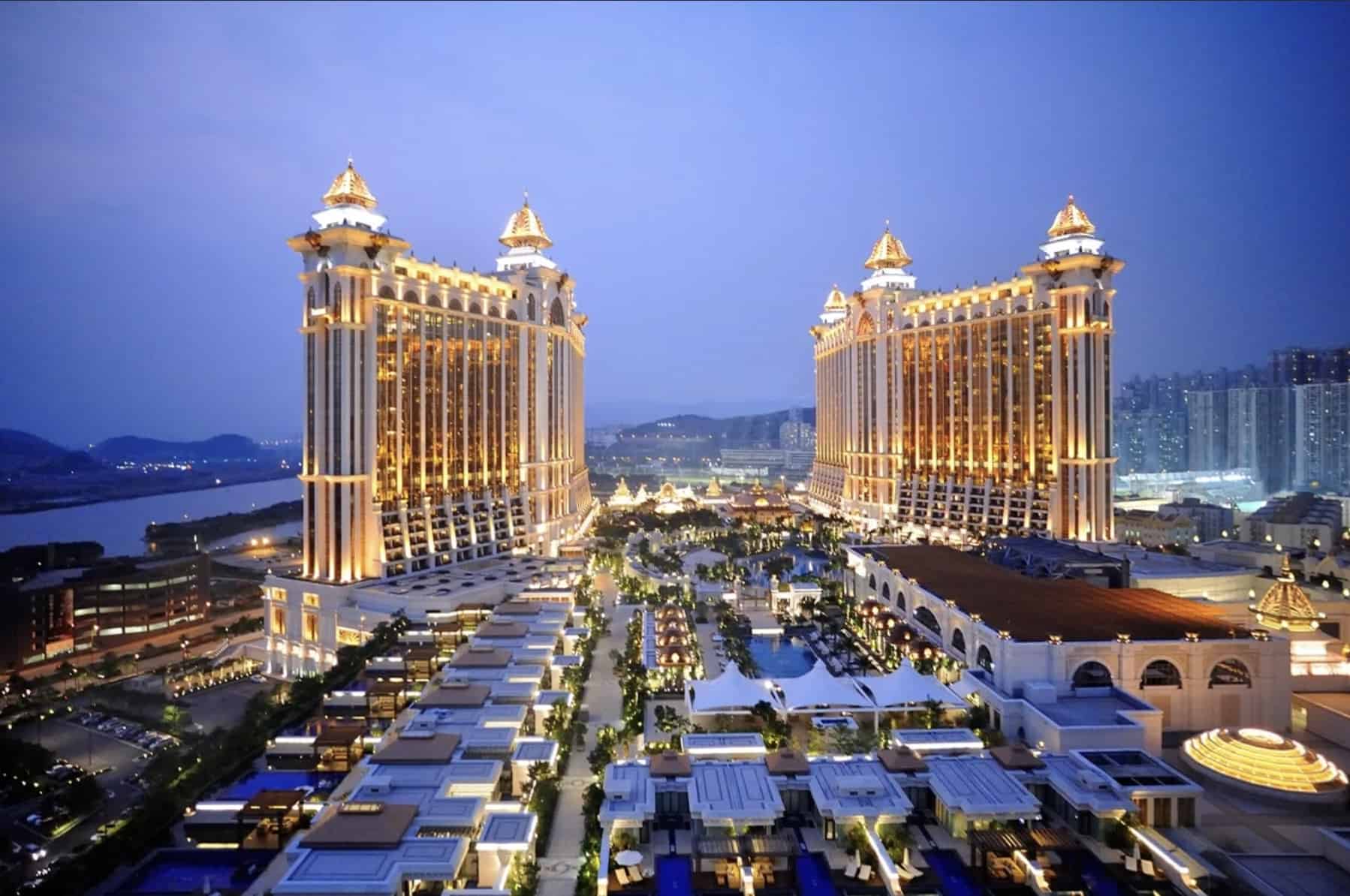
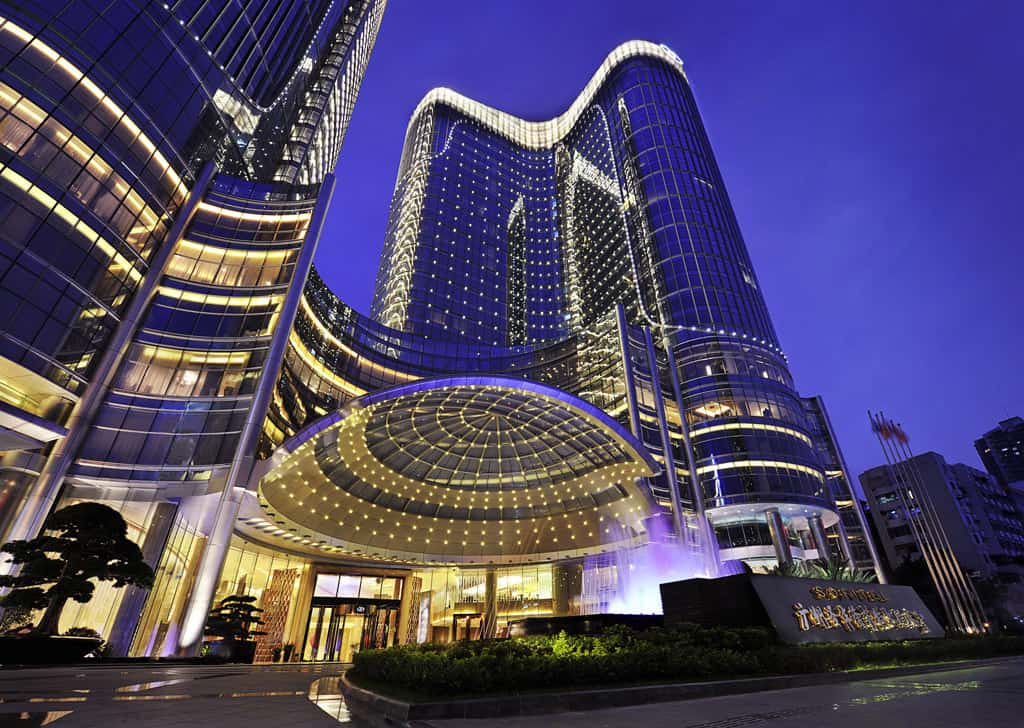
China’s luxury hotel market is one of the fastest-growing in the world. International chains are expanding, domestic brands are pushing into premium territory, and Chinese consumers with real spending power are demanding better and better experiences. If you are in hospitality and not paying attention to this market, you are missing something significant.

The numbers behind this growth are not subtle. China’s middle class now numbers around 500 million people and is expected to grow well beyond that through the rest of the decade. A large share of this group is travelling domestically and internationally, and they want hotels that match their aspirations. Budget accommodation is not what this generation is choosing.

Why international hotel chains are doubling down on China

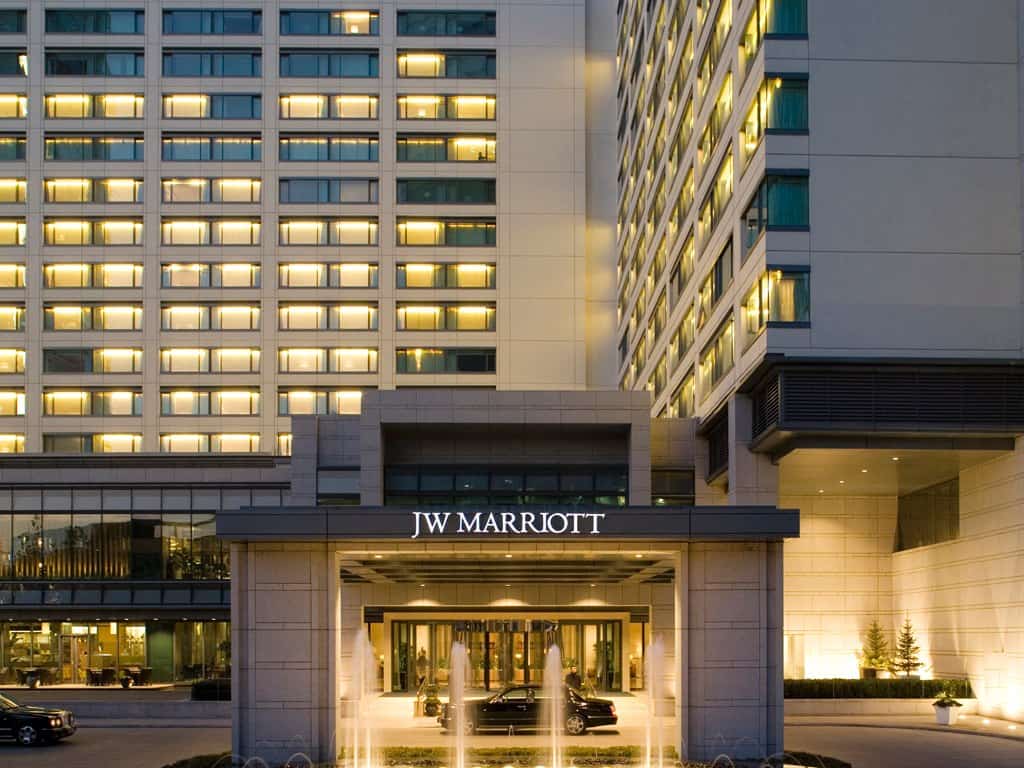
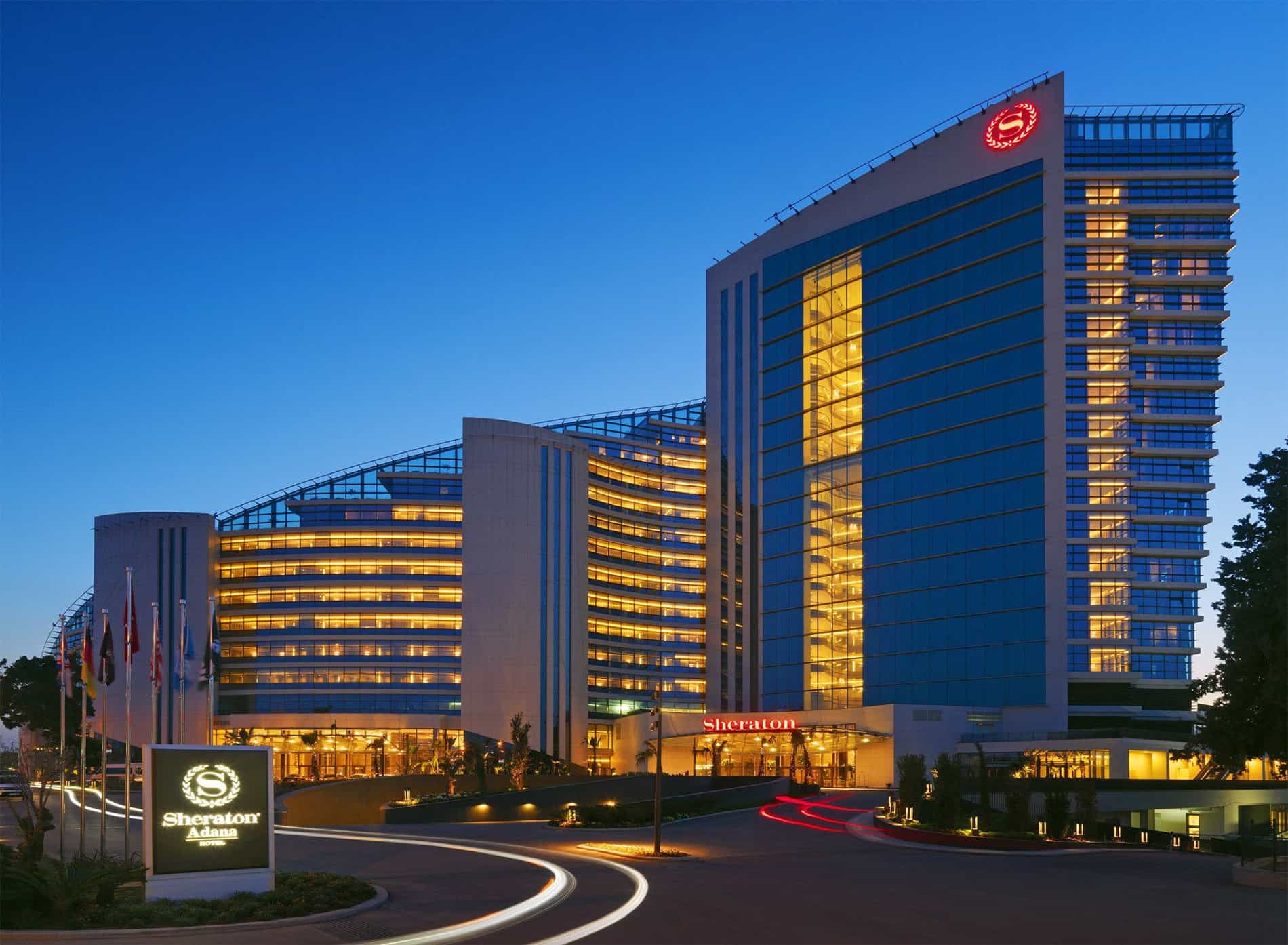
Marriott, Hilton, Hyatt, and IHG have all significantly expanded their China presence in the past few years. The logic is clear: urban Chinese consumers in tier-one and tier-two cities are willing to pay for quality, and the pipeline of new hotel construction in China keeps creating fresh opportunities for international brands to plant their flags.

Post-pandemic travel recovery in China has been strong. Domestic tourism bounced back quickly in 2023, and outbound travel has been recovering steadily. Both trends benefit the luxury segment. Chinese travellers who stayed home and spent on domestic luxury hotels during the pandemic years raised their own expectations. When they travel internationally now they bring those same standards with them.

The Ministry of Culture and Tourism at mct.gov.cn has published data showing that domestic tourism revenue in China exceeded 5.2 trillion RMB in 2023, with premium accommodation being one of the fastest-growing subcategories. International brands with a strong presence in China are well-placed to capture both the domestic spending and the outbound travel recovery.

What Chinese luxury hotel guests actually want

Understanding what Chinese luxury travellers value is important for any brand operating in or entering this space. It is not the same as European or American luxury expectations, and treating it as such is a common mistake.

Chinese luxury guests typically look for: seamless Chinese mobile payment options (WeChat Pay and Alipay are expected at any serious property), Mandarin-speaking staff, Chinese breakfast options alongside the international buffet, and a strong visual presence on Chinese social platforms. This last point matters more than many hotel groups realise. A property that is frequently featured on Xiaohongshu and Douyin carries a social proof that affects booking decisions directly.

Face and status signalling also matter. Chinese luxury guests often share hotel stays on social media, so the property needs to photograph well and feel premium from the lobby to the room. A hotel that looks good on a phone camera has a real competitive advantage in this market.

“International luxury hotels that adapt their service model for Chinese guests see dramatically better satisfaction scores and repeat visit rates,” says Jon Wang, analyst at GMA. “It is not about completely changing your identity. It is about adding specific touches: a tea selection that includes Chinese options, a WeChat account for guest services, staff trained to understand Chinese booking and gifting etiquette. These relatively small investments have a measurable impact on revenue, because Chinese luxury guests spend more and recommend more when they feel genuinely understood.”

Case Study: How a Geneva hotel went from 4% to 31% Chinese guests in two years

Alicia Fontaine is the general manager of Hotel Bellevue Lac, a 52-room five-star property on the shores of Lake Geneva in Switzerland. The hotel has been family-owned since 1987 and had built a loyal base of European and North American guests. In 2021, Chinese guests made up just 4% of bookings. Alicia knew this was an opportunity but did not know where to start.

Her first move was research. She spent three weeks reading about Chinese luxury travel behaviour and talking to other hotel managers in Geneva. What she found was consistent: the Chinese luxury traveller market was large, growing, and highly reachable through digital channels, but only if you used the right platforms.

In early 2022 Alicia allocated 45,000 CHF to a Chinese market entry programme. The budget covered four things: a Chinese-language page on the hotel website, a WeChat Official Account, a Xiaohongshu profile with professional photography, and a small paid campaign on Baidu targeting Chinese travellers planning European trips.

The hotel also made three operational changes. They added WeChat Pay and Alipay. They trained their front desk team on Chinese guest preferences including the importance of face and how to handle group bookings gracefully. And they introduced a Chinese breakfast corner with congee, dumplings, and jasmine tea as permanent fixtures on their buffet.

By the end of 2022, Chinese guests had grown from 4% to 14% of bookings. Average spend per Chinese guest was 2.8x higher than the hotel average, because Chinese luxury travellers were staying longer and adding services like spa packages and private dining. Total revenue from Chinese guests in 2022 was 320,000 CHF, up from 48,000 CHF in 2021.

In 2023 Alicia went further. She worked with two Chinese travel KOLs to create content about the hotel for Douyin and Xiaohongshu. The campaign cost 18,000 CHF. One Douyin video, showing the hotel’s sunrise over the lake from a suite, reached 2.1 million views. The hotel received 87 direct booking enquiries from Chinese travellers in the two weeks after the video was published.

By end of 2023 Chinese guests were 31% of all bookings. Total revenue from this segment exceeded 1.1 million CHF for the year. Alicia expanded the Chinese-language team by hiring a part-time Mandarin-speaking concierge who also manages the hotel WeChat account and responds to enquiries from Chinese guests planning their trips.

Alicia hotels strategy is now clearly dual-market: she continues to serve her loyal European and American guests at the same high standard while building the Chinese segment aggressively. The two guest profiles coexist well because Chinese luxury travellers seek the same core things: beautiful environment, excellent food, and attentive service. The adaptation is in the details not the fundamentals

How to market your hotel to Chinese luxury travellers

For hotel groups and independent properties looking to grow in this segment, here is where to focus:

  • Build a presence on Xiaohongshu: Chinese luxury travellers use it as their primary travel inspiration source
  • Use Douyin video to show the property, its atmosphere, and its location in an appealing way
  • Get listed on Ctrip and Fliggy with complete information and competitive rates
  • Open a WeChat Official Account for direct communication and booking support
  • Accept WeChat Pay and Alipay as non-negotiable basics

People’s Daily travel coverage at people.com.cn regularly features international hotels and destinations as part of its tourism and lifestyle sections. A mention there carries strong credibility with Chinese consumers who associate the platform with reliable information.

Working with a Chinese digital marketing agency gives hotel brands the expertise to move across these platforms correctly, without the trial and error costs of figuring it out independently. Chinese social platforms have their own rules, best practices, and audience expectations that are genuinely different from anything in Western markets.

For hotels that want to build a full China marketing strategy, from brand awareness to direct bookings, our services page outlines exactly how GMA helps properties at every stage.

How GMA Can Help

GMA works with luxury hotels and hospitality brands to build their visibility and credibility among Chinese travellers. Our services include:

  • Douyin (TikTok China) campaigns to reach high-intent Chinese luxury travellers
  • WeChat Official Account management for direct guest communication and bookings
  • Baidu SEO and PPC to capture search traffic from Chinese travellers researching your destination
  • RED (Xiaohongshu) influencer marketing to build aspiration and social proof
  • Chinese website design and localization for a professional, trusted online presence
  • KOL/KOC partnerships with travel and lifestyle creators who influence luxury travel decisions

About GMA

GMA is a Shanghai-based digital marketing agency specializing in helping international brands reach Chinese consumers. Since 2012, they have worked with tourism boards, hotels, real estate developers, luxury brands and more. Services include Douyin, WeChat, Baidu, RED, and Chinese website design. Whether you are launching in China or scaling up an existing presence, GMA provides the expertise and tools to drive real results. Learn more at chinesetouristagency.com/our-services.


Claire is a content strategist at GMA with 6 years of experience in Chinese digital marketing. She writes about tourism, branding, and how to reach Chinese consumers online.

Similar Posts

Leave a Reply

Your email address will not be published. Required fields are marked *