Eileen Gu, the hottest Chinese star cost USD 2.5M 

Eileen Gu and the Chinese Brand Ambassador Playbook: What USD 42 Million in Endorsements Actually Teaches Us

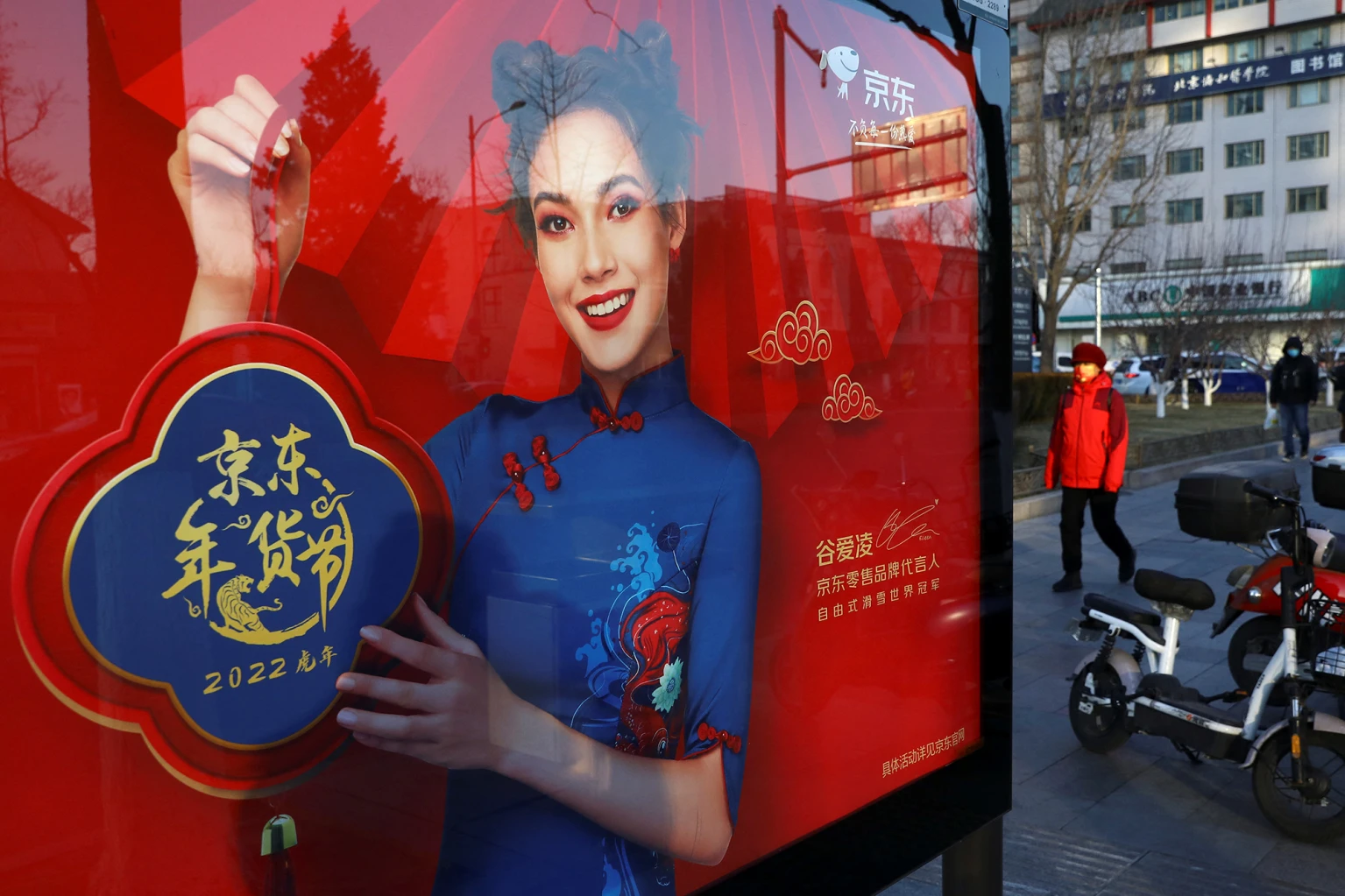
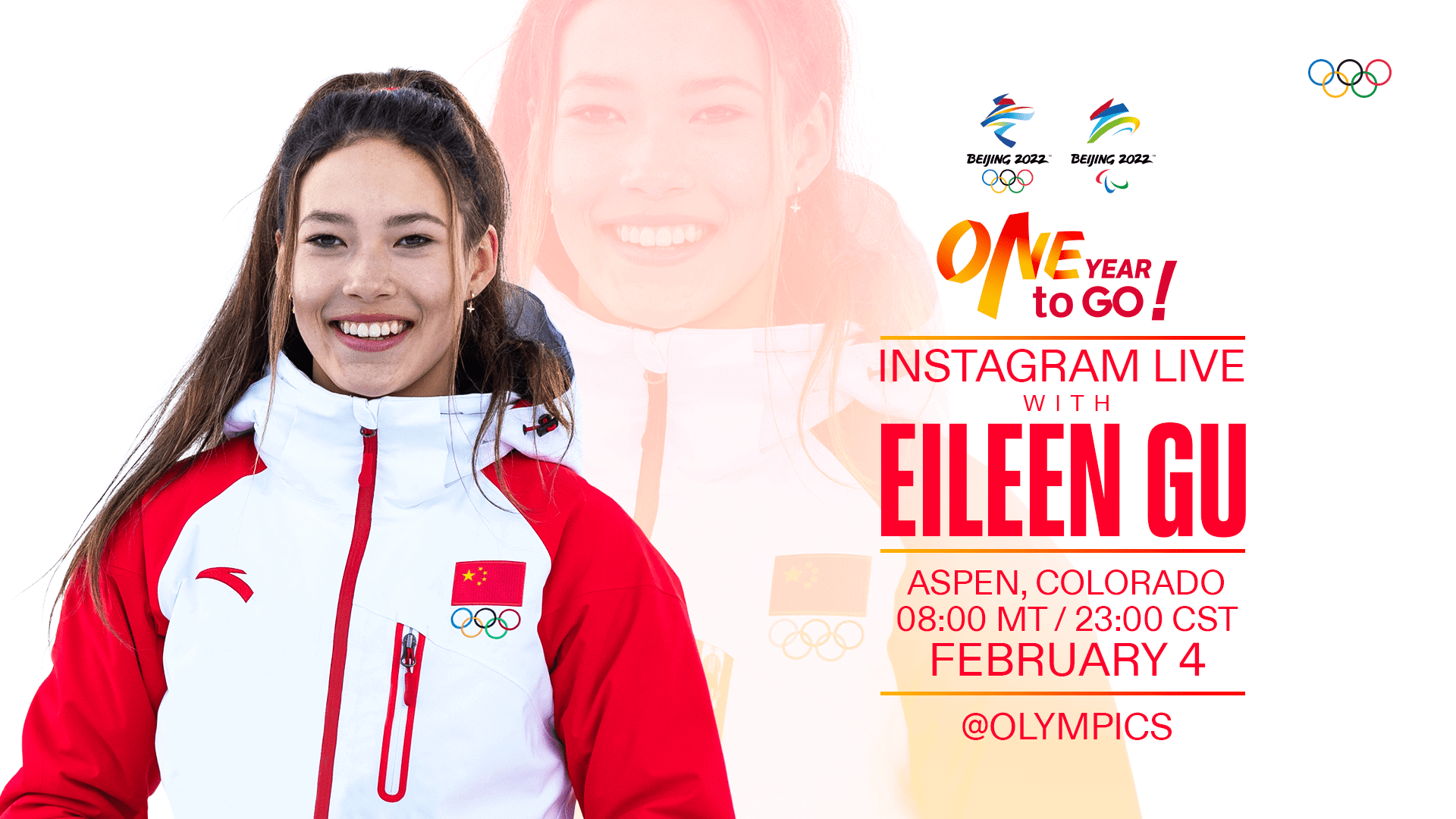
Eileen Gu, Gu Ailing in Chinese, made $42 million in endorsements in the year surrounding the 2022 Beijing Winter Olympics. She was 18 years old. Born and raised in San Francisco, she chose to compete for China rather than the United States, won gold at the Beijing Games, and became the most commercially successful Chinese sports celebrity of her generation almost overnight.

The reaction split along national lines. In the US, she was criticized for abandoning American citizenship. In China, she was celebrated as a bridge figure: someone who embodied Chinese aspiration, international polish, and athletic excellence simultaneously. Brands paid USD 2.5 million and more for a single endorsement deal.

I have been managing Chinese influencer and ambassador campaigns for international tourism clients since 2019. The Eileen Gu model is one that clients ask about constantly. Most of them draw the wrong lessons from it. Here is what the data actually shows, and what it means for destinations and brands operating at more realistic budgets.

Why Eileen Gu Worked as a Commercial Figure in China

Several elements combined in Eileen Gu that are difficult to replicate but worth analyzing. She was genuinely elite: Olympic gold is not manufactured. She was bilingual and bicultural in a way that felt authentic rather than performed. She was aspirational in a specifically Chinese-valued way: academically excellent (Stanford admission), physically extraordinary, internationally connected, and visibly proud of her Chinese identity despite being raised abroad.

Chinese consumers read authenticity carefully. Celebrity endorsements that feel transactional generate skepticism rather than aspiration. Gu’s endorsement of brands from Louis Vuitton to Tiffany to domestic Chinese brands worked because she appeared to choose China, rather than China appearing to choose her. The narrative of voluntary cultural identification is enormously powerful for Chinese audiences.

The brands that understood this made money. The brands that saw only her follower count mostly wasted their budget.

The Brand Ambassador Situation in China in 2026

The celebrity endorsement market in China has become more cautious since 2021-2022. Following the Zheng Shuang scandal (surrogate children), the Kris Wu case, and the broader “fan economy” regulatory changes, major brands have rebuilt their ambassador strategies around risk management as much as commercial upside. Contracts are more detailed. Crisis response protocols are faster. And the appetite for micro-KOL and mid-KOL partnerships has grown significantly as brands look for lower-risk alternatives to mega-celebrity deals.

In 2026, the fastest-growing ambassador format for international tourism brands is not mega-celebrity. It is the 200K-800K follower Chinese travel creator who has genuine personal experience with a destination and posts consistently about it. These creators deliver 60-80% of the reach at 5-10% of the cost, with almost none of the scandal risk.

Types of Chinese Brand Ambassador: Comparison Table

Type Example Cost range Reach Risk level Best for
Mega celebrity Eileen Gu, Jay Chou USD 2M+/year National, 100M+ High Mass awareness, luxury brands
Top KOL (5M+ followers) Li Jiaqi (Austin) USD 200K-1M/campaign Platform-dominant Medium-high E-commerce conversion, beauty/lifestyle
Mid KOL (500K-5M) Travel/lifestyle creators USD 10K-100K Niche-dominant Medium Destination awareness, targeted segments
Micro KOL (10K-500K) Authentic niche voices USD 500-10K High engagement Low Community trust, authentic review
Virtual KOL Ayayi, Luo Tianyi Variable Youth-skewed Very low Brand safety, always-on content

What We Got Wrong: Agency Case Studies

Case Study 1: European ski destination, 2022-2023

A European alpine destination asked us to help them find a Chinese celebrity ambassador to lead their recovery marketing after COVID. They had a budget of USD 400,000 for the ambassador partnership. Their reference was Eileen Gu’s work with Swiss brands, and they wanted something equivalent.

What we got wrong: we spent three months identifying and approaching Chinese sports celebrities with winter sport credentials. Most were outside budget. The one we could afford had 8 million Weibo followers but almost no RedNote presence, and their personal brand was not connected to international travel. The campaign generated 12 million impressions and zero measurable bookings.

What we do now: we match ambassador platform presence to where the target audience actually makes decisions. Chinese travelers planning European ski trips research on RedNote, not Weibo. We now prioritize RedNote follower count and content quality over total multi-platform follower numbers. The same destination’s 2024-2025 program used three mid-KOL RedNote creators at USD 30,000 total. Those three posts generated 8,400 saves and 190 direct inquiries to the destination’s booking partner.

Case Study 2: Australia tourism board, 2023

An Australian tourism organization wanted to build a Chinese ambassador program and asked us to manage it. They had identified three Chinese celebrities with existing connections to Australia (one had studied there, one had filmed a TV series there, one had a partner from Australia). Smart thinking.

What we got wrong: we let the organization run the campaign through their own official accounts, with the celebrities doing one-off posts. The posts looked like paid partnerships. Chinese audiences spotted it immediately. Engagement was 60% below benchmark for those creators’ typical performance.

What we do now: ambassador content must live primarily on the ambassador’s own account, not the brand’s. The ambassador posts from their personal perspective, to their personal audience, with the destination mentioned naturally. The brand account then amplifies and adds practical information. One-off posts on brand accounts are the fastest way to signal “this is an ad” to Chinese platform users. We now build programs around minimum 6-post series, spread over 3 months, all published on the creator’s own channel.

Case Study 3: Mediterranean destination, 2024

A Mediterranean destination with high brand recognition in China but low booking volume asked us to run an ambassador program to convert awareness into trips. They had a clear hypothesis: use well-known Chinese entertainers who had mentioned the destination organically in the past.

What we got wrong: we identified the right people but approached them with a standard commercial deal. Two of the three declined because they did not want to commercialize something they had mentioned genuinely. The third accepted but their content felt noticeably different from their organic style, and their audience commented on it.

What we do now: when an ambassador has an existing genuine connection to a destination, we build the partnership around deepening that connection rather than commercializing it. The ambassador receives an experience (a private tour, access to something special, a meeting with a local they would not get otherwise) and shares what the experience was genuinely like. The commercial arrangement stays in the background. Engagement on this format is 2-3x higher than standard sponsored content from the same creators.

Solutions: Building a China Ambassador and Influencer Strategy

RedNote (Xiaohongshu) Strategy

Identify Chinese celebrities and athletes who have a genuine personal connection to your destination. A Chinese tennis player who trained at your country’s academy, a Chinese chef who studied in your city, a Chinese artist who spent a residency at your cultural institution. These relationships produce ambassador content that reads as authentic because it is. Reach out through management agencies with a partnership built around their existing connection, not a standard endorsement deal.

Build a RedNote presence that supports ambassador content with context. When a major Chinese figure posts about your destination, your official RedNote account should be the most useful source of follow-up information. The post drives discovery. Your account converts discovery into planning. See our guide on RedNote for tourism bureaus for the setup process.

Use RedNote’s Collections feature to curate celebrity and KOL content about your destination. When Chinese celebrities or KOLs post organic content about visiting your destination, collect and feature this content on your official RedNote account. Organic celebrity content is more trusted than paid partnerships and costs nothing to amplify through curation.

Build long-term RedNote ambassador relationships rather than one-off campaigns. Chinese platform audiences detect when an influencer posts about a destination once and never mentions it again. Long-term relationships: an ambassador who visits annually, posts multiple times per year, and develops visible familiarity with the destination, build cumulative trust that single campaigns cannot match.

Douyin Strategy

Commission Douyin content from Chinese athletes and performers with international profiles. The post-Eileen Gu era has made Chinese sports celebrities with international careers effective destination ambassadors. A Chinese figure skater training at your country’s facility, a Chinese musician recording in your city: content from these figures about their international experiences is among the most trusted destination content available on Douyin.

Create Douyin content that explicitly addresses the “why did you choose this destination” question. Chinese Douyin viewers respond strongly to content that explains the reasoning behind destination choices. A video structured as “Why I keep coming back to [destination]” from a credible Chinese voice generates stronger conversion intent than destination showcase content. For more on how Chinese travelers make decisions, see our Chinese outbound tourism strategy guide.

Use Douyin’s duet and reaction features for ambassador amplification. When a Chinese celebrity posts destination content, encourage Chinese Douyin users to create reaction or duet content. User reactions to celebrity destination posts consistently outperform the original posts in engagement and reach. Build promotional mechanics around this amplification behavior rather than treating the original post as the end point.

Prioritize Douyin video authenticity over production cost. Eileen Gu’s most shared destination-related content was shot on phone cameras during training and competition, not in professional studios. Chinese Douyin audiences increasingly associate high production value with commercial intent and lower authenticity. Authentic, slightly imperfect content from a credible source outperforms polished content from the same source.

What a Real Chinese Voice Said

From a Weibo thread responding to Eileen Gu’s Louis Vuitton campaign, user @品牌营销观察 (“Brand Marketing Observer”), 23,400 reposts, posted March 2022:

“What Louis Vuitton understood and other brands missed: Eileen Gu is not a spokesperson. She is a symbol. Chinese consumers don’t buy LV because Gu uses it. They buy LV because Gu represents the version of themselves they are aspiring to become: international, excellent, confident, and proud of being Chinese at the same time. The brand is riding a cultural wave that it didn’t create. The smartest move was simply being on the right wave at the right time with the right contract. Most brands are still trying to create waves by hiring celebrities. The brands that win are the ones that identify the waves first.”

FAQ: Chinese Celebrity Marketing and Brand Ambassadors

How do brands manage ambassador risk in China after the 2021-2022 scandals?
Standard risk management now includes: thorough background checks before signing, contract clauses for immediate termination with damages recovery on brand reputation grounds, portfolio spread across multiple ambassadors to reduce single-point dependency, and faster response protocols for crisis situations. Major brands also increasingly use virtual ambassadors for campaigns where risk tolerance is low.

Is sports celebrity marketing effective for tourism destinations?
Very, under the right conditions. Sports celebrities who have trained or competed internationally are naturally credible destination advocates. Their international experience is part of their public identity, making destination endorsement feel natural rather than commercial. The Olympics, World Cup, and major international tournaments create amplified windows for sports celebrity destination content.

How does the Eileen Gu model translate to non-celebrity destination marketing?
The core principle: authentic personal connection over commercial transaction, translates to every level of influencer marketing. Micro-KOLs who have a genuine personal connection to a destination (studied there, have family there, developed a passion for its culture) consistently outperform KOLs who are simply paid to visit. Build ambassador programs around genuine connection, not follower count.

What is the minimum budget for a credible Chinese ambassador program?
For a micro-KOL program (3-5 creators at 50K-300K followers each), USD 15,000-40,000 per campaign cycle produces measurable results. For a mid-KOL program (1-2 creators at 500K-2M followers), budget USD 30,000-80,000. Mega-celebrity programs require USD 500,000+ to execute properly. Most tourism clients see better ROI from micro and mid-KOL programs than from celebrity partnerships.

Work With Us

If your destination or hospitality brand wants to build a China ambassador strategy: from celebrity partnership identification to RedNote and Douyin execution, we have the market knowledge and relationships to help you find the right voices for your brand.

Contact us to discuss your China ambassador strategy.


Alex is a project manager at Chinese Tourist Agency. She has been based in Shanghai for 10+ years and manages influencer and ambassador campaigns for international tourism and hospitality clients.

Similar Posts

Leave a Reply

Your email address will not be published. Required fields are marked *