
Chinese Tourists in Malaysia: Guide for Tourism Professional
Malaysia’s Visa-Free Policy for Chinese Tourists: A Boon for Domestic Operators?
Starting December 1, Malaysia has implemented a visa-free policy allowing Chinese tourists to stay up to 30 days without a visa. However, local tour operators are questioning the actual ‘benefit’ this policy brings to Malaysian businesses, as they often face competition from larger Chinese agencies organizing all-inclusive, pre-paid tours.
10 Reasons Why Chinese Tourists are Attracted to Malaysia:
- Cultural Affinity: Malaysia’s diverse cultural heritage, including a significant Chinese community, offers a sense of familiarity for Chinese tourists.
- Natural Beauty: From the stunning beaches of Langkawi to the lush rainforests of Borneo, Malaysia’s natural landscapes are a major attraction.
- Culinary Delights: Malaysia’s food, renowned for its diversity and flavor, particularly its street food, is a huge draw for Chinese visitors who enjoy culinary exploration.
- Shopping Paradises: Places like Kuala Lumpur are shopping havens with a mix of luxury brands and affordable markets, appealing to the varied tastes of Chinese tourists.
- Historical Sites: Rich in history, destinations like Malacca and Penang, with their UNESCO World Heritage Sites, attract tourists interested in history and culture.
- Ease of Communication: The widespread use of Mandarin and other Chinese dialects in many parts of Malaysia makes communication easier for Chinese tourists.
- Affordability: Compared to other popular tourist destinations, Malaysia offers an affordable travel experience, from accommodation to dining and shopping.
- Medical Tourism: Malaysia is becoming a hub for medical tourism, offering high-quality healthcare services at competitive prices, which is increasingly attracting Chinese visitors.
- Festivals and Celebrations: The celebration of Chinese festivals in Malaysia, like Chinese New Year, is a unique experience that attracts tourists wanting to experience these festivities abroad.
- Adventure and Leisure Activities: Malaysia offers a wide range of activities, from relaxing beach holidays to adventurous jungle trekking, catering to various preferences of Chinese tourists
- Malaysia expects 8 million Chinese tourists by 2024
- In 2019, Malaysia received 26.7 million tourists
Malaysia Tourism

Malaysia is ranked 9th in the world for tourist arrivals, which was the fifth best in Asia. However, most of arrival tourists are Singaporeans who daily cross the border to Malaysia for work and go back at night time.
In order to diversify its economy and make Malaysia’s economy less dependent on exports, the main goal of the government was to increase tourism in Malaysia. As a result, tourism has become Malaysia’s third largest source of foreign exchange income, and accounted for 7% of Malaysia’s economy since 2005.

Malaysia offers two great distinct experiences: the peninsula and Borneo (an island shared with Indonesia and Brunei). The peninsula is a mix of Malay, Chinese and Indian flavors with an efficient and modern capital, Kuala Lumpur. Malaysian Borneo features some of the most beautiful places in Malaysia with a wild jungle, orangutans, granite peaks and remote tribes. Combined with some amazing islands, a luxury resorts and colonials town, Malaysia, for most visitors, presents a happy mix.
More and more Chinese tourists choose Malaysia

The total Chinese tourist arrivals in Malaysia increased by 7.5 percent year-on-year to 551,000 in the first quarter this year and this figure may continue to rise up following some encouraging measures by China and Malaysia.
China ranked third in terms of visitor arrivals to Malaysia in the first quarter. It accounted for 8.3 percent of the total visitors to Malaysia, after Singapore at 48.5 percent and Indonesia at 10.6 percent.
Malaysia had introduced the Electronic Travel Registration & Information or eNTRI and e-visa facilities in March last year for tourists from China. This eVisa and visa waiver programs for Chinese tourists have succeeded in attracting more visitors from China.

Do you want to attract more and more Chinese Tourist in Malaysia? Just trust us and adopt our different marketing strategies like our client: Windows Malaysia.
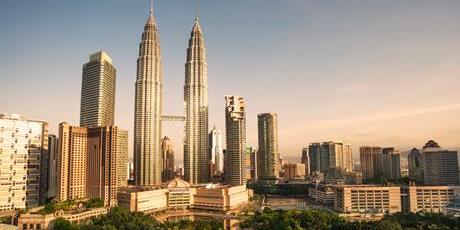
In fact Window Malaysia is an online portal to a network of fast-growing Asia, both private and government organizations. Window Malaysia is an extension of Visa Malaysia, which aims to offer a great strategy to promote Malaysia as a hub of tourism, education, Malaysia My Second Home (MM2H), businesses and investments.
We built a unique marketing strategy for them,
Their Objectives:
-Reputation
-Traffic
-Business (visa registration)
Our Solution:
-Weibo/WeChat/Offsite SEO
Result:
-2300 Weibo followers in one month/strong interaction
As Windows Malaysia, you have to understand all these approach for better results:
Lead generation is your booster

Lead generation is this process of attracting visitors to your platforms and turning them into potential customers. It’s always important to start a marketing campaign with relevant leads. For your tourist agency, a lead would be a website visitor who asked for more information about your service. It could also be someone who asked a callback.
Every service can become successful when you target the right audience to promote it. The most powerful approach in order to reach this audience is to filter prospects until to get the most relevant lead which will turn into conversions.
Having all these leads, give you have access to their personal information such as email address, name, phone number or even address. Then, with all their information you can contact them and develop a strong engagement.
Online Reputation means a lot in China

Even if you’ve got good traffic on your platforms, you have to keep a good image on internet. E-reputation is very important in China, build it well and your tourism business can be well- known, and try to keep it after you’ve reached fame among the digital community.
So it is important to always keep a good reputation whatever happens around you. Online reputation management is more than just a simple way to fix a damage by erasing the bad contents on the web but it also help to put your business to high level if you apply it properly.
positive users feedback is VITAL

Bad contents have the power to influence customers ‘decision and pushing down your agency image and you could lost your integrity and credibility among Chinese tourist. Chinese consumer is connected and they can get all information about anything and know what people said about your agency and listen to the conversation.
For developing a strong presence, you need to make sure your potential lead in China won’t find any negative reviews and opinions about your product or company.
Baidu SEO is the best approach
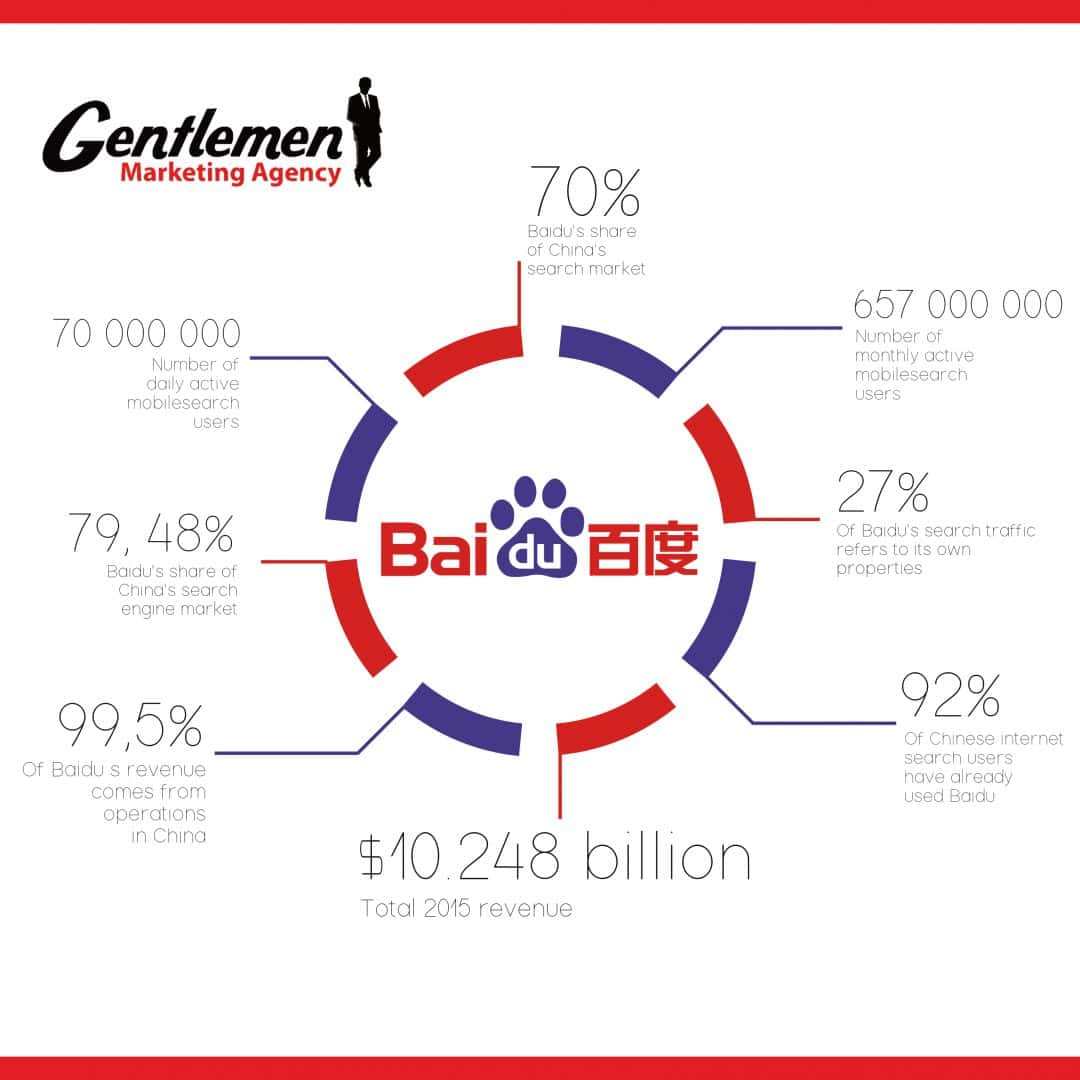
All the western search engines such as Google are not allowed by the China Great Firewall’’. So the only issue is Baidu.
Baidu is the most popular search engine in China with 80% market share. Then, if you want to be present on the most popular digital platforms in China, you have to use BAIDU.
Search Engine Optimization (SEO) is the best method in order to generate traffic and leads. This strategy will allow your website to get more visibility at the top of a search result page but it needs expertise.
Consider internal and external backlinks, by having them your website, Baidu will trust you more and to get increase visibility to your website.
Baidu SEO optimized website and content will enable your website to be trustworthy and reliable. Finally, you can use PPC (pay-per-click) which is the fact of paying to rank higher on a set of keywords.
Social media marketing the new trend
Facebook, Twitter, Instagram, YouTube and other social medias are all blocked in by the ‘’Great China Firewall’’, instead, you have WeChat, Red and Douyin
Malaysia Tourism professionel have to understand that and start to build a new strategy around the most popular Chinese social media such as Wechat, Red , Douyin .
Little Red Book (Xiaohongshu) : Little Red Book, also known as Xiaohongshu, is a popular social media and e-commerce platform in China. It combines lifestyle sharing with product recommendations, enabling users to post and explore content related to fashion, beauty, food, and travel. With a user base passionate about lifestyle trends and consumer experiences, it’s a vital platform for brands looking to engage with Chinese consumers to Malaysia.
5 Points for Tourism Companies to Leverage Little Red Book:
- Engage with User-Generated Content: Encourage satisfied customers to share their travel experiences and photos, boosting organic visibility.
- Influencer Collaborations: Partner with popular Xiaohongshu influencers to reach a wider audience and gain credibility.
- Share Unique Travel Stories: Post captivating content about destinations, focusing on unique experiences that can’t be found elsewhere.
- Leverage Hashtags and Challenges: Create or participate in popular hashtags and challenges to increase engagement and visibility.
- Offer Exclusive Deals: Promote special offers or exclusive packages to Xiaohongshu users to drive interest and bookings.
Douyin Introduction:
Douyin, the Chinese version of TikTok, is a leading short-video platform in China known for its engaging content and wide reach among younger audiences. It allows users to create, share, and discover short videos, often featuring music, entertainment, and creative content. For tourism companies, Douyin offers a dynamic way to connect with potential travelers through visually appealing and creative content.
5 Points for Tourism Companies to Leverage Douyin:
- Create Visually Appealing Videos: Use high-quality, engaging videos to showcase destinations, highlighting their beauty and uniqueness.
- Utilize Trending Music and Effects: Incorporate popular music and creative effects to make content more engaging and shareable.
- Participate in Challenges and Trends: Engage with current trends and challenges on Douyin to increase visibility and reach.
- Collaborate with Douyin Influencers: Work with popular Douyin creators to tap into their followers and enhance credibility.
1- WeChat . It is the most popular app, with more than 1billion active users in China in 2024. It offers special features such as wechat account for brand, Wechat pay, buy taxi, book reservation…
WeChat Pay really help and weChat Video (simiar to Douyin) can help you to promote your hotel, agencies, shop
Have Chinese website
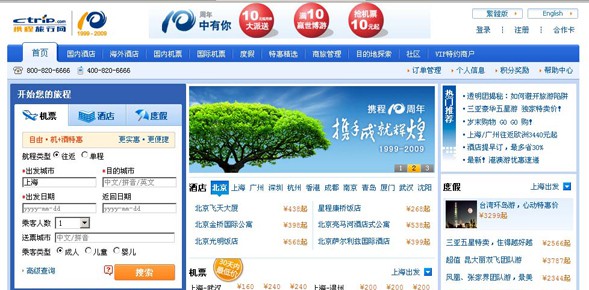
It is clear, Chinese internet users trust more Chinese Website than English website.
With more than 900 million Chinese internet users, China is the most connected countries in the world. They spend nearly 40% of their dailylife on Internet; it means a Chinese website is a good approach to get these potential clients.
Your website should respect a certain “protocol” to be sure that it will be easily found and has a nice design for the Chinese visitor.
You should also, be available for your Chinese visitors. The best would be to have a 24/24h customer service able to reply to any questions anytime.

Now you know the best method to attract Chinese tourists, but the fact is you need a good digital marketing agency, which have a right expertise and Chine market experience to help you to enter in the Chinese tourism market. This is what we are working for.
Chinese tourism market is very competitive and you have to think in term of money and marketing strategy. Chinese tourist is the “king” of outbound tourism, every country want to get them, so doesn’t be late, the decision is now.
GMA is a digital marketing agency

GMA is a digital marketing agency based in Shanghai, Beijing, and Shenzhen with seven years of experience in the China market.
Thanks to our big team composed by nearly 40 experts, we are you best solution to attract more and more Chinese Travelers.
We used to work with international brand; tourist agency over the world like Bali Travel, Jacada Travel, Luxury Beach House Maldives… can be testified about our service and the result in their agency.

Read also:





I have read. I very interesting, pls contact me.