Chinese Tourists in Croatia: The Adriatic Discovery
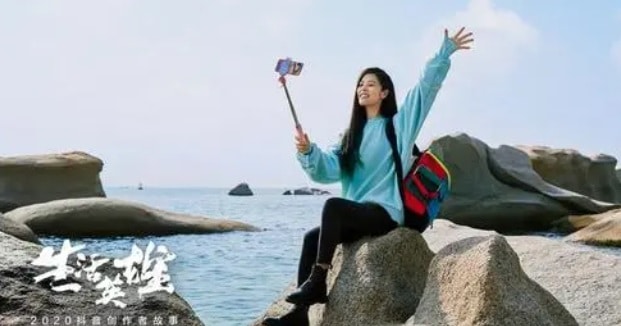
A single Xiaohongshu post of a Chinese influencer kayaking in Dubrovnik’s Old Town reached several million views in 2024. Bookings to Croatia from China spiked within days. That’s how fast this market moves, and that’s why Croatia — a country with roughly 100,000 Chinese visitors per year — punches well above its weight in Chinese social media visibility. Chinese travelers on Zhihu describe Croatia as “Europe’s best kept secret that’s no longer a secret,” a country where the Adriatic Sea is impossibly blue, the medieval walls are straight out of a historical drama, and the crowds are still less overwhelming than Paris or Rome.
The numbers
- ~100,000 Chinese visitors per year in recent years, up from near zero pre-2015 (Croatian National Tourist Board)
- Pre-pandemic peak of 300,000 Chinese visitors in 2019 — still the benchmark target (CNTB, 2019)
- 93% year-on-year growth in Chinese visitors recorded in one recent reporting period (Travel Daily News Asia)
- Croatia welcomed 21.8 million total tourists in 2025, up 2.2% on 2024 (Croatian tourism authorities, 2025)
- China is a priority growth market for Croatia, with the CNTB actively expanding distribution in China

Latest: what’s happening right now
- Game of Thrones continues to drive Chinese interest (2025-2026): Despite the show ending years ago, Dubrovnik’s association with King’s Landing remains one of the most powerful ongoing content drivers for Chinese visitors. Chinese travelers on Xiaohongshu post Dubrovnik Game of Thrones location guides regularly, with hashtag content around #权力的游戏取景地 generating consistent traffic. This cultural hook keeps Croatia visible in Chinese travel conversations without major marketing investment.
- Southeast Europe becoming a single Chinese itinerary (2025): According to Dragon Trail International’s research, Chinese visitors are increasingly combining Croatia with Slovenia, Bosnia and Herzegovina, and Montenegro into a single Balkan circuit. Croatia serves as the anchor destination — typically entered via Dubrovnik or Zagreb — with other countries added as day trips or overnight stops. This changes the accommodation and tour packaging dynamic significantly.
What Chinese tourists think about Croatia
The appeal is strongly visual and cultural. Chinese travelers on Xiaohongshu frame Croatia as “the Mediterranean without the crowds” — a comparison to Italy or Greece that Croatia benefits from enormously. The Dubrovnik city walls, the Plitvice Lakes waterfalls, the Diocletian’s Palace in Split: these are all intensely photogenic in a way that translates perfectly to Chinese social media content. Croatian blue — whether the Adriatic Sea, the travertine lakes at Plitvice, or the sky over Dubrovnik’s terracotta rooftops — is a specific aesthetic that Chinese travelers respond to.
What frustrates Chinese visitors? The lack of Chinese-language support. Menus, transport signage, and hotel staff communication in English only is manageable but creates friction. A consistent complaint on Zhihu: “Dubrovnik is beautiful but you feel like a foreigner in a way you don’t in Paris, because at least Paris has more Chinese tourists to follow.” The translation gap is real and represents a practical opportunity for businesses that invest in even basic Mandarin signage or bilingual menus.
What surprises them? The food. Croatian seafood gets strong reviews on Xiaohongshu — oysters from Ston, grilled fish on the Dalmatian coast, fresh squid ink pasta. Chinese travelers don’t expect European coastal food to rival the quality of Chinese seafood, and when it does, they post about it extensively. A restaurant near Dubrovnik’s port that has strong Chinese platform visibility can capture a significant share of Chinese dining spend.
Opportunities for tourism businesses
Hotels and private villas in the Dubrovnik area and Split have the clearest opportunity. Chinese visitors tend to stay 2-3 nights in Croatia as part of a longer European trip. They want well-located, photogenic accommodation. If your property has a sea view, a terrace, or a rooftop with a Dubrovnik city wall backdrop, that single visual element can drive significant Chinese platform content — and content drives bookings. Make it easy for Chinese guests to photograph your property and share it.
Tour operators can do well by building “Croatia + Balkans” circuit packages targeted at Chinese independent travelers. The Plitvice Lakes are a must-include, but adding the Mostar bridge in Bosnia or Lake Bled in Slovenia creates a more compelling multi-country proposition. Chinese travelers like itineraries that feel efficient — maximum visual variety in minimum travel days. A well-designed 7-day Balkan circuit anchored in Croatia is a strong product for this market.
Seafood restaurants in Dubrovnik, Split, and on the Dalmatian islands have real opportunity if they build a presence on Xiaohongshu. A restaurant that gets featured in three or four well-produced posts from real Chinese visitors becomes a destination in itself. Oyster farms in Ston offering tastings have already seen this effect — their products circulate on Chinese food platforms independently of any formal marketing.
Attractions and tour guides should consider Douyin for visibility. Croatia’s visual quality — castle walls, clear water, medieval streets — is ideal for short video. A 60-second guide to the Game of Thrones filming spots in Dubrovnik will get consistent views from Chinese travelers in the planning phase.
Croatia by the numbers
| Metric | Figure | Source |
|---|---|---|
| Chinese visitors (recent years) | ~100,000/year | CNTB |
| Pre-pandemic peak | 300,000 (2019) | CNTB, 2019 |
| YoY growth rate recorded | +93% | Travel Daily News Asia |
| Total Croatia tourists 2025 | 21.8 million | Croatian tourism authorities, 2025 |
| Key attractions for Chinese visitors | Dubrovnik, Plitvice, Split | Xiaohongshu content analysis |
| Top Chinese booking platforms | Ctrip (Trip.com), Xiaohongshu | Industry data, 2025 |
Reach Chinese tourists on Xiaohongshu and Douyin
On Xiaohongshu, Croatia content performs best when it combines the visual drama of the destination with practical information. Chinese travelers are planning-oriented — they want to know how to get from Split to Dubrovnik, where to eat oysters in Ston, how early to arrive at Plitvice to avoid queues. Posts that answer these questions while showing stunning photography get saved and reshared. Key hashtags: #克罗地亚旅游 (Croatia travel), #杜布罗夫尼克 (Dubrovnik), #十六湖国家公园 (Plitvice Lakes). Businesses can sponsor posts from Chinese travel KOLs who are already visiting the region — this is more cost-effective than building a following from scratch.
On Douyin, Croatia’s cinematic scenery makes it easy to produce compelling content. The most shareable formats: drone footage of the Adriatic coast, slow-motion footage of the Plitvice Lakes waterfalls, and walking tours of Dubrovnik’s Old Town walls at sunset. Croatian tourism businesses should partner with Douyin travel creators for visited content, as organic reach from creator content significantly outperforms brand-posted content on the platform. Post around Chinese travel planning windows: October-November and May-June, when Chinese travelers are booking European summer trips.
Interested in reaching Chinese travelers for your Croatian tourism business? Our services cover full-platform strategy for European destinations.
Ready to attract Chinese tourists?
Croatia has everything the Chinese market wants: visual drama, cultural depth, great seafood, and a Game of Thrones legacy that keeps giving. The gap between what Croatia offers and what Chinese travelers currently book there is real and closeable. If you want to build visibility in this market, the right content on the right platforms is the starting point. Contact us to talk strategy.