The Chinese tourists culture of souvenir gifts
When Chinese tourists travel abroad, shopping is never just shopping. It is a social act. Buying gifts for family, friends, and business partners is part of how Chinese culture works, and if you run a business that serves tourists, this is something you need to understand.
According to data from the China National Tourism Administration at cnta.gov.cn, outbound Chinese tourism numbers are expected to reach 228 million travellers per year by 2030. Research from shopping analytics firms shows that 90% of a Chinese traveller’s budget goes to shopping, with an average spend of around 1,460 euros per purchase. A big chunk of that goes to gifts, not personal items.
This is not random generosity. In Chinese culture, giving a gift after a trip abroad is a way of showing respect and care. It says: I was thinking of you. It also signals success. Coming back from Paris or Tokyo with a Chanel bag or a box of premium chocolates is a quiet way of showing others that you can afford to travel and spend well.
Why Chinese tourists buy abroad, not at home
China puts heavy import taxes on luxury goods. A Louis Vuitton bag in Shanghai can cost 30 to 40% more than the same bag in Paris. So buying abroad just makes financial sense. But money is not the only reason.
Many Chinese consumers do not fully trust products sold in China, even in official brand stores. Counterfeiting is common in some categories, and some buyers worry they are getting a fake even when shopping in a real boutique. Buying directly in a flagship store in Europe or Japan feels safer and more authentic.
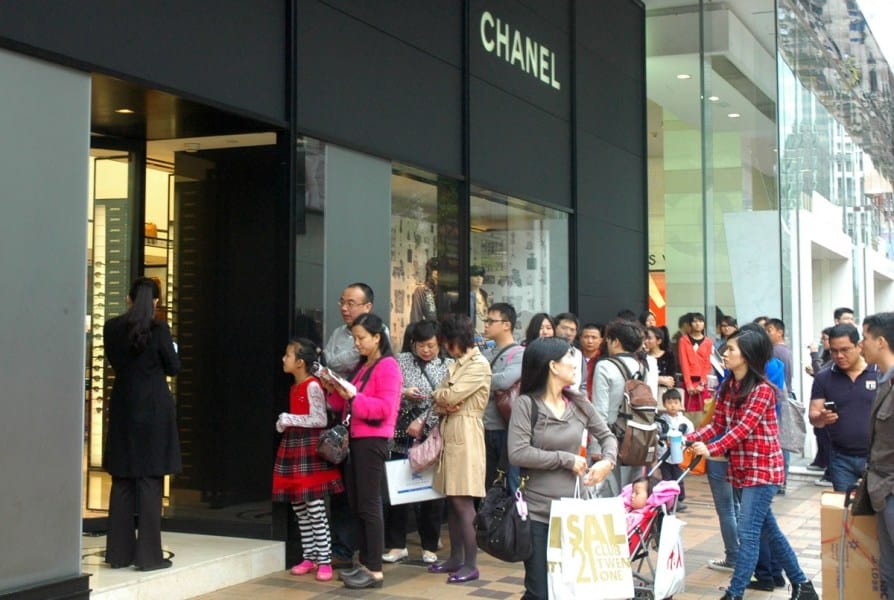
This is why Chinese tourists queue in front of luxury boutiques in Europe. They are not just shopping for themselves, they are also buying for their parents, siblings, colleagues, and business contacts back home. One person can easily carry 5 to 10 gift items in a single trip.
What kinds of gifts do Chinese tourists buy?
The choice of gift reflects the relationship. Closer relationships get bigger, more expensive gifts. Business contacts get branded items that communicate status. The price matters, because in Chinese gift culture the price signals the value you place on the relationship.
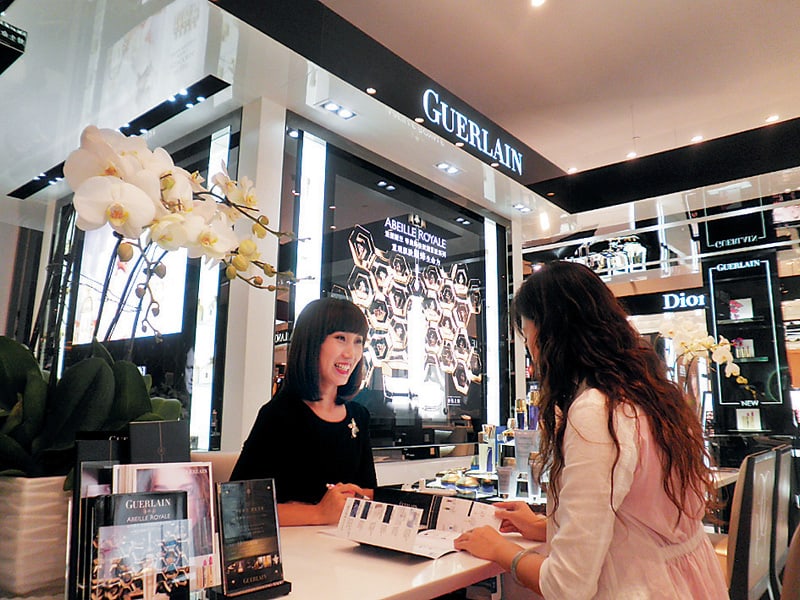
Popular gift categories include: luxury fashion and accessories, cosmetics and skincare, food specialties from the destination country, health supplements and vitamins, and local craft items with a clear story. Gifts from known brands work best. A local souvenir shop that brands itself well and explains its story clearly can compete for this spending too.
“The gift economy among Chinese travellers is one of the most misunderstood aspects of their shopping behaviour,” says Philip Chen, digital marketing expert. “Most brands focus on personal shopping, but a large share of purchases are made for other people. If you can position your product as something worth giving, you immediately double your appeal. The packaging needs to look premium. The story needs to be clear. And ideally, the product needs to be something not easily found back in China.”
Case Study: How a Swiss chocolate brand won the Chinese gift market
Thomas Müller runs a small family chocolate shop in Lucerne, Switzerland. He started the business in 2011 with his wife, focusing on local Swiss tourists and a few European visitors. By 2019, his annual revenue sat around 280,000 CHF. Good, but flat. He had tried Instagram and a few travel blogs but nothing moved the needle much.
Then his accountant noticed something in the sales data. A growing share of purchases, around 22% by 2022, were coming from customers buying 5 or more boxes at once. When Thomas started talking to those customers at the counter, he found most of them were Chinese tourists preparing to go home.
Thomas had never thought of his shop as a gift shop. He thought of it as a local artisan business. But the data told a different story. He called a friend who worked in digital marketing in Shanghai, and that conversation changed everything.
In early 2023 Thomas made three changes. First, he redesigned his gift boxes to include a small card with the shop history written in Chinese. Second, he registered on Mafengwo (a Chinese travel review platform similar to TripAdvisor) and on Dianping. Third, he worked with a local agency to get his shop listed as a recommended stop on a Xiaohongshu travel guide for Lucerne.
The results came fast. Within 6 months, his Chinese tourist sales went from 22% of revenue to 41%. By the end of 2023, total annual revenue had grown to 420,000 CHF, an increase of 50% from the year before. His average transaction size from Chinese customers was 3.2x higher than from European visitors, because they were buying multiple boxes as gifts.
Thomas did not change his product at all. He changed how he told his story and where he told it. He printed WeChat QR codes on his packaging so Chinese customers could share the shop easily with friends back home. He added Alipay as a payment option. And he trained his two staff members to greet Chinese customers with a simple ni hao and to explain the different box sizes clearly.
In 2024 Thomas hired a part-time Chinese social media manager to post on Xiaohongshu twice a week, showing seasonal chocolates and the shop atmosphere. His account reached 12,000 followers in 8 months. He now gets direct messages from Chinese tourists asking if his shop will be open on specific dates during their trip.
Thomas brands strategy is now simple: make the shop feel like a piece of Switzerland worth taking home. And for Chinese visitors, that means making it the perfect gift.
How local businesses can attract Chinese gift shoppers
If you run a shop, restaurant, or tourism business, here are practical steps to get on the Chinese tourist radar:
- Register on Baidu Maps, just like you would on Google Maps
- Create a profile on Dianping and Mafengwo, the Chinese review platforms most travellers use
- Accept WeChat Pay and Alipay so Chinese tourists can pay the way they prefer
- Add Chinese-language product descriptions, even just a short version
- Design your packaging with gifting in mind: clean, premium, easy to carry
Mafengwo travel guides at mafengwo.cn are widely used by Chinese tourists to plan shopping stops abroad. A listing or a positive review there can drive significant foot traffic to a physical store. According to data published on the platform, over 60% of Chinese outbound travellers consult Mafengwo before deciding where to shop.
Working with a specialist agency for Chinese digital marketing can help you set up these platforms correctly, create content that speaks to Chinese shoppers, and reach audiences you would never find through standard Western marketing tools. It also helps to understand what messages resonate, because the way you talk about a product for gifting is very different from how you talk about it for personal use.
If you want to go further and build a real presence in the Chinese market, working with a Chinese digital marketing agency gives you access to platforms like Douyin, WeChat, RED and Baidu where Chinese consumers spend most of their time online.
How GMA Can Help
GMA works with tourism businesses, retailers and brands who want to reach Chinese travellers before, during, and after their trip. Our services include:
- Douyin (TikTok China) campaigns to reach travellers in the planning stage
- WeChat Official Account management to keep your brand top of mind
- Baidu SEO and PPC to appear when Chinese tourists search for your destination or product
- RED (Xiaohongshu) influencer marketing to build trust through real traveller stories
- Chinese website design and localization so your content works in China
- KOL/KOC partnerships with travel and lifestyle creators who speak to your target audience
About GMA
GMA is a Shanghai-based digital marketing agency specializing in helping international brands reach Chinese consumers. Since 2012, they have worked with tourism boards, hotels, real estate developers, luxury brands and more. Services include Douyin, WeChat, Baidu, RED, and Chinese website design. Whether you are new to the Chinese market or looking to grow your existing presence, GMA can help you get results. Learn more at chinesetouristagency.com/our-services.
Claire is a content strategist at GMA with 6 years of experience in Chinese digital marketing. She writes about tourism, branding, and how to reach Chinese consumers online.