Chinese LGBT Tourists Abroad: A Growing and High-Value Niche
The most common mistake in reaching Chinese LGBT travelers? Treating them as a monolith. This is a highly educated, digitally active, and internationally curious segment that does not respond to generic “inclusive” marketing. They research deeply, share widely on Xiaohongshu, and choose destinations based on very specific signals of genuine welcome.
Key stat: the global LGBT tourism market was valued at 334 billion USD in 2025 and is growing at nearly 8% per year. China’s own LGBT consumer market is estimated at 300 billion USD, making it one of the largest untapped segments in outbound travel.
Who They Are
Chinese LGBT outbound travelers tend to be young to mid-career professionals, typically aged 22 to 40, living in first-tier and second-tier cities like Shanghai, Beijing, Chengdu, and Guangzhou. They are well-educated, often bilingual, and have higher-than-average disposable income.
China’s social environment means many travel abroad specifically to express themselves more freely. International travel is not just leisure. It is often a space for identity, community, and experiences that are harder to access at home. This gives outbound LGBT travel a specific emotional weight that smart destination marketers can work with.
They travel in couples and small groups. They research destinations carefully for legal environment, local attitudes, and community presence. A destination with an active local LGBT scene, visible representation, and a safe atmosphere will attract them. One that has none of these will not, regardless of how beautiful it is.

Key Numbers and Trends
- Global LGBT tourism market: 334 billion USD in 2025, projected to reach 522 billion USD by 2031
- China’s LGBT consumer market estimated at 300 billion USD, with outbound travel as a key spending category
- Europe and North America capture 65% of LGBT travel spending globally
- Southeast Asia is growing fast as a destination: Thailand, in particular, sees significant Chinese LGBT arrivals
- LGBT travelers spend on average 30% more per trip than the general travel market
What They Want That Is Different
Legal safety is the baseline. Chinese LGBT travelers check whether same-sex relationships are legally recognized at the destination, whether public displays of affection are legally protected, and how local enforcement behaves in practice. A destination that ticks these boxes gets serious consideration.
Community matters more than brochures. They want to know there is an actual local LGBT community: bars, events, neighborhoods, Pride events. They research this on Xiaohongshu, where other Chinese LGBT travelers post honest accounts of their experiences. Peer review trumps official destination marketing every time.
Discreet but genuine welcome. They are not looking for brands that shout rainbow flags at them. They want staff that treat same-sex couples exactly as any other couple: same room, same service, no double-take. Authentic normalcy is the goal, not performative inclusion.
Where They Go
Amsterdam and Berlin remain top choices in Europe for their strong legal protections, visible communities, and long history of LGBT-friendly culture. Paris attracts couples for romantic travel. Montreal and Toronto pull from those looking for a North American destination with full legal equality.
In Asia, Bangkok is the dominant destination. The combination of easy visas, affordable luxury, a large and visible LGBT community, and proximity to China makes it hard to beat. Taipei is increasingly popular for its Pride events and relatively liberal atmosphere. Bali draws Chinese LGBT couples for romantic getaways with high privacy.
The UK, specifically London, is growing. It ranks high on safety, has a large Chinese community, and the LGBT scene in Soho is well-documented on Chinese social media.
How to Reach Them
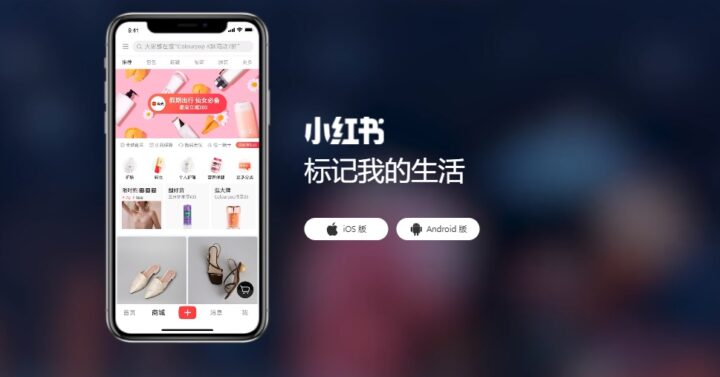
Xiaohongshu is the primary platform. Chinese LGBT travelers use it specifically for destination research, looking for posts from other Chinese LGBT travelers who have been there. The search behavior is very specific: they search for terms like “same-sex couple travel [destination]” or “[destination] LGBT Chinese.” If no content exists for your destination, you are invisible to this segment.
Blued, China’s largest LGBT social app with over 50 million registered users, is a direct channel for reaching this segment. Advertising or partnerships with Blued-connected content creators gives access to a very targeted audience.
The content tone must be natural, not corporate. A hotel posting a generic “we welcome everyone” statement does nothing. A hotel posting a photo of a real same-sex couple checking in, with a genuine caption, does a lot. Stories and reality beat policy statements.
Practical Steps for Tourism Businesses
- Train front desk and room assignment staff to handle same-sex couple bookings without any procedural distinction from heterosexual couples
- Create at least three to five Xiaohongshu posts specifically about your destination or property through Chinese LGBT content creators who have actually visited
- Attend or sponsor a Pride event in your city and document it in Chinese for distribution on Xiaohongshu and WeChat
- List on LGBT-specific travel platforms (IGLTA members, misterb&b) and ensure your Chinese-language profiles are complete
- Build a specific landing page or WeChat article addressing your destination from an LGBT travel perspective, in Mandarin
Summary Table
| Segment Profile | Platform | Content Type | Conversion Tip |
|---|---|---|---|
| 22-40, urban, high income, privacy-conscious, research-heavy | Xiaohongshu, Blued, WeChat | Real traveler reviews, community scenes, couple-friendly experiences | Authentic Chinese-language content from real LGBT travelers at your property |
Attract Them Through Xiaohongshu and Douyin
On Xiaohongshu, the strategy is user-generated content from real Chinese LGBT travelers at your destination. Brands cannot replicate the trust of a peer review. Find two or three Chinese LGBT travel creators with genuine followings, invite them to experience your destination, and let them share authentically. Do not script the content. The posts that perform best are honest, personal, and specific.
On Douyin, short clips showing the actual atmosphere work well: a Pride parade in the city, a couple-friendly hotel moment, a welcoming bar scene. Keep it natural. The goal is not to market “LGBT tourism” as a category. The goal is to show that ordinary life at your destination includes and normalizes this traveler.
See our full range of Chinese tourism marketing services to understand how we can help you reach this segment.
Ready to Reach Chinese LGBT Travelers?
This segment is high-value, under-served, and actively looking for destinations that get it right. Most tourism brands have not figured out how to market to them without being awkward. That gap is your opportunity. Talk to us about building a strategy that works for your destination or property.